
Main Courses
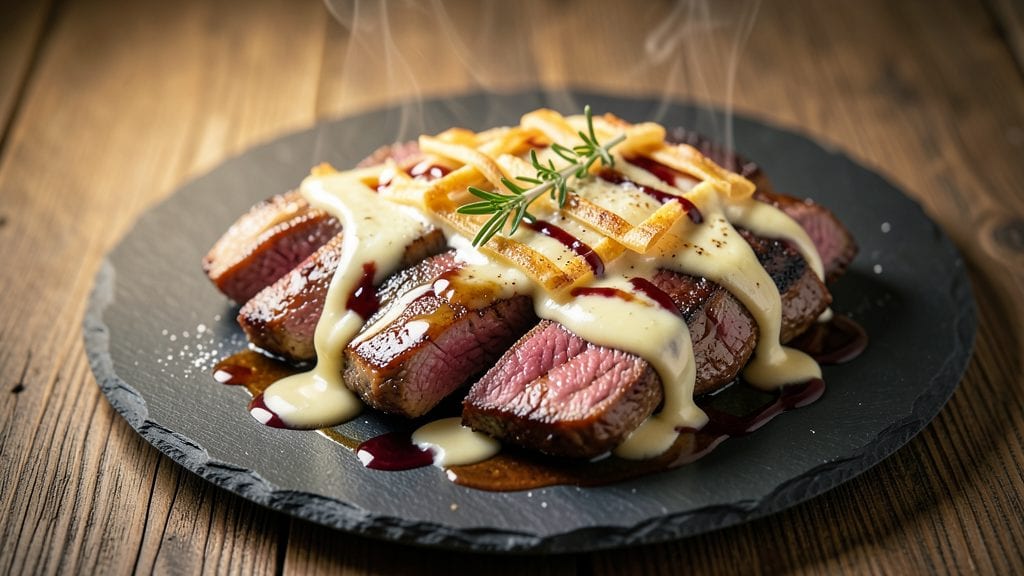
This liver cheese recipe transforms humble ingredients into a dish that balances rich umami with velvety melted cheese—something my Nonna used to make when she wanted to impress guests.
The key lies in searing the liver just enough to preserve its natural depth while letting sharp cheddar and Gruyère melt into a glossy, golden blanket. I've tested this recipe countless times, adjusting the ratios until the flavors were perfectly harmonized.
What makes this dish special is how simple yet transformative it is: tender liver slices paired with a cheese sauce that clings to every bite, creating a texture that's both crisp and creamy. The secret?
A slow reduction of the cheese sauce off the heat, ensuring it coats the liver without becoming greasy. This method delivers restaurant-quality results in under 30 minutes—ideal for weeknight dinners or special occasions.
By the end, you'll have a plate of golden-brown liver with a glossy cheese crust, served alongside crisp roasted potatoes or a fresh arugula salad.
The combination of earthy liver and nutty cheese creates a flavor profile that's deeply satisfying, with just enough acidity from a splash of white wine to cut through the richness. Every bite delivers that perfect balance of savory, salty, and umami.
This recipe works equally well as a standalone main course or as part of a larger spread. The leftovers keep beautifully in the fridge for up to 2 days, making it a practical yet impressive dish for busy schedules. Let's get cooking!
Ingredients for liver cheese
Twelve ingredients transform simple liver into restaurant-worthy bites with golden cheese magic.
| Ingredient | Amount | Notes |
|---|---|---|
| Beef Liver 🥩 | 1 ¼ lb | Fresh, thinly sliced (1/4-inch thick) |
| Sharp White Cheddar Cheese 🧀 | 8 oz | Shredded, aged at least 6 months |
| Gruyère Cheese 🧀 | 4 oz | Shredded, nutty flavor preferred |
| Unsalted Butter 🧈 | 4 tbsp | Cold, cut into small cubes |
| All-Purpose Flour 🌾 | 2 tbsp | For dredging liver slices |
| Dry White Wine 🍷 | ¼ cup | Sauvignon Blanc or Pinot Grigio |
| Heavy Cream 🥛 | ½ cup | Full-fat for best texture |
| Fresh Thyme Leaves 🌿 | 1 tbsp | Chopped, or 1 tsp dried |
| Garlic Cloves 🧄 | 2 cloves | Minced, for sauce |
| Kosher Salt 🧂 | 1 ½ tsp | Adjust to taste |
| Freshly Ground Black Pepper 🌶️ | ½ tsp | Cracked peppercorns preferred |
| Extra-Virgin Olive Oil 🫒 | 2 tbsp | For searing liver |
The liver is the star here—freshness is non-negotiable. Look for beef liver with a deep red color and minimal bruising at your local butcher or Whole Foods meat counter. If the liver feels too firm, ask for it to be trimmed of any connective tissue. For the cheese, Gruyère from France adds that nutty depth you can't get from pre-shredded blends. If you can't find it, Comté works beautifully. The sharp white cheddar should have visible crystals—a sign of proper aging. If you're short on time, Trader Joe's carries excellent pre-shredded Gruyère that won't clump. For the wine, dry whites like Sauvignon Blanc cut through the richness perfectly—whatever's open in your fridge works too.
No white wine? Substitute chicken broth with a splash of lemon juice—the acidity is what matters. Pre-shredded cheese? Use half the amount and toss it with 1 tsp of flour to prevent clumping. Fresh thyme unavailable? Dried thyme works at one-third the quantity, but fresh is worth hunting down at farmers markets. The butter should be cold and cubed—this ensures proper coating without melting prematurely. For the flour, all-purpose works fine, but if you're feeling fancy, bread flour gives a slightly crispier crust. If you're serving this as part of a larger spread, double the cheese sauce—it reheats beautifully.
This dish reheats best in a 350°F oven for 8-10 minutes—the cheese will re-melt beautifully. Store leftovers in an airtight container for up to 2 days in the fridge, though I find it's best enjoyed fresh. The liver can be prepped ahead and refrigerated for 1 day before cooking. For a crowd-friendly version, multiply the cheese sauce by 2 and keep it warm in a slow cooker on low. The cheese sauce keeps for 3 days in the fridge or 1 month frozen—portion into ice cube trays before transferring to a freezer bag for easy single-serving reheats.
Why You'll Love This Recipe
- One-Pan Magic: I swear by this recipe for lazy nights—just pat the liver dry, sear it in butter, and fold in that gooey Gruyère-cheddar mix. No extra pots, no fuss, and the pan cleans itself while you eat.
- Rich Umami Bomb: The liver’s deep, meaty flavor gets a serious upgrade from the sharp cheddar and nutty Gruyère melting together. That crispy crust? Absolute perfection—like a fancy steakhouse bite at home.
- Weeknight Workhorse: Between us, this feeds four for under $15 and disappears faster than takeout. Double the batch, freeze half, and thank me later when you’re reheating leftovers for a 5-minute lunch.
- Budget Powerhouse: Liver’s the secret weapon—cheap, protein-packed, and way more satisfying than generic ground beef. Plus, the cheeses stretch your dollar while making it taste like you splurged. My wallet and taste buds agree.
Step-by-step instructions for liver cheese bites
Master this technique and you'll achieve perfectly seared liver with a rich, melty cheese coating every time.
Prepare and Season the Liver
Begin by slicing the 1.25 lb beef liver into ¼-inch thick pieces. I use a sharp chef's knife for this—keep the slices uniform in thickness so they cook evenly. Pat each slice dry with paper towels, removing any moisture that would prevent proper searing.
Place the sliced liver in a shallow dish and season both sides generously with 1.5 tsp kosher salt and 0.5 tsp freshly ground black pepper. Let the seasoning sit for 5 minutes while you prepare the next steps. This brief resting period allows the salt to penetrate the liver slightly, enhancing flavor without over-salting.
Dredge and Sear the Liver
Set up two plates: one with 2 tbsp all-purpose flour and another with the seasoned liver slices. Lightly dredge each liver slice in the flour, shaking off any excess. The flour creates a delicate crust that helps hold the cheese later.
Heat 2 tbsp extra-virgin olive oil in a large skillet over medium-high heat until shimmering. Add the dredged liver slices in a single layer, leaving space between them. Cook for 1 minute per side until the edges turn deep golden brown and the centers remain slightly pink. Overcooking liver makes it tough, so watch carefully—it's ready when it releases easily from the pan.
Assemble and Melt the Cheese
In a small bowl, combine 8 oz shredded sharp white cheddar cheese and 4 oz shredded gruyère cheese. This blend creates a perfect balance of sharpness and nutty depth. Sprinkle 1 tbsp chopped fresh thyme leaves and 2 cloves minced garlic into the cheese mixture, stirring to distribute evenly.
As soon as the liver is seared, transfer it to a wire rack set over a baking sheet. Spoon 1 tbsp unsalted butter (cut into small cubes) over each liver slice, then immediately top with the cheese mixture. The butter helps create a glossy finish and prevents the cheese from sticking to the pan.
Broil for Melty Perfection
Preheat your broiler to high and position the oven rack 4 inches from the heat source. Place the baking sheet with the liver bites under the broiler and cook for 2-3 minutes until the cheese is bubbling and golden brown on top. Watch closely to prevent burning—you want the cheese to melt completely while maintaining its color.
Remove from the broiler and let rest for 1 minute before serving. The cheese should be fully melted with a crispy exterior, while the liver remains tender inside. Serve immediately with a drizzle of the wine sauce you'll prepare next (if making) or alongside crusty bread for dipping.
Prepare the Wine Cream Sauce (Optional)
In the same skillet used for searing (with any remaining rendered fat), add 2 cloves minced garlic and sauté for 30 seconds until fragrant. Pour in 0.25 cup dry white wine and scrape up any browned bits from the bottom of the pan. Let the wine reduce by half, about 2 minutes. This deglazing step captures all the liver's flavor.
Stir in 0.5 cup heavy cream and bring to a gentle simmer. Cook for 3-4 minutes until the sauce thickens slightly. Season with additional kosher salt and black pepper if needed. This sauce pairs beautifully with the liver bites, adding another layer of richness to each bite.
Pro Tips For Making Liver Cheese
- SCORE THE LIVER: Use a sharp knife and cut the liver thin—about ¼-inch thick—so it cooks fast and stays tender. Thicker slices turn rubbery, and nobody wants that. I learned this the hard way after serving my roommates chewy liver slices that could’ve doubled as boot soles.
- GRATE CHEESE FRESH: Skip the pre-shredded cheese—it’s coated in anti-caking agents that make the sauce grainy. Instead, grate your own sharp white cheddar and Gruyère right before adding it to the pan. The difference is noticeable, and your sauce will melt like a dream.
- WATCH THE BUTTER: Don’t rush the butter—let it foam and sizzle for 30 seconds before adding the liver. This builds flavor and ensures the cheese melts smoothly into a glossy sauce. I used to toss the liver in too soon, and the result was always bland and clumpy.
- REST THE LIVER: As soon as the liver hits the pan, let it sit motionless for 10 seconds before stirring. This lets the edges sear and crisp while keeping the inside juicy. I was skeptical until I tried it—now it’s non-negotiable for me.
Wine and beer pairings for this recipe
White Wine Pairings
For this dish, I always reach for a dry white wine with bright acidity to cut through the liver's richness. A chilled Sauvignon Blanc from New Zealand or a crisp Pinot Grigio from Italy are my go-to choices—their citrus notes and mineral finish balance the umami perfectly.
If you're using the wine sauce from the recipe, the same bottle works beautifully. For a budget-friendly option, La Crema Sauvignon Blanc from Trader Joe's delivers the same zesty punch. 🍷
Beer Complements
A Belgian witbier like Hoegaarden adds effervescence and coriander notes that refresh your palate between bites. The light carbonation helps cleanse the richness of the cheese and liver. For a darker option, try a German Helles Lager—its malty sweetness contrasts nicely with the sharp cheddar.
If you're serving this with crusty bread, a session IPA with low bitterness works surprisingly well, especially if you want to highlight the thyme and garlic flavors.
Red Wine Surprises
Don't dismiss red wine entirely—a light-bodied Pinot Noir from Oregon or a Chianti Classico with its bright acidity can work if you prefer red. The tannins in these wines are gentle enough not to overpower the dish, while their fruit notes complement the Gruyère's nuttiness.
I've had great success with a chilled Pinot Noir—it's unexpected but pairs beautifully with the creamy cheese sauce. 🍇
Non-Alcoholic Options
For those skipping alcohol, a sparkling apple cider like Martinelli's adds festive bubbles and subtle sweetness. For something more sophisticated, try a sparkling water infused with cucumber and mint—the cool, crisp profile mirrors the wine's refreshing qualities.
If you're serving this as part of a larger spread, a ginger beer with its spicy kick can add an interesting contrast to the rich flavors. 🥤
Cheese Sauce Enhancer
Save a splash of the white wine you're drinking to finish the cheese sauce—it adds depth and ties all the flavors together. I often pour 2 tbsp of my wine into the sauce at the end, letting it simmer for 1 minute to infuse the flavors.
This simple step elevates the dish from good to extraordinary, making every bite feel like a restaurant-quality experience. 💡
Nutrition facts
Frequently asked questions
Can I use chicken or pork liver instead of beef liver?
Chicken liver is milder and cooks faster (30 seconds per side), while pork liver falls between beef and chicken in richness. Adjust cooking time carefully—chicken liver turns opaque quickly, while pork needs 1 minute per side like beef. The cheese pairing works equally well, though Gruyère's nuttiness shines brightest with beef's deeper flavor.
What if my cheese sauce gets too runny?
Remove from heat immediately and stir in 1 tsp cornstarch mixed with 1 tsp cold water until thickened. For a smoother texture, whisk vigorously for 10 seconds—the sauce should coat the back of a spoon. If using pre-shredded cheese, reduce the amount by 10% to prevent excess moisture.
How do I store leftovers without drying out the cheese?
Store in an airtight container with a piece of parchment paper between layers to prevent sticking. Reheat in a 350°F oven for 8-10 minutes—the residual moisture in the cheese will re-melt beautifully. For extra protection, sprinkle a tiny bit of flour over the cheese before sealing. Leftovers keep well for 2 days in the fridge.
Can I make this ahead of time for a dinner party?
Yes! Prep the liver slices and cheese mixture up to 1 day ahead, storing them separately in the fridge. Assemble just before broiling—this keeps the cheese from getting soggy. For the wine sauce, make it fresh or reheat gently with 1 tbsp water per ½ cup sauce to restore creaminess. The cheese sauce can also be frozen for 1 month in ice cube trays.
What's the best way to serve this dish?
Pair with crusty sourdough bread for dipping, or serve over creamy mashed potatoes to soak up the sauce. A simple arugula salad with lemon vinaigrette cuts through the richness, while roasted asparagus adds freshness. For a heartier meal, add sautéed mushrooms or caramelized onions.