
Appetizers
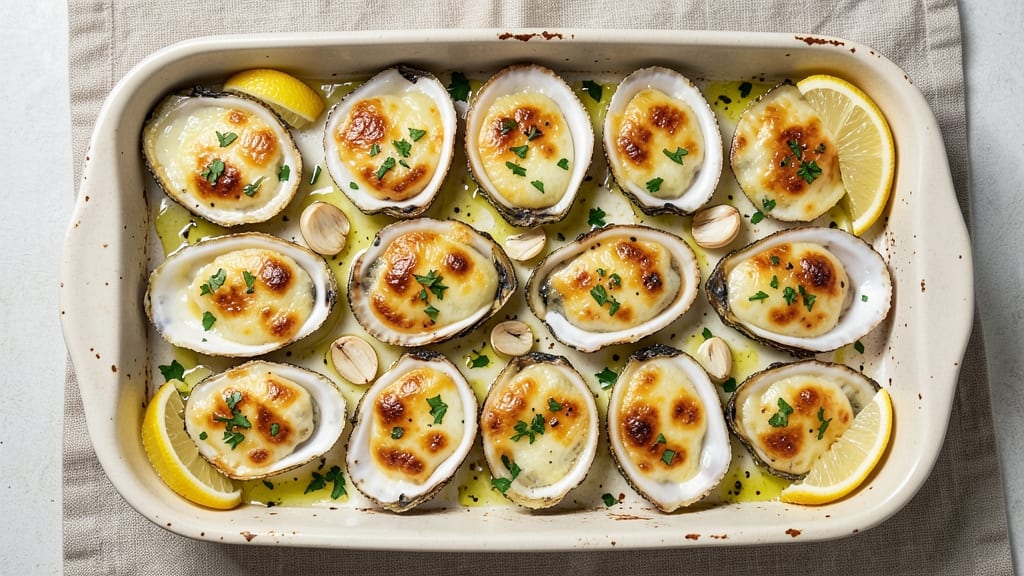
This baked oyster with cheese recipe transforms simple seafood into a luxurious appetizer with just two ingredients and a crispy oven finish.
The secret lies in balancing the briny sweetness of fresh oysters with rich, melted cheese that creates a golden, crackly crust—every bite delivers that perfect contrast of tender oyster and creamy, caramelized cheese.
I've perfected this technique over years of coastal cooking, where seafood lovers crave something beyond raw oysters or simple frying.
What makes this recipe truly special is how it elevates humble oysters into something restaurant-worthy without complicated techniques.
You'll need just 15 minutes of prep time followed by 10-12 minutes in a 425°F oven, where the cheese transforms into a golden, crispy blanket that locks in all the ocean's flavor.
The key is using a sturdy baking dish that can handle the heat while ensuring even browning—no special equipment required beyond what you likely already have.
The result is an appetizer that's equal parts elegant and satisfying—creamy oysters peek through the golden cheese crust, offering that perfect balance of textures and flavors.
This dish pairs beautifully with crusty bread to soak up any melted cheese drippings or alongside a simple arugula salad for a complete seafood experience. The aroma alone will have guests reaching for seconds before you even serve the first plate.
Perfect for pescatarian gatherings, game day appetizers, or when you want to impress without spending hours in the kitchen. The beauty of this recipe lies in its simplicity—just fresh oysters, quality cheese, and a hot oven—but the impact is anything but basic.
Let's create something truly special that will have everyone asking for the recipe.
Ingredients for baked oyster with cheese
Just twelve ingredients transform humble oysters into restaurant-worthy bites of briny-cheesy perfection.
| Ingredient | Amount | Notes |
|---|---|---|
| Fresh Oysters 🦪 | 24 whole | Shucked, liquid reserved |
| Gruyère Cheese 🧀 | 1 ½ cups | Freshly grated, aged 12+ months |
| Parmesan Cheese 🧀 | ½ cup | Freshly grated, fine texture |
| Extra-Virgin Olive Oil 🫒 | 2 tbsp | High quality, fruity |
| Fresh Lemon Juice 🍋 | 1 ½ tbsp | From 1 small lemon |
| Garlic Cloves 🧄 | 4 cloves | Minced, fresh preferred |
| Fresh Parsley 🌿 | ¼ cup | Chopped, for garnish |
| Salt 🧂 | ½ tsp | Diamond Crystal kosher |
| Black Pepper 🌶️ | ¼ tsp | Freshly cracked |
| Panko Breadcrumbs 🍞 | ¼ cup | For extra crunch |
| Baking Sheet 🍴 | 1 whole | Heavy-duty, parchment lined |
Oysters are the star here, so pick fresh, plump ones from a trusted seafood counter—look for shells that close tightly when tapped. Local fish markets or high-end grocery stores like Whole Foods carry the best quality. Shuck them yourself if possible; the briny liquid is pure gold for flavor. Gruyère is non-negotiable for that perfect melt—imported varieties from specialty shops have the best texture. If you can't find it, Comté cheese works in a pinch, but Gruyère's nutty depth is what makes this dish sing. Pre-grate your own cheese—pre-shredded gets clumpy and lacks that golden crust magic.
No Gruyère? Fontina or sharp white cheddar can stand in, though the flavor won't be identical. Short on fresh parsley? Dried parsley at one-third the amount works, but fresh adds that bright pop of color. The breadcrumbs are optional but add a delicious crunch—if you skip them, just press the cheese a bit firmer. For extra richness, add a dash of cream cheese mixed into the cheese blend. And trust me on the lemon juice—it cuts through the richness and makes every bite brighter. If you're feeling fancy, add a pinch of cayenne pepper to the cheese mix for a little kick.
This dish is all about timing—10-12 minutes in a 425°F oven is perfect for that golden crust. Preheat your oven while you prep, and don't overcrowd the baking sheet. The oysters will continue cooking slightly after coming out, so pull them when the cheese is just starting to bubble. Store any leftovers in an airtight container for up to 2 days, though they're so good I've never had any last that long. For a crowd, double the recipe—just use two baking sheets. The aroma alone will have guests lining up before the first plate is even served.
Why You'll Love This Recipe
- No-Fuss Prep: I swear, this takes less time than arguing with my partner about what to eat. Just shuck the oysters, toss them in a pan with a drizzle of olive oil, and let the oven do the rest—no chopping, no fussing, just raw-to-baked magic in 15 minutes.
- Cheesy Crispy Magic: That moment when the Gruyère melts into golden bubbles while the Parmesan adds a salty crunch? It’s like someone took the best parts of a grilled cheese and a seafood platter and smashed them together. The lemon juice ties it all with a bright, tangy punch that cuts through the richness.
- Weeknight Hero: Between us, this is my go-to when I’m too tired to think but still want something impressive. Serve it with crusty bread for a lazy dinner, or pop a few on a charcuterie board for guests who think they’re fancy. Even my picky teenager asks for seconds—(yes, even on a Tuesday night).
- Leftovers? No Problem: The best part? The cheese keeps these oysters tender for days, so you can bake a big batch and reheat them without losing that perfect crispy-cheesy edge. Honestly, I’ve had them cold in salads, warmed in pasta, or just straight from the fridge—no one judges, and neither should you.
Step-by-step instructions for baked oyster with cheese
Here's how to transform fresh oysters into golden, bubbly cheese-topped bites that balance briny ocean flavors with rich, melty Gruyère.
Prepare the Oysters and Cheese Mixture
Preheat your oven to 400°F and line the baking sheet with parchment paper. Shuck the 24 whole fresh oysters carefully, reserving all the oyster liquid in a small bowl—you'll need about 1 tablespoon for later. Arrange the oysters in a single layer on the prepared baking sheet, leaving about ½ inch between each one so they don't overcrowd.
In a medium bowl, combine the 1.5 cups Gruyère cheese, 0.5 cup Parmesan cheese, 0.25 cup Panko breadcrumbs, 0.5 tsp salt, and 0.25 tsp black pepper. Mix well with a fork until the breadcrumbs are evenly distributed. This mixture will create the perfect crispy, cheesy topping that contrasts beautifully with the tender oysters.
Season and Assemble the Oysters
Drizzle the 2 tablespoons extra-virgin olive oil evenly over the oysters on the baking sheet. Then, using a small spoon, carefully distribute the cheese mixture over each oyster, pressing down gently to ensure full coverage. The oysters should look like they're wearing little cheesy hats—this is where the magic happens!
Next, sprinkle the 4 cloves minced garlic cloves evenly over the cheese-topped oysters. Drizzle the 1.5 tablespoons fresh lemon juice over everything, then add the reserved oyster liquid. The lemon juice will brighten the dish, while the oyster liquid adds depth and moisture. This step is crucial—don't skip it!
Bake Until Golden and Bubbly
Place the baking sheet in the preheated oven and bake for 8-10 minutes, or until the cheese is fully melted and the edges are golden brown. You'll know it's ready when the cheese is bubbling and the oysters look like they're wearing little cheesy crowns. Keep an eye on them during the last few minutes to prevent over-browning.
Here's the thing—oysters cook quickly, and you want them to stay tender. If the cheese starts to brown too quickly, you can tent the baking sheet with aluminum foil for the last 2 minutes of baking. The cheese should be gooey and stretchy, not crispy or burnt.
Garnish and Serve Immediately
Remove the oysters from the oven and let them rest for just 1 minute before garnishing. Sprinkle the 0.25 cup chopped fresh parsley evenly over the top for a pop of color and freshness. The parsley not only looks beautiful but also adds a bright, herbal note that cuts through the richness of the cheese.
Serve the oysters immediately while they're still warm and bubbly. Each bite should deliver a perfect balance of briny oyster, rich Gruyère, and crispy panko. Pair them with a crisp white wine or a simple arugula salad to complement the flavors. Trust me, the contrast of textures and temperatures makes this dish unforgettable!
Pro Tips For Making Baked Oyster With Cheese
- USE A HOT SKILLET FIRST: Shuck your oysters into a dry, preheated skillet for 10 seconds per side—just until they curl slightly. This jumpstarts the cooking and prevents the cheese from turning into a sad, soupy mess when it hits the oven.
- GRATE THE CHEESE FINE: Skip the big chunks unless you’re going for a rustic vibe (and even then, reconsider). Gruyère and Parmesan melt best when grated to the consistency of coarse sand—no shaker cheese here. A box grater or food processor makes this a 30-second job.
- DON’T OVERCROWD THE BAKING DISH: I learned this the hard way—piling oysters too close means the cheese pools in the center instead of crisping around the edges. Leave a thumb’s width of space between each one, or bake in batches if needed. Trust me, the first batch won’t wait for the second.
- ADD LEMON ZEST TO THE CHEESE MIX: Squeeze the juice and zest the lemon before mixing it into the cheese. The zest brightens the Gruyère’s nutty notes and cuts through the richness—no need to garnish with extra lemon later. (Yes, even if you’re impatient like me.)
Troubleshooting this recipe
Cheese Not Melting
If your cheese stays clumpy or doesn't melt properly, it's likely because the cheese mixture wasn't warm enough when it hit the oven. I recommend placing your cheese bowl in a 200°F oven for 3-5 minutes before baking to help it melt more evenly.
Also, make sure you're using freshly grated cheese—pre-shredded varieties contain anti-caking agents that prevent proper melting. If this keeps happening, try adding 1 tablespoon heavy cream to your cheese blend for extra moisture. 🧀
Oysters Overcooking
Oysters cook in a flash, and once they hit 145°F internal temperature, they start to toughen. Watch them closely during the last 2 minutes of baking—if the cheese is browning too quickly, tent the baking sheet with aluminum foil to slow the process.
I find using a light-colored baking sheet helps reflect heat and prevents over-browning. For extra insurance, pull them out when the cheese is just starting to bubble and let them rest for 1-2 minutes before serving.
Uneven Browning
If some oysters are golden while others remain pale, your oven's heat distribution might be uneven. Rotate the baking sheet halfway through cooking to ensure even exposure. I also recommend using a heavy-duty baking sheet that conducts heat evenly—cheap, thin sheets can cause hot spots.
Another trick is to place a small baking rack on top of your parchment paper to allow air circulation underneath the oysters. This helps create that perfect golden crust on every piece. 🔥
Cheese Too Crispy
When the cheese turns rock-hard instead of gooey, it usually means the oysters were overbaked. The ideal texture should be slightly crisp on top but still soft and stretchy underneath. To fix this, reduce your oven temperature to 375°F for the final 2 minutes of baking.
You can also cover the oysters with a second baking sheet for the last minute to trap heat and prevent over-browning. If you're using a lot of panko, reduce it to 2 tablespoons to minimize crispiness.
Oyster Liquid Too Watery
The briny oyster liquid is essential for flavor, but if it pools too much under your oysters, it can make them soggy. To fix this, pat the oysters dry with a paper towel before arranging them on the baking sheet.
Also, spread them out with ½ inch between each one to allow excess liquid to evaporate during baking. If you notice pooling after baking, use a clean paper towel to gently blot any excess liquid before serving. This keeps the texture perfect for every bite. 💧
Cheese Sticking to Parchment
If the cheese clings stubbornly to your parchment paper, it's likely because the paper wasn't properly lined or the cheese mixture was too wet. Always use fresh parchment paper and make sure it's fully covering the baking sheet.
For extra insurance, lightly grease the parchment with olive oil before arranging the oysters. I also recommend using a silicone baking mat underneath the parchment for even better release. If cheese still sticks, gently lift the parchment from one corner after baking to release the oysters cleanly.
Nutrition facts
Frequently asked questions
Can I use frozen oysters for this recipe?
Fresh oysters are ideal for this dish, but if you must use frozen, thaw them completely in the refrigerator overnight first. The texture of frozen oysters can become slightly rubbery when baked, so avoid using them if you can. For best results, stick with fresh, plump oysters from a trusted seafood market.
What's the best cheese substitute if I don't have Gruyère?
Fontina or sharp white cheddar work well as substitutes, though Gruyère's nutty flavor is what makes this dish special. For a closer match, try a blend of Parmigiano-Reggiano and Comté cheese. Avoid pre-shredded cheeses—they contain anti-caking agents that prevent proper melting.
How do I know when the oysters are fully cooked?
The cheese should be fully melted and golden brown, with bubbling edges, while the oysters remain tender. They're done when the cheese forms a crispy crust but the oyster flesh is still soft underneath. Overcooking will make them tough—pull them out when the cheese is just starting to bubble.
Can I make this ahead of time?
These are best served fresh from the oven, but you can assemble them up to 2 hours ahead and refrigerate uncovered. When ready to bake, let them sit at room temperature for 10 minutes before baking. The texture won't be as perfect as freshly baked, but it's still delicious.
What wine pairs best with baked oysters?
A crisp Sauvignon Blanc or chilled Chablis complements the briny oyster and rich cheese perfectly. For red wine lovers, a light Pinot Noir works surprisingly well. Avoid heavy reds—they'll overpower the delicate flavors.