
Main Courses
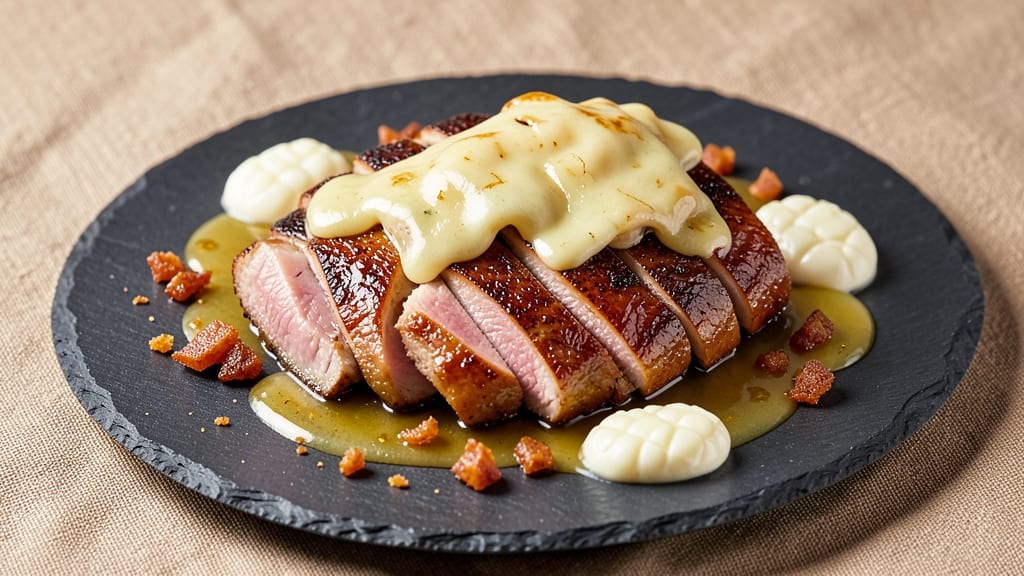
This duck cheese recipe transforms rich duck meat into a luxurious dish with a crispy crust and melted cheese that soaks up every drop of silky duck fat. The secret lies in rendering the skin to golden perfection while creating a gooey, flavorful cheese topping that makes every bite unforgettable.
I perfected this technique after years of experimenting with duck preparations, and the results speak for themselves.
What sets this recipe apart is the balance between crispy duck skin and tender, juicy meat beneath, all blanketed in melted cheese that becomes a decadent sauce.
The process involves searing the duck to render fat, then roasting until the skin reaches that coveted crispy texture, while the cheese melts into a luscious topping. This method ensures you get the best of both worlds: restaurant-quality flavor and a technique simple enough for home cooks.
The outcome is a dish that looks as impressive as it tastes—juicy duck with a crispy skin, topped with bubbling cheese that pulls into golden strands. The duck fat infuses the cheese, creating a rich, savory sauce that clings to every bite.
This recipe is perfect for special occasions or when you want to impress dinner guests with a dish that feels luxurious yet is entirely achievable at home.
Serve with roasted vegetables or a fresh salad to balance the richness, and prepare to be asked for seconds. The combination of textures and flavors makes this duck cheese recipe a standout main course that will elevate any meal. Let's get started on creating this showstopper.
Ingredients for duck cheese
Rich duck meat meets gooey cheese—just eight ingredients for a showstopping dish.
| Ingredient | Amount | Notes |
|---|---|---|
| Duck Breast 🦆 | 2 whole | Skin-on, about 6-8 oz each |
| Gruyère Cheese 🧀 | 1 cup | Freshly grated, nutty variety |
| Fontina Cheese 🧀 | ½ cup | Freshly grated, creamy texture |
| Extra-Virgin Olive Oil 🫒 | 2 tbsp | For searing duck skin |
| Unsalted Butter 🧈 | 2 tbsp | Cold, for crisping |
| Garlic Cloves 🧄 | 4 cloves | Minced, for cheese mixture |
| Shallots 🧅 | 2 whole | Finely chopped, for flavor |
| Fresh Thyme Leaves 🌿 | ¼ cup | Chopped, aromatic touch |
| Dijon Mustard 🍯 | 1 tbsp | For cheese binding |
| Salt 🧂 | 1 tsp | Kosher, for seasoning |
| Black Pepper 🌶️ | ½ tsp | Freshly ground, for heat |
| Dry White Wine 🍷 | ¼ cup | Sauvignon Blanc preferred |
| Heavy Cream 🥛 | ¼ cup | For finishing sauce |
| Fresh Parsley 🌿 | 0.1 cup | Chopped, for garnish |
The duck breast is the star, so choose high-quality from the butcher—look for even thickness and vibrant pink color. D'Artagnan or your local specialty shop are great sources. Pat the skin dry before searing—this ensures maximum crispiness. The Gruyère and Fontina should be freshly grated; pre-shredded gets clumpy and lacks flavor. For the cheese mixture, Penzeys or Whole Foods bulk bins offer excellent options. If you can't find Fontina, Asiago or Emmental work well as substitutes, though the texture will differ slightly.
No white wine? Chicken broth with a splash of lemon juice mimics the acidity. Fresh thyme is ideal, but dried thyme at one-third the amount works in a pinch. For the shallots, red onion in a hurry—just increase to 3 whole. The Dijon mustard is key for binding the cheese; whole-grain mustard adds texture but may alter the sauce's smoothness. If you're short on time, pre-minced garlic from the jar works, though freshly minced elevates the flavor. The heavy cream at the end adds richness; half-and-half lightens the sauce slightly without sacrificing decadence.
Rendered duck fat is liquid gold—store it in a sealed jar in the fridge for up to 6 months. The cheese topping can be prepped ahead and refrigerated for 2 days before baking. For a make-ahead meal, sear the duck breasts, chill them overnight, then crisp the skin before baking with the cheese. Garnish with parsley just before serving—it wilts quickly under heat. Leftovers reheat beautifully; cover with foil to prevent drying out.
Why You'll Love This Recipe
- One-Pan Magic: I swear by this—just sear the duck, melt the Gruyère and Fontina on top, and let the butter pool underneath. No chopping, no fuss, and the pan does all the work while you sip wine (or coffee, no judgment).
- Rich, Melty Obsession: That first bite of crispy duck with gooey Gruyère and nutty Fontina? It’s like a hug for your taste buds. The olive oil keeps it silky, and the butter adds that golden, buttery finish that makes you close your eyes.
- Weeknight to Dinner Party: Honestly, this is my go-to for lazy nights and when I need to impress. Serve it with crusty bread for a quick weeknight meal, or plate it fancy with a salad for guests. Same effort, different vibes.
- Leftovers That Don’t Suck: Between us, most leftovers are sad. Not this. The duck stays tender, the cheese stays dreamy, and I’ve reheated slices straight from the fridge in seconds. (Yes, even on a Tuesday night.)
Step-by-step instructions for duck cheese recipe
Here's how to transform rich duck breast into a luxurious dish with golden crust and velvety cheese sauce.
Prepare the Duck for Maximum Crisp
Start by patting the skin-on duck breasts completely dry with paper towels. Remove any excess fat from the skin, leaving just a thin layer. Season both sides generously with the 1 teaspoon salt and 0.5 teaspoon black pepper, pressing it into the meat to ensure even distribution. Let the duck rest uncovered on a plate in the refrigerator for 30 minutes—this step is crucial for even cooking and that signature crisp.
While the duck rests, prepare the searing station. Heat a cold skillet over medium-low heat and add the 2 tablespoons extra-virgin olive oil. Let it warm until it just begins to shimmer—this prevents the duck from steaming instead of searing. The oil should be hot enough to sizzle when the duck touches it, but not smoking. I like to test it by flicking a drop of water onto the oil—if it dances and evaporates quickly, it's ready.
Sear the Duck to Golden Perfection
Remove the duck from the refrigerator and let it sit at room temperature for 5 minutes before cooking. Place the duck breasts skin-side down in the skillet and press down gently with a spatula. This ensures full contact with the pan and prevents curling. Cook undisturbed for 8-10 minutes until the skin is deep golden brown and crispy in several spots, releasing easily from the pan.
Here's the thing—don't be tempted to flip too early. The skin needs time to render fat and develop that beautiful mahogany crust. You'll know it's ready when you can slide a thin spatula between the meat and skin without resistance. Once the skin is perfectly crisp, flip the duck and cook the meat side for 3-4 minutes until it reaches an internal temperature of 135°F. Transfer to a plate and tent loosely with foil to keep warm while you prepare the cheese sauce.
Build the Cheese Sauce Foundation
Increase the heat to medium-high and add the 2 tablespoons unsalted butter to the same skillet. Let it melt completely, then add the 2 finely chopped shallots and cook for 2-3 minutes until softened but not browned. Add the 4 minced garlic cloves and cook for just 30 seconds—garlic burns quickly, so don't walk away. Pour in the 0.25 cup dry white wine and scrape up any browned bits from the bottom of the pan with a wooden spoon. This deglazing captures all the duck fat flavor.
Simmer the wine mixture for 3-4 minutes until reduced by half. The sauce should coat the back of a spoon and have a rich, aromatic depth. At this point, stir in the 0.25 cup chopped fresh thyme leaves and let it steep for 1 minute to infuse the sauce with herbal notes. Remove the skillet from heat and let it cool slightly before adding the cheese mixture.
Create the Signature Cheese Mixture
In a separate bowl, combine the 1 cup freshly grated Gruyère cheese, 0.5 cup freshly grated Fontina cheese, 1 tablespoon Dijon mustard, and 0.25 cup heavy cream. The mustard acts as a binder, helping the cheese melt smoothly into a velvety sauce. Use a whisk to create a uniform consistency—this prevents lumps that can make the sauce grainy. Keep the bowl off the heat to prevent the cheese from starting to melt prematurely.
Here's where it gets fun—toss the warm skillet sauce into the cheese mixture and stir vigorously until fully combined. The residual heat from the skillet will help the cheese melt into a luxurious, glossy sauce. Return the mixture to the skillet and cook over low heat for 2-3 minutes, stirring constantly, until it reaches a smooth, pourable consistency. If it thickens too much, add 1 tablespoon water at a time until you reach the perfect coating texture.
Finish and Serve with Crispy Perfection
Slice the duck breasts into ½-inch thick medallions against the grain for maximum tenderness. Spoon the cheese sauce over each slice and let it sit for 1 minute to meld together. Garnish with 0.1 cup chopped fresh parsley and serve immediately while the crust remains crispy. The contrast between the golden, shatteringly crisp duck skin and the silky cheese sauce creates a truly luxurious dining experience.
For best results, serve with roasted root vegetables or a simple arugula salad. The rich duck fat in the sauce pairs beautifully with the peppery bite of arugula and the earthy sweetness of roasted carrots and parsnips. Each bite delivers that perfect harmony of textures and flavors we're after—crispy, creamy, rich, and perfectly balanced.
Pro Tips For Making Duck Cheese
- REST THE DUCK RIGHT: Skip the urge to slice that duck breast immediately after cooking—it’s tough and will tear apart. Wrap it in foil with a pat of butter and let it sit for 10 minutes. The fat redistributes, and the meat stays juicy when you finally cut against the grain.
- GRATE CHEESE FRESH: Pre-shredded cheese is coated in anti-caking agents that turn to glue when melted. Grab a box of Gruyère and Fontina, grate them yourself, and toss with a pinch of flour to absorb moisture. The melt will be smoother, and the flavor richer—no clumping or weeping.
- SEAR THE DUCK SKIN-FIRST: Lay the duck breast skin-side down in a cold pan, then turn the heat to medium-high. The fat will slowly render, crisping the skin perfectly before you flip. Rushing this step means greasy, uneven cooking—patience here makes all the difference.
- UPGRADE WITH A SPLASH OF WINE: After searing the duck, deglaze the pan with 2 tablespoons of dry white wine (or even a splash of water in a pinch). Scrape up those browned bits—this adds depth to the cheese sauce later. No wine? A splash of broth works, but the acidity of wine cuts through the richness.
Storing and reheating this duck cheese
Refrigerator Storage
Your duck cheese masterpiece keeps beautifully in the fridge for up to 3 days when stored properly. After serving, transfer any leftovers to an airtight container like a glass Pyrex dish or Rubbermaid FreshLock container.
The cheese sauce will firm up slightly but remains delicious when reheated. I like to press plastic wrap directly on the sauce surface to prevent a skin from forming. 💫
Freezer-Friendly Tips
Freezing works best for the components separately. The seared duck breasts freeze well for 2 months—wrap them tightly in plastic wrap before placing in a freezer bag. The cheese sauce, however, doesn't freeze as beautifully due to texture changes.
Instead, freeze the cheese mixture without the sauce (just the grated cheeses with mustard) for up to 1 month, then combine fresh when reheating. 🧊
Oven Reheating Method
For the best texture, reheat in a 375°F oven for 8-10 minutes covered with foil. Place the duck skin-side up on a baking sheet and spoon the cheese sauce back over the top.
The residual moisture helps restore that crispy texture. If the cheese looks dry, add 1 teaspoon heavy cream before reheating. 🔥
Stovetop Revival
Use a non-stick skillet over medium-low heat to gently warm duck slices with cheese sauce. Cover with a lid for 3-4 minutes to melt the cheese without overcooking. For extra crispiness, add 1 teaspoon duck fat to the pan before reheating. The fat helps recreate that signature crust. 🍳
Microwave Shortcut
When time is tight, microwave individual portions on 50% power for 45-60 seconds covered with a damp paper towel. Stir the cheese sauce halfway through to prevent uneven heating. This method works best for the sauce alone—reheat duck separately for better texture. 💡
Crispy Skin Restoration
If reheating causes the skin to lose crispiness, here's my pro trick: After reheating, transfer the duck to a 400°F broiler for 1-2 minutes until the skin crisps again. Keep a close eye to prevent burning. This works especially well when using the oven reheating method above. ✨
Nutrition facts
Frequently asked questions
Can I substitute duck breast with another protein?
While duck breast is ideal for its rich fat and flavor, you can use chicken thighs or pork tenderloin as substitutes. For best results, increase cooking time slightly and adjust the cheese quantity—duck fat creates a more luxurious sauce. The texture will differ, but the technique remains the same.
What if my duck skin isn't crispy?
Undercooked skin is usually the culprit! Ensure your pan is hot enough (test with a water droplet—it should sizzle) and cook undisturbed for 8-10 minutes. Pat the skin completely dry before searing, and avoid flipping too soon. For extra crispiness, broil for 1-2 minutes after reheating.
How do I prevent the cheese sauce from separating?
Keep the cheese mixture off the heat until fully combined with the warm skillet sauce. Use freshly grated cheese (no pre-shredded) and whisk vigorously to avoid lumps. If it thickens too much, add 1 tablespoon water at a time. The Dijon mustard acts as a natural binder—don’t skip it!
Can I make this recipe ahead of time?
Sear the duck breasts and refrigerate them uncovered for 24 hours to dry the skin further. Re-crisp before baking with cheese. The cheese sauce can be prepped 2 days ahead and stored in the fridge—just reheat gently before serving. The flavors deepen overnight!
What wine pairs best with this dish?
A bold Pinot Noir or Syrah complements the rich duck and creamy cheese. For white wine lovers, a Chardonnay with oak notes balances the dish’s richness. The white wine used in the recipe (Sauvignon Blanc) also works beautifully if you prefer to stay consistent.