
Sauces & Condiments
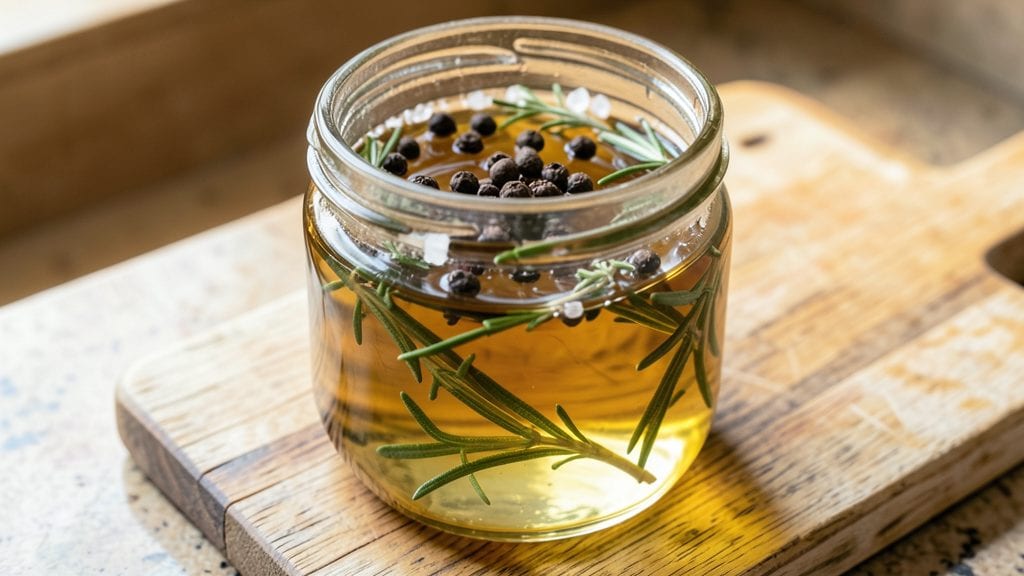
A cheese brine recipe transforms ordinary cheese into something extraordinary—think deeper flavor, enhanced texture, and a restaurant-quality finish in just minutes of soaking. This cold-soaked solution is my go-to for elevating everything from mild cheddar to aged gouda, and it couldn’t be simpler to make.
The science is straightforward: salt and water work together to intensify flavor while adding subtle complexity, whether you’re prepping for a charcuterie board or a gourmet grilled cheese.
What makes this brine special is its versatility—you can customize it with herbs, spices, or even a splash of wine to match your cheese’s profile. For example, a rosemary-infused brine pairs perfectly with sharp cheeses, while a white wine and black pepper blend works wonders for creamy brie.
The process takes less than 10 minutes of active time, and the results last in the fridge for up to 2 weeks, making it a game-changer for any cheese lover.
The key to success lies in the soaking time: 30 minutes for a quick flavor boost or overnight for maximum depth. Whether you’re prepping a single wedge or a whole block, the brine works its magic without altering the cheese’s natural texture—just richer, more nuanced flavor.
This is the kind of simple technique that turns a basic ingredient into something truly special, and it’s something every home cook should have in their arsenal.
Once you try it, you’ll never go back to plain cheese again. The possibilities are endless—pair it with crackers, melt it into dishes, or enjoy it on its own. Here’s everything you need to get started with this foolproof method.
Ingredients for cheese brine
Eight simple ingredients that turn bland cheese into restaurant-quality flavor magic.
| Ingredient | Amount | Notes |
|---|---|---|
| Coarse Kosher Salt 🧂 | 1 cup | Diamond Crystal preferred |
| Cold Water 💧 | 2 cups | Filtered if possible |
| White Wine 🍷 | ½ cup | Dry variety like Sauvignon Blanc |
| Fresh Rosemary 🌿 | ¼ cup | Chopped, stems removed |
| Black Peppercorns 🌶️ | 1 tbsp | Crushed lightly |
| Fresh Thyme Leaves 🌿 | 1 tbsp | Or 1 tsp dried thyme |
| Garlic Cloves 🧄 | 2 cloves | Minced or crushed |
| Honey 🍯 | 1 tbsp | Optional for sweetness |
| Lemon Zest 🍋 | 1 tsp | Brightens flavor |
Salt is the MVP here—Diamond Crystal kosher salt dissolves faster than table salt, so you get even flavor distribution. Trader Joe's or Whole Foods bulk bins are the best places to grab it cheaply. The wine? Dry whites like Sauvignon Blanc work best—they add subtle acidity without overpowering. I always use white because red can stain lighter cheeses. Fresh herbs are ideal, but dried works in a pinch (just use half the amount). For rosemary, grab the fresh sprigs—they smell amazing while you're working, and the flavor is worth the extra minute to chop it.
No white wine? Apple cider vinegar or lemon juice works in a bind—just use half the amount. Skip the rosemary? Fresh thyme or a bay leaf adds depth instead. The honey is totally optional but gives a lovely sweetness to sharp cheeses like aged cheddar. If you're using this for creamy cheeses like brie, I'd leave it out. For extra punch, add a pinch of smoked paprika—it pairs insanely well with gouda. The garlic is non-negotiable though—it's what ties everything together. If you hate garlic smell, use garlic powder instead (1/2 tsp).
This brine keeps for 2 weeks in the fridge, but the cheese soaks up the flavor fastest in the first 30 minutes. Store it in a clean jar with a tight lid—no need to refrigerate until you're ready to use. For best results, soak cheese blocks for overnight while wedges only need 30 minutes. The brine gets stronger with each use, so save it and reuse it up to 3 times—just top off with water if it gets low.
Why You'll Love This Recipe
- Five-Ingredient Magic: I swear by this—just salt, water, wine, rosemary, and peppercorns. That’s it. No fancy gadgets, no last-minute grocery runs. Honestly, I keep a jar of the brine in my fridge because it’s that effortless to throw together.
- Brightens Everything: The white wine cuts through the saltiness while the rosemary adds that fresh, piney punch. Between us, it’s the secret to cheese that tastes like it’s been aged for weeks—not just sitting in your fridge. (Yes, even on a Tuesday night.)
- Meal Prep MVP: I use this brine for everything—hard cheeses like cheddar or gouda, soft ones like brie, even cottage cheese. Make a big batch on Sunday, and suddenly you’ve got flavor bombs for snacks, sandwiches, or charcuterie boards all week. No waste, all win.
- Budget-Friendly Luxury: Coarse salt and rosemary are cheap, but they make basic cheese taste like a $20 artisanal wheel. I’ll be real: my grocery bill didn’t budge, but my cheese game did. It’s the kind of trick that makes you feel fancy without the price tag.
Step-by-step instructions for cold-soaked cheese brine
This aromatic brine transforms ordinary cheese into extraordinary flavor—simple steps for maximum impact.
Combine the Brine Base Ingredients
In a large non-reactive container (glass or food-grade plastic works best), add the 2 cups cold water and 1 cup coarse kosher salt. Stir vigorously with a wooden spoon until the salt completely dissolves—you should see no visible crystals remaining. This is your flavor foundation, so don't skip the stirring.
Next, pour in the 0.5 cup white wine and the 1 tbsp honey, mixing well to incorporate. The wine adds depth while the honey balances the saltiness. Here's the thing—if you're using a particularly tart wine, you might want to add an extra ½ teaspoon of honey to complement the acidity. Taste the mixture at this stage—it should be pleasantly salty with a hint of sweetness and wine tang.
Infuse with Herbs and Aromatics
Add the 0.25 cup chopped fresh rosemary, 1 tbsp fresh thyme leaves, 2 cloves minced garlic, and 1 tbsp crushed black peppercorns to the container. Give everything a thorough stir to distribute the herbs evenly. You'll notice the mixture becomes more aromatic immediately—the rosemary and thyme will release their oils into the liquid.
For best results, let the mixture sit at room temperature for 10 minutes before proceeding. This allows the herbs to fully infuse the brine. If you're short on time, you can skip this step, but the flavor will be more vibrant if you wait. After resting, give it one final stir to ensure all the aromatic compounds are suspended in the liquid.
Finish with Citrus and Prepare for Soaking
Squeeze in the 1 teaspoon lemon zest and stir gently to incorporate. The citrus brightens the entire brine and cuts through the richness of the cheese. At this point, your brine should smell like a sophisticated charcuterie board—herby, garlicky, with a touch of sweetness and wine complexity.
Let the brine cool completely to room temperature before using. If you're in a hurry, place the container in the refrigerator for 30 minutes to speed up the process. Once cooled, transfer the brine to an airtight container and store it in the refrigerator for up to 2 weeks. The flavors will continue developing over time, becoming more concentrated with each passing day.
Soak Your Cheese (The Magic Happens Here)
For best results, use this brine with semi-hard cheeses like cheddar, gouda, or even mild Manchego. Cut your cheese into ½-inch thick slices or 1-inch cubes, depending on your preference. Place the cheese in a single layer in a shallow dish or container that's just large enough to hold everything without crowding.
Pour the cooled brine over the cheese, ensuring each piece is fully submerged. If you're using a particularly salty cheese, you might want to reduce the soaking time to 30 minutes to avoid over-salting. For most cheeses, soak for 1 to 2 hours at room temperature. You'll know it's ready when the cheese has absorbed the brine's flavor—it should smell like your kitchen just got a gourmet upgrade.
Serve and Enjoy (The Best Part!)
Remove the cheese from the brine and let it sit at room temperature for 5 minutes before serving. This allows any excess moisture to evaporate slightly, preventing a soggy texture. The cheese should now have a beautiful sheen and carry all those aromatic notes we built into the brine.
Serve immediately on a cheese board with crackers, fresh fruit, or crusty bread. The contrast between the brined cheese and the other elements will be stunning. Real talk: this brine works wonders with both aged cheeses and younger varieties—don't be afraid to experiment. The key is balance, so start with shorter soaking times if you're unsure.
Pro Tips For Making Cheese Brine
- STIR THE BRINE: Don’t just toss everything in and call it a day—give that brine a good 30-second stir after adding the rosemary and peppercorns. The herbs sink to the bottom if you’re lazy, and suddenly your cheese is swimming in a muddy, flavorless bath instead of soaking in fragrant layers.
- USE ICE-COLD WATER: Fill your container with cold water straight from the fridge, not lukewarm tap. I learned this the hard way—warm water dissolves salt faster but dulls the wine’s brightness and makes the rosemary wilt before it even gets a chance to infuse.
- TOAST THE PEPPERCORNS: Lightly crush the black peppercorns in a mortar or between your palms before adding them—just enough to break the skins so their oils release into the brine. Skip this, and you’re left with tiny, bitter specks instead of a subtle, aromatic depth.
- STRAIN THE HERBS: After brining, strain out the rosemary sprigs and peppercorns with a fine-mesh sieve or even a clean kitchen towel. Yes, it’s an extra step, but cheese soaked in its own herbal sludge tastes like a sad, muddy experiment—not the bright, clean flavor you’re going for.
Serving suggestions for cheese brine
Cheese Board Showcase
This brine elevates any cheese board to gourmet status. Pair brined cheddar with water crackers and fig jam, or try gouda with honeycomb and walnuts. For a sweet contrast, add dried apricots or candied pecans.
I love arranging the cheese in a spiral pattern with the crackers radiating outward—it looks stunning and makes serving easier. 🥖
Grilled Cheese Upgrade
Melt brined cheese in grilled cheese sandwiches for next-level flavor. Use sourdough bread and sharp cheddar with a touch of Dijon mustard on the butter side. The brine's herbs and wine notes shine through when toasted.
For extra decadence, add a sprinkle of crispy prosciutto before pressing. Trust me, your lunch game just leveled up. 🧀
Charcuterie Board Pairings
Balance the richness of brined cheese with cured meats like salami or prosciutto. Add marinated olives, cornichons, and roasted nuts for texture contrast. I always include fresh grapes—their acidity cuts through the cheese's intensity beautifully.
For a vegan option, swap cheese for marinated artichoke hearts or roasted red peppers. 🍇
Melting Magic
Brined cheese melts like a dream in mac and cheese, cheese sauces, or fondue. For mac and cheese, use brined sharp cheddar and Gruyère for a creamy, herby sauce. In fondue, the wine notes in the brine complement the white wine or beer base perfectly.
Just be mindful of soaking time—30 minutes max for melting applications to avoid excess moisture. 🍲
Wine and Beer Pairings
The wine-infused brine pairs beautifully with dry Riesling or Chardonnay—their acidity mirrors the brine's brightness. For beer lovers, a Belgian witbier or hoppy pale ale complements the herby, garlicky notes.
Avoid heavy reds or malty beers, as they can overpower the delicate flavors. I always keep a bottle of La Crema Sauvignon Blanc on hand for cheese boards. 🍷
Leftovers Reinvented
Turn brined cheese into cheese crisps by baking thin slices at 375°F for 5-7 minutes until golden. Use the brine to marinate cheese-stuffed mushrooms or cheese-filled empanadas before baking. Even grilled cheese leftovers taste amazing when reheated with a splash of beef broth to restore moisture. 🔥
Nutrition facts
Frequently asked questions
Can I use this brine with soft cheeses like brie or camembert?
Soft cheeses like brie or camembert can work, but soak them for only 15-20 minutes to avoid making them too wet. The delicate texture absorbs flavor quickly, so even a short dip in the wine-infused brine adds depth without ruining the creamy consistency. For best results, pat them dry afterward with a paper towel.
What's the best way to store leftover brine?
Transfer any unused brine to an airtight container and refrigerate for up to 2 weeks. The flavors actually intensify over time, so it's perfect for multiple uses. If the liquid evaporates, simply add a splash of cold water to maintain the concentration. Just remember to give it a quick stir before each use.
How do I adjust the saltiness for different cheese types?
For mild cheeses like mozzarella or Monterey Jack, use the full 1 cup salt—they need the flavor boost. With extra-sharp cheddar or aged gouda, reduce soaking time to 30 minutes—or cut the salt in half to prevent over-salting. Always taste the cheese after soaking to gauge the balance.
Can I make this brine without wine?
Replace the wine with ½ cup apple cider vinegar—it adds acidity and brightness without alcohol. For a non-acidic option, use an extra ¼ cup honey—it enhances sweetness and balances the salt. The herbs and garlic will still infuse beautifully, so don't worry about the wine substitution.
Why does my cheese turn out soggy after brining?
Soggy cheese usually means over-soaking or not drying properly. Limit soaking to 1-2 hours max—and always pat the cheese dry with paper towels before serving. For extra insurance, let it sit uncovered for 5 minutes—this helps evaporate excess moisture while keeping the flavor intact.