
Main Courses
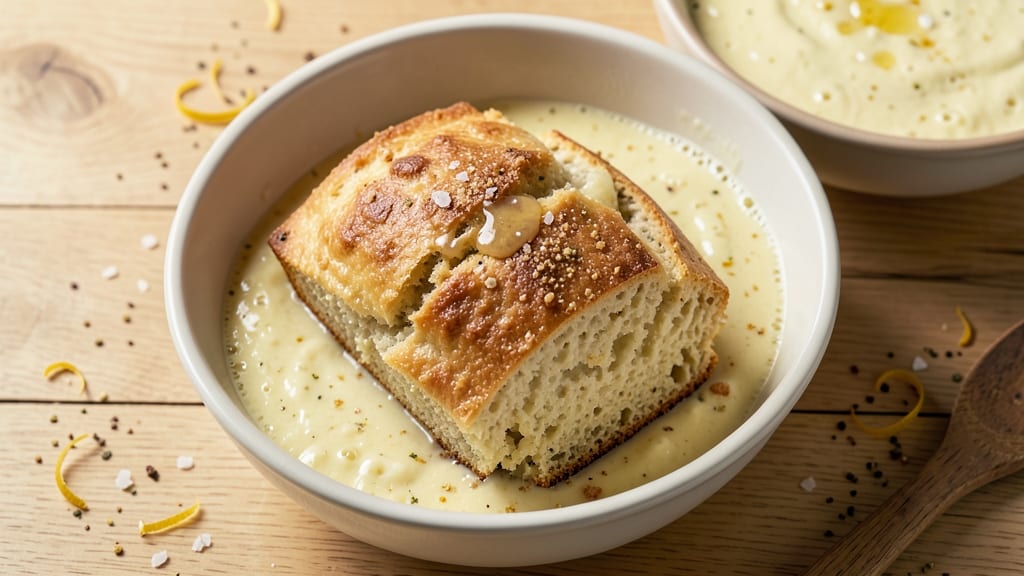
This healthy 5-ingredient cottage cheese bread recipe transforms humble pantry staples into a lightweight loaf packed with hidden protein—no fancy equipment or complicated steps required. The secret lies in cottage cheese, which replaces eggs and oil while delivering moisture, structure, and a subtle tang that elevates every bite.
After years of testing quick bread recipes, this version consistently delivers a tender crumb and golden crust without sacrificing health benefits. The beauty of this recipe is its simplicity: just flour, cottage cheese, baking powder, sugar, and a pinch of salt come together in 15 minutes of prep before baking.
No kneading, no waiting for dough to rise—just mix, pour, and bake. The cottage cheese creates a moist, slightly dense texture that holds up beautifully for toast or sandwiches, while the light sweetness balances perfectly with savory toppings.
What makes this bread truly special is its nutritional profile—each slice delivers high-quality protein without the heaviness of traditional bread. The recipe works equally well with all-purpose or whole wheat flour, and Greek yogurt can substitute for cottage cheese if preferred.
Perfect for breakfast, lunch, or snacking, this loaf proves healthy eating doesn’t mean sacrificing flavor or texture. Once baked, the bread stays fresh for days when stored properly, making it ideal for meal prep. Serve warm with butter, jam, or as the base for open-faced sandwiches.
The subtle tang from the cottage cheese adds depth that keeps this simple bread memorable—without the guilt.
Ingredients for 5 ingredient cottage cheese bread recipe healthy
Five simple ingredients create a protein-rich loaf that rivals artisanal breads.
| Ingredient | Amount | Notes |
|---|---|---|
| All-Purpose Flour 🌾 | 2 ½ cups | Sifted for even texture |
| Large Egg Cottage Cheese 🧀 | 1 ½ cups | Full-fat for moisture |
| Granulated Sugar 🍚 | ¼ cup | Light brown preferred |
| Baking Powder 🧂 | 1 ½ tsp | Aluminum-free preferred |
| Diamond Crystal Kosher Salt 🧂 | ½ tsp | Fine grain preferred |
The cottage cheese is the star here—full-fat works best for that tender crumb. Kroger or Trader Joe's carry excellent options, but any 2% or whole milk variety will do. For the flour, King Arthur or Bob's Red Mill brands ensure consistent rise. The sugar can be swapped for coconut sugar if you prefer a lower-glycemic option, though the flavor profile shifts slightly. Baking powder is non-negotiable for lift—check the expiration date as old powder loses potency. I always measure my flour by spooning it into the cup and leveling, never scooping directly from the bag.
No cottage cheese? Plain Greek yogurt at the same quantity works beautifully—just be aware it'll add a slightly tangier flavor. Running low on sugar? Maple syrup or honey at half the amount adds moisture but requires adjusting the flour slightly. For a whole wheat version, replace half the all-purpose flour with whole wheat, though the texture will be denser. The salt is crucial—Diamond Crystal measures differently than Morton, so if you use Morton, reduce to 0.25 tsp. For a savory twist, omit the sugar and add 1 tsp dried rosemary to the flour mixture.
This bread stays fresh for 4-5 days when wrapped tightly in foil at room temperature. For longer storage, freeze the baked loaf for up to 3 months—wrap tightly in plastic and foil to prevent drying. To reheat, wrap a slice in foil and warm in a 350°F oven for 5-7 minutes. The bread freezes beautifully before baking too—just thaw at room temperature before slicing. I portion mine into single slices for easy grab-and-go breakfasts, storing them in a bread bag in the freezer.
Why You'll Love This Recipe
- No Mixer Needed: I swear by this—just stir the cottage cheese and egg together, fold in the dry ingredients, and you’re done. No stand mixer, no food processor, just a bowl and a spoon. Honestly, the dough comes together faster than I can put on a podcast.
- Sweet Creamy Magic: That first bite? The sugar caramelizes just enough to balance the tangy richness of the cottage cheese—like a cross between a brioche roll and a buttermilk biscuit. (Yes, even my sugar-averse husband grabs seconds.)
- Breakfast or Snack: Slice it warm with butter for breakfast, toast it for a quick snack, or even cube it into French toast. Between us, I’ve used the leftovers in everything—from sandwiches to crumbled topping for oatmeal. It’s the ultimate blank canvas.
- Pantry Staple Power: Five ingredients, all of which I already have. The cottage cheese adds moisture without extra fat, the sugar cuts the tang, and the baking powder does all the rising work. Budget-friendly? Absolutely. Time-saving? Even more so—this bread’s ready before your coffee finishes brewing.
Step-by-step instructions for cottage cheese bread
Here's how to create a tender, protein-rich loaf that rises beautifully without heavy ingredients.
Combine Wet Ingredients for Light Texture
In a large mixing bowl, combine the 1.5 cups Large Egg Cottage Cheese, 0.25 cup Granulated Sugar, and 0.5 tsp Diamond Crystal Kosher Salt. Use a hand mixer or whisk to blend until completely smooth—this ensures even distribution of the sugar and salt throughout the batter. The cottage cheese should look creamy and uniform, with no visible lumps. I find using a fine-mesh sieve helps eliminate any potential clumps from the cheese.
This step is crucial for creating that signature tender crumb. The cottage cheese acts as both a moisture source and a protein-rich binder, while the sugar begins dissolving into the cheese to create a stable base. Let the mixture sit for 2-3 minutes while you prepare the dry ingredients—this gives the sugar time to fully incorporate and prevents graininess in the finished bread.
Incorporate Dry Ingredients Gently
In a separate bowl, whisk together the 2.5 cups All-Purpose Flour and 1.5 tsp Baking Powder. Sift the flour mixture directly into the wet ingredients, then gently fold with a rubber spatula until just combined. Be careful not to overmix—you're looking for a thick, shaggy batter with a few flour streaks remaining. Overmixing develops gluten and can make the bread dense rather than tender.
The reason we fold instead of mix vigorously is to preserve the delicate air pockets created by the cottage cheese. These pockets give the bread its signature lightness. When the batter looks uniformly moist but still slightly uneven, it's ready for the next step. If the batter seems too thick, add 1 tablespoon of water at a time until it reaches a thick pancake consistency.
Prepare the Loaf Pan for Perfect Rise
Preheat your oven to 375°F and lightly grease a 9x5-inch loaf pan with nonstick cooking spray or butter. The pan should be warm when you pour in the batter—this helps the bread rise evenly. Line the bottom with parchment paper for easy removal, leaving an overhang on the sides to help lift the bread out cleanly.
Pour the batter into the prepared pan and smooth the top with a spatula. Tap the pan gently on the counter 2-3 times to release any air bubbles that may have formed during mixing. This simple step prevents unsightly pockets in the finished loaf. The batter should fill the pan completely, reaching about 1 inch below the top edge—this allows room for expansion during baking.
Bake Until Golden and Springy
Place the loaf pan in the preheated oven and bake for 50-55 minutes, or until the top is golden brown and a toothpick inserted into the center comes out clean. The bread is done when it springs back slightly when pressed gently with a finger—this indicates proper doneness. I check for doneness at the 45-minute mark since ovens vary in temperature calibration.
If the top begins to brown too quickly, tent the pan loosely with aluminum foil to prevent over-browning while allowing steam to escape. The internal temperature should read 190-200°F when measured with an instant-read thermometer. Remove the bread from the oven and let it cool in the pan for 10 minutes before transferring to a wire rack to cool completely. This resting period allows the internal structure to set properly for clean slicing.
Slice and Serve for Maximum Freshness
Once completely cooled, remove the bread from the pan using the parchment overhang for easy lifting. Slice into ½-inch thick pieces using a serrated knife—this ensures clean cuts through the tender crumb. The bread should have a moist, slightly crumbly texture with a delicate crumb structure, thanks to the cottage cheese's moisture-retaining properties.
For best results, serve within 2-3 days or wrap tightly in plastic wrap and store at room temperature. You can also slice and freeze individual portions for up to 3 months—just thaw at room temperature before serving. The bread pairs beautifully with soups, makes excellent toast, or serves as a healthy base for sandwiches with its hidden protein content.
Pro Tips For Making 5 Ingredient Cottage Cheese Bread Recipe Healthy
- Mix Cottage Cheese First: Mix the cottage cheese with the egg before adding it to the dry ingredients—this keeps the batter smoother and prevents lumps. I used to dump everything in at once and ended up with a dense, gummy loaf. A quick whisk for 30 seconds makes all the difference.
- Use a Light Hand with Sugar: This isn’t a cake—too much sugar makes the bread gummy and heavy. Stick to the recipe’s amount unless you’re okay with a texture closer to a muffin than bread. (Yes, I’ve learned this the hard way.)
- Check for Doneness Early: Cottage cheese bread can look underdone but be fully baked inside. Insert a toothpick at the center—if it comes out clean and the edges pull away from the pan, it’s done. Overbaking dries it out, and no one wants a sad, crumbly loaf.
- Preheat Pan and Oven: A cold pan + room-temperature oven = uneven baking. Warm your loaf pan for 5 minutes in the oven while preheating, and set the oven to 350°F (no higher—this bread doesn’t need it). This ensures the crust sets evenly and the center rises properly. (Your future self will thank you.)
Make-ahead tips for this dish
Prep Ahead Strategy
This bread is perfect for meal prep—mix the batter the night before and refrigerate it overnight. The flavors meld beautifully, and the cottage cheese absorbs any excess moisture, preventing a soggy texture.
Simply pour the chilled batter into a greased pan and bake straight from the fridge, adding 5-7 extra minutes to the baking time. 💡
Freezing Unbaked Dough
For ultimate convenience, freeze the unbaked batter in a ziplock freezer bag for up to 3 months. Thaw overnight in the fridge, then bake as directed.
I like to portion the batter into individual ½-cup servings in silicone molds for single-slice breads—just pop them out after baking for easy grab-and-go slices.
Storage Hacks for Freshness
Wrap cooled loaves tightly in plastic wrap followed by a layer of foil to lock in moisture. Store at room temperature for 4-5 days, or freeze for 3 months.
For quick reheating, wrap individual slices in foil and warm in a 350°F oven for 3-5 minutes—this restores that fresh-baked texture without drying it out.
Portioning for Meal Prep
Slice the bread into ½-inch thick portions and freeze on a baking sheet before transferring to a freezer bag. This prevents slices from sticking together. To serve, toast directly from frozen in a toaster or air fryer at 350°F for 4-5 minutes.
The cottage cheese keeps these slices moist even after freezing.
Batch Baking Tips
Double the recipe for two loaves—just use a second 9x5-inch pan. Bake both simultaneously on the middle rack for even heat distribution.
For a whole wheat version, replace 1.25 cups all-purpose flour with whole wheat flour, but expect a denser texture that requires 5 extra minutes of baking time.
Gift-Worthy Packaging
Wrap cooled loaves in parchment paper, then tie with twine and a sprig of fresh rosemary for a beautiful gift. Store in an airtight container with a damp paper towel to maintain freshness for up to 7 days.
Add a handwritten note about the cottage cheese secret—it always impresses recipients! ✨
Nutrition facts
Frequently asked questions
Why does cottage cheese make this bread so moist?
The cottage cheese acts as a natural moisture binder while replacing eggs and oil. Its high fat content (especially in full-fat varieties) creates a tender crumb without needing extra butter or oil. The protein in cottage cheese also helps create a stable structure that holds moisture for days.
Can I make this bread without cottage cheese?
Yes! Substitute with 1.5 cups plain Greek yogurt for similar texture, or use 1 large egg + 1 cup buttermilk for a traditional quick bread. The protein content will be lower, but the bread will still bake successfully. For vegan options, try 1.5 cups unsweetened applesauce + 1 tbsp flaxseed meal mixed with water.
How do I fix dense or gummy bread?
Overmixing is usually the culprit—fold the batter just until combined. For gummy texture, check your baking powder (old powder loses potency) and ensure the oven is fully preheated. If the bread feels underbaked, return to 350°F for 5-10 minutes covered with foil. The cottage cheese should be at room temperature before mixing too.
Is this bread really healthy?
Each slice contains 5-6g protein from cottage cheese while being lower in fat than traditional bread. Using whole wheat flour boosts fiber, and the recipe avoids refined sugars. For extra nutrition, top with chia seeds or flaxseed before baking. The bread's moisture content also helps with digestion compared to dry commercial loaves.
What's the best way to use up this bread?
Toast it for breakfast with almond butter and banana, use for open-faced sandwiches with smoked salmon, or make garlic bread by brushing with olive oil and garlic powder. The bread also freezes beautifully—slice and freeze individual portions for quick toast. The cottage cheese flavor pairs surprisingly well with both sweet and savory toppings!