
Appetizers
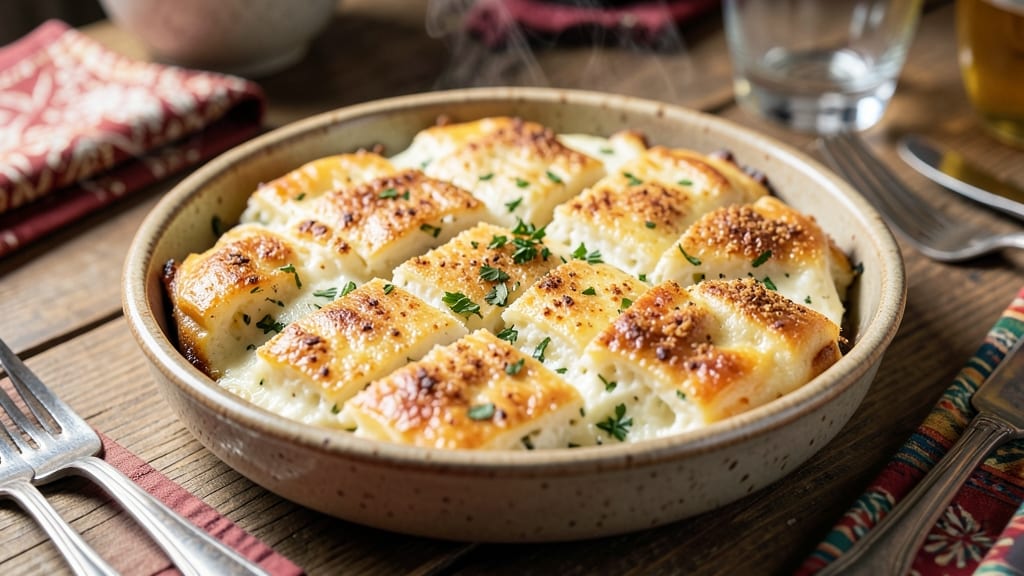
Anne Burrell’s ricotta cheese recipe transforms simple ingredients into a dish that’s golden, gooey, and impossible to resist. This isn’t your average ricotta bake—it’s a masterclass in texture, with a crispy, pull-apart crust that gives way to creamy, tangy ricotta pockets.
The secret lies in the balance: toasted breadcrumbs for crunch, fresh herbs for brightness, and just the right amount of sharp cheese to cut through the richness.
What sets this recipe apart is Burrell’s signature technique of layering flavors without overpowering the delicate ricotta. You’ll start with a buttery, crumbly base that locks in moisture, then fold in ricotta mixed with eggs and herbs for a light, airy center.
The result? A dish that’s elegant enough for dinner parties but simple enough for a weeknight, with a golden crust that’s crispy on the outside and tender on the inside.
By the time it comes out of the oven, you’ll have a dish that’s visually stunning and irresistibly cheesy—perfect for sharing. The pull-apart texture makes it a crowd-pleaser, while the herby, slightly tangy flavor keeps it sophisticated.
Pair it with a crisp white wine or a simple arugula salad to round out the meal.
This recipe is designed to impress without stress, using pantry staples and a foolproof method. Whether you’re feeding a crowd or treating yourself to a cozy appetizer, it delivers restaurant-quality results with minimal effort. Let’s get started!
Ingredients for anne burrell ricotta cheese
Golden crust meets creamy ricotta pockets—just 13 ingredients for restaurant-quality magic.
| Ingredient | Amount | Notes |
|---|---|---|
| Whole Milk Ricotta Cheese 🧀 | 24 oz | Whole milk for creaminess |
| Large Eggs 🥚 | 4 whole | Room temperature for best mixing |
| Parmesan Cheese 🧀 | 1 cup | Freshly grated, sharp variety |
| Fresh Basil Leaves 🌿 | ½ cup | Finely chopped, stems removed |
| Fresh Dill Weeds 🌿 | ¼ cup | Finely chopped, for herby brightness |
| All-Purpose Flour 🌾 | 1 cup | For sturdy crust structure |
| Panko Breadcrumbs 🍞 | 1 ½ cups | Toasted for extra crunch |
| Unsalted Butter 🧈 | ½ cup | Cold, cubed for even melting |
| Garlic Cloves 🧄 | 4 cloves | Minced for aromatic base |
| Extra-Virgin Olive Oil 🫒 | ¼ cup | For crispy, golden crust |
| Diamond Crystal Kosher Salt 🧂 | 1 ½ tsp | Fine grain for even seasoning |
| Ground Black Pepper 🌶️ | ½ tsp | Freshly cracked for warmth |
| Lemon Zest 🍋 | 1 tbsp | Brightens ricotta mixture |
The ricotta is the heart of this dish, so whole milk ricotta is a must—it's richer and holds its shape better than part-skim. Look for ricotta that's smooth and slightly grainy, not watery. Whole Foods and Trader Joe's carry excellent brands like Galbani or Lido. For the Parmesan, grab a wedge and grate it yourself—pre-grated tends to be dry and clumpy. Fresh herbs are non-negotiable here; Costco sells pre-washed basil and dill in clamshells that stay fresh longer than the plastic containers. Toast your panko breadcrumbs in a dry pan for 3-4 minutes until golden—they'll add incredible texture to the crust.
No Parmesan? Pecorino Romano works beautifully and has a sharper bite that cuts through the ricotta's richness. Short on fresh herbs? Dried basil and oregano at half the amount will get you close, though the flavor won't be as vibrant. For the butter, European-style unsalted like Plugrá has more flavor than generic brands. If you're watching calories, you can reduce the butter by 2 tablespoons and add an extra tablespoon of olive oil to the crust mixture—no one will notice the difference. The lemon zest can be substituted with 1 teaspoon of lemon juice if you don't have a zester, though zest adds a lovely brightness that juice alone can't match.
This dish reheats beautifully—350°F for 10-15 minutes until the crust is golden and the center is just warm. Store leftovers covered in the fridge for up to 4 days, though I rarely have any last that long. For make-ahead prep, assemble the dish, cover tightly, and refrigerate overnight before baking—it develops even more flavor. The crust keeps best at room temperature in an airtight container for 3 days, though it's best enjoyed fresh from the oven. Freeze portions for up to 2 months by wrapping tightly in plastic wrap and foil.
Why You'll Love This Recipe
- No Strain, No Stress: I’ll be real—this recipe saved me after a long day. Just whisk ricotta, eggs, and Parmesan until smooth, then fold in those bright herbs. No grating, no straining, no fuss. That first bite of creamy, herby goodness makes you forget how little effort it took.
- Herb-Packed Magic: Between us, the basil and dill transform this into something special. The ricotta stays light, the Parmesan adds depth, and those fresh herbs? They make every spoonful taste like a sunlit Italian terrace. It’s the kind of flavor that sticks with you—even when you’re just eating it straight from the bowl.
- Weeknight & Weekend Ally: This ricotta is my go-to for lazy breakfasts, quick pasta toppings, or even stuffed into roasted veggies. Honestly, I’ve used it in everything from bruschetta to lasagna layers, and it never lets me down. The eggs and Parmesan keep it rich without being heavy, so it works morning, noon, or midnight snack.
- Makes More Than You Think: I always double the batch because it lasts. Spread it on toast, mix it into scrambled eggs, or freeze half for later—it doesn’t dry out or taste sad. And since it’s mostly pantry staples (plus a handful of herbs), it’s one of those recipes that’s always budget-friendly. Win-win.
Step-by-step instructions for anne Burrell's ricotta cheese recipe
Here's how to craft the signature golden crust and gooey ricotta center that makes this dish unforgettable.
Prepare the Herbed Ricotta Filling
In a large mixing bowl, combine the 24 oz whole milk ricotta cheese with the 4 whole large eggs and 1 cup freshly grated Parmesan cheese. Use a sturdy whisk or rubber spatula to blend until completely smooth, scraping down the sides of the bowl as needed. This step ensures no lumps remain, which is crucial for that signature silky texture.
Next, fold in the 0.5 cup finely chopped fresh basil leaves, 0.25 cup finely chopped fresh dill weeds, 1 tbsp lemon zest, 1.5 tsp Diamond Crystal kosher salt, and 0.5 tsp freshly cracked ground black pepper. The herbs should be evenly distributed throughout the mixture. Cover the bowl with plastic wrap and refrigerate for at least 30 minutes to allow the flavors to meld together. This chilling step also helps the ricotta firm up slightly, making it easier to work with later.
Create the Crispy Crust Mixture
In a separate medium bowl, combine the 1 cup all-purpose flour, 1.5 cups toasted Panko breadcrumbs, and 4 minced garlic cloves. Mix well to distribute the garlic evenly. In a small saucepan, melt the 0.5 cup unsalted butter over low heat until it's completely liquid but not browned. Remove from heat and stir in the 0.25 cup extra-virgin olive oil. Let this mixture cool slightly for 2-3 minutes—it should be warm but not hot when you use it.
Pour the warm butter-oil mixture into the flour-Panko mixture and stir until everything is thoroughly combined and the breadcrumbs are uniformly moistened. The texture should resemble damp sand that holds together when pressed. If the mixture feels too dry, add 1-2 teaspoons of water to help bind it. This crust mixture is the secret to that perfect golden, crispy exterior that contrasts beautifully with the creamy ricotta.
Assemble the Ricotta Cheese
Preheat your oven to 375°F. Generously grease a 9-inch round cake pan with nonstick cooking spray or lightly butter it. The pan should be well-coated to prevent sticking, especially since this recipe makes a gooey center that can be challenging to release.
Spread half of the crust mixture evenly over the bottom of the prepared pan, pressing down gently with your fingers to create an even layer. This base will form the foundation of your golden crust. Then, carefully spoon the herbed ricotta mixture over the crust, spreading it out evenly to within about ½ inch of the pan's edges. Finally, sprinkle the remaining crust mixture evenly over the top of the ricotta, pressing down lightly to ensure good contact between layers.
Bake to Golden Perfection
Place the assembled ricotta cheese in the preheated oven and bake for 35-40 minutes, or until the top is deep golden brown and the edges are crispy. The center should still be slightly jiggly when you gently shake the pan—this indicates the ricotta is still gooey and hasn't set completely. If the top browns too quickly, tent the pan with aluminum foil to prevent over-browning while allowing it to cook through.
When the ricotta cheese is done, remove it from the oven and let it rest for 10 minutes before attempting to serve. This resting period allows the internal heat to distribute evenly and makes it easier to slice cleanly. The result should be a beautiful golden crust that contrasts perfectly with the creamy, pull-apart ricotta center. Serve warm with a simple arugula salad or crusty bread to enjoy every bite of this Italian classic.
Pro Tips For Making Anne Burrell Ricotta Cheese
- Whisk Eggs Cold: Pull those eggs straight from the fridge—room temperature eggs incorporate air like overachievers, but cold ones blend smoother into the ricotta. I learned this the hard way when my first batch turned into a lumpy mess because I rushed and used eggs that had been sitting out for 20 minutes.
- Grate Parmesan Fine: Skip the big chunks—grate that Parmesan as fine as you can, even if it takes an extra minute. Big shards melt unevenly and leave you with a dish that’s almost perfect but not quite. (Yes, even if you’re impatient like me.)
- Pulse Herbs Lightly: Toss the basil and dill into the food processor with the ricotta mixture, but only pulse 2-3 times—just enough to chop, not puree. Over-processing turns fresh herbs into a sad, mushy paste that ruins the bright flavor you’re paying for.
- Salt in Stages: Taste the ricotta before adding salt—whole milk ricotta varies wildly in saltiness. Start with half the recipe’s salt, mix, then adjust. I used to dump it all in at once and ended up with something that tasted like a science experiment gone wrong.
Wine and beer pairings for these flavors
White Wine Pairings
Anne Burrell’s ricotta creation shines with crisp Italian whites that complement its creamy texture and herby brightness. A Vermentino from Sardinia is my go-to—its citrusy notes and mineral finish cut through the richness beautifully.
For something more aromatic, try a Soave Classico from Verona, where almond and pear flavors harmonize perfectly with the basil and dill. 🍷
If you prefer something with a touch of body, a Pinot Grigio from Alto Adige (look for the Kastelaz brand) adds subtle apple and pear undertones that enhance the dish’s golden crust. Avoid heavy whites like Chardonnay—their buttery notes will clash with the ricotta’s delicate creaminess.
Light Beer Options
For beer lovers, a Italian lager like Peroni or Birra Moretti is ideal—their crisp, clean profiles won’t overpower the dish. The subtle malt sweetness in these lagers actually enhances the ricotta’s herby notes.
If you’re feeling adventurous, try a Belgian witbier like Hoegaarden—its coriander and orange peel flavors add a refreshing contrast to the dish’s richness. 🍺
Sparkling Wine
A chilled Prosecco or Franciacorta (Italy’s answer to Champagne) elevates this dish to brunch-level elegance. The effervescence cleanses your palate between bites, while the light fruitiness of Prosecco DOC or the toasty notes of Franciacorta mirror the ricotta’s golden hue.
Serve it slightly chilled (45-50°F) for the best experience.
Red Wine Exception
While whites and beers dominate, a light-bodied red like Valpolicella Ripasso can work if you prefer red wine. Its cherry and plum notes pair surprisingly well with the herby ricotta, especially if you’ve added a touch of sweet red pepper flakes to the crust.
Just avoid heavy reds like Cabernet—they’ll overpower the dish’s delicate flavors.
Nutrition facts
Frequently asked questions
Can I make this ricotta cheese ahead of time?
Yes! Assemble the dish completely, cover tightly, and refrigerate overnight before baking. The flavors meld beautifully during chilling, and it bakes up even more golden. For make-ahead baking, refrigerate the assembled pan for 4-6 hours (or overnight) before baking at 375°F for 40-45 minutes—the extra time compensates for the cold start.
What if my crust isn't crispy enough?
Toast your panko breadcrumbs for 4-5 minutes until golden before mixing with butter/oil—this adds critical texture. For extra crunch, sprinkle an additional ¼ cup panko on top before baking. If the crust still feels soft, bake 5 minutes longer (watch for browning) or broil for 1-2 minutes at the end for a crisp finish.
Can I substitute whole milk ricotta?
For a lighter version, use part-skim ricotta—just add 1 extra egg to compensate for reduced fat. Avoid watery ricotta (drain excess liquid through a cheesecloth if needed). The texture will be slightly less rich but still delicious. For extra creaminess, fold in 2 tbsp heavy cream with the herbs.
How do I serve this for a crowd?
Double the recipe and bake in a 10-inch pan (increases yield to 12 servings). For easy serving, cut into 12 wedges with a serrated knife. Pair with a warm arugula salad (tossed with lemon and olive oil) and crusty bread to soak up the creamy goodness. For a buffet, arrange on a platter with toothpicks—guests will love the pull-apart texture!
Why did my ricotta turn rubbery?
Overbaking is the usual culprit! Remove the dish when the center still jiggles slightly (35-40 minutes max). If it's too firm, reheat covered at 300°F for 5-10 minutes with a splash of water in the pan to restore creaminess. For next time, check 5 minutes early—ricotta continues cooking after removal from heat.