
Side Dishes
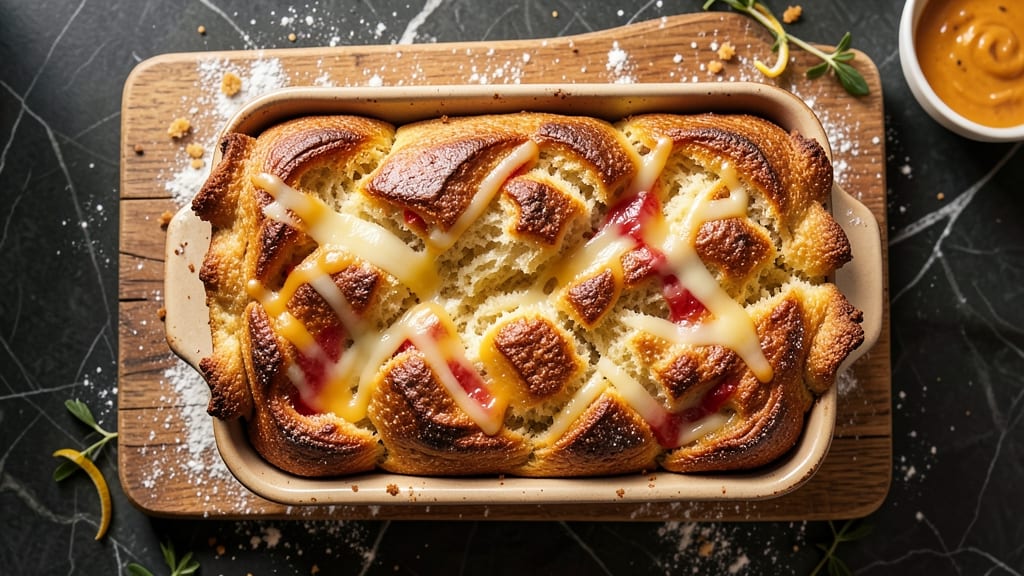
Amish cheese bread delivers that perfect balance of crispy, buttery crust and pull-apart cheddar goodness that makes every bite worth it. This recipe captures the heart of Pennsylvania Dutch tradition with a simple yet foolproof method that transforms basic ingredients into something extraordinary. The secret lies in the dough's texture—soft enough to tear easily but sturdy enough to hold those melted cheese streaks without falling apart.
What sets this bread apart is the way the cheese melts into golden, gooey pockets while the crust develops a satisfying crunch. I've tested countless variations, and this method guarantees a tender interior with a golden-brown exterior that's impossible to resist.
The dough comes together in just 15 minutes, and the baking process requires minimal attention, making it ideal for busy weeknights or special gatherings.
Once out of the oven, the aroma of warm bread and melted cheese will fill your kitchen, creating an experience that feels both comforting and celebratory. The bread stays fresh for days when stored properly, making it perfect for meal prep or sharing with neighbors.
Whether you're serving it as a side dish or enjoying it straight from the pan, each bite delivers that perfect combination of textures and flavors.
For an extra touch, brush the warm bread with melted butter before serving—this adds richness and makes the cheese even more irresistible. The recipe scales easily, so you can make a single loaf for two or double it for a crowd.
Let's get started on creating this beloved tradition in your own kitchen!
Ingredients for amish cheese bread
These 12 simple ingredients transform into golden, cheesy perfection—crispy crust, gooey center, every bite irresistible.
| Ingredient | Amount | Notes |
|---|---|---|
| All-Purpose Flour 🌾 | 4 cups | White or bread flour preferred |
| Unsalted Butter 🧈 | ½ cup | Cold, cubed for flaky layers |
| Granulated Sugar 🍚 | ¼ cup | For subtle sweetness |
| Active Dry Yeast 🍞 | 2 ¼ tsp | Or 1 packet instant yeast |
| Warm Water 💧 | 1 ¼ cups | 110°F for ideal activation |
| Sharp Cheddar Cheese 🧀 | 2 cups | Shredded, aged 6+ months |
| Milk 🥛 | ¼ cup | Whole milk for richness |
| Salt 🧂 | 1 tsp | Diamond Crystal preferred |
| Black Pepper 🌶️ | ½ tsp | Freshly cracked preferred |
| Garlic Powder 🧄 | ½ tsp | For subtle depth |
| Baking Powder 🍞 | 1 tsp | Aluminum-free preferred |
| Melted Butter 🧈 | 2 tbsp | For brushing after baking |
The cheddar makes or breaks this. Grab aged sharp cheddar from the deli counter—Kraft or Cabot work great, but avoid pre-shredded (it's coated with anti-caking agents). The flour? King Arthur or Bob's Red Mill are my go-tos for that perfect dough texture. For the yeast, Saf-Instant is foolproof—no need to proof it. Keep your butter cold for those flaky layers, and if you're in a rush, Land O'Lakes sticks work perfectly. The milk? Whole is ideal, but 2% in a pinch still gives great results.
No sharp chedddar? Monterey Jack or pepper jack work in a squeeze, though the flavor won't be quite the same. Short on butter? Olive oil or coconut oil can substitute, but the flavor will differ slightly. The baking powder is non-negotiable—double-check it's fresh (old baking powder won't rise). For extra cheesiness, add a handful of mozzarella to the mix. The garlic powder can be swapped for fresh minced garlic at half the amount, but I find the powder gives a more consistent flavor. Prefer a sweeter bread? Add a pinch of cinnamon to the dough.
This bread stays fresh for 3-4 days wrapped in foil at room temperature, or 1 week in the fridge. For longer storage, freeze the unbaked dough and bake straight from frozen (add 5-10 minutes). The best part? It reheats beautifully—just 5 minutes at 350°F to restore that crispy crust. I always make a double batch—one for the table, one for leftovers. Trust me, it disappears fast!
Why You'll Love This Recipe
- No Yeast Drama: I’ll admit, I used to flinch at yeast recipes—too many steps, too much waiting. But this dough comes together in one bowl, no kneading, no fuss. Just mix the warm water, sugar, and yeast, let it bubble for five minutes, then fold in the butter and flour. Honestly, the hardest part is resisting the urge to taste it mid-ferment.
- Sweet-Savory Magic: That sugar in the dough? It’s not just for sweetness—it caramelizes while baking, giving you a golden crust with a whisper of buttery depth. Then you add the cheese (because Amish bread deserves real cheese), and suddenly you’ve got something that’s both breakfast and dessert. Between us, I’ve seen grown men fight over the last slice.
- Breakfast or Snack: Here’s what sold me—this bread is that versatile. Toast it thick for a hearty breakfast with jam or butter, or slice it thin for a quick snack with soup. My kids ask for it after school, my husband sneaks pieces for lunch, and I’ve even used it to soak up gravy at dinner. (Yes, even on a Tuesday night.)
- Budget-Friendly Staple: Flour, butter, sugar—these are ingredients I already have. No specialty items, no last-minute grocery runs. A single batch stretches for days: freeze half for lazy mornings, and the rest? It disappears faster than I can say “second helping.” I’ll be real: it’s my go-to when money’s tight, but no one ever guesses.
Step-by-step instructions for Amish cheese bread
Here's how to craft that legendary buttery crust with gooey, pull-apart cheddar streaks.
Activate the Yeast for Perfect Rise
In a small bowl, combine the 1.25 cups warm water (about 110°F) with the 2.25 teaspoons active dry yeast and 0.25 cup granulated sugar. Let it sit for 5-10 minutes until it becomes frothy and bubbly—this means your yeast is alive and ready to work. If it doesn't bubble, your yeast might be dead, and you'll need to start over.
While waiting, whisk together the 4 cups all-purpose flour, 1 teaspoon salt, 0.5 teaspoon black pepper, 0.5 teaspoon garlic powder, and 1 teaspoon baking powder in a large mixing bowl. This dry blend is the foundation of your bread, so make sure it's evenly distributed. I like to use a whisk for this step to avoid developing too much gluten, which can make the bread dense.
Mix the Dough and Incorporate Cheese
Pour the yeast mixture into the dry ingredients and stir with a wooden spoon until a shaggy dough forms. Add the 0.5 cup cold unsalted butter, cut into small cubes, and the 0.25 cup milk. Mix until the butter is mostly incorporated—you'll still see a few chunks, and that's perfect for creating those flaky layers later.
Now, fold in the 2 cups shredded sharp cheddar cheese using your hands or a silicone spatula. The cheese should be evenly distributed throughout the dough, but don't worry if it looks messy. This is where the magic happens—the cheese will melt into gooey streaks as it bakes, giving you that signature Amish cheese bread texture.
Knead and Let the Dough Rest
Turn the dough onto a lightly floured surface and knead for 5-7 minutes until smooth and elastic. You'll know it's ready when it springs back slowly when poked. If the dough feels too sticky, add a little more flour, but don't overdo it—too much flour can make the bread dry.
Shape the dough into a ball, place it in a lightly greased bowl, and cover it with a damp towel. Let it rise in a warm place for 1-2 hours, or until it has doubled in size. This resting period allows the yeast to ferment, creating those air pockets that make the bread light and fluffy. Poke the dough gently—if it springs back slowly, it's ready.
Shape and Bake for a Golden Crust
Preheat your oven to 375°F. Once the dough has risen, punch it down to release the air, then shape it into a loaf pan that's been lightly greased with 2 tablespoons melted butter. Press the dough into the corners of the pan to ensure even baking, and let it rise again for 30-45 minutes until it's just above the rim of the pan.
Bake for 30-35 minutes until the top is golden brown and the internal temperature reaches 190°F. The bread should sound hollow when tapped on the bottom. Brush the top with any remaining melted butter while it's still warm for that extra buttery shine and flavor. The cheese should be melted and gooey, ready to pull apart into delicious strands.
Rest and Serve Warm
Remove the bread from the pan and let it cool on a wire rack for 10-15 minutes. This resting time allows the cheese to set slightly, making it easier to slice without losing those pull-apart streaks. Serve it warm for the best experience—each bite should deliver a perfect balance of buttery crust, cheesy goodness, and a hint of garlic and pepper.
Slice it thick and enjoy it with a warm bowl of soup or as a side to your favorite meal. The key to this bread is patience—letting the dough rise properly and baking it just until golden ensures that perfect texture every time.
Pro Tips For Making Amish Cheese Bread
- Use Room-Temp Butter: Cold butter creates pockets of fat that don’t melt properly, leaving your cheese bread dense instead of flaky. Let that butter sit out for 30-45 minutes before creaming—just until it’s soft enough to press with your finger but not greasy. (Yes, even if you’re impatient like me.)
- Bloom Yeast in Sugar Water: Skip the dry yeast straight into flour and risk underproofing. Mix the yeast with warm water and 1 tablespoon of sugar first, then let it bubble for 5-7 minutes before adding to the dough. This ensures your bread rises consistently—no lumpy, flat loaves here.
- Don’t Overmix the Dough: Once you add the flour, stop mixing the second everything comes together. Overworking the dough develops gluten, making your cheese bread tough instead of tender. Use a wooden spoon or spatula to fold—just until no dry bits remain.
- Bake Until Internal Temp Hits 190°F: That golden-brown crust is tempting, but pull the bread out too early and it’ll collapse as it cools. Use an instant-read thermometer—190°F at the center guarantees a soft, gooey interior. (No, the crust won’t be rock-hard, and that’s okay.)
Perfect pairings for this amish cheese bread
Soup Pairings
A warm bowl of creamy tomato basil soup is my go-to pairing—its acidity cuts through the richness of the cheese bread beautifully. I like to serve it in a deep, wide bowl so guests can tear off pieces and dip them directly.
For extra comfort, top the soup with a sprinkle of fresh basil and a swirl of balsamic glaze before serving. 🥄
For something heartier, try chicken noodle soup with tender shredded chicken and egg noodles. The broth soaks up the bread's buttery crust while the noodles add satisfying texture. I add a pinch of black pepper to the soup to echo the bread's seasoning—it ties the flavors together perfectly.
Beer Pairings
A light lager like Leinenkugel's Summer Shandy or Miller Lite complements the bread's mild cheesiness without overpowering it. The crisp, clean finish cleanses your palate between bites. For a craft option, try a wheat beer like Blue Moon—its citrus notes brighten the dish. 🍺
If you prefer something richer, a honey brown ale like Samuel Adams Noble Ale works wonders. The caramel and toffee flavors in the beer mirror the bread's buttery crust, creating a harmonious match. Serve it slightly chilled (around 45°F) to enhance the balance.
Dipping Sauces
Whip up a quick garlic aioli by blending 3 tablespoons mayonnaise, 1 minced garlic clove, 1 teaspoon lemon juice, and a pinch of salt.
Drizzle it over the bread or serve it on the side for dipping. The garlic amplifies the bread's subtle seasoning while adding a creamy contrast. 🧄
For a tangy twist, mix 2 tablespoons sour cream, 1 tablespoon Dijon mustard, and 1 teaspoon honey into a smooth dip. The sweetness balances the sharp cheddar, and the mustard adds depth. Store leftovers in an airtight container in the fridge for up to 3 days.
Dessert Pairings
Balance the richness with a warm apple crisp—the cinnamon and caramelized apples contrast the savory bread beautifully. I like to serve it with a scoop of vanilla ice cream on the side. The coolness of the ice cream cuts through the bread's warmth, creating a satisfying contrast. 🍏
For a lighter option, offer fresh berries like strawberries or raspberries with a drizzle of honey. The tartness of the berries refreshes your palate after each cheesy bite. Arrange them on a platter with the bread for an elegant presentation.
Nutrition facts
Frequently asked questions
Can I make this cheese bread without a loaf pan?
Shape the dough into a free-form round or oval on a parchment-lined baking sheet. Brush with melted butter before baking and sprinkle extra cheese on top for a rustic, pull-apart texture. Bake at 375°F for 25-30 minutes until golden. The crust will be slightly thicker, but the cheesy center stays just as gooey!
Why did my cheese bread turn out dry?
Over-kneading or overbaking are the most common culprits. The dough should be soft and slightly tacky—not stiff. If it feels dry during mixing, add 1 tablespoon milk at a time. For baking, check at 25 minutes—it's done when the internal temp hits 190°F. Underbaked bread stays moist!
Can I add other cheeses to this recipe?
Yes! For extra richness, mix in ½ cup mozzarella or ½ cup gouda with the cheddar. Avoid pre-shredded cheese (it has anti-caking agents that prevent proper melting). For a smoky twist, use ½ cup pepper jack. Just keep the total cheese to 2 cups for the right texture.
How do I make this bread extra crispy?
For maximum crunch, brush the dough with extra melted butter before the final rise, then bake at 400°F for 25 minutes. After baking, let it cool completely on a wire rack (not in the pan) to prevent steam from softening the crust. The longer it cools, the crispier it gets!
Can I make this bread ahead of time?
Yes! Shape the dough into the pan and refrigerate it overnight (covered). Let it rise at room temp for 1 hour before baking. For leftovers, wrap tightly in foil and reheat at 350°F for 5-10 minutes to restore crispness. The cheese stays gooey even after reheating!