
Side Dishes
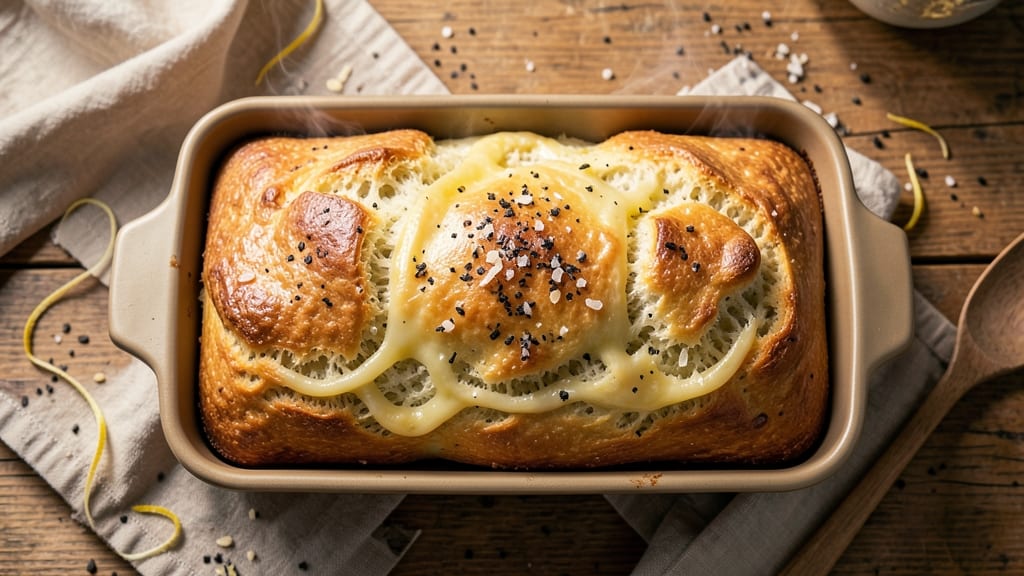
This Asiago cheese bread recipe delivers the same golden crust and pull-apart cheese rivers you crave from Panera, but with a foolproof method for your home kitchen.
The secret lies in a precise blend of yeast, butter, and shredded Asiago that creates those signature cheese pockets while maintaining a tender, airy interior. I've baked this recipe dozens of times, and it never fails to disappear from the table within minutes.
What makes this recipe special is the combination of a warm milk starter and proper kneading technique, which develops gluten for that perfect balance between fluffy texture and sturdy structure.
The dough rises twice—once to build flavor and volume, then again after shaping—to ensure maximum airiness. Freshly grated Asiago is folded into the dough before the final rise, creating those melt-in-your-mouth cheese rivers when baked.
By the time it emerges from your oven, you'll have a loaf with a crisp golden crust that shatters slightly at the edges, while the interior remains soft and pillowy. The cheese pulls cleanly into strings when torn apart, creating that satisfying restaurant-quality experience at home.
This bread pairs perfectly with soups, salads, or as a standalone snack—every slice is better than the last.
For an extra touch of elegance, sprinkle additional grated Asiago on top before baking or garnish with fresh parsley after it cools. The aroma alone will have everyone gathering in your kitchen, and the taste will have them asking for seconds.
Let's get started on making this bread that tastes like a visit to Panera.
Ingredients for asiago cheese bread panera
Golden crust, gooey cheese, and that perfect Panera pull—just 12 ingredients away.
| Ingredient | Amount | Notes |
|---|---|---|
| Active Dry Yeast 🍞 | 2 ¼ tsp | One packet preferred for convenience |
| Warm Whole Milk 🥛 | 1 ¼ cups | 110-115°F for activation |
| Granulated Sugar 🍚 | 1 tbsp | For yeast activation |
| Unsalted Butter 🧈 | ½ cup | Cold, cubed for dough |
| Large Eggs 🥚 | 1 whole | Room temperature |
| All-Purpose Flour 🌾 | 4 cups | Spooned and leveled |
| Diamond Crystal Kosher Salt 🧂 | 1 ½ tsp | Adjust to taste |
| Shredded Asiago Cheese 🧀 | 2 cups | Freshly grated preferred |
| Extra-Virgin Olive Oil 🫒 | 1 tbsp | For dough shaping |
| Fresh Parsley 🌿 | ¼ cup | Chopped for garnish |
| Egg Wash 🥚 | 1 whole | 1 egg beaten with 1 tbsp water |
| Coarse Sugar 🍚 | 1 tbsp | For sprinkling top |
The Asiago cheese is non-negotiable here—freshly grated from a wedge (not pre-shredded) gives you those perfect rivers. Whole Foods or specialty cheese shops have the best wedges, but the regular grocery store block works too if you grate it yourself. For the butter, Land O'Lakes or Plugrá are my go-tos—they melt evenly without separating. The yeast? One-packet active dry is foolproof, but if you're using loose yeast, make sure it's fresh (test it in warm water with sugar—it should foam in 5-10 minutes).
No fresh Asiago? Parmesan mixed with a little Romano gets you close, but the flavor won't be quite the same. Short on butter? Vegan butter or coconut oil works in a pinch, though the texture will be slightly different. The milk needs to be warm—110-115°F is perfect—so heat it gently (microwave 45 seconds, stir, wait 30 seconds, then check). No thermometer? The milk should feel warm to the touch but not hot. And if you're out of parsley, dried Italian seasoning sprinkled on top adds a nice touch.
This dough is a beast, so prep ahead if you can. The yeast mixture can sit for 10 minutes while you measure everything else—just don't let it sit too long or it'll overproof. Once shaped, the dough needs 1-2 hours to rise at room temp (70°F) or up to 4 hours in the fridge if you're prepping ahead. The baked loaf keeps well for 3 days in a bread bag at room temp, or 5 days wrapped in the fridge. Freeze slices for up to 3 months—just toast straight from frozen.
Why You'll Love This Recipe
- No-Knead Magic: I swear, the dough comes together in five minutes—just toss the yeast into warm milk, let it foam, then mix in butter and eggs. No rolling, no fuss, and that pull-apart texture? It’s effortless perfection.
- Cheesy Pull-Apart Bliss: The asiago melts into gooey strings while the crust stays crisp—like a warm hug in bread form. Honestly, the first bite makes you forget you’re even making dinner.
- Weeknight & Picnic Hero: Slice it fresh for breakfast with jam, pack it for lunch, or serve it at a picnic—it’s my go-to for any gathering. (Yes, even on a Tuesday night.) The milk and sugar give it a buttery sweetness that pairs with everything.
- Budget-Friendly Leftovers: A single loaf feeds my family for days—sandwiches, toast, or reheated with a sprinkle of parmesan. Between us, this recipe uses pantry staples and stretches every ingredient to its limit.
Step-by-step instructions for Asiago cheese bread
Let's make this cheesy, golden-crusted bread that's perfect for sharing.
Activate the Yeast with Warm Milk and Sugar
In a small bowl, combine the 1.25 cups warm whole milk (between 110-115°F) with 1 tbsp granulated sugar and 2.25 tsp active dry yeast. Stir gently and let it sit for 5-10 minutes until it becomes frothy and bubbly. This step is crucial—if it doesn’t bubble, your bread won’t rise properly.
I always use a thermometer to check the milk temperature. Too hot and you’ll kill the yeast; too cold and it won’t activate. The frothy texture tells you the yeast is alive and ready to work its magic in the dough.
Mix the Dough and Knead Until Smooth
In a large mixing bowl, combine 4 cups all-purpose flour and 1.5 tsp diamond crystal kosher salt. Add the yeast mixture, 1 whole large egg, and 0.5 cup cold unsalted butter (cut into small cubes). Mix with a wooden spoon until a shaggy dough forms.
Turn the dough onto a lightly floured surface and knead for 8-10 minutes until smooth and elastic. You’ll know it’s ready when it springs back when poked. If it feels sticky, add a little more flour, but don’t overdo it—too much flour makes the bread dense.
Let the Dough Rise Until Doubled in Size
Place the dough in a lightly greased bowl, cover it with a clean kitchen towel, and let it rise in a warm place for 1-1.5 hours (or until it’s doubled in size). This step is where the flavor develops, so don’t rush it. The dough should puff up noticeably and feel light when pressed.
I like to place the bowl near the oven with the light on for a gentle, consistent warmth. If your kitchen is cold, a warm oven with the light on works perfectly—just make sure the dough doesn’t get too hot.
Shape the Dough and Add the Cheese
Punch down the risen dough and divide it into 4 equal pieces. Roll each piece into a log and place them in a 9x5-inch loaf pan (or a similar-sized pan). Brush the tops with 1 tbsp extra-virgin olive oil and sprinkle evenly with 2 cups shredded asiago cheese and 1 tbsp coarse sugar. Press the cheese lightly into the dough so it sticks.
The cheese should melt beautifully during baking, creating those gooey rivers you love. If the cheese looks too dry, give it a quick spray with water to help it melt smoothly. Cover the pan loosely with plastic wrap and let it rise for another 30-45 minutes until it’s puffy.
Bake Until Golden and Crispy
Preheat your oven to 375°F. Bake the bread for 25-30 minutes until the top is golden brown and the internal temperature reaches 190°F. The edges should pull away from the pan slightly, and the crust should be crispy to the touch.
For extra browning, broil for 1-2 minutes at the end, keeping a close eye on it to avoid burning. Once done, let the bread cool in the pan for 5 minutes, then transfer it to a wire rack. Garnish with 0.25 cup chopped fresh parsley before serving.
Serve Warm for Maximum Cheesy Goodness
Slice the bread while it’s still warm for the best texture—each bite should be soft, chewy, and packed with melty asiago. The crust should be crispy, and the cheese should pull into delicious strings. Serve with soup or enjoy it on its own while it’s fresh out of the oven.
If you have leftovers, store them in an airtight container for up to 3 days, but I promise, they won’t last that long!
Pro Tips For Making Asiago Cheese Bread Panera
- Test Yeast First: Skip the guesswork—mix 1 packet yeast with ¼ cup warm milk and 1 tsp sugar, then wait 5-10 minutes. If it doesn’t bubble, toss it and start over. I learned this the hard way when a batch of dough sat for hours without rising.
- Whisk Butter Until Smooth: Melt the butter for the dough, then whisk it until fully smooth—no lumps. Cold butter bits won’t melt evenly in the dough, and you’ll end up with dense, uneven pockets of cheese. Sounds tedious, but it’s worth the 30 seconds.
- Don’t Overwork the Dough: Once you’ve kneaded the dough for 5-7 minutes, stop. Overworking it makes the bread tough, especially with cheese-heavy dough. Just handle it until it springs back when poked—no need to go for gold.
- Proof Until Doubled, Then Doubled Again: Let the dough rise until it fills the bowl, then give it another hour or two if it’s not quite doubled. Cheese slows fermentation, so rushing it leads to dense bread. Patience here makes all the difference—trust the process.
Dietary considerations for this dish
Gluten-Free Adaptation
For a gluten-free version, replace the 4 cups all-purpose flour with a 1:1 gluten-free flour blend like Bob's Red Mill or King Arthur. Add 1 tsp xanthan gum to help bind the dough—this is crucial for structure.
The texture will be slightly denser, but still delicious. Let the dough rise for 10-15 minutes longer since gluten-free dough typically takes more time to develop. 💫
Dairy-Free Options
Skip the butter and use ½ cup dairy-free butter or coconut oil instead. For the cheese, try nutritional yeast (for a cheesy flavor) or a dairy-free cheese alternative like Violife.
The milk can be swapped for warm unsweetened almond or oat milk, though the texture may be slightly less tender. I’ve found that adding 1 tbsp extra olive oil to the dough helps compensate for the lack of butter.
Lower-Carb Version
Reduce the sugar to ½ tbsp and use 2 cups almond flour instead of all-purpose flour for a lower-carb option. The dough will be stickier, so work quickly and add just enough extra flour to handle it.
For extra flavor, add 1 tbsp cream cheese to the dough. This version works best when baked in a small loaf pan and sliced thinly for serving. 🥗
Vegan Adaptation
Replace the egg with 1 tbsp ground flaxseed mixed with 3 tbsp water (let it sit for 5 minutes to gel). Use vegan butter and a dairy-free cheese like Miyoko’s. The yeast mixture remains the same, but warm the milk to 110-115°F to ensure proper activation.
This version requires an extra 10 minutes of kneading to develop gluten, and the dough may need 30-45 minutes longer to rise fully. 🌱
Allergen-Friendly Tips
If nut allergies are a concern, avoid almond flour and stick with a gluten-free blend without nut-based ingredients. For egg allergies, use a flax egg as mentioned above. Always double-check labels on dairy-free cheeses and butters to ensure they’re processed in allergen-free facilities.
I recommend keeping a separate set of tools (like a dough scraper) for allergen-friendly baking to avoid cross-contamination. 💡
Nutrition facts
Frequently asked questions about Asiago cheese bread
Can I use pre-shredded Asiago cheese instead of freshly grated?
Pre-shredded cheese works in a pinch, but freshly grated Asiago makes all the difference! The pre-shredded version often contains anti-caking agents that prevent those perfect melt-in-your-mouth rivers. If you must use it, look for "block cheese" labels at specialty stores and grate it yourself for the best texture.
Why did my bread turn out dense instead of light and fluffy?
Dense bread usually means the yeast didn't activate properly or the dough wasn't kneaded enough. Make sure your milk is between 110-115°F—too cold and the yeast won't work, too hot and it'll die. Also, knead for the full 8-10 minutes to develop proper gluten structure. If your kitchen is cold, try placing the dough near the oven light to help it rise.
How do I make this bread without a loaf pan?
No problem! Shape the dough into a round boule or freeform loaf on a baking sheet lined with parchment paper. Brush with olive oil and sprinkle cheese on top, then bake at 375°F for 20-25 minutes until golden. For extra crustiness, bake on the middle rack and rotate the pan halfway through. The texture will be slightly different but still delicious!
Can I add other cheeses to this recipe?
For a richer flavor, mix in ½ cup grated Parmesan with the Asiago. If you like smoky notes, add ¼ cup smoked Gouda. Just keep the total cheese to 2 cups to maintain the right balance. The Asiago's nutty flavor is the star, but these additions can create exciting variations.
How do I reheat leftover Asiago cheese bread?
For best results, wrap slices in foil and reheat in a 350°F oven for 5-7 minutes until warm and gooey. You can also use the microwave (30 seconds per slice) but expect a softer crust. To revive stale bread, sprinkle with a little water, cover with a damp towel, and heat at 300°F for 10 minutes—this steams the bread back to freshness!