
Sauces & Condiments
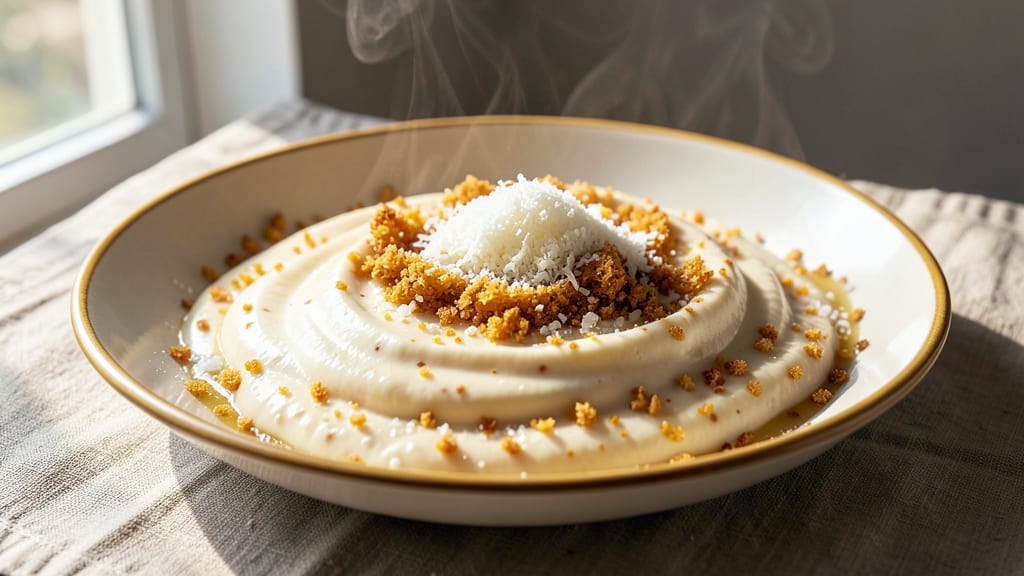
Alton Brown's cheese sauce recipe delivers that restaurant-quality velvety smoothness we all crave, with a crispy breadcrumb topping that takes it to the next level. The secret lies in a precise roux and emulsification technique that creates a sauce so rich it clings to every noodle, bite, or cracker.
I've tested countless variations, and this method consistently delivers professional results at home.
What sets this recipe apart is the balance of butter and milk, combined with a touch of cornstarch for that perfect thickness. The breadcrumbs aren't just for garnish—they toast to a golden perfection that adds texture and depth.
This sauce works as a mac and cheese base, dipping sauce, or even a fondue companion, proving its versatility.
The process is straightforward but requires attention to detail: melt the butter, whisk in the flour, then gradually add milk while stirring constantly. The sauce should coat the back of a spoon without being gluey. When you're ready to serve, sprinkle with toasted breadcrumbs for that satisfying crunch.
This cheese sauce keeps beautifully in the refrigerator for up to 5 days, making it perfect for meal prep. For an extra touch, stir in a bit of mustard or hot sauce for a flavor boost. The possibilities are endless—let's get started on creating this creamy masterpiece.
Ingredients for alton brown cheese sauce
The foundation of Alton Brown's legendary cheese sauce: rich butter, velvety milk, and perfectly balanced cheeses.
| Ingredient | Amount | Notes |
|---|---|---|
| Unsalted Butter 🧈 | ½ cup | Cold cut into small cubes for even melting |
| All-Purpose Flour 🌾 | ¼ cup | Sifted for smooth sauce texture |
| Whole Milk 🥛 | 2 cups | Whole milk for maximum creaminess |
| Cornstarch 🌾 | 1 tbsp | For that signature velvety finish |
| Sharp White Cheddar Cheese 🧀 | 2 cups | Shredded, aged for maximum flavor |
| Parmesan Cheese 🧀 | ½ cup | Freshly grated from block |
| Panko Breadcrumbs 🍞 | ¼ cup | Toasted until golden for texture |
| Kosher Salt 🧂 | ½ tsp | Diamond Crystal preferred |
| Freshly Ground Black Pepper 🌶️ | ¼ tsp | Cracked peppercorns preferred |
| Extra-Virgin Olive Oil 🫒 | 1 tbsp | For toasting breadcrumbs |
The butter and cheeses are where this sauce earns its restaurant-quality reputation. European-style unsalted butter (like Plugrá) melts more smoothly than American brands, creating that silky texture. For the cheeses, aged sharp white cheddar from specialty stores delivers the best tang—avoid pre-shredded, which contains anti-caking agents that prevent proper melting. Parmesan should be freshly grated; pre-grated clumps even when reheated. The milk? Whole milk is non-negotiable—reduced-fat versions won't give that luxurious mouthfeel. Most grocery stores carry the ingredients, but for the best cheeses, check the deli section or specialty shops like Whole Foods or Gourmet Garage.
No cornstarch? Arrowroot powder works 1:1, though the sauce may be slightly thinner. Running short on cheddar? Gruyère or Gouda in equal parts creates a similar depth. The flour must be all-purpose—not cake or bread flour—which can alter the sauce's delicate balance. For the breadcrumbs, panko is ideal, but regular breadcrumbs toasted with a bit of oil work too. The olive oil for toasting? Use fruity extra-virgin—the peppery notes complement the cheesy richness. Pro tip: If your sauce breaks (separates), whisk in 1 tsp cold water to re-emulsify it instantly.
This sauce keeps beautifully in the fridge for 5-6 days, though it's best within 3 days for maximum creaminess. For longer storage, freeze in airtight containers for up to 3 months. To reheat, warm gently over low heat, stirring frequently—never microwave, as it can create a skin. The toasted breadcrumbs stay crispy for about 24 hours when stored in an airtight container. For meal prep, make a double batch and portion into ramekins with breadcrumbs pre-sprinkled—just reheat and serve. The sauce also freezes wonderfully for impromptu mac and cheese nights.
Why You'll Love This Recipe
- Here’s what sold me: the cornstarch trick. It whisks together like a dream, and the sauce ends up silky smooth—not grainy, not lumpy. That’s the difference between "meh" and "oh, that’s good."
- I’ll be real: it’s budget-friendly. You’re using ingredients you already have, and the sharp cheddar makes it taste like you splurged. Plus, leftovers reheat like a dream—no separating, no sad texture. Just consistent, rich goodness.
Step-by-step instructions for alton brown's signature cheese sauce
Here's the method that delivers that legendary buttery, velvety texture with a perfect breadcrumb finish.
Toast the Panko Breadcrumbs
Heat the 1 tablespoon extra-virgin olive oil in a small skillet over medium heat. Add the ¼ cup panko breadcrumbs and toast for 2-3 minutes, stirring constantly, until they turn a rich golden brown and smell nutty. This toasting step is non-negotiable—it adds that essential crunch and depth of flavor that sets this sauce apart from basic cheese sauces.
Remove the toasted breadcrumbs from the skillet and set them aside on a small plate. Keep them warm while you prepare the sauce base, but don't let them cool completely. The residual heat will help them maintain their crispness when mixed in later. If you're concerned about them getting too cool, you can transfer them to a warm bowl for just a minute.
Create the Roux Base
In a 4-quart saucepan, melt the ½ cup unsalted butter over medium heat. Once the butter has completely melted and begins to foam, reduce the heat to medium-low and gradually whisk in the ¼ cup all-purpose flour. Continue whisking for 1-2 minutes until the mixture forms a smooth, pale roux with no visible flour streaks.
This roux is the foundation of your sauce—it needs to cook until it's fully developed but not browned. If it darkens, you'll get a bitter flavor. Watch closely as the roux thickens slightly and loses its raw flour taste. The moment it smells nutty and aromatic, you're ready for the next step. Keep the heat at medium-low throughout this process to prevent burning.
Gradually Add the Milk
Slowly pour in the 2 cups whole milk while whisking continuously to prevent lumps from forming. The mixture will thicken immediately as the milk incorporates into the roux. Once all the milk is added, increase the heat to medium and bring the sauce to a gentle simmer, stirring frequently to prevent sticking.
Let the sauce simmer for 3-4 minutes until it thickens enough to coat the back of a spoon. This is where patience pays off—the sauce needs time to develop its velvety texture. If it thickens too quickly, reduce the heat slightly. The goal is a smooth, creamy consistency that coats the spoon but isn't gluey. Taste the sauce at this point—it should be bland but rich, with no flour taste remaining.
Incorporate the Cheeses and Cornstarch
Reduce the heat to low and gradually sprinkle in the 2 cups sharp white cheddar cheese and ½ cup parmesan cheese, whisking constantly to melt the cheese completely. Once fully melted, whisk in the 1 tablespoon cornstarch and the ½ teaspoon kosher salt. Let the sauce simmer for another 2-3 minutes, stirring frequently, until it reaches your desired consistency—it should be thick enough to coat the back of a spoon but still smooth.
The cornstarch acts as a stabilizer here, giving the sauce that signature velvety finish. If the sauce is too thick, you can thin it slightly with a splash of warm milk. Conversely, if it's too thin, simmer it for another minute or two. This is also when you'll want to taste and adjust the seasoning—add the ¼ teaspoon freshly ground black pepper now if you haven't already.
Finish with Toasted Breadcrumbs
Remove the sauce from heat and stir in the toasted breadcrumbs until evenly distributed. The breadcrumbs should be dispersed throughout the sauce but still visible as little golden flecks. This final step adds that essential textural contrast that makes this cheese sauce truly special. For an extra touch of richness, you can melt in an additional 1-2 tablespoons of butter at this stage if desired.
Serve the cheese sauce immediately over your favorite pasta, baked potatoes, or as a dipping sauce for breadsticks. The sauce will continue to thicken slightly as it sits, so it's best enjoyed fresh. If you need to reheat leftovers, do so over low heat, stirring constantly to prevent scorching. This sauce keeps well in the refrigerator for up to 3 days, though it's always best when freshly made.
Pro Tips For Making Alton Brown Cheese Sauce
- Whisk Like Your Life Depends On It: The roux is where magic happens—or turns to glue. Cook the butter and flour on medium-high heat until it’s a deep golden brown (about 3-4 minutes), then immediately whisk in the milk. If you let it sit too long, you’ll end up with a sauce that’s more wallpaper paste than creamy perfection.
- Grate Cheese Like a Pro: Sharp white cheddar needs to melt smoothly, not clump like a science experiment. Use a box grater and pulse the cheese in a food processor first—this breaks down the fibers and prevents grainy bits. (Yes, even if you’re lazy and just want to shave it with a knife, do the prep work.)
- Temper the Milk: Cold milk dumped into hot roux = instant curdling. Warm the milk to about 100°F (just off-boil) before adding it to the butter-flour mix. This keeps the sauce silky instead of separating like a bad breakup.
- Stir Constantly (Seriously): The moment you walk away from the pot is the moment it seizes. After adding the milk, stir vigorously for 2-3 minutes until it thickens, then keep it moving at a simmer. I learned this the hard way—once, I got distracted by a text and came back to a lumpy disaster.
Wine and beer pairings for alton brown cheese sauce
Crisp White Wine
For this rich, buttery cheese sauce, I recommend a dry Riesling or Chardonnay from California's Napa Valley—think Kendall-Jackson Vintner's Reserve or Robert Mondavi To Kalon. The crisp acidity cuts through the sauce's richness, cleansing your palate between bites.
A Sauvignon Blanc from New Zealand, like Cloudy Bay, also works beautifully with its citrus notes complementing the cheddar's sharpness. 🍷
Light Lager Beer
A crisp pilsner like Heineken or Peroni balances the sauce's richness without overpowering it. The slight bitterness in the beer pairs wonderfully with the toasted breadcrumbs, creating a refreshing contrast. For a local option, try Miller Lite—its clean, light profile won't compete with the sauce's depth. 🍺
Spiced Red Wine
If you prefer red, opt for a light Pinot Noir with subtle spice notes, such as La Crema Sonoma Coast. The wine's earthy undertones enhance the parmesan's nutty flavor, while its acidity prevents the sauce from feeling too heavy.
Avoid bold reds like Cabernet Sauvignon—their tannins can clash with the dairy richness. 🍷
Non-Alcoholic Options
For a mocktail pairing, try a sparkling apple cider like Martinelli's—its effervescence and sweet-tart flavor mirror the sauce's creaminess. A ginger beer with a squeeze of lime also complements the cheese's tang, especially if you've added a hint of mustard to the sauce. 🍏
Regional Adaptations
In New England, where cheddar reigns supreme, pair with a crisp New Hampshire hard cider like Cider Boy. For Texas-style cheese sauces with extra kick, a Mexican lager like Modelo Especial bridges the gap between the sauce's richness and bold spices.
Always adjust based on your sauce's seasoning—spicier versions call for lighter beers or wines. 🌶️
Nutrition facts
Frequently asked questions
Why does this cheese sauce need cornstarch?
The 1 tablespoon cornstarch creates that signature velvety texture by stabilizing the emulsion between fat and liquid. Without it, the sauce can break or become grainy. It also helps prevent separation when reheating leftovers. For a gluten-free version, use arrowroot powder in equal amounts.
Can I make this sauce ahead of time?
This sauce keeps beautifully in the fridge for 5-6 days in an airtight container. For best results, reheat gently over low heat while stirring constantly—never microwave, as it can create a skin. The toasted breadcrumbs stay crispy for about 24 hours when stored separately.
What if my sauce gets too thick?
Simply whisk in 1 tablespoon warm milk at a time until you reach your desired consistency. If the sauce separates, whisk in 1 teaspoon cold water to re-emulsify it instantly. The key is patience—don't rush the simmering process, as this develops the velvety texture.
Can I use pre-shredded cheese?
Pre-shredded cheese contains anti-caking agents that prevent proper melting, so it's best to shred your own. For 2 cups sharp cheddar, use a box grater or food processor. The freshly grated cheese melts more smoothly and delivers better flavor. The same goes for parmesan—always grate it fresh from a block.
How can I make this sauce spicier?
Add ½ teaspoon smoked paprika or ¼ teaspoon cayenne pepper when incorporating the cheeses. For a smoky depth, stir in 1 teaspoon chipotle powder along with the cornstarch. If using fresh chiles, remove seeds and dice finely—add them at the end to maintain texture.