
Main Courses
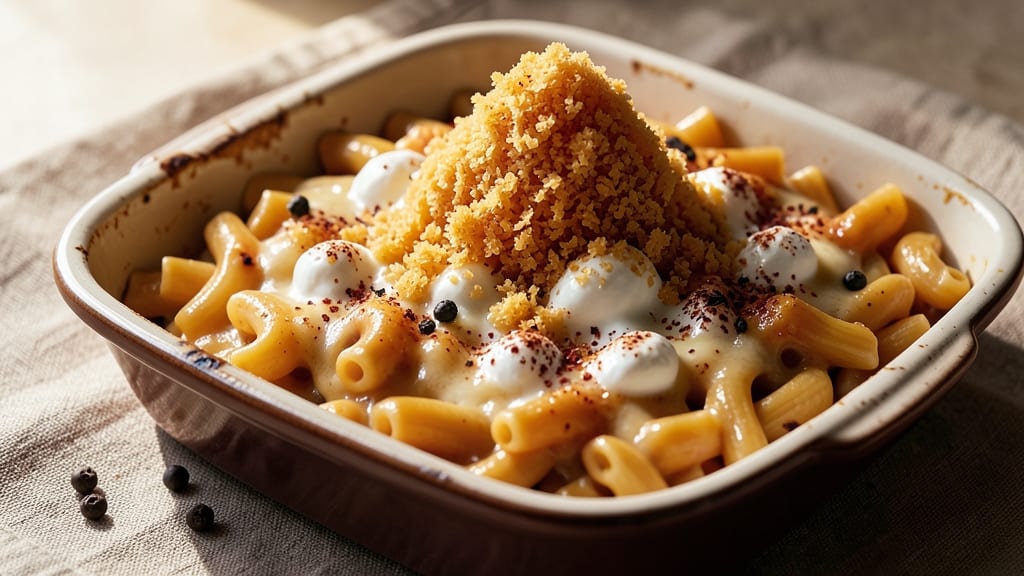
Aged cheddar transforms mac and cheese from comfort food to gourmet masterpiece—sharp, nutty depth that melts into a velvety sauce while maintaining just enough texture to satisfy.
The secret lies in balancing aged cheddar's bold flavor with cream cheese for richness, creating a sauce that clings to every noodle without breaking. This isn't your childhood mac; it's a restaurant-quality dish that delivers both indulgence and sophistication in one bowl.
What sets this recipe apart is the two-stage cheese melting technique—first melting the aged cheddar separately to develop its complex flavors, then combining it with cream cheese for that signature creamy texture. The result is a sauce that's impossibly smooth yet still carries that signature cheddar crunch in every bite.
With al dente pasta and optional crispy bacon or buttery breadcrumbs, this becomes a complete meal that feels special enough for company but simple enough for weeknights.
By the time you twirl that first forkful, you'll understand why aged cheddar changes the game—it's not just about the cheese, but how it transforms the entire dish. The sharpness cuts through the richness, while the sauce maintains that perfect balance between creamy and slightly tangy.
This is mac and cheese that proves comfort food can be elegant without sacrificing soul.
Perfect for feeding a crowd or treating yourself to a luxurious dinner, this recipe scales beautifully while maintaining that perfect texture and flavor balance. The instructions walk you through every step to ensure foolproof results, from proper cheese melting to achieving that signature crispy edge on the breadcrumbs.
Let's get cooking!
Ingredients for aged cheddar mac and cheese
Sharp cheddar meets velvety sauce—these ingredients transform mac and cheese into a gourmet masterpiece.
| Ingredient | Amount | Notes |
|---|---|---|
| Aged Cheddar Cheese 🧀 | 2 cups | Sharp, 2+ year aged, block preferred |
| Cream Cheese 🧀 | 8 oz | Full-fat for ultimate creaminess |
| Elbow Macaroni 🍝 | 1 ½ lbs | Al dente pasta preferred |
| Butter 🧈 | ½ cup | Unsalted, cut into pieces |
| Heavy Cream 🥛 | ½ cup | Full-fat for rich texture |
| Whole Milk 🥛 | ¼ cup | Warmed for smooth sauce |
| Garlic Cloves 🧄 | 4 cloves | Minced for aromatic depth |
| Salt 🧂 | 1 ½ tsp | Diamond Crystal preferred |
| Black Pepper 🌶️ | ½ tsp | Freshly ground for heat |
| Dijon Mustard 🍯 | 1 tbsp | For subtle tang |
| Panko Breadcrumbs 🍞 | ½ cup | For crispy topping |
| Bacon 🥓 | 6 oz | Crispy, chopped (optional) |
The aged cheddar is non-negotiable here—look for 2+ year aged blocks at specialty cheese shops like Whole Foods or Murray's Cheese for that signature sharpness. Sharp Cheddar from Cabot works in a pinch, but nothing beats the complexity of a good English or Irish aged cheddar. The cream cheese? Philadelphia brand is your best bet—it melts smoothly without graininess. For the pasta, De Cecco or Bartolini brands cook up perfectly al dente every time. The butter should be cold when you start melting it—this prevents the sauce from breaking. Pro tip: Toast your garlic in the butter for 30 seconds before adding milk to deepen its flavor without burning.
No aged cheddar? Pepper Jack adds heat while Gruyère brings nutty depth—though neither quite matches that signature tang. Cream cheese substitute? Mix 8 oz mashed avocado with 1 tbsp lemon juice for a dairy-free version (though texture will differ). Out of panko? Crushed potato chips or toasted breadcrumbs work for crispy topping. The bacon can be swapped for crispy fried shallots or toasted pecans if you're keeping it vegetarian. Mustard too strong? Reduce to 1 tsp or use Dijon-style yellow mustard for milder flavor. For extra richness, add 2 oz melted white cheddar at the end—it balances the sharpness beautifully.
This sauce gets better the next day—the flavors meld into that perfect harmony. Store leftovers in an airtight container for up to 4 days in the fridge, or freeze for 3 months (though texture may change slightly). Make ahead tip: Cook the pasta, melt the cheeses separately, then reheat everything together—no clumping! For serving, broil the breadcrumb topping for 2-3 minutes at the end for maximum crispiness. Double the recipe? It scales perfectly for crowds—just use a large stockpot and extra cheese for that restaurant-quality feel.
Why You'll Love This Recipe
- No Cheese Left Behind: That aged cheddar doesn’t just melt—it transforms. The sharp, nutty depth of the cheese cuts through the creaminess like a perfect balance, and the cream cheese adds that velvety richness without overpowering. (Yes, even my picky teenage nephew finishes his plate.)
- One-Pot Magic: Boil the pasta, drain it right into the pot, then stir in the butter and cheeses—no extra bowls, no fuss. The heavy cream finishes it all in under 20 minutes, and honestly? That’s my kind of dinner after a long day.
- Leftovers That Don’t Suck: This mac reheats like a dream—just add a splash of milk to loosen it up, and it’s just as good the next day. Between us, I’ve eaten it cold straight from the fridge (don’t judge), and it’s still the best mac I’ve ever made.
- Budget-Friendly Luxury: Aged cheddar might sound fancy, but a block lasts forever, and you’re using it up instead of letting it sit in the fridge. Plus, elbow mac and heavy cream are cheap staples that make this feel like a restaurant dish without the price tag. (My wallet thanks me.)
Step-by-step instructions for aged cheddar mac and cheese
Here's how to create a decadent mac and cheese with sharp, aged cheddar and a velvety sauce that'll have everyone begging for seconds.
Cook the Pasta Al Dente
Bring a large pot of water to a rolling boil and add 1.5 lbs elbow macaroni. Stir immediately to prevent sticking. Cook until the pasta is 1 minute shy of the package directions for al dente—this ensures it finishes cooking perfectly in the cheese sauce. Reserve 1 cup of pasta water before draining, as it contains starch essential for sauce emulsification.
I always taste a piece of pasta at this stage to confirm it's firm but tender. Overcooked pasta becomes mushy when mixed with cheese, while slightly undercooked pasta absorbs the rich sauce beautifully. Drain the pasta and return it to the pot, leaving it off the heat for now.
Create the Ultimate Cheese Sauce
In a large skillet over medium heat, melt the ½ cup butter until it foams. Add the 4 minced garlic cloves and sauté for 30 seconds until fragrant—this prevents the garlic from burning while infusing the sauce with aromatic depth.
Reduce heat to low and stir in the 8 oz cream cheese and 2 cups aged cheddar cheese, breaking the cheddar into small chunks for even melting. Let the mixture cook for 2-3 minutes, stirring constantly until the cheeses are completely melted and smooth. Here's where the magic happens: the cream cheese adds luxurious creaminess while the aged cheddar delivers that sharp, complex flavor we're after.
Build the Rich, Creamy Sauce
Pour in the ½ cup heavy cream and ¼ cup warmed whole milk, stirring vigorously to combine. The sauce should begin to thicken as it simmers gently. If it becomes too thick, add 2-3 tablespoons of the reserved pasta water to achieve a silky, pourable consistency.
Remove the skillet from heat and stir in the 1 tablespoon Dijon mustard, 1.5 teaspoons salt, and ½ teaspoon black pepper. The mustard adds a subtle tang that balances the richness, while the salt and pepper enhance all the flavors. Here's the thing—this sauce needs to be flavorful right now because it'll mellow slightly when mixed with the pasta.
Combine and Create the Perfect Texture
Return the pot of pasta to the stove and add the cheese sauce, stirring vigorously to coat every strand. The residual heat will help the sauce cling to the pasta perfectly. For an extra touch, fold in the 6 oz chopped bacon (if using) to add smoky depth and texture contrast.
Taste and adjust seasoning if needed—this is your final chance to ensure perfect balance. The sauce should coat the back of a spoon and cling beautifully to the pasta. If it's too thick, add more reserved pasta water 1 tablespoon at a time until you reach that ideal velvety consistency.
Create the Crispy Topping and Serve
Transfer the mac and cheese to a greased 9x13-inch baking dish. In a small bowl, mix the ½ cup panko breadcrumbs with 1 tablespoon melted butter until evenly distributed. Sprinkle this mixture evenly over the top of the mac and cheese, pressing down gently to ensure good contact.
Bake at 375°F for 15-20 minutes until the topping is deep golden brown and the edges are bubbling. The contrast between the crispy topping and creamy cheese is what makes this dish truly extraordinary. Let it rest for 5 minutes before serving—this allows the sauce to set slightly and makes it easier to scoop.
Pro Tips For Making Aged Cheddar Mac And Cheese
- Grate Cheese Like a Pro: Use a box grater—not a food processor—for aged cheddar. The processor turns it into clumps that won’t melt smoothly, and you’ll end up with a sauce that’s more like cheese glue. A fine grate gives you even, meltable shards every time.
- Salt the Pasta Water Hard: Toss in 2 tablespoons of salt before adding the pasta—yes, even if your water tastes like the ocean. Aged cheddar is salty enough that you’ll need that base flavor to balance it. I learned this the hard way after making a batch that tasted like plain cheese.
- Low and Slow for Cream Cheese: Whisk the cream cheese into the warm (not boiling) heavy cream first—otherwise, it’ll seize up like a stubborn child. Start with a splash of cold milk if it looks grainy, then heat the whole mix on low until just melted. No one wants lumpy mac.
- Toast the Pasta Right: Cook the elbows al dente (about 1 minute less than package time), drain, and toss them in a cold water bath for 30 seconds to stop cooking. Then, dry them thoroughly with a towel—wet pasta turns mushy when mixed with the cheese sauce. Trust me, this is the thing that matters most.
Pro cooking tips for aged cheddar mac and cheese
Cheese Melting Mastery
The secret to perfect aged cheddar mac and cheese lies in melting the cheeses separately. Start by melting the cream cheese and ½ cup butter together over low heat until completely smooth.
Then, remove from heat and stir in the 2 cups aged cheddar in small chunks—this prevents scorching while allowing the sharp cheddar to develop its complex flavors without breaking the sauce.
I've found that using a double boiler or heatproof bowl over simmering water gives even gentler melting for delicate cheeses. 🧀
Pasta Water Power
Never drain all that starchy pasta water! Reserve 1 cup before draining, as it contains the starch needed to emulsify your sauce. When combining the sauce with pasta, add this water 1 tablespoon at a time until you reach that perfect velvety consistency.
I once forgot this step and ended up with a dry, grainy mess—now I always keep this water handy. The starch acts like a glue, binding the fat and cheese together for that signature creamy texture.
Two-Stage Seasoning
Season your mac and cheese in two stages for maximum flavor impact. First, season the sauce before combining with pasta using 1.5 tsp salt and ½ tsp black pepper.
Then, after mixing everything together, taste and adjust—this is your final chance to balance the sharpness of the aged cheddar with the creamy base. I like to add a pinch of smoked paprika here for depth, but keep it subtle so the cheddar remains the star.
The sauce should be flavorful right away because it mellows slightly when mixed with pasta.
Bacon Timing Trick
If using bacon, cook it separately until crispy and chop it finely. Fold it into the mac and cheese only in the final minute of stirring—this prevents the bacon from becoming soggy while adding that perfect smoky contrast to the creamy sauce.
For extra crispiness, I like to broil the bacon for 2-3 minutes at the end. Pro tip: Save the bacon fat! Use it instead of some butter in the sauce for even more flavor. 🥓
Crispy Topping Secrets
The breadcrumb topping makes all the difference. Mix ½ cup panko with 1 tbsp melted butter and spread it evenly over the baked mac and cheese. For extra crispiness, press down gently with a fork before baking.
I've found that baking at 375°F for 15-20 minutes gives the perfect golden-brown finish. For a smoky twist, add ½ tsp garlic powder to the breadcrumb mix before topping. Let the mac rest for 5 minutes after baking—this helps the sauce set slightly and makes it easier to scoop.
Sauce Salvation
If your sauce ever breaks or becomes too thick, don't panic! Remove from heat immediately and whisk in 1-2 tbsp reserved pasta water until smooth. For extra insurance, I like to keep a small bowl of warm milk nearby—just a splash can rescue a broken sauce.
The key is to work quickly and keep stirring vigorously. This technique works like magic for restoring that silky texture, even if you've overcooked the cheese slightly. The secret is patience and gentle heat—never let the sauce boil once the cheeses are added. ✨
Nutrition facts
Frequently asked questions
Why does aged cheddar make such a difference in mac and cheese?
Aged cheddar adds depth with its sharp, nutty complexity that regular cheddar lacks. The 2+ year aging process develops crystalline textures and bold flavors that melt into the sauce while keeping just enough bite. This creates that signature balance between creamy richness and tangy sharpness that elevates mac and cheese from basic to gourmet.
Can I make this recipe without cream cheese?
Yes, but the texture will be different. Replace the 8 oz cream cheese with ½ cup sour cream plus ½ cup milk for tanginess, or use ½ cup mashed avocado for a dairy-free option. The sauce will be slightly lighter but still flavorful. For extra richness, add 1 tbsp cornstarch to the butter mixture to help thicken the sauce properly.
How do I fix a broken cheese sauce?
Remove from heat immediately and whisk in 1-2 tbsp reserved pasta water until smooth. If that doesn't work, add 1 tbsp cold milk while stirring vigorously. The key is to work quickly and keep the heat low—never let the sauce boil once the cheeses are added. This technique restores that velvety texture every time!
What's the best way to reheat leftovers?
For best results, reheat in a 350°F oven for 15-20 minutes covered with foil, then broil for 2-3 minutes to crisp the topping. Microwave reheating works in a pinch (stirring halfway through), but oven reheating preserves the texture better. Leftovers actually taste better the next day as flavors meld!
Can I use this recipe for a vegetarian version?
Skip the bacon and use crispy roasted mushrooms or toasted pecans for texture. For extra umami, add 1 tbsp nutritional yeast to the sauce. The aged cheddar's sharpness works perfectly with vegetarian toppings while keeping that rich, cheesy character.