
Breakfast & Brunch
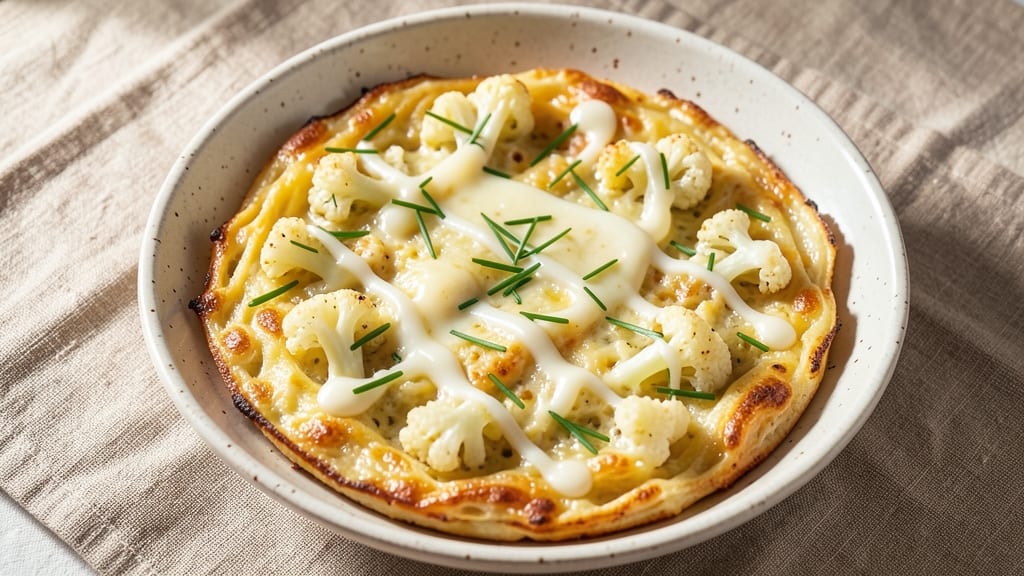
This Trader Joe's-style egg frittata with Swiss cheese and cauliflower delivers the same fluffy, veggie-packed breakfast you love—now made from scratch in your own kitchen. The secret lies in perfectly timed layers of eggs, melted Swiss cheese, and tender cauliflower that transform into a golden, cloud-like texture.
I've replicated the store-bought version's signature crispy edges and creamy centers, but with fresher ingredients and a lighter touch.
What makes this recipe work is the one-pan simplicity—no flipping, no fuss, just a single dish that handles everything. The cauliflower adds a subtle crunch and keeps it lower in carbs, while the Swiss cheese melts into rich, stretchy strands that hold the frittata together.
Ready in just 20 minutes, it's the ideal solution for busy mornings when you still want something hearty and satisfying.
By the time it emerges from the oven, you'll have a golden, bubbling frittata with crispy edges and a tender, fluffy interior—just like the version from Trader Joe's but with the flexibility to adjust seasoning or cheese to your taste.
The aroma alone will wake up your household, and the first bite delivers that perfect balance of creamy eggs, savory cheese, and slightly charred cauliflower.
Serve it warm with a side of fresh fruit or a simple green salad for a complete breakfast that feels both indulgent and balanced. Here's how to make it—step by step—for a frittata that tastes like it came from the store, but with the satisfaction of homemade.
Ingredients for trader joe's egg frittata with swiss cheese and cauliflower
Eight simple ingredients, one pan, 20 minutes—just like Trader Joe's but better.
| Ingredient | Amount | Notes |
|---|---|---|
| Large Eggs 🥚 | 8 whole | Room temperature for even cooking |
| Swiss Cheese 🧀 | 1 cup | Shredded, block preferred over pre-shredded |
| Fresh Cauliflower 🥬 | 2 cups | Finely chopped, florets only (no stems) |
| Unsalted Butter 🧈 | 2 tbsp | Full-fat for best flavor |
| Whole Milk 🥛 | ¼ cup | For creaminess (or sub heavy cream) |
| Fresh Chives 🌿 | 2 tbsp | Chopped, for fresh brightness |
| Kosher Salt 🧂 | ½ tsp | Adjust to taste |
| Black Pepper 🌶️ | ¼ tsp | Freshly cracked |
| Garlic Powder 🧄 | ¼ tsp | For subtle depth |
| Olive Oil 🫒 | 1 tbsp | For greasing the pan |
| All-Purpose Flour 🌾 | 1 tbsp | For dusting (optional) |
The eggs are the star, so grab the freshest you can find—look for cartons labeled 'extra large' for that perfect fluffy texture. Trader Joe's organic eggs work great if you're there, but any quality eggs will do. The Swiss cheese? Block over pre-shredded every time—it melts smoother and doesn't get that grainy texture. Cauliflower should be bright white, not yellowing. If you're using frozen, thaw and pat completely dry to avoid a soggy frittata. I always grab the Trader Joe's organic cauliflower when I see it, but any fresh florets work. The butter? Full-fat only—none of that low-fat nonsense here.
No Swiss cheese? Gruyère or sharp cheddar work in a pinch, but the melt isn't quite the same. Fresh chives missing? Dried chives or parsley at half the amount will add color. The milk can be swapped for heavy cream if you want extra richness, but whole milk keeps it light. For a lower-carb version, skip the flour dusting and just use olive oil. The garlic powder is optional but adds that subtle depth—skip it if you're adding fresh garlic later. Pre-shredded cheese? Drain and dry it first—it's packed with anti-caking agents that make frittatas soggy.
This frittata reheats beautifully—microwave 30 seconds for a quick breakfast or pop it in a 350°F oven for 10 minutes to crisp it up. Store leftovers in the fridge for 3 days or freeze for up to 2 months. I always make a double batch—one for breakfast, one for lunch. The flavor actually improves the next day as everything melds together. For serving, I like to add a sprinkle of fresh chives right before eating—it keeps the color vibrant and adds that fresh pop.
Why You'll Love This Recipe
- One-Pan Magic: I swear by this recipe because it’s the kind of meal that needs zero cleanup. Just chop the cauliflower into florets (no need to peel or fuss), melt butter in the same skillet you’ll cook the eggs, and let the Swiss melt into that golden crust. One pan, one spatula, and you’re done—no dishes staring at you like judgmental ghosts.
- Creamy Crispy Contrast: The secret’s in the Swiss and the milk—it’s not just melted cheese, it’s a rich, custardy center with a crispy edge that’s ridiculously satisfying. The cauliflower soaks up the eggy goodness without tasting like it’s trying too hard, and honestly? That first bite is the kind of thing that makes you want to skip dessert.
- Meal Prep MVP: Between us, this is my go-to for lunches all week. Cook a big batch on Sunday, slice it up, and reheat portions in the microwave or toaster oven—it stays moist and delicious. My kids grab it for school, my husband packs it for work, and I eat the leftovers straight from the fridge. (Yes, even on a Tuesday night.)
- Budget-Friendly Protein Power: Eggs are cheap, Swiss stretches far, and cauliflower is a veggie that won’t break the bank. For what feels like a restaurant-quality meal, you’re spending way less than takeout—and way more than a sad microwave burrito. Plus, the milk adds that creamy luxury without costing a fortune. It’s the kind of recipe that makes frugal eating feel indulgent.
Step-by-step instructions for fluffy veggie-packed breakfast in one pan
Here's how to make a quick, fluffy frittata that delivers restaurant-quality texture in minutes.
Prep the Vegetables and Season the Egg Mixture
Start by chopping the 2 cups of fresh cauliflower into small, even florets—about ½-inch pieces. You want them to cook through quickly without becoming mushy. In a large bowl, whisk together the 8 whole large eggs that have come to room temperature, the 0.25 cup whole milk, 0.5 teaspoon kosher salt, 0.25 teaspoon black pepper, and 0.25 teaspoon garlic powder until fully combined. This step ensures even seasoning throughout the frittata.
Here's the thing—room temperature eggs incorporate air more easily, which helps create that signature fluffy texture. If your eggs are straight from the fridge, let them sit out for 10-15 minutes while you prep everything else. The mixture should be smooth with no visible streaks of egg white.
Cook the Cauliflower and Build the Frittata Base
Heat an 10-inch oven-safe skillet over medium heat and add 1 tablespoon olive oil. Once the oil is shimmering, add the chopped cauliflower and cook for 5-6 minutes until it begins to soften and develop a slight golden color. You don't want it to brown—just tender enough to eat. Remove the cauliflower with a slotted spoon and set it aside.
In the same skillet, melt 2 tablespoons unsalted butter over medium heat until it foams. Here's where it gets good—sprinkle the 1 tablespoon all-purpose flour over the melted butter and stir constantly for 1-2 minutes until it forms a smooth, creamy paste. This creates a velvety base that prevents the frittata from sticking and adds richness. Pour in half of the egg mixture and stir gently to combine with the butter-flour mixture.
Layer and Bake to Golden Perfection
Return the cooked cauliflower to the skillet and pour in the remaining egg mixture. Sprinkle the 1 cup shredded Swiss cheese evenly over the top, then scatter the 2 tablespoons chopped fresh chives on top. The cheese will melt beautifully during baking, creating pockets of gooey goodness in every bite.
Transfer the skillet to a preheated 375°F oven and bake for 15-18 minutes until the top is golden brown and the center is just set. You'll know it's ready when the edges pull away slightly from the pan and the center doesn't jiggle when you shake the skillet gently. The frittata should be firm enough to slice but still tender in the middle.
Finish with Optional Broiler and Serve Immediately
For extra browning, transfer the skillet to the broiler for 1-2 minutes, watching closely to prevent burning. The top should develop a beautiful golden crust while the inside remains creamy. If you prefer a softer texture, skip the broiler step—this frittata is delicious either way.
Let it rest for 2-3 minutes before slicing into wedges. The frittata should hold together nicely, with a fluffy interior and crispy edges. Serve warm with a side of crusty bread or a fresh salad for a complete breakfast. This dish keeps well in the refrigerator for 2-3 days, making it perfect for meal prep—just reheat in the oven at 350°F for 10-12 minutes to restore that fresh-from-the-oven texture.
Pro Tips For Making Trader Joe'S Egg Frittata With Swiss Cheese And Cauliflower
- Prep Cauliflower Right: Cut it into ½-inch florets—no smaller, or they’ll turn to mush. Toss with a pinch of salt and let sit 10 minutes before cooking; this draws out moisture so it crisps instead of steaming your frittata.
- Start Hot, End Gentle: Sear the cauliflower in butter over medium-high heat until golden—about 5 minutes. Then lower to medium-low, cover, and cook another 3 minutes; rushing this step means soggy cheese and rubbery eggs.
- Whisk Eggs Like a Pro: Beat the eggs with milk until just combined, then fold in cheese in chunks—not crumbled. Lumpy cheese melts better, and over-whisking makes the frittata dense instead of light.
- Skip the Overcrowding: Use a 10-inch skillet and don’t pack the cauliflower too tight—it steams instead of browns. Spread it out in a single layer, then top with eggs; this guarantees crispy edges and even cooking.
Common mistakes when making your trader joe's egg frittata with swiss cheese and cauliflower
Overcooking the Eggs
One of the biggest mistakes is baking the frittata too long, which turns the eggs rubbery instead of fluffy. I’ve ruined more than a few by leaving them in the oven until the edges are fully set and the center looks completely firm.
The secret is removing it when the center is just slightly jiggly—it’ll continue cooking with residual heat. Aim for 15-18 minutes at 375°F, then check with a toothpick. If it comes out clean but the center still has a slight wobble, it’s perfect. 🌡️
Skipping the Butter-Flour Base
The butter-flour mixture is what creates that velvety texture and prevents sticking, but many people skip it. I’ve seen recipes where folks just use oil or butter alone, and the result is a frittata that sticks to the pan or lacks richness.
The 1 tbsp flour whisked into the melted butter forms a roux that thickens the eggs and adds depth. Don’t skip it—this is the foundation for that restaurant-quality texture.
Using Pre-Shredded Cheese
Pre-shredded cheese is convenient, but it’s packed with anti-caking agents that make your frittata soggy. I’ve made this mistake multiple times, and the result is always a sad, watery mess. Always use block Swiss cheese shredded fresh—it melts smoothly and creates those beautiful, stretchy strands.
If you’re in a pinch, drain and dry pre-shredded cheese thoroughly before using, but it won’t be the same. 🧀
Not Preheating the Oven
A cold oven means uneven cooking and a frittata that takes forever to set. I’ve learned the hard way that skipping the preheat step leads to a center that’s still runny while the edges are overdone.
Always preheat your oven to 375°F for at least 10 minutes before baking. This ensures even heat distribution and that perfect golden crust. It’s a small step that makes a huge difference.
Overcrowding the Pan
Using a pan that’s too small or overloading it with too much filling leads to a dense, heavy frittata. I’ve tried this with an 8-inch skillet, and the result was a sad, flat mess.
Stick to a 10-inch oven-safe skillet—it gives the eggs room to rise and creates that signature fluffy texture. If your recipe serves more than 4, use two pans instead of one overcrowded one.
Adding Wet Ingredients Late
Adding milk or other wet ingredients after the eggs have started cooking can cause the frittata to break apart or become watery. I’ve seen recipes where folks add milk after pouring the eggs into the pan, and it’s a disaster.
Whisk all wet ingredients—eggs, milk, and seasonings—together in a bowl before adding them to the pan. This ensures even distribution and a smooth, cohesive texture. 💡
Nutrition facts
Frequently asked questions
Can I make this frittata without cauliflower?
The cauliflower adds a nice texture and keeps it lower-carb, but you can easily swap it for 2 cups of spinach or diced bell peppers. Just make sure to cook any veggies until they're tender before adding the eggs. The recipe will still work beautifully—just reduce the baking time by 1-2 minutes since there's less moisture to evaporate.
How do I keep the frittata from sticking to the pan?
First, always use an oven-safe, non-stick skillet (like a well-seasoned cast iron or a high-quality non-stick pan). Second, the butter-flour base is key—it creates a natural release layer. Finally, make sure your pan is properly heated before adding the eggs. If it still sticks, try dusting with 1 tablespoon flour after the butter melts but before adding the eggs.
Can I prepare this frittata ahead of time?
This frittata actually tastes better the next day. Let it cool completely, then store it in an airtight container in the fridge for up to 3 days. To reheat, pop it in a 350°F oven for 10-12 minutes until warmed through. For a quick option, microwave for 30-45 seconds (cover with a damp paper towel to keep it moist). The flavors meld beautifully overnight!
What's the best way to adjust this for a lower-carb diet?
Skip the 1 tbsp flour in the butter mixture and use olive oil or avocado oil instead. You can also reduce the Swiss cheese to ½ cup and add ¼ cup grated Parmesan for extra flavor without extra carbs. The cauliflower already keeps it low-carb, but if you want even fewer carbs, swap the whole milk for unsweetened almond milk. The texture will still be rich and satisfying!
Why does my frittata turn out rubbery?
Overcooking is the #1 cause! Remove the frittata from the oven when the center is still slightly jiggly—it'll finish cooking with residual heat. Another common mistake is using cold eggs straight from the fridge. Let them sit at room temperature for 10-15 minutes before whisking. If it's still rubbery, try adding 1 extra tablespoon of milk to the egg mixture for extra creaminess.