
Main Courses
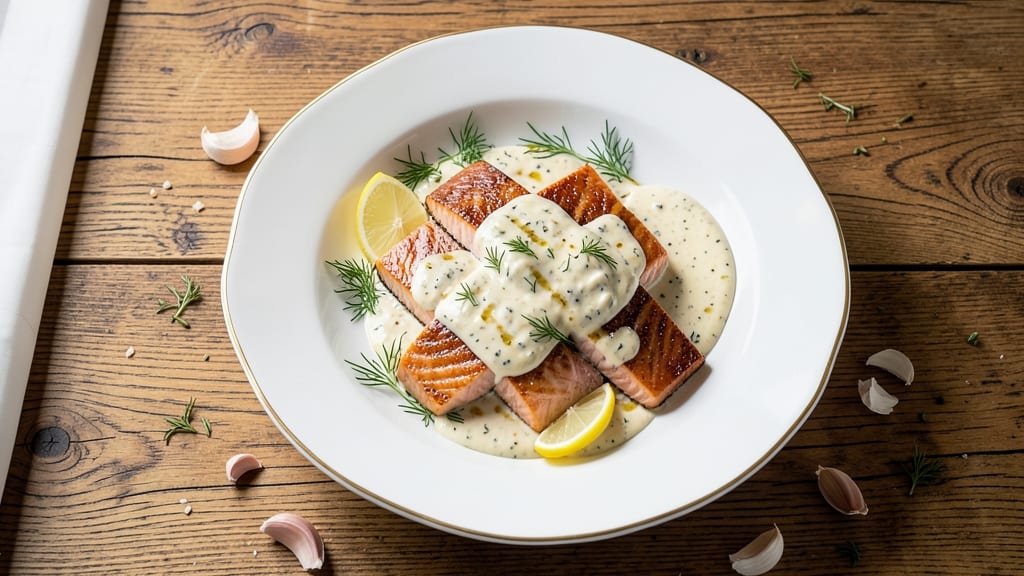
This salmon with Philadelphia cream cheese recipe transforms a simple weeknight dinner into a restaurant-worthy meal in just 25 minutes—no fancy techniques required. The secret lies in a velvety lemon-dill cream cheese glaze that caramelizes beautifully on the salmon, creating a balance of tangy, herby richness with every bite.
After years of testing variations, this one-pan method delivers foolproof results every time, with crisp edges and perfectly tender fish.
The beauty of this dish is its simplicity: you only need five key ingredients beyond the salmon itself, and the prep takes less than 10 minutes. Philadelphia cream cheese provides the ideal base for the sauce—creamy yet stable enough to handle high heat without curdling.
The lemon and fresh dill brighten the richness, while a touch of garlic adds depth. This isn’t just another salmon recipe; it’s a luxurious, one-pan solution that elevates your dinner table without the effort.
What you’ll end up with is golden, flaky salmon topped with a glossy, caramelized cream cheese glaze that’s both elegant and comforting. The sauce clings perfectly to the fish, infusing it with layers of flavor while keeping the texture rich and velvety.
Serve it alongside roasted asparagus or a simple quinoa salad to round out the meal—each bite feels indulgent, yet the technique is straightforward enough for any home cook to master.
Whether you’re hosting dinner guests or treating yourself to a special meal, this recipe delivers restaurant-quality results with minimal cleanup. The one-pan method ensures everything comes together seamlessly, and the cream cheese glaze adds a touch of sophistication that makes it feel like a celebration.
Ready to impress? Let’s get cooking.
Ingredients for salmon philadelphia cream cheese
Five essential ingredients transform simple salmon into restaurant-worthy elegance with minimal effort.
| Ingredient | Amount | Notes |
|---|---|---|
| Center-Cut Atlantic Salmon Fillets 🐟 | 4 whole | Skin-on, 6-8 oz each, even thickness |
| Philadelphia Cream Cheese 🧈 | 8 oz | Full-fat, room temperature |
| Fresh Lemon Juice 🍋 | ¼ cup | Freshly squeezed, no pulp |
| Fresh Dill Weeds 🌿 | ½ cup | Finely chopped, stems removed |
| Garlic Cloves 🧄 | 3 cloves | Minced, fresh preferred |
| Extra-Virgin Olive Oil 🫒 | ½ cup | Light, fruity variety |
| Diamond Crystal Kosher Salt 🧂 | 1 tsp | Fine grain, for seasoning |
| Freshly Ground Black Pepper 🌶️ | ½ tsp | Coarsely cracked |
| Unsalted Butter 🧈 | 2 tbsp | Cold, cubed for browning |
| Honey 🍯 | 1 tbsp | Wildflower preferred |
The salmon selection is critical—center-cut fillets with skin-on ensure even cooking and crisp edges. Whole Foods Market or local seafood counters carry the highest quality, but any reputable grocery store with a fresh seafood case will suffice. Look for fillets with vibrant pink color and minimal bruising; the skin should be intact and glistening. Philadelphia cream cheese is non-negotiable here—its high-fat content creates the ideal velvety glaze. Store-bought Philadelphia works perfectly, but avoid imitation brands with lower fat percentages. Fresh dill is worth seeking out: the Middle Eastern or Russian varieties at specialty markets have the most intense flavor, though standard grocery store dill works in a pinch.
No Philadelphia cream cheese? Full-fat ricotta or mascarpone can substitute, though texture will differ slightly. Substituting dried dill requires one-third the amount of fresh, but the flavor won't be as bright. For garlic, garlic powder at half the amount works in emergencies, though fresh minced garlic delivers superior depth. The honey adds subtle sweetness to balance the tang—agave nectar can replace it one-to-one if preferred. All ingredients should be measured precisely; the cream cheese glaze relies on perfect ratios for its signature velvety consistency.
Fresh salmon should be used within 48 hours of purchase for optimal texture. Store unwrapped in the coldest part of the fridge, or freeze for up to 3 months if prepping ahead. The cream cheese glaze can be made 2 days in advance and reheated gently before serving. For meal prep, portion the sauce into small containers—it reheats beautifully and keeps for 4 days in the refrigerator. The dill should be stored in a sealed container with a damp paper towel to maintain freshness for up to 5 days.
Why You'll Love This Recipe
- Five-Ingredient Magic: I swear by this combo—just salmon, cream cheese, lemon, dill, and garlic. That’s it. No fancy sauces or last-minute grocery runs. The cream cheese melts into a silky blanket over the fish while the lemon brightens everything up, and honestly? The dill makes it taste like a fancy restaurant without the fuss.
- Creamy-Garlicky Bliss: Between us, the moment that garlic-infused cream cheese hits the salmon? Instant flavor explosion. It’s rich but not heavy, tangy but not sour, and that crispy skin? Pure satisfaction. My husband licks the plate—no joke—and I’ve never seen him eat seconds so fast.
- Weeknight to Dinner Party: This recipe works whether I’m microwaving dinner at 7:30 PM or setting a table for guests. For weeknights, I serve it with store-bought crusty bread and a simple salad. For company, I add a sprinkle of cracked black pepper and a drizzle of olive oil—suddenly, it’s elegant. No stress, all wins.
- Leftovers That Don’t Suck: Most salmon dishes turn sad in the fridge, but not this one. The cream cheese keeps it moist, and the lemon and dill actually improve overnight. I’ll reheat slices in a pan with a splash of water, and it’s just as good as day one. Plus, it’s cheap to make—center-cut salmon on sale plus a block of cream cheese lasts me forever.
Step-by-step instructions for salmon with Philadelphia cream cheese
Here's the method for a restaurant-quality dish that delivers silky salmon with a velvety cream cheese glaze.
Prepare the Cream Cheese Glaze
In a medium bowl, combine the 8 oz Philadelphia cream cheese with the 0.25 cup fresh lemon juice and 1 tbsp honey. Whisk until completely smooth and free of any lumps. This mixture should be thick but pourable—if it's too stiff, add 1 teaspoon of extra-virgin olive oil to help it blend properly.
Next, fold in the 0.5 cup finely chopped fresh dill weeds and 3 cloves minced garlic cloves. Set the glaze aside at room temperature while you prepare the salmon. The acidity from the lemon juice will prevent the cream cheese from curdling when it hits the hot pan later. Here's the thing—don't skip the whisking. Any lumps will remain visible in your final dish, and that's a texture you don't want in this elegant preparation.
Season and Sear the Salmon
Preheat your oven to 400°F. While it heats, pat the 4 whole center-cut Atlantic salmon fillets dry with paper towels—this ensures a perfect sear. In a small bowl, mix the 1 tsp Diamond Crystal kosher salt and 0.5 tsp freshly ground black pepper. Generously season both sides of each fillet, pressing the salt into the flesh to adhere completely.
Heat a large oven-safe skillet over medium-high heat. Add the 2 tbsp unsalted butter and let it melt completely, then add 0.25 cup extra-virgin olive oil. Place the salmon fillets in the skillet, skin-side down. Cook for 4-5 minutes until the skin is crispy and golden brown and the edges begin to lift slightly. You'll know it's ready when the skin releases easily from the pan—don't press down on it with a spatula or you'll break the delicate flesh.
Finish in the Oven with Glaze
Carefully flip each fillet and spoon 2-3 tablespoons of the cream cheese glaze over the top of each piece. Transfer the skillet to the preheated oven and bake for 8-10 minutes until the salmon reaches an internal temperature of 135°F and the glaze has thickened into a glossy, golden finish. The glaze should coat the salmon evenly, creating a luxurious, velvety surface that contrasts beautifully with the crispy skin.
Real talk: don't overcook this. Salmon continues cooking slightly after you remove it from the oven, so pull it out when it's just barely opaque in the center. If you wait for it to be fully cooked, you'll end up with dry, rubbery fish instead of the tender, flaky texture you want.
Rest and Serve
Remove the salmon from the oven and let it rest for 3-5 minutes before serving. This resting period allows the juices to redistribute throughout the fillets, ensuring each bite is moist and flavorful. During this time, you can use the remaining glaze to drizzle over the finished dish or to serve on the side for additional richness.
To serve, transfer each fillet to a warmed plate, skin-side up if you prefer presentation. Garnish with additional fresh dill weeds if desired. The contrast between the crispy skin, tender salmon, and silky glaze makes this dish truly exceptional. Serve immediately while the glaze is still warm and glossy—it won't wait, and neither should you.
Pro Tips For Making Salmon Philadelphia Cream Cheese
- Salt the Salmon First: Pat the salmon dry with paper towels, then season both sides with salt at least 10 minutes before cooking—this keeps the flesh firm and prevents it from turning rubbery when mixed with the creamy cheese sauce later. I learned this the hard way after a batch of salmon fell apart like overcooked pasta.
- Soften Cream Cheese Properly: Microwave the Philadelphia cream cheese in 10-second bursts, stirring between each, until just smooth—not melted. Overheating turns it grainy, and you’ll end up with a lumpy sauce that ruins the texture. A splash of warm water (1 tsp) helps if it’s stubborn.
- Don’t Overcook the Salmon: Pull the salmon from the pan or oven when the center hits 125°F (46°C)—it’ll carry over to 130°F (54°C) and stay perfectly tender. Overcooking turns it dry, and the cream cheese sauce can’t save it. A meat thermometer is worth the $10.
- Blend the Dill Roughly: Chop the fresh dill into small chunks (not a fine mince) and pulse it lightly in a food processor—this keeps the sauce bright and textured, not muddy. Whole stems add bitterness, and pureeing it too much kills the freshness. My grandmother swore by this, and she was right.
Troubleshooting great salmon philadelphia cream cheese
Cream Cheese Curdling
If your glaze separates or looks grainy, it means the cream cheese hit too much heat too quickly. Always bring the pan to medium-high heat before adding butter and oil—never let it smoke.
I’ve found that whisking the cream cheese with 1 tbsp lemon juice first stabilizes it better than any other trick. If curdling happens, whisk in 1 tsp cold water to rebind the mixture. 🧈
Salmon Overcooking
The biggest mistake is cooking salmon past 135°F internal temperature. Use an instant-read thermometer to check the thickest part—it should be just opaque, not translucent. If you overcook, try this fix: slice the fillets thinly and serve immediately with extra glaze to mask dryness.
For next time, reduce oven time by 1 minute and let it rest longer.
Glaze Too Thin
A runny glaze usually means too much lemon juice or insufficient cooking time. Simmer the glaze in the skillet for 2-3 minutes after adding salmon to thicken it naturally. If it’s still too thin, whisk in 1 tsp cornstarch mixed with 1 tsp water until glossy.
For prevention, reduce lemon juice to 0.2 cup if your kitchen is humid.
Skin Not Crispy
Skin stays limp when the pan isn’t hot enough or the salmon isn’t dry. Pat fillets with paper towels until completely dry, then sear skin-side down for 5 minutes without moving them.
If your pan lacks heat, add 1 tbsp neutral oil to boost temperature. A cast iron skillet works best—it retains heat better than nonstick.
Glaze Too Tart
Excess lemon juice can overpower the dish. Balance it by adding 1 tsp honey or ½ tsp maple syrup to the glaze before serving. For future batches, reduce lemon juice to 0.2 cup and taste-test the mixture before applying. A pinch of salt also helps round out flavors.
Uneven Cooking
Thicker fillets cook faster than thinner ones. To fix this, place thicker pieces on the outer edges of the skillet where heat is more direct. If using frozen salmon, thaw it first in the fridge for 12 hours—never microwave, as it causes uneven cooking.
For next time, buy fillets of even thickness to ensure consistency. 🔥
Nutrition facts
Frequently asked questions
Can I use this recipe with frozen salmon?
Fresh salmon yields the best results, but you can use frozen fillets if thawed properly. Place frozen salmon in the refrigerator for 12-24 hours to thaw slowly—never microwave or use cold water. Pat completely dry before cooking to ensure crispy skin. For even cooking, select fillets of similar thickness (6-8 oz each).
What's the best way to store leftovers?
Store leftovers in an airtight container in the fridge for up to 3 days. The glaze will thicken slightly when chilled—reheat gently in a skillet with 1 tbsp water to restore creaminess. For longer storage, freeze portions of the glaze separately for up to 1 month. Reheat salmon and glaze separately to avoid soggy skin.
How do I adjust this for a vegetarian version?
Replace salmon with firm tofu or king oyster mushrooms for a plant-based version. Marinate tofu in 2 tbsp soy sauce + 1 tbsp lemon juice for 15 minutes before cooking. Slice mushrooms into ½-inch thick cutlets and pan-sear until golden. The cream cheese glaze works perfectly with either substitute—just reduce cooking time by 2-3 minutes.
Why does my glaze sometimes separate?
Curdling happens when heat exceeds 160°F before the glaze stabilizes. Always whisk cream cheese with 1 tbsp lemon juice first to create a protective barrier. If separation occurs, whisk in 1 tsp cold water to rebind. For prevention, use medium-high heat and avoid smoking the pan—keep heat steady rather than high.
What are the best side dishes?
This dish pairs beautifully with roasted asparagus (tossed in olive oil and salt) or wild rice pilaf. For a lighter option, serve with arugula salad> topped with lemon vinaigrette. The acidity in both complements the rich cream cheese glaze. Avoid heavy starches like mashed potatoes—they can overwhelm the delicate flavors.