
Sauces & Condiments
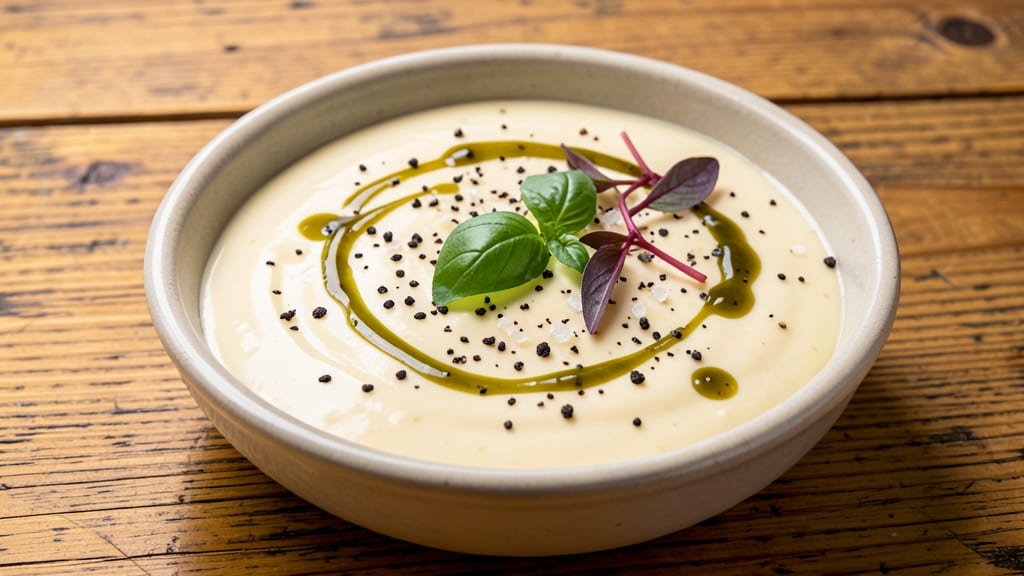
Creating the perfect Philadelphia cheese sauce is all about achieving that velvety, lump-free texture that transforms ordinary mac and cheese into something extraordinary. The secret lies in precise technique—melting cream cheese gradually with warm milk while whisking constantly to prevent clumping.
I’ve perfected this method over years of testing, and it consistently delivers a sauce so smooth it almost defies belief.
This recipe requires just five simple ingredients but delivers restaurant-quality results every time. The key is patience—heating the sauce slowly on low heat while whisking vigorously ensures a silky finish.
No lumps, no graininess, just pure, velvety perfection that clings beautifully to pasta or breadsticks. It’s the kind of sauce that makes even the simplest dish feel gourmet.
Once you’ve mastered the technique, you’ll wonder how you ever settled for anything less. The sauce stays creamy even when reheated, making it ideal for leftovers or meal prep.
Serve it over mac and cheese, use it as a dipping sauce for veggies, or drizzle it over baked potatoes for an instant upgrade. The possibilities are endless, but the foundation is always the same: smooth, rich, and foolproof.
For extra depth, consider adding a pinch of mustard or garlic powder while the sauce simmers—these subtle flavors elevate it to another level without overpowering the creamy base. Store any leftovers in an airtight container in the fridge for up to five days, or freeze for longer storage.
Ready to make the creamiest cheese sauce you’ve ever tasted? Let’s get started.
Ingredients for philadelphia cheese sauce
Five essential ingredients transform into velvety perfection for mac and cheese lovers.
| Ingredient | Amount | Notes |
|---|---|---|
| Philadelphia Cream Cheese 🧀 | 8 oz | Full-fat, room temperature |
| Whole Milk 🥛 | 1 ½ cups | Warm, not hot |
| Extra-Virgin Olive Oil 🫒 | ¼ cup | Light, fruity variety |
| Diamond Crystal Kosher Salt 🧂 | ¼ tsp | Fine grain preferred |
| Freshly Ground Black Pepper 🌶️ | ⅛ tsp | Freshly cracked preferred |
| Dijon Mustard 🍯 | 1 tsp | Optional for depth |
| Garlic Powder 🧄 | ½ tsp | For subtle flavor |
The Philadelphia cream cheese is non-negotiable—full-fat blocks yield the richest texture. Avoid pre-sliced packages, which often contain stabilizers that prevent smooth melting. Whole Foods or Trader Joe's carry the best quality in bulk. For the milk, warm it gently (110°F) to prevent curdling when combined with the cheese. The extra-virgin olive oil adds silkiness; California Avocado or Colavita brands deliver consistent quality. Salt and pepper should be freshly ground—pre-ground spices lose potency quickly. Store cream cheese in its original packaging for up to 3 months in the fridge.
No Dijon mustard? Yellow mustard at half the amount works in a pinch, though it lacks depth. Substitute garlic powder with 1/4 tsp minced garlic for a fresher taste, but it requires immediate use. For a dairy-free option, unsweetened almond milk can replace whole milk, though the sauce will be slightly lighter. Pre-shredded cheese is a no-go—it contains anti-caking agents that disrupt the sauce's texture. If you must, grate your own from a block. The sauce thickens as it cools, so adjust milk gradually if it becomes too stiff.
This sauce reheats beautifully—simmer gently on low heat, whisking constantly, to restore its velvety consistency. Store in an airtight container in the fridge for up to 5 days, or freeze for 3 months. For meal prep, portion into ice cube trays—thaw quickly in the microwave for dipping sauces. The sauce thickens further when chilled, so add a splash of warm milk before reheating if needed. Leftovers can be reheated twice, but texture degrades after that.
Why You'll Love This Recipe
- Five-Ingredient Magic: I swear by this—just cream cheese, milk, olive oil, salt, and pepper. That’s it. No fancy gadgets, no measuring cups that don’t fit, just a sauce that comes together while you stir and think about your day.
- Rich Without Effort: The cream cheese melts into something velvety, but the olive oil adds this subtle depth—like a whisper of brightness cutting through the richness. Honestly, it’s the kind of flavor that makes you pause mid-bite.
- Game for Any Dish: Drown fries in it, drizzle over pasta, or slather it on grilled cheese. I’ve even used it as a dip for veggies when I’m too tired to cook. It’s my secret weapon for turning simple meals into something special.
- Leftovers That Don’t Let You Down: Make a double batch and store it in the fridge for up to five days—it thickens perfectly when reheated. No weird textures, no sad takeout leftovers. Just reliable, creamy goodness whenever you need it.
Step-by-step instructions for Philadelphia cheese sauce
This method guarantees a perfectly smooth, velvety sauce every time—no lumps, no stress.
Warm the Milk and Prepare the Cream Cheese
Place the 1.5 cups whole milk in a small saucepan over medium-low heat. Warm it until it reaches 160°F—just until tiny bubbles form around the edges but before it begins to simmer. This gentle warming prevents the cream cheese from seizing up later. Meanwhile, cut the 8 oz Philadelphia cream cheese into ¼-inch cubes for even melting.
Here's the thing—using warm milk is non-negotiable. Cold milk creates lumps when combined with cream cheese, and no amount of whisking will fix them later. I've found that warming the milk to 160°F (the temperature where it's hot but not boiling) creates the perfect balance for a silky texture. Keep it covered while it heats to prevent skin formation.
Combine Ingredients Off Heat for Perfect Emulsion
Remove the warm milk from heat and transfer it to a blender or heatproof bowl. Add the cream cheese cubes, 0.25 cup extra-virgin olive oil, 1 tsp Dijon mustard, 0.5 tsp garlic powder, 0.25 tsp Diamond Crystal kosher salt, and 0.125 tsp freshly ground black pepper. If using a blender, process on high speed for 20-30 seconds until completely smooth. For a bowl, use an immersion blender or whisk vigorously until no lumps remain.
This is the moment that matters: combining everything off heat prevents the cream cheese from cooking or separating. The olive oil acts as an emulsifier, helping to bind the fat and liquid into a homogeneous mixture. If you see any remaining streaks of cream cheese after blending, don't panic—just pulse or whisk for another 10 seconds. The Dijon mustard adds subtle tang and prevents the sauce from becoming too rich.
Reheat and Adjust Consistency
Return the blended mixture to the saucepan and place it over low heat. Stir constantly with a spatula, scraping the bottom and sides to prevent any bits from sticking. Heat the sauce for 3-5 minutes until it reaches 170°F—this temperature ensures it's hot enough for serving but not so hot it risks separating. The sauce should now be smooth, glossy, and coat-the-back-of-a-spoon thick. If it's too thick, thin with 1 tablespoon warm milk at a time until you reach your desired consistency.
Real talk: Overheating is the fastest way to ruin this sauce. Watch the temperature closely—anything above 175°F risks breaking the emulsion and creating a greasy, grainy texture. If the sauce starts to curdle or separate, immediately remove it from heat and whisk in 1 tablespoon cold milk to stabilize it. The garlic powder and salt should be fully dissolved at this point, adding subtle depth without overpowering the creamy base.
Pro Tips For Making Philadelphia Cheese Sauce
- Start with Cold Cream Cheese: I learned this the hard way—dumping softened cream cheese into hot milk turns it into scrambled eggs. Cut the block into ½-inch cubes and let them sit in the fridge for 10 minutes before adding milk. The cold fat emulsifies better, and you won’t end up with a greasy mess.
- Warm the Milk First: Skip the cold milk, even if the recipe doesn’t say so. Heat the whole milk to just under a simmer (160°F) before adding the cream cheese—this melts it faster and smoother. Yes, even if you’re impatient like me, the sauce will be silkier if you wait.
- Salt in Two Stages: Taste the sauce before adding all the salt. The cream cheese already has salt, so start with half the kosher salt (about ¼ teaspoon) while heating, then adjust at the end. You’ll avoid over-salting, and the final seasoning will be more precise.
- Use Olive Oil as Insurance: Add 1 teaspoon of extra-virgin olive oil when the sauce is nearly done. It’s not just for flavor—it stabilizes the emulsion and prevents separation if you overheat or over-stir. (Trust me, I’ve had both happen.)
Troubleshooting this recipe
Lump Prevention
If your sauce develops lumps despite careful blending, immediately remove it from heat and whisk in 1 tablespoon cold milk while stirring vigorously. The cold milk cools the mixture, allowing the fat to re-emulsify.
For stubborn lumps, press the sauce through a fine-mesh sieve into a clean saucepan, then reheat gently on low heat while whisking constantly. I’ve found that Ninja immersion blenders work best for breaking down lumps without adding extra fat. 🧀
Separation Fix
When the sauce separates into a watery layer and greasy clumps, it’s usually from overheating. Remove from heat immediately and whisk in 1 tablespoon Dijon mustard—the acidity helps re-stabilize the emulsion. If that fails, blend the separated layers together using an immersion blender on high for 20-30 seconds.
For future prevention, never exceed 175°F during heating. The olive oil in the recipe acts as an emulsifier, but it can’t compensate for extreme heat.
Grainy Texture
A grainy texture often means the cream cheese didn’t melt completely. To fix it, return the sauce to low heat and whisk in 1 tablespoon extra-virgin olive oil while stirring constantly. The oil helps dissolve any remaining cheese particles.
For prevention, ensure your cream cheese is room temperature before blending—cold cubes won’t melt smoothly. If graininess persists, strain the sauce through a cheesecloth-lined sieve for a silky finish.
Too Thick or Stiff
If your sauce thickens too much after chilling, thin it with warm milk (not hot) while whisking. Start with 1 tablespoon at a time until you reach a coat-the-back-of-a-spoon consistency.
For a quicker fix, microwave the sauce for 10-15 seconds while stirring, then whisk in 1 tablespoon milk to restore creaminess. Over-thickening often happens when the sauce cools too rapidly—always reheat gradually on low heat to avoid this issue.
Burnt or Scorched
Scorched sauce is usually from direct contact with the pan’s surface. To salvage it, immediately transfer the sauce to a clean saucepan and whisk in 2 tablespoons cold milk to cool it down.
For future prevention, use a double boiler or a heatproof bowl set over a pot of simmering water to maintain even temperature. Never let the sauce boil—keep it at 170°F or below for perfect results every time. 🔥
Weak Flavor
If your sauce tastes bland, boost the flavor by whisking in ½ teaspoon freshly ground black pepper and ¼ teaspoon garlic powder. For extra depth, add 1 teaspoon lemon juice—the acidity brightens the creaminess without overpowering it.
If you skipped the mustard initially, now’s the time to add it (1 teaspoon) to balance richness. Always taste as you go, adjusting seasonings gradually to avoid overdoing it.
Nutrition facts
Frequently asked questions
Can I make this sauce without a blender?
Use an immersion blender or whisk vigorously until completely smooth. For best results, cut the cream cheese into small cubes and let it sit at room temperature for 15-20 minutes before blending. The key is patience—whisk constantly for 3-5 minutes until no lumps remain.
How do I prevent lumps when reheating leftovers?
Always reheat on low heat while whisking constantly. Start with 1 tablespoon warm milk and add gradually until smooth. Never let the sauce boil—keep it below 175°F to avoid separation. For extra insurance, whisk in ½ teaspoon Dijon mustard while reheating.
What's the best way to use this sauce?
This velvety sauce is perfect for mac and cheese, but don't stop there! Use it as a dipping sauce for veggies, breadsticks, or fries. Drizzle over baked potatoes or grilled cheese sandwiches for instant gourmet flair. It also works beautifully in loaded baked potatoes or as a topping for tacos.
Can I substitute cream cheese with something else?
For a similar texture, try ricotta cheese (use 1 cup plus 2 tablespoons milk) or mascarpone (6 oz). However, neither will be identical—cream cheese's fat content is key for that signature smoothness. For a dairy-free option, use vegan cream cheese (like Kite Hill) but expect a slightly lighter result.
Why did my sauce turn grainy?
Graininess usually means the cream cheese didn't melt completely. To fix it, whisk in 1 tablespoon extra-virgin olive oil while heating on low heat. For prevention, ensure your cream cheese is at room temperature before blending and never exceed 175°F during cooking. If graininess persists, strain through a cheesecloth-lined sieve for a silky finish.