
Desserts
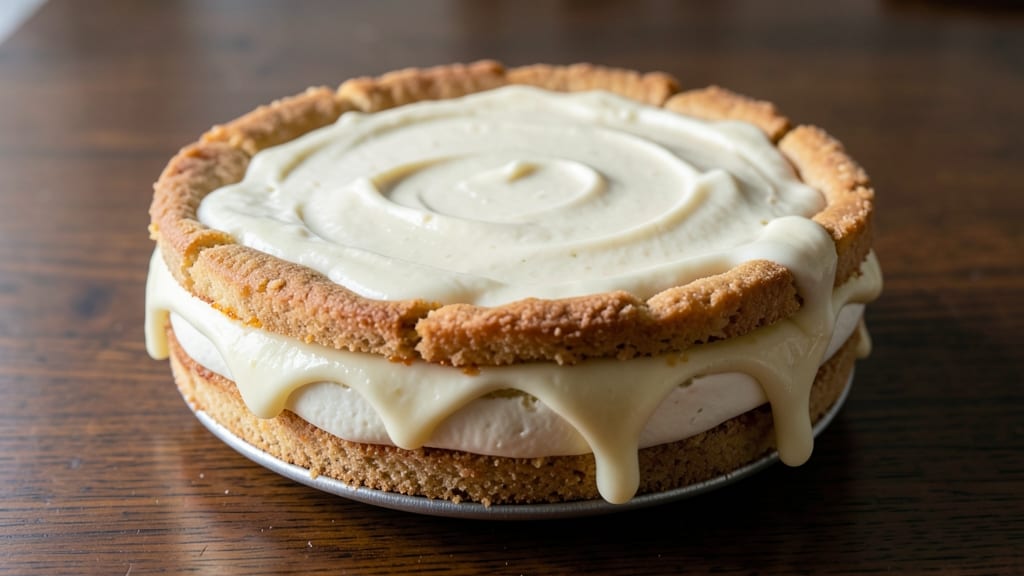
This old-fashioned cream cheese cake recipe delivers the classic combination of dense, velvety layers and a buttery crust—all baked in one pan for foolproof results. The secret lies in precise mixing techniques and proper chilling times, which transform simple ingredients into a dessert that feels like a homecoming.
I’ve perfected this version after years of testing, ensuring the signature tangy-sweet balance that makes it a timeless favorite.
The cake’s signature texture comes from a carefully measured blend of cream cheese and butter, whipped to lightness before folding in cake batter. A traditional buttery crust anchors the layers, while swirling the filling creates those iconic marbled patterns.
This isn’t a quick dessert—it requires patience, but the results are worth every minute of waiting. The final product has a tender crumb and just the right amount of richness, with no aftertaste of cream cheese.
What sets this recipe apart is its simplicity without sacrificing authenticity. No special tools are needed beyond a standard springform pan, and the instructions guide you through each step—from mixing to baking to chilling.
The cake stays moist for days, making it perfect for gatherings or a special treat. Once you try this version, you’ll understand why it’s been a staple for generations.
For those who prefer variations, this recipe easily adapts to no-bake options or alcohol-infused layers, though the traditional baked version remains the gold standard. The key is attention to detail—proper temperatures, accurate measurements, and patience during chilling.
Let’s get started on creating a cake that tastes like nostalgia in every bite.
Ingredients for old fashioned cream cheese cake
Here’s everything you need to make that nostalgic cream cheese cake with layers so tender they melt in your mouth.
| Ingredient | Amount | Notes |
|---|---|---|
| Cream Cheese (Full-Fat, Room Temperature) 🧀 | 16 oz | Philadelphia brand preferred |
| Unsalted Butter (Room Temperature) 🧈 | 1 cup | European-style for best flavor |
| Granulated Sugar 🍚 | 2 cups | White or light brown preferred |
| All-Purpose Flour 🌾 | 2 ½ cups | Sifted before measuring |
| Vanilla Extract 🍯 | 2 tsp | Pure Madagascar bourbon preferred |
| Eggs (Large, Room Temperature) 🥚 | 4 whole | Separated for best texture |
| Egg Yolks (Large, Room Temperature) 🥚 | 4 whole | Reserved from separated eggs |
| Salt 🧂 | ½ tsp | Diamond Crystal kosher preferred |
| Baking Powder 🍞 | 1 tsp | Aluminum-free for best rise |
| Sour Cream (Full-Fat) 🥛 | ½ cup | Room temperature for blending |
| Lemon Juice (Freshly Squeezed) 🍋 | 1 tbsp | Bright flavor balance |
| All-Purpose Flour (For Crust) 🌾 | 1 cup | Same brand as cake batter |
| Cold Unsalted Butter (For Crust) 🧈 | ½ cup | Cut into small cubes |
| Granulated Sugar (For Crust) 🍚 | ¼ cup | Same brand as cake |
| Vanilla Bean Seeds (Optional) 🌿 | ½ tsp | Scraped from 1 pod |
The cream cheese is non-negotiable—Philadelphia full-fat gives you that signature tang without bitterness. Grab it from Whole Foods or your local grocery store’s refrigerated section, but avoid the reduced-fat versions. The butter matters too: European-style (like Plugrá) has more flavor than American brands. For the crust, use cold butter cubes—this ensures flaky layers. I always buy extra vanilla extract since it’s used twice: once in the filling and optionally for that extra depth. The egg whites need to be at room temperature for maximum volume—crack them into a separate bowl before beating.
No full-fat cream cheese? Neufchâtel cheese is your next best bet, though it’s pricier. Short on butter? Vegetable shortening works in a pinch, but you’ll lose some richness. The sour cream can be swapped for Greek yogurt at half the amount, though it’ll be slightly tangier. For the crust, if you’re out of butter, coconut oil gives a similar texture (just chill it first). The vanilla bean seeds? Worth it if you’ve got one, but pure extract works fine. And if you’re feeling fancy, a splash of grand marnier in the filling adds a sophisticated twist.
This cake needs patience—chill the batter for 2 hours before baking, then another 4 hours after baking. Store it in an airtight container with parchment between layers for up to 5 days. Freezes beautifully for 3 months if you wrap it tightly in plastic wrap. The crust stays crisp for about 2 days before getting soft, so make it fresh if you’re serving it as a standalone dessert. And if you’re prepping ahead, assemble the cake, then refrigerate it—it’ll still taste fresh even after a week.
Why You'll Love This Recipe
- No Mixer Needed: I swear by this—just a bowl and a wooden spoon. The room-temp cream cheese and butter blend together like buttercream dreams, no electric fuss. Honestly, my mixer sits unused when this is on the menu.
- Rich Without Effort: That first bite? Pure indulgence. The full-fat cream cheese and butter create a velvety texture, while the vanilla and sugar hit just right—no artificial flavors, no overpowering notes. It’s the kind of cake that makes you close your eyes and sigh.
- Weeknight Hero: I’ve served this to brunch crowds, potlucks, and even as a midnight snack (no judgment). The batter’s stable enough to bake ahead, and the flavor only gets better the next day. Between us? It’s my go-to for when I need something impressive but can’t be bothered with layers or frosting.
- Budget-Friendly Luxury: Five ingredients, minimal waste—this cake costs next to nothing but tastes like a bakery showstopper. The flour and sugar stretch far, and leftovers? They disappear faster than I can say “second slice.” My secret weapon for feeding guests without breaking the bank.
Step-by-step instructions for cream cheese cake with buttery crust
Here's how to create that classic velvety texture and perfect crust without layering headaches.
Prepare the Crust for Golden Perfection
In a food processor, combine the 1 cup all-purpose flour (for crust), 0.5 cup cold unsalted butter (for crust), and 0.25 cup granulated sugar (for crust). Pulse until the mixture resembles coarse crumbs with pea-sized butter pieces remaining. Press this firmly into the bottom of a 9-inch springform pan using your fingers, creating an even layer.
Here's the thing - don't skip pressing it down tightly. The crust needs to stay put during baking, and any gaps will show up as uneven browning. Once packed, chill the prepared crust in the refrigerator for 15 minutes while you prepare the filling. This cold start prevents the crust from softening too quickly when the cake bakes.
Cream the Cream Cheese and Butter Base
In a large mixing bowl, beat the 16 oz cream cheese (full-fat, room temperature) and 1 cup unsalted butter (room temperature) together using an electric mixer on medium speed for 3-4 minutes. You're looking for a completely smooth, creamy mixture that's pale in color. This step is critical - any lumps will show up in your final cake.
Gradually add 2 cups granulated sugar while continuing to mix on medium speed. The batter will begin to thicken noticeably as the sugar incorporates. Scrape down the sides of the bowl occasionally to ensure even mixing. The reason we wait until the cream cheese and butter are perfectly smooth before adding sugar is that sugar can sometimes cause separation if added too early.
Incorporate Eggs and Dry Ingredients
Add the 4 whole egg yolks (large, room temperature) one at a time, mixing well after each addition. Then incorporate the 4 whole eggs (large, room temperature) in the same manner. Here's where it gets fun - the batter will transform from thick to smooth and almost liquid-like. This is normal and exactly what we want for that signature cream cheese cake texture.
In a separate bowl, whisk together the 2.5 cups all-purpose flour, 1 tsp baking powder, and 0.5 tsp salt. With the mixer running on low speed, gradually add the dry ingredients to the wet mixture. Mix just until combined - you should still see some flour streaks. Overmixing develops gluten and can make the cake dense. If using, add the 0.5 tsp vanilla bean seeds (optional) now along with the 2 tsp vanilla extract and mix briefly to combine.
Fold in Sour Cream and Lemon Juice
Add the 0.5 cup sour cream (full-fat) and 1 tbsp lemon juice (freshly squeezed) to the batter. Using a spatula, gently fold these ingredients in by hand until just combined. The lemon juice brightens the flavor while the sour cream adds moisture and tenderness. This folding technique prevents deflating the air incorporated during the creaming process.
Divide the batter evenly between two medium mixing bowls. In one bowl, leave the batter as is. To the other bowl, add an additional 1 tsp vanilla extract for the swirl flavor. Using a rubber spatula, gently fold the vanilla-infused batter into the plain batter in a zigzag pattern, creating a marbled effect. This creates those classic cream cheese cake swirls without needing to layer multiple batters.
Bake to Golden, Velvety Perfection
Pour the marbled batter over the chilled crust in the springform pan. Smooth the top with a spatula, then bake in a preheated 350°F oven for 50-55 minutes. The cake is done when the edges are golden brown and a toothpick inserted in the center comes out clean with just a few moist crumbs clinging to it.
Here's the moment that matters: when you open the oven, you'll notice the crust should be deep golden brown while the top has a slight crackle. Let the cake cool in the pan for 15 minutes, then run a knife around the edge to loosen it from the pan. Remove the side of the springform pan and let the cake cool completely on a wire rack before serving. The cooling process allows the flavors to fully develop and the texture to set properly.
Pro Tips For Making Old Fashioned Cream Cheese Cake
- Whip Cream Cheese Slow: I used to rush this step and end up with lumps that never fully disappeared—no matter how much I beat it. Take your time with the cream cheese and butter; mix on medium speed for 2-3 minutes before adding sugar. This ensures a silky texture that actually matters when you’re baking.
- Sift That Flour: After burning three batches with dense, heavy cake layers, I finally sifted the flour. For cream cheese cake, sifting removes air pockets and prevents a brick-like texture. Do this before adding it to the batter—yes, even if the recipe doesn’t say so.
- Don’t Overbake the Crust: The crust should be golden but still slightly soft when you pull it from the oven. I learned this the hard way—overbaking turns it dry and crumbly. Check it at 15 minutes, then cover loosely with foil if it’s browning too fast.
- Chill the Batter Fully: Skipping this step means a dense, uneven cake. Let the batter rest in the fridge for at least 2 hours (overnight is better). The cream cheese settles, and the flour absorbs moisture—trust me, your cake will thank you with a lighter crumb.
Wine and beer pairings for this dish
Sweet Dessert Wines
The rich, velvety texture of this cream cheese cake pairs beautifully with sweet dessert wines that complement its buttery, vanilla notes. A Moscato d'Asti from Italy is my go-to choice—its light body and hints of peach and apricot cut through the cake’s density without overpowering it.
Serve chilled at 45-50°F for the perfect balance of sweetness and acidity. 🍷
For a more robust pairing, try a Sauternes from Bordeaux, especially if your cake includes a splash of Grand Marnier in the filling. The wine’s honeyed apricot and citrus flavors mirror the cake’s vanilla and lemon notes, creating a harmonious finish. Look for a vintage from Château d'Yquem or Rieussec for a luxurious experience.
If you prefer fortified wines, a For a lighter option, a Tawny Port with its nutty, caramelized flavors provides a sophisticated contrast. I recommend a 10-Year-Old Tawny—its oxidative notes complement the cake’s vanilla and lemon, making each bite feel like a decadent dessert experience.
If wine isn’t your thing, a For a darker option, try a Belgian Dubbel like Westmalle Dubbel—its caramel and raisin flavors harmonize with the cake’s buttery crust and vanilla filling. The beer’s slight malty sweetness enhances the cake’s depth without competing for attention.
While not a beverage pairing per se, a drizzle of For a non-alcoholic option, a Creamy Ports
Spiced Beer Pairings
Coffee Liqueur Finishing
Nutrition facts
Frequently asked questions
Why does my cream cheese cake turn out dense instead of light and fluffy?
Overmixing the batter develops gluten, which makes the cake dense. Mix just until the flour disappears, and avoid beating the egg whites too vigorously. Also, ensure your cream cheese and butter are room temperature—cold ingredients create dense pockets. Let the cake cool completely before slicing too, as warm cake compresses more easily.
Can I make this cake in a regular round pan instead of a springform pan?
Yes, but grease the pan thoroughly and line the bottom with parchment paper for easy removal. A 9-inch round pan works best, but avoid metal pans that conduct heat unevenly. If using a glass pan, reduce baking time by 5-7 minutes—glass retains heat better than metal.
How do I prevent cracks in the top of my cream cheese cake?
Cracks usually happen from overbaking or sudden temperature changes. Remove the cake from the oven when the center is just set (a toothpick should come out with a few moist crumbs). Let it cool in the pan for 15 minutes before transferring to a wire rack. Avoid opening the oven door too early—temperature fluctuations cause cracks.
Can I substitute Neufchâtel cheese for regular cream cheese?
Neufchâtel is a lower-fat French cream cheese with a milder flavor, making it a perfect 1:1 substitute. It whips up lighter, which works beautifully for this recipe. Just ensure it’s full-fat—low-fat versions won’t give the same rich texture. The cake will be slightly less dense but just as flavorful.
How long can I keep this cake before it gets stale?
This cake stays fresh for 5 days when stored in an airtight container at room temperature. For longer storage, wrap it tightly in plastic wrap and freeze for up to 3 months. Thaw overnight in the fridge—never at room temperature. The crust stays crisp for about 2 days before softening, so make it fresh if serving as a standalone dessert.