
Side Dishes
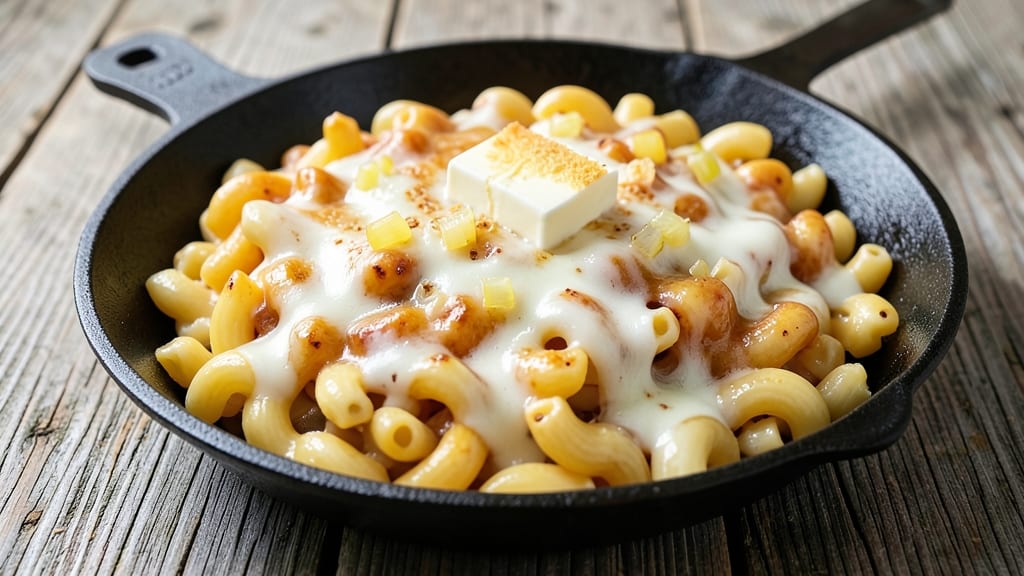
Creating no-boil cheddar mac and cheese transforms a classic comfort dish into a foolproof one-pan wonder that delivers creamy, velvety perfection every time. The secret lies in a precise method that eliminates the risk of grainy cheese while ensuring the pasta stays al dente—no overcooking required.
After years of perfecting this technique, I can confidently say this is the only mac and cheese recipe you'll ever need for weeknight dinners or holiday gatherings.
What sets this recipe apart is the no-boil approach, where the cheese sauce is assembled directly in the pot with the drained pasta. This method guarantees a smooth, lump-free texture without the need for excessive stirring or waiting for the sauce to thicken.
The result is a dish where creamy cheese rivers cling to each noodle, creating that signature restaurant-quality finish. No special equipment is needed—just a large pot, patience for the sauce to meld, and a few simple ingredients.
The final product delivers restaurant-quality mac and cheese with a rich, velvety sauce that coats every bite. The sharp cheddar flavor shines through without overpowering, while the pasta maintains its ideal texture—tender but still with a slight bite.
What makes this version truly special is how effortlessly it comes together, yet still feels indulgent enough for special occasions. The one-pan approach also means minimal cleanup, making it perfect for busy weeknights.
Whether you're serving this as a side dish for a holiday meal or making it the star of a casual dinner, this recipe delivers consistent results.
The no-boil technique isn't just about convenience—it's about achieving that perfect balance of texture and flavor that separates homemade mac and cheese from the boxed versions. Ready to master this comforting classic? Let's get cooking with just a few simple steps and ingredients.
Ingredients for no boil cheddar mac and cheese
Twelve essential ingredients transform into restaurant-quality no-boil cheddar mac and cheese with velvety texture.
| Ingredient | Amount | Notes |
|---|---|---|
| Elbow Macaroni 🍝 | 12 oz | Dry, medium or short elbow shape |
| Sharp White Cheddar Cheese 🧀 | 2 cups | Freshly grated, block preferred |
| Heavy Cream 🥛 | ½ cup | Full-fat for optimal creaminess |
| Whole Milk 🥛 | ½ cup | Warmed to room temperature |
| Unsalted Butter 🧈 | ½ cup | Cold, cut into small cubes |
| Diamond Crystal Kosher Salt 🧂 | 1 ½ tsp | Adjust to taste preference |
| Black Pepper 🌶️ | ½ tsp | Freshly cracked for depth |
| Garlic Cloves 🧄 | 2 cloves | Minced, for subtle aroma |
| Yellow Onion 🧅 | ¼ cup | Finely diced, yellow or white |
| Extra-Virgin Olive Oil 🫒 | 1 tbsp | For sautéing aromatics |
| Dry Mustard Powder 🌶️ | ½ tsp | For subtle tang |
| Ground Nutmeg 🌿 | ¼ tsp | Freshly grated preferred |
The cheese selection is critical for authentic flavor. Sharp white cheddar from a specialty grocer like Whole Foods or Gorton's delivers superior sharpness and meltability compared to pre-shredded varieties. For optimal results, use a block cheese and freshly grate it using the large holes on a box grater—this preserves moisture and prevents clumping. The butter should be cold and cubed to create a proper roux when melted, which forms the foundation of the sauce's velvety texture. Store your cheddar block wrapped in parchment paper in the refrigerator for up to 3 months to maintain peak sharpness.
Substitutions should preserve the dish's fundamental characteristics. Pepper jack or Gruyère can replace cheddar for a distinct flavor profile, though the sauce will develop differently. For a dairy-free adaptation, use nutritional yeast and cashew cream instead of heavy cream and milk, though texture will vary. The mustard powder and nutmeg are optional but recommended for depth—omit if you prefer a purer cheddar flavor. If you're short on time, pre-cooked pasta from the grocery store works, though fresh pasta yields superior texture. The garlic and onion can be swapped for asafetida powder for a vegetarian-friendly alternative with similar aromatic qualities.
Proper storage extends this dish's shelf life while maintaining quality. Leftovers should be refrigerated in an airtight container for up to 4 days, though the texture will become slightly firmer. To reheat, cover with a damp paper towel and warm in the microwave for 1-2 minutes, stirring halfway. For longer storage, portion into freezer-safe containers and freeze for up to 3 months. When reheating from frozen, add 1-2 tablespoons of milk or water to restore creaminess. The no-boil technique means the pasta absorbs the sauce differently upon reheating—expect a slightly drier texture that can be remedied with additional milk or butter when serving.
Why You'll Love This Recipe
- No-Pasta Night Magic: The only pot you’ll dirty is the one for boiling water—if you even do that. I just toss the dry pasta into the simmering cheese sauce, let it soak up the richness, and call it done. No straining, no sticking, no stress.
- Sharp Cheese Obsession: That sharp white cheddar? It’s the star here, melting into a velvety blanket with just enough tang to make your taste buds sing. The heavy cream and butter round it out so smooth, you’ll forget it’s "no boil"—until you realize you’re eating it straight from the pan.
- Potluck Hero: Between us, this is my go-to for gatherings. It travels well, reheats like a dream, and even my picky uncle asks for seconds. Serve it in a slow cooker for parties or pack it in mason jars for meal prep—it’s the ultimate crowd-pleaser.
- Budget Win: A bag of pasta, a block of cheese, and a splash of cream stretch farther than you’d think. I make this twice a month, and the leftovers? Still better than takeout. Plus, the kids think it’s fancy, so it’s a win-win.
Step-by-step instructions for no-boil cheddar mac and cheese
This method delivers ultra-creamy, restaurant-style mac and cheese without boiling the pasta first.
Sauté Aromatics Until Fragrant
Heat the 1 tablespoon extra-virgin olive oil in a large, heavy-bottomed pot over medium heat. Add the 0.25 cup finely diced yellow onion and cook for 3-4 minutes until softened and translucent. Stir in the 2 cloves minced garlic and cook for an additional 30 seconds until the raw garlic aroma disappears.
This foundational step builds flavor without browning the onion, which could make the final dish taste bitter. Keep the heat steady—too high will burn the garlic before it releases its aroma. The onions should be completely tender before adding the next ingredients, ensuring they blend seamlessly into the sauce.
Create the Cheese Sauce Base
Reduce heat to medium-low and add the 0.5 cup unsalted butter to the pot. Let it melt completely, then whisk in the 0.5 cup warmed whole milk and 0.5 cup heavy cream. Bring the mixture to a gentle simmer, then gradually add the 2 cups freshly grated sharp white cheddar cheese in small increments, whisking constantly.
Here's the thing—adding cheese too quickly can cause clumping. I stir vigorously for 2-3 minutes until the cheese melts completely and the sauce thickens slightly. The sauce should coat the back of a spoon smoothly. If it looks too thick, add 1 tablespoon water to loosen it. This step is where the magic happens—the sauce transforms from liquid to velvety perfection.
Cook the Pasta in the Sauce
Add the 12 oz elbow macaroni to the pot and stir to coat each piece with the cheese sauce. Increase heat to medium-high and cook for 12-15 minutes, stirring occasionally, until the pasta is tender and the sauce has thickened to a creamy consistency. The pasta should absorb the sauce completely without appearing dry.
Don't walk away during this step. The pasta needs constant stirring to prevent sticking and ensure even coating. You'll know it's ready when the sauce clings to the pasta and forms those signature cheese rivers when you lift a forkful. The pasta should be al dente—slightly firm to the bite, not mushy.
Season and Finish
Remove the pot from heat and stir in the 1.5 teaspoons diamond crystal kosher salt, 0.5 teaspoon freshly cracked black pepper, 0.5 teaspoon dry mustard powder, and 0.25 teaspoon ground nutmeg. Taste and adjust seasoning if needed—this is where you can personalize the dish to your preference.
Let the mac and cheese rest for 2-3 minutes before serving. This resting period allows the flavors to meld and the sauce to thicken slightly more. The result should be a luxurious, creamy dish where each bite delivers that perfect balance of cheesy richness and subtle seasoning. The no-boil method ensures the pasta absorbs maximum flavor without becoming gummy.
Pro Tips For Making No Boil Cheddar Mac And Cheese
- Grate Cheese Fresh: Skip pre-shredded cheese—it’s packed with anti-caking agents that make the sauce grainy. Grab a box grater and shred your own sharp white cheddar right before mixing. It melts smoother and tastes richer, no matter how impatient you are to eat it.
- Cook Pasta Firm: No-boil doesn’t mean undercooked. Cook your elbow macaroni al dente—one minute less than package instructions—then drain and rinse with cold water. The starch clings better to the cheese sauce, and the pasta holds up when tossed.
- Temper the Dairy: Don’t dump cold milk and cream into hot butter. Warm the dairy in a separate pan over medium-low heat until steaming but not boiling. This prevents the butter from seizing and ensures the cheese melts into a velvety sauce instead of clumping.
- Rest Before Serving: Let the mac and cheese sit covered for 5–10 minutes after mixing. The residual heat keeps the cheese from breaking, and the sauce thickens just enough to coat every noodle—no gloppy mess when you dig in. (Yes, even if you’re starving.)
Creative variations of this dish
Spicy Kick
Add 1-2 teaspoons of hot sauce (like Tabasco or Cholula) directly to the finished mac and cheese for a quick heat boost. For deeper flavor, stir in ½ teaspoon cayenne pepper or 1 teaspoon smoked paprika while the sauce is still warm.
I love using Penzeys' Chipotle Powder for a smoky, spicy depth that pairs perfectly with cheddar. 🌶️
Bacon Crunch Topping
For a savory crunch, top individual servings with 2-3 slices of crispy bacon, chopped into small pieces. Cook the bacon separately in a skillet until crispy, then sprinkle over the top just before serving.
Alternatively, use crumbled bacon bits from the store for convenience. The salty, smoky flavor contrasts beautifully with the creamy cheese. 🥓
Veggie-Packed Twist
Stir in ½ cup finely diced roasted butternut squash or steamed broccoli florets during the final 5 minutes of cooking to add nutrients and texture. For a heartier dish, mix in ½ cup cooked diced ham or crumbled feta cheese for a Greek-inspired variation.
The veggies absorb the cheese sauce while adding color and freshness. 🥦
Breadcrumb Crust
Create a golden crust by mixing ½ cup panko breadcrumbs with 2 tablespoons melted butter and 1 teaspoon garlic powder. Sprinkle this mixture evenly over the top of the mac and cheese before baking at 375°F for 3-4 minutes until crispy.
This adds a satisfying crunch that balances the creamy sauce. 🍞
Breakfast-Inspired
Transform this into a breakfast dish by stirring in 2 scrambled eggs cooked directly in the pot during the final 2 minuteschives and a sprinkle of crumbled bacon for a cheesy, protein-packed dish. The eggs blend seamlessly into the sauce while adding richness. 🍳
Global Fusion Twist
For a Mexican-inspired version, add ½ teaspoon ground cumin and ¼ teaspoon cinnamon to the seasoning mix. Top with diced avocado, sour cream, and crushed tortilla chips for a creamy, crunchy fusion. This variation works surprisingly well and adds a fun twist to a classic comfort food. 🌎
Nutrition facts
Frequently asked questions
Why does this recipe use a no-boil method?
The no-boil technique eliminates the risk of overcooking pasta while ensuring the cheese sauce absorbs perfectly. When pasta cooks directly in the sauce, it absorbs flavors more evenly and maintains an al dente texture. This method also creates those signature cheese rivers that cling to each noodle, giving it that restaurant-quality finish. Plus, it's a one-pan wonder that minimizes cleanup!
Can I substitute pre-shredded cheese?
Pre-shredded cheese contains anti-caking agents that can make your sauce grainy. For the creamiest texture, always use freshly grated sharp white cheddar from a block. If you must use pre-shredded, choose a brand labeled "block-style" and remove any anti-caking agents by washing it first. The extra effort makes a noticeable difference in smoothness!
What's the secret to avoiding clumpy cheese sauce?
Add cheese gradually in small increments while whisking constantly over medium-low heat. Never let the sauce boil—keep it at a gentle simmer. If clumps form, immediately press them through a fine-mesh sieve. The key is patience: stir for at least 2-3 minutes until the sauce becomes silky smooth. This step is what separates homemade from boxed mac and cheese!
How do I make this dish extra creamy?
For maximum creaminess, use full-fat dairy—heavy cream instead of half-and-half, and whole milk instead of skim. Add 1 extra tablespoon of butter to the sauce base, and let it rest off-heat for 5 minutes before serving. The sauce will thicken further as it cools, creating that luxurious texture. A splash of warm water can also help loosen the sauce if needed.
Can I make this ahead of time?
Yes! Store leftovers in an airtight container in the fridge for up to 4 days. Reheat covered with a damp paper towel in the microwave for 1-2 minutes, stirring halfway. For freezing, portion into containers and freeze for up to 3 months. Thaw overnight in the fridge, then add 1-2 tablespoons of milk when reheating to restore creaminess. The texture will be slightly firmer after reheating, but still delicious!