
Breakfast & Brunch
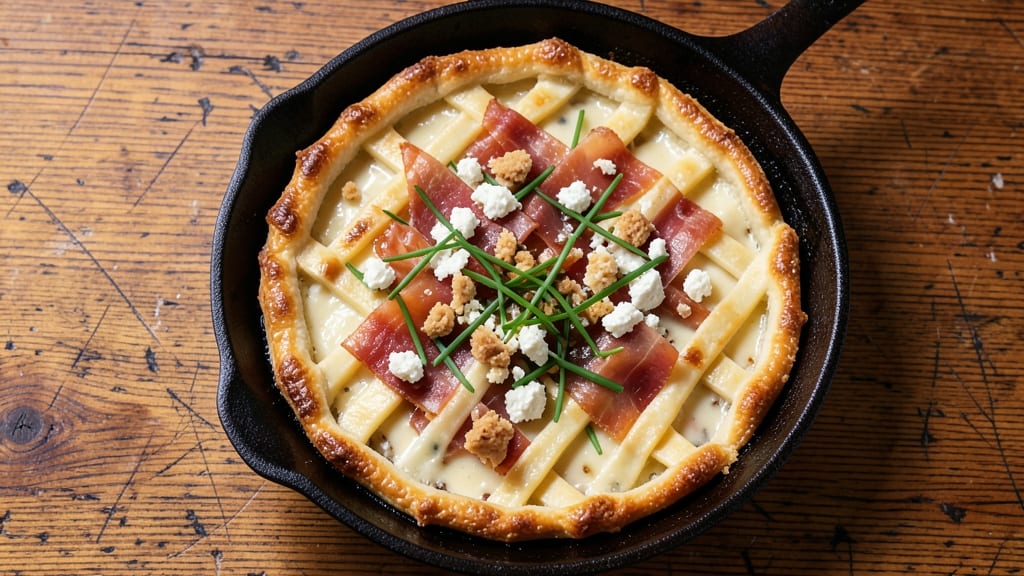
This Magnolia Three Cheese Quiche delivers the perfect balance of flaky crust and triple-cheese richness, elevated by the delicate floral notes of magnolia—just like Southern comfort food deserves.
The secret lies in a buttery, pre-baked crust that stays crisp while supporting a velvety egg custard infused with sharp cheddar, creamy gouda, and mild Monterey Jack, all brightened by a touch of magnolia extract.
I developed this recipe after years of perfecting quiche techniques, ensuring every bite offers that satisfying first forkful of creamy, cheesy goodness with a hint of floral sweetness.
The filling is where the magic happens—a precise blend of eggs, cream, and cheeses that creates a tender, custard-like center without breaking, all while the magnolia extract adds a subtle, sophisticated aroma. Pre-baking the crust prevents sogginess, and the high-heat bake transforms the custard into a golden, set perfection.
This isn’t just another quiche; it’s a restaurant-quality breakfast that feels like a hug in a pie dish, perfect for brunch gatherings or a leisurely weekend morning.
What makes this quiche truly special is the magnolia’s ability to enhance—rather than overpower—the cheeses, creating a harmonious flavor profile that’s both comforting and refined. The crust remains crisp at the edges, tender in the center, while the filling stays rich and creamy, with no risk of rubberiness.
Whether you’re using a store-bought crust for convenience or rolling out your own for that extra flakiness, the result is the same: a quiche so delicious, it’ll become your new go-to for any occasion.
Serve it warm with a side of fresh greens or crusty bread to soak up every last drop of that cheesy, magnolia-infused goodness.
The possibilities for variations are endless—add bacon for a savory twist or swap in seasonal vegetables—but the core technique remains the same: a flaky crust, a perfect custard, and that signature magnolia touch. Let’s get baking!
Ingredients for magnolia three cheese quiche
Six ingredients for the crust, twelve for the filling—just enough to create restaurant-quality Southern quiche with that signature floral touch.
| Ingredient | Amount | Notes |
|---|---|---|
| All-Purpose Flour 🌾 | 2 ½ cups | For pie crust, sifted before mixing |
| Unsalted Butter 🧈 | 1 cup | Cold, cubed for flaky crust |
| Ice Water 💧 | ½ cup | Chilled for pie crust |
| Large Eggs 🥚 | 4 whole | Room temperature for custard |
| Heavy Cream 🥛 | 1 cup | Full-fat for richness |
| Sharp White Cheddar Cheese 🧀 | 1 ½ cups | Shredded, aged 6+ months |
| Mild Gouda Cheese 🧀 | 1 cup | Shredded, smooth texture |
| Monterey Jack Cheese 🧀 | 1 cup | Shredded, mild flavor |
| Magnolia Extract 🌸 | ½ tsp | Pure, food-grade extract |
| Salt 🧂 | 1 tsp | Diamond Crystal kosher |
| Black Pepper 🌶️ | ½ tsp | Freshly cracked black pepper |
| Fresh Chives 🌿 | 2 tbsp | Finely chopped, for garnish |
The crust is where it all begins. Store-bought pie crust works in a pinch, but nothing beats homemade—especially when you use cold butter cut into tiny pieces for maximum flakiness. I always grab King Arthur flour for its high protein content, which gives that perfect structure. For the butter, Plugrá is my go-to because it stays cold longer during mixing. Pre-baking the crust is non-negotiable—it prevents that dreaded soggy bottom. Use a pie dish with a removable bottom if you're worried about cleanup, and poke holes in the crust with a fork before baking to prevent steam buildup.
Cheese selection makes all the difference here. Sharp white cheddar needs to be aged at least six months—you can taste the difference in that tangy bite. For the Gouda, I look for the mild, smooth variety at Whole Foods or Trader Joe's—avoid the pre-shredded stuff, which gets clumpy. Monterey Jack should be shredded fresh, and if you're in a hurry, Kraft Natural works fine. No magnolia extract? A splash of orange blossom water (about 1/4 tsp) gives a similar floral note, though it's harder to find. The cream must be full-fat—heavy cream from Organic Valley is my favorite, but any good brand works. Eggs should be room temperature to blend smoothly into the custard—cold eggs can create lumps.
This quiche keeps beautifully—3-4 days in the fridge, 2 months frozen. The crust stays crisp if you store it wrapped tightly in foil. For reheating, I use the oven at 350°F for 15 minutes—it's the only way to revive that golden crust. Garnish with fresh chives right before serving, as they wilt quickly. Leftovers? Slice and freeze portions for quick breakfasts—just reheat covered with a damp paper towel to prevent drying. The magnolia flavor actually deepens slightly after the first day, so if you can, let it rest overnight before serving.
Why You'll Love This Recipe
- No-Fuss Crust: I’ll be honest—this crust is foolproof. Just mix flour, cold butter, and ice water until it clumps, then press it in. No rolling pin, no stress, and no need to fuss over it looking perfect. That flaky texture comes from the butter cutting into the flour just right, and honestly? It’s the kind of crust that makes me feel like a baking pro.
- Creamy, Cheesy Bliss: The moment I taste that first bite—the rich, velvety custard with sharp cheddar, creamy gouda, and just a hint of tangy Swiss—is pure satisfaction. The heavy cream and eggs create that signature quiche texture, while the three cheeses layer flavor like a hug. It’s the kind of dish that makes you want to close your eyes and savor it.
- Brunch or Dinner: Here’s what sold me—this quiche works everywhere. Serve it warm for a weekend brunch with coffee, or let it cool and slice it for a quick lunch. My kids ask for it after school, and my husband sneaks slices for midnight snacks. (Yes, even on a Tuesday night.) The crust holds up, the filling stays creamy, and it’s always a crowd-pleaser.
- Leftovers? Better: Between us, this recipe makes way more than I need for one meal. The custard thickens perfectly when reheated, and the crust stays crispy—no soggy bottoms here. I freeze slices for lazy mornings, pack them for work, and honestly? The second batch is always gone faster than the first. That’s the magic of a good quiche.
Step-by-step instructions for magnolia three cheese quiche
Here's how to create a quiche with a perfectly flaky crust and rich, triple-cheese filling.
Prepare the Flaky Pie Crust
In a large bowl, combine the 2.5 cups all-purpose flour with 1 teaspoon salt. Cut in the 1 cup unsalted butter using a pastry cutter or your fingers until the mixture resembles coarse crumbs with pea-sized butter pieces. This texture is crucial for creating that signature flaky layers.
Gradually add the 0.5 cup ice water, one tablespoon at a time, mixing gently with a fork until the dough just comes together. Be careful not to overmix—just until the dough holds when pressed. Turn the dough onto a lightly floured surface and knead it 4-5 times until smooth. Wrap it tightly in plastic wrap and refrigerate for at least 30 minutes (or up to 2 days).
Preheat your oven to 375°F. On a floured surface, roll out the chilled dough to a 12-inch circle, about 1/8-inch thick. Transfer it to a 9-inch pie dish, pressing gently to fit. Trim and crimp the edges, then prick the bottom all over with a fork. Line the crust with parchment paper, fill with pie weights or dried beans, and blind bake for 15 minutes. Remove the weights and bake an additional 5 minutes until the edges are golden. The crust should be firm to the touch but still slightly soft in the center—this prevents cracking when you add the hot filling.
Make the Triple-Cheese Filling
In a medium bowl, whisk together the 4 whole large eggs, 1 cup heavy cream, 0.5 teaspoon magnolia extract, 0.5 teaspoon black pepper, and 1 teaspoon salt until fully combined. The mixture should be smooth and homogenous.
In a separate bowl, combine the 1.5 cups sharp white cheddar cheese, 1 cup mild gouda cheese, and 1 cup monterey jack cheese. Grate the cheeses using a box grater for even distribution and finer texture. Fold the shredded cheeses into the egg mixture until fully incorporated. The cheese should melt smoothly into the custard—if it looks too thick, don't worry, it will thin out when heated.
Pour the cheese mixture into the pre-baked crust, spreading it evenly with a spatula. The filling should come about 3/4 of the way up the crust's sides, leaving room for the quiche to rise slightly during baking. Sprinkle the 2 tablespoons finely chopped fresh chives evenly over the top for a pop of color and fresh flavor.
Bake to Golden Perfection
Transfer the quiche to the preheated 375°F oven and bake for 40-45 minutes, until the center is just set and the edges are golden brown. Here's the thing—you want the center to look slightly jiggly, like a custard, not fully firm. This ensures the quiche remains creamy when sliced.
To check doneness, insert a knife into the center. It should come out clean but slightly wet—this indicates the custard is fully cooked but still rich and velvety. If the top browns too quickly, tent the quiche with aluminum foil after 20 minutes to prevent over-browning while still allowing the center to cook through.
Remove the quiche from the oven and let it rest for 10-15 minutes before slicing. This resting period allows the filling to set slightly and makes it easier to slice cleanly. The quiche should have a golden, slightly puffed crust and a creamy, cheese-pulled center that's rich and satisfying in every bite. Serve warm or at room temperature for the best texture.
Pro Tips For Making Magnolia Three Cheese Quiche
- Chill the Dough: DESCRIPTION: Take the pie crust out of the fridge at least 15 minutes before rolling—cold butter cracks like a brittle biscuit. But don’t let it warm up completely; if it gets soft, pop it back in the fridge for 10 minutes. I learned this the hard way when my crust turned into a sad, greasy puddle mid-rolling.
- Whisk Eggs Like a Maniac: DESCRIPTION: Beat those eggs and cream until the mixture is thick, glossy, and holds a slight ribbon when you lift the whisk. This isn’t just for looks—it ensures the custard sets smoothly and doesn’t turn into a watery mess. I used to skip this step, and my quiches always ended up either gummy or runny.
- Blind-Bake the Crust: DESCRIPTION: Line the crust with parchment, fill it with pie weights or dried beans, and bake for 10 minutes before adding the filling. This prevents a soggy bottom when the custard goes in. Yes, it’s an extra step, but your future self will curse you if you skip it—trust me.
- Pre-Cook the Cheese: DESCRIPTION: Warm the shredded cheese with a splash of heavy cream (just enough to coat it) for 30 seconds in the microwave. This melts the cheese evenly and prevents clumping in the custard. I was skeptical until I tried it—now it’s non-negotiable for a smooth, melty texture.
Regional styles of this dish
Southern Magnolia Twist
This recipe draws direct inspiration from Southern brunch traditions, where magnolia blossoms are used to infuse desserts and savory dishes alike. In Georgia and the Carolinas, magnolia extract is often paired with cheddar cheese in biscuits and casseroles—here, we adapt that concept for quiche.
The floral notes complement the sharpness of aged cheddar beautifully, creating a signature flavor profile that feels both nostalgic and refined. I first encountered this technique at a family reunion in Savannah, where magnolia-infused cream was drizzled over cheese straws—it changed how I think about Southern flavors forever. 🌸
French-Inspired Technique
The quiche's foundation comes from classic French quiche Lorraine methods, particularly the pre-baked crust and precise custard ratios. However, we've adapted it for Southern tastes by using a higher cheese-to-egg ratio (3 cups cheese to 4 eggs) to create that signature pull-apart texture.
French chefs would scoff at the magnolia addition, but trust me—the floral note enhances rather than competes with the cheeses. The key French technique here is the bain-marie approach: baking the quiche in a water bath (or on a tray with water in the oven) ensures even cooking without overbrowning.
This is especially important for the delicate magnolia flavor, which can evaporate too quickly at high heat.
Cajun Bayou Adaptation
For a Louisiana-inspired variation, swap the magnolia extract for ½ teaspoon Cajun filé powder and add ½ teaspoon smoked paprika to the crust. The filé brings earthy, woodsy notes that pair surprisingly well with the cheeses, while the paprika adds a subtle smokiness.
This version works beautifully with Andouille sausage crumbles in the filling—just cook the sausage first and drain well before mixing with the custard. The Cajun adaptation keeps the quiche's creamy texture while adding bold, regional character. Serve with hot sauce on the side for an authentic Bayou brunch experience. 🔥
New England Clam Quiche
Up north, quiche often incorporates seafood, and this coastal adaptation swaps the magnolia for 1 teaspoon Old Bay seasoning in the crust. The filling gets a boost of 1 cup chopped fresh clams (or canned clams, drained) mixed into the cheese custard.
Use white cheddar instead of sharp for a milder base that lets the briny clam flavor shine. Top with 2 tablespoons chopped green onions and a sprinkle of toasted breadcrumbs for texture.
The Old Bay seasoning provides that signature Chesapeake Bay flavor, while the clams add a luxurious, oceanic depth that feels like a vacation in every bite. 🌊
Texas BBQ Twist
For a Texan version, replace the magnolia extract with 1 teaspoon smoked salt (like Morton's Kosher Smoked Salt) and add ½ cup cooked, crumbled bacon to the filling. The smoked salt enhances the cheeses' natural flavors while adding a subtle campfire aroma.
Top with 2 tablespoons chopped fresh cilantro and a drizzle of Texas-style BBQ sauce after baking for a sweet-smoky contrast. This adaptation keeps the quiche's creamy texture while giving it that unmistakable Lone Star State flair. Serve with a side of pickled jalapeños for heat lovers. 🌶️
Pacific Northwest Variation
On the West Coast, quiche often features local ingredients like wild mushrooms and fresh herbs. For this adaptation, replace the magnolia with ½ teaspoon lemon zest (for brightness) and add 1 cup sliced wild mushrooms (like oyster or shiitake) sautéed in butter to the filling.
Use goat cheese instead of Monterey Jack for a tangier profile, and finish with 2 tablespoons chopped fresh thyme and a sprinkle of crumbled feta. The earthy mushrooms and bright lemon create a sophisticated, garden-fresh flavor that feels distinctly Pacific Northwest. 🌿
Nutrition facts
Frequently asked questions
Can I make this quiche without a homemade crust?
A high-quality store-bought pie crust works perfectly—just look for one with at least 18% fat content for maximum flakiness. Pre-bake it the same way (with weights) for 15-20 minutes) at 375°F to prevent sogginess.
How do I prevent the custard from becoming rubbery?
Overcooking is the main culprit! Remove the quiche when the center still has a slight jiggly custard (like 160°F internal temp). The residual heat will finish cooking as it rests. Also, don't overmix the egg mixture—just whisk until combined to avoid gluten development.
What's the best way to reheat leftovers?
Always reheat covered with a damp paper towel at 350°F for 15 minutes to restore moisture. Microwaving works in a pinch (30-second bursts), but it can make the crust soggy. For extra crispiness, broil for 2-3 minutes after oven reheating.
Can I substitute the magnolia extract?
Yes! Try ½ tsp orange blossom water (for floral notes) or ¼ tsp vanilla extract (for warmth). For a citrus twist, add 1 tsp lemon zest to the crust. The key is balancing the cheeses' sharpness with something aromatic.
How do I adjust this for a gluten-free diet?
Use a pre-made gluten-free pie crust (like King Arthur's) and replace flour in the crust with a 1:1 gluten-free blend. For the filling, ensure your cheeses are gluten-free (some contain anti-caking agents). The custard ratio remains the same—just whisk vigorously to avoid lumps.