
Breakfast & Brunch
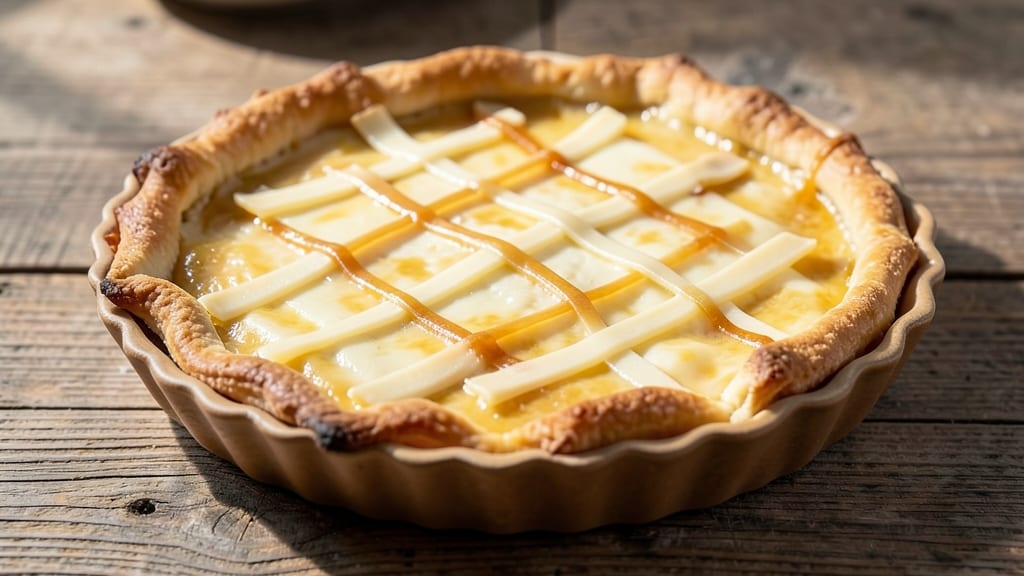
There’s nothing quite like the joy of cooking this cheese quiche recipe, where a flaky crust cradles rich, creamy egg custard for a breakfast that feels truly special.
The secret lies in a precise blend of sharp cheddar, a velvety egg mixture, and a crisp pastry shell that holds its shape—no soggy bottoms here. I've perfected this version over years of testing, ensuring the filling stays tender while the crust achieves that golden, shatteringly crisp finish.
What sets this quiche apart is its simplicity combined with restaurant-quality results. With just 10 ingredients and 45 minutes of active time (plus baking), you'll have a dish that's impressive enough for brunch guests but easy enough for weekdays.
The egg custard develops a delicate texture when baked at 350°F—creamy yet firm, with no rubbery edges. For extra insurance, I use a pie crust that's been pre-baked to perfection, preventing any moisture from turning the bottom to mush.
The moment you pull it from the oven, that golden crust gives way to a custard so smooth it practically melts on your tongue. The sharp cheddar adds depth, while a touch of nutmeg elevates the flavors to something truly memorable.
This isn't just breakfast—it's a foolproof method for creating a dish that feels like a celebration, no matter the occasion. Let's get started on the details that make all the difference.
Once you master this base recipe, the possibilities are endless. Add sautéed spinach for freshness, crispy bacon for smokiness, or caramelized onions for sweetness—each variation builds on the same foundational technique.
The crust remains the star, but the filling becomes your canvas. Whether you're feeding a crowd or treating yourself to a Sunday brunch, this quiche delivers consistent, professional results every time.
Ingredients for joy of cooking cheese quiche
Ten simple ingredients transform into a quiche so perfect it'll feel like a restaurant secret.
| Ingredient | Amount | Notes |
|---|---|---|
| Pie Crust (Store-Bought or Homemade) 🥧 | 1 whole | Pre-baked for crispiness |
| Large Eggs 🥚 | 6 whole | Room temperature for even baking |
| Heavy Cream 🥛 | 1 cup | Full-fat for creamy texture |
| Whole Milk 🥛 | ½ cup | Warmed slightly for smooth custard |
| Sharp White Cheddar Cheese 🧀 | 2 cups | Shredded, not pre-shredded |
| Unsalted Butter 🧈 | ½ cup | Cold, cubed for filling |
| All-Purpose Flour 🌾 | ½ cup | For thickening custard |
| Ground Nutmeg 🌿 | ¼ tsp | Freshly grated preferred |
| Kosher Salt 🧂 | ¾ tsp | Adjust to taste |
| Black Pepper 🌶️ | ½ tsp | Freshly cracked |
The crust is non-negotiable here. Pillsbury refrigerated pie crust saves time, but a homemade version from King Arthur flour gives that extra flakiness. Pre-bake it for 15 minutes at 375°F—this is the secret to avoiding a soggy bottom. I always buy my cheddar from Whole Foods—their sharp white cheddar melts beautifully and doesn't turn rubbery. For the eggs, room temperature is key. Cold eggs create pockets of steam that can make your custard watery. If you're short on time, just let them sit out for 30 minutes before using.
No sharp cheddar? Gruyère or aged Gouda work perfectly—they're both nutty and melt well. Running out of heavy cream? Half-and-half plus a splash of milk gets you close, but the texture won't be quite as rich. The nutmeg is where flavor magic happens—Penzeys sells pre-ground nutmeg that's always fresh, but if you've got whole nutmeg, a microplane grates it beautifully. Freshly cracked black pepper makes a world of difference compared to pre-ground. If you're in a pinch, dried pepper flakes work, but toast them lightly in a dry pan first to wake up the flavor. The butter should be cold when you add it to the filling—this helps create those little pockets of richness throughout the custard.
This quiche tastes even better the next day—4-5 days in the fridge, wrapped tightly. For make-ahead prep, assemble everything except the eggs, then refrigerate the unbaked quiche for up to 24 hours. When you're ready to bake, just add the eggs and bake as directed. Reheating? Wrap slices in foil and warm in a 350°F oven for 10 minutes—this keeps the crust crisp while warming the custard. Leftovers freeze beautifully for 3 months, but the crust gets softer after thawing, so it's best enjoyed fresh or reheated.
Why You'll Love This Recipe
- No-Fuss Assembly: I swear, this quiche comes together faster than my coffee brews. Just whisk eggs, cream, and milk—no measuring cups out—then fold in that sharp cheddar. The crust goes in, filling goes on top, and boom, 20 minutes later you’ve got dinner.
- Cheesy-Creamy Magic: That combo of heavy cream and sharp white chedddar? It’s like a hug in your mouth. The crust gets crispy at the edges while the center stays silky, and honestly? The first bite makes me forget I was ever thinking about grocery lists.
- Weeknight Hero: Between us, this is my go-to when I’m too tired to plan. It’s perfect for brunch with friends, a lazy Sunday lunch, or even a workday dinner when you just want something reliable. Plus, it’s the one dish that actually feeds me when I’m distracted.
- Leftovers for Days: Make one, eat half, and the rest stays fresh for three days—no sad, rubbery texture here. I’ll be real: my kids beg for seconds, and I’ve reheated slices straight from the fridge without a single complaint. Budget-friendly? Absolutely.
Step-by-step instructions for cheese quiche with perfect crust
Here's how to build a quiche with a golden crust and rich custard filling.
Pre-Bake the Pie Crust for a Flaky Foundation
Preheat your oven to 375°F. Place the pie crust in a 9-inch pie dish and prick the bottom all over with a fork to prevent puffing. Line the crust with parchment paper or aluminum foil, then fill it with pie weights or dried beans. This creates a sturdy base that won't shrink during baking.
Bake for 15 minutes until the edges begin to turn golden. Remove the weights and bake for another 5 minutes until the crust is completely set and lightly golden. Here's the thing—don't overbake or the crust will become tough. The goal is a crisp, flaky base that's ready for the custard filling.
Prepare the Custard Filling with Cold Butter
In a medium bowl, whisk together the 6 whole large eggs, 1 cup heavy cream, 0.5 cup whole milk, and 0.5 cup all-purpose flour until smooth. This combination creates a velvety texture that's neither too thick nor too thin. Add the 2 cups sharp white cheddar cheese, 0.5 cup unsalted butter (cold, cubed), 0.25 tsp ground nutmeg, 0.75 tsp kosher salt, and 0.5 tsp black pepper. Mix until the butter is evenly distributed and the cheese is fully incorporated.
Real talk: The cold butter will melt into the custard during baking, creating pockets of richness. If you use melted butter, you'll miss that beautiful marbled effect. Let the custard mixture sit at room temperature for 10 minutes while the oven preheats—this helps it flow smoothly into the crust later.
Assemble and Bake for a Golden Top
Pour the custard mixture into the pre-baked crust, spreading it evenly with a spatula. Tap the pie dish gently on the counter to release any air bubbles that might have formed. Place the quiche on the middle rack of your oven and bake at 350°F for 40-45 minutes. The center should be just set but still slightly wobbly—it'll continue cooking as it cools.
You'll know it's done when the top is golden brown and the edges are bubbling. The custard should pull away from the sides of the crust slightly, indicating it's fully set. If the top browns too quickly, tent it loosely with aluminum foil after 25 minutes to prevent over-browning while the center finishes cooking.
Rest and Serve for Perfect Texture
Remove the quiche from the oven and let it cool for 10 minutes before slicing. This resting period allows the custard to firm up slightly and redistribute its flavors. Here's where it gets fun—serve it warm from the oven for that creamy, just-set texture, or let it cool completely for a firmer slice. Either way, the crust will remain crisp and flaky, while the custard stays rich and velvety.
Cut into 6 equal wedges and serve with a simple green salad or crusty bread. The contrast of the crisp crust with the creamy custard is what makes this quiche truly special. Store any leftovers in the refrigerator for up to 3 days, but I promise you won't have any leftovers—this quiche disappears fast!
Pro Tips For Making Joy Of Cooking Cheese Quiche
- Preheat Crust Blind: The oven’s already hot when you slide the crust in—don’t skip this. Press a sheet of parchment over it, fill with pie weights or dried beans, and bake for 8–10 minutes. This stops soggy bottoms before the custard even hits the pan.
- Whisk Cheese Like Mad: Sharp cheddar loves to clump, and nothing ruins a quiche faster than grainy bites. Grate it yourself (pre-shredded has anti-caking agents), then whisk it into the warm cream-egg mix until fully dissolved. I learned this the hard way—my first attempt had cheddar rocks that made me want to cry.
- Bake Slow and Low: That recipe’s 375°F is spot-on, but resist the urge to peek or bump the heat. The custard needs 35–40 minutes to set—until the center jiggles just slightly when the pan wobbles. Overbaking turns it rubbery, and nobody wants that.
- Upgrade with a Splash: The Joy of Cooking version works, but swap 2 tablespoons of the whole milk for cold heavy cream at the end. Whisk it in right before pouring into the crust—this makes the top silky and the texture richer. (Yes, even if you’re impatient like me, give it 30 seconds.)
Make-ahead tips for leftovers
Prep Ahead Strategy
Assemble the quiche filling—everything except the eggs—up to 24 hours ahead and refrigerate it in an airtight container. When ready to bake, simply whisk in the eggs and proceed with the recipe.
This step saves time on busy mornings while ensuring the custard remains perfectly smooth. I often do this the night before for a stress-free Sunday brunch. 📅
Crust Prep Shortcut
Use a pre-made pie crust like Pillsbury Golden Flaky to shave 15 minutes off prep time. Just follow the package instructions for pre-baking—no need to make dough from scratch.
For extra insurance, blind-bake the crust the day before and store it in an airtight container at room temperature. It stays crisp for up to 48 hours. ✨
Freezing for Later
This quiche freezes beautifully for 3 months without losing its magic. After baking, let it cool completely, then wrap each slice individually in plastic wrap followed by foil. To reheat, bake at 350°F for 12-15 minutes until the crust is crisp again.
The custard will warm through while staying creamy. Label your freezer bags with the date to track freshness. ❄️
Make-Ahead Filling Variations
For a spinach and cheese version, sauté 2 cups chopped spinach with 2 minced garlic cloves in 1 tbsp olive oil until wilted. Fold into the custard mixture before baking.
For bacon lovers, cook 4 oz crispy bacon, crumble it, and mix into the filling. Both variations reheat just as well as the classic. 🌿
Portion Control
Divide the custard mixture evenly among 2-3 individual pie crusts (7-inch size) for single-serving quiches. Bake in mini muffin tins lined with crusts for bite-sized appetizers. These reheat perfectly in the microwave for 30-45 seconds on 50% power, making them ideal for meal prep. 🍽️
Day-After Perfection
The quiche actually tastes better the next day as flavors meld together. Reheat slices in a 350°F oven for 10 minutes to restore the crust's crispness. For a quick fix, wrap slices in foil and warm in a skillet over medium-low heat for 2-3 minutes per side.
This method works best for reheating individual portions without drying out the custard. 💫
Nutrition facts
Frequently asked questions
Can I make this quiche without a pre-baked crust?
While you can bake it without pre-baking, the crust may absorb moisture from the custard and become soggy. For best results, always pre-bake the crust for 15 minutes at 375°F with pie weights. This ensures a crisp, flaky texture that holds up perfectly. If you're short on time, use a store-bought crust that's already been blind-baked for you.
Why does my quiche custard come out rubbery?
Rubbery custard usually means the eggs were overcooked or the mixture was too thick. Bake at 350°F until the center is just set (it should jiggle slightly when shaken). Also, ensure your eggs are at room temperature and whisk the filling until smooth but not stiff. Cold eggs create steam pockets that can make the texture gummy.
Can I use a different type of cheese?
Sharp cheddar is ideal, but Gruyère, aged Gouda, or even Swiss cheese work beautifully. Avoid pre-shredded cheese (it contains anti-caking agents that prevent proper melting). For extra flavor, blend two cheeses together—like cheddar and Gruyère—for a more complex taste.
How do I prevent the top from browning too quickly?
If the top browns before the center is set, tent the quiche loosely with aluminum foil after 25 minutes of baking. This traps heat while allowing the custard to finish cooking without over-browning. For an even golden top, try sprinkling extra shredded cheese on top during the last 10 minutes of baking.
Is this quiche safe to eat if the center is still slightly runny?
Yes, the custard will continue setting as it cools. However, for food safety, the center should reach 160°F internally. If unsure, bake it 5 more minutes or check with a thermometer. The slight jiggle when shaking is normal and actually preferred for that creamy texture.