
Appetizers
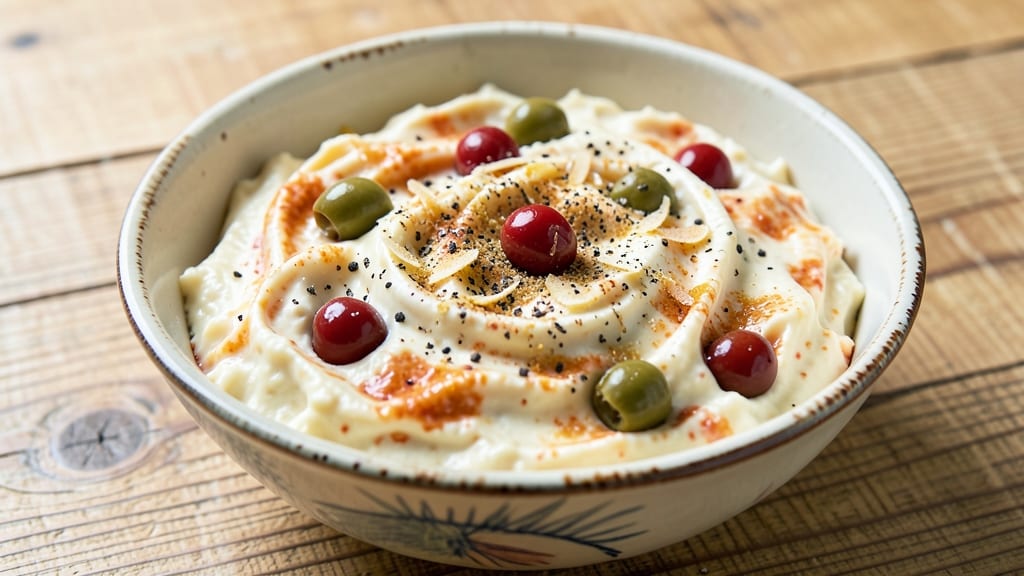
Grandma's old-fashioned pimento cheese recipe delivers that perfect balance of creamy, tangy, and just a hint of smoky heat that makes every bite irresistible.
The combination of sharp cheddar, pimentos, and mayonnaise creates a spread that's rich, velvety, and packed with Southern charm—exactly what you'd find in a well-loved family cookbook.
What makes this recipe special is its simplicity and versatility. With just five key ingredients and a few minutes of prep time, you'll have a spread that's perfect for deviled eggs, burgers, or crackers.
The sharp cheddar provides the bold, tangy flavor, while the pimentos add that signature smoky depth that makes this cheese so iconic.
This pimento cheese holds together beautifully, staying creamy and spreadable whether you use it immediately or store it for later. It’s the kind of recipe that feels like a hug—comforting, familiar, and just a little bit indulgent.
The optional spices like garlic powder or cayenne let you adjust the heat to your preference, ensuring every batch is just right.
Once you try this version, you’ll understand why it’s been a staple for generations. It’s the kind of spread that elevates simple snacks into something special, and it’s foolproof enough to make even on busy weeknights. Let’s get started on making this classic taste come alive in your kitchen.
Ingredients for grandma's old fashioned pimento cheese
Five simple staples transform into that iconic Southern spread you’ll crave forever.
| Ingredient | Amount | Notes |
|---|---|---|
| Sharp White Cheddar Cheese 🧀 | 2 cups | Shredded, block preferred |
| Mayonnaise 🥛 | ½ cup | Full-fat for creaminess |
| Pimento-Stuffed Green Olives 🫒 | ½ cup | Chopped, pitted, drained |
| Garlic Powder 🧄 | 1 tsp | Freshly ground preferred |
| Black Pepper 🌶️ | ½ tsp | Freshly ground preferred |
| Cayenne Pepper 🔥 | ¼ tsp | Adjust for heat preference |
| Sea Salt 🧂 | ½ tsp | Fine grain preferred |
The cheddar is the soul of this spread. White cheddar gives that classic tang—yellow cheddar works but misses the mark. Grab a block from the deli counter (not pre-shredded, that stuff gets gummy) and shred it yourself. Kraft or Cabot are reliable brands, but if you’ve got a local cheesemonger, ask for their sharpest white cheddar. The olives? Goya or Stop & Shop brands have the best pimento flavor—none of that bland store-brand stuff. For the mayo, Hellmann’s or Duke’s are foolproof, but trust me on the full-fat version. Light mayo makes this spread sad.
No pimento olives? Fresh roasted red peppers in a jar work in a pinch (use half the amount), but they won’t have that smoky kick. Short on cheddar? Colby Jack at half the quantity gives a milder taste. Want more heat? Add a pinch of smoked paprika or swap cayenne for hot sauce. The garlic powder is non-negotiable—it’s what ties everything together. If you’ve got fresh garlic, mince 1 clove and add it raw for extra punch. No garlic powder? Asafoetida at 1/4 tsp mimics the depth (trust me, it’s a game-changer).
This keeps 5-7 days in the fridge, sealed tight in a jar. The flavors actually improve overnight—give it a stir before using. For longer storage, freeze for up to 3 months in ice cube trays (perfect for single servings). Leftovers? Slather on crackers, mix into deviled eggs, or use as a burger topping. It’s that versatile.
Why You'll Love This Recipe
- No-Fuss Mixing: I swear by this recipe because it’s literally three ingredients mashed together—no cooking, no fancy tools. Just shred that sharp cheddar, chop the olives (or grab pre-pitted ones), and fold in mayo until it’s smooth. Honestly, my hands are usually cleaner than my kitchen counter by the time I’m done.
- Tangy Garlicky Magic: That first bite? The cheddar’s sharpness cuts through the mayo’s richness while the pimento olives bring this just-right briny heat. A pinch of garlic powder and black pepper? Boom—it’s got depth without tasting like a recipe. I’ll be real: my husband licks the spoon when I make it.
- Sandwiches to Snacks: This stuff works everywhere. Slather it on buttered toast for a quick lunch, stuff it in biscuits for church potlucks, or serve it with crackers when friends drop by. Even my picky teenage nephew asks for it—(yes, even on a Tuesday night).
- Stays Fresh, Saves Money: Make a big batch and it’ll keep for days in the fridge, perfect for last-minute meals or when you’re too tired to cook. Plus, sharp cheddar and mayo are cheap staples—this recipe stretches my grocery budget without sacrificing flavor. Not the prettiest, but the taste makes up for it.
Step-by-step instructions for grandma's old-fashioned pimento cheese
Here's how to blend this classic Southern spread with perfect texture and bold flavor.
Shred the Sharp White Cheddar Cheese
Start with the 2 cups of sharp white cheddar cheese straight from the block—never pre-shredded. Use a sharp box grater or food processor fitted with a shredding blade to create fine, even shreds. You want the cheese to melt smoothly without any large clumps that won't blend properly. If using a food processor, pulse briefly to avoid melting the cheese from friction.
Real talk: the cheese should be at room temperature for best results. If it's straight from the fridge, let it sit out for 15-20 minutes while you prepare the other ingredients. Cold cheese won't blend as smoothly and may create a grainy texture in your finished spread. The shreds should be uniform in size—this ensures even melting throughout the mixture.
Combine Wet Ingredients
In a medium mixing bowl, add the 0.5 cup mayonnaise, 0.5 cup chopped pimento-stuffed green olives, and 1 teaspoon garlic powder. Stir these ingredients together until completely blended. The olives should be finely chopped—about ¼-inch pieces—to distribute evenly without creating texture issues. Here's where it gets fun: the olives add that signature tangy brightness that balances the sharp cheddar.
I like to use a silicone spatula for this step because it helps scrape up any ingredients clinging to the bowl. The mixture should look like a thick, slightly chunky paste at this stage. Don't worry if it looks uneven—we'll fix that in the next step. The mayonnaise acts as the binder that will create that signature creamy texture we all love in pimento cheese.
Blend the Cheese Mixture
Add the shredded cheese to the wet ingredients and stir gently with the spatula until combined. Here's the thing—you don't want to overmix at this stage. The cheese should be mostly incorporated but still have some visible shreds. This prevents the mixture from becoming too dense. If you're using an electric mixer, use low speed for about 30 seconds to start combining.
Next, add the 0.5 teaspoon black pepper, 0.25 teaspoon cayenne pepper, and 0.5 teaspoon sea salt. Stir again until these dry ingredients are evenly distributed. The cayenne adds just the right amount of heat to complement the sharp cheddar, while the black pepper provides that classic spiced note. Taste the mixture now—you should notice the sharpness of the cheese, the tang from the olives, and a subtle warmth from the spices.
Process Until Smooth
Transfer the mixture to a food processor fitted with the metal blade. Pulse the mixture in 3-second bursts until completely smooth, about 15-20 seconds total. You're looking for a creamy, spreadable consistency—like thick whipped cream. If the mixture seems too thick after processing, add 1-2 teaspoons of water and pulse again. This ensures the perfect texture without diluting the flavor.
Don't skip this step—using a food processor creates that signature smooth texture that makes this cheese so special. If you don't have a food processor, you can use an immersion blender in the mixing bowl, but you might need to strain the mixture through a fine-mesh sieve to achieve complete smoothness. The final product should be silky, not grainy, with no visible cheese shreds remaining.
Chill and Serve
Transfer the pimento cheese to an airtight container and refrigerate for at least 1 hour before serving. This chilling time allows all the flavors to meld together perfectly. The cheese will firm up slightly, making it easier to spread. I know it's tempting to eat it immediately, but trust me—waiting makes all the difference in flavor development.
When ready to serve, give the container a good stir to redistribute any separated ingredients. The finished product should be smooth, creamy, and slightly tangy with just the right amount of heat from the cayenne. Serve on toasted bread, with crackers, or as a dip for fresh vegetables. This classic Southern spread tastes even better the next day as the flavors continue to develop in the refrigerator.
Pro Tips For Making Grandma'S Old Fashioned Pimento Cheese
- Grate the Cheese Fresh: Skip the pre-shredded stuff—it’s full of anti-caking agents that make your pimento cheese grainy. Use a box grater and work in batches if needed; sharp white cheddar should melt smoothly, not clump like sand. (Yes, even if you’re impatient like me.)
- Chop Olives Coarse: Don’t mince those pimento-stuffed olives into oblivion—leave them chunky. You want pockets of briny, spicy flavor, not a paste. A quick chop with a chef’s knife (about ¼-inch pieces) keeps the texture right and the taste bold.
- Mix Slow and Low: After combining mayo and cheese, let the whole thing sit for 5 minutes before folding in olives and seasonings. This lets the cheese soften and the mayo emulsify properly—no last-minute scrambling when the texture turns to glue. (Your future self will thank you.)
- Season in Layers: Start with just garlic powder and black pepper, then taste before adding more. The olives and mayo already bring salt, so resist the urge to overdo it—you can always add a pinch later, but you can’t un-salt a spread. (I learned this the hard way.)
Common mistakes when making great grandma's old fashioned pimento cheese
Skipping the Chill
One of the biggest mistakes I see is serving pimento cheese right after mixing—especially if you're in a hurry. The cheese needs that 1-hour chill time to fully meld and develop its signature creamy texture.
Without chilling, the spread will taste disjointed, with the sharp cheddar and spices fighting for dominance. I've caught myself rushing this step multiple times, and every time, the texture ended up grainy and the flavors underdeveloped. 🧀
Using Pre-Shredded Cheese
Pre-shredded cheese is a kitchen shortcut that ruins this recipe. The anti-caking agents in pre-shredded cheese create a gummy, rubbery texture that's impossible to blend out, no matter how much you process it. Always use freshly shredded block cheese—it's worth the extra 5 minutes of grating time.
I recommend using a microplane or box grater for the finest, most even shreds. The difference in texture is night and day.
Overmixing the Cheese
Once you add the cheese to the wet ingredients, resist the urge to overmix. Too much stirring or blending at this stage creates a dense, heavy spread that loses its creamy quality. The cheese should be mostly incorporated but still have some visible shreds when you stop mixing.
I've seen people turn this into a cheese glop by blending too aggressively before processing. The key is patience—let the food processor do the heavy lifting in the final step. 🥛
Wrong Olive Choice
Not all olives are created equal for pimento cheese. Using regular green olives or black olives instead of pimento-stuffed green olives will leave you with a bland, uncharacteristic flavor. The pimentos inside those olives provide that essential smoky, slightly sweet depth that balances the sharp cheddar.
If you can't find pimento olives, roasted red peppers are the closest substitute, but they won't have the same signature taste. I've tried both, and the difference is noticeable.
Ignoring the Garlic
The garlic powder (or fresh garlic) is what ties all the flavors together, and skipping it completely changes the character of the cheese. Some recipes omit it, but that's a missed opportunity for depth.
I've made this cheese without garlic, and while it's still good, it lacks that complex, savory backbone. For extra punch, I sometimes add 1 raw minced garlic clove to the wet ingredients before blending. The raw garlic adds a fresh, bright note that cooks can't replicate.
Incorrect Processing Time
Underprocessing leaves visible cheese shreds, while overprocessing turns the mixture oily and separates. The perfect texture comes from 15-20 seconds of pulsing in a food processor—just enough to create a silky, spreadable consistency.
I've ruined batches by overprocessing, which breaks down the cheese's fat content and creates a greasy, unappetizing texture. If your mixture looks too thick after processing, add just 1 teaspoon of water and pulse again. Never add more than that, or you'll dilute the flavor. 💡
Nutrition facts
Frequently asked questions
Why does this recipe call for white cheddar instead of yellow?
The white cheddar delivers that classic tangy sharpness that makes traditional pimento cheese stand out. Yellow cheddar works but lacks the same bold flavor profile. For the best results, use a block cheese like Kraft or Cabot—never pre-shredded, as it contains anti-caking agents that ruin the texture.
Can I make this without a food processor?
Yes! If you don't have a food processor, use an immersion blender in the mixing bowl and strain the mixture through a fine-mesh sieve afterward. The goal is a silky, spreadable consistency—just avoid overmixing before blending. A potato masher also works in a pinch, though the texture may be slightly chunkier.
How long will this keep in the fridge, and can I freeze it?
This pimento cheese stays fresh for 5-7 days in an airtight container. For longer storage, freeze in ice cube trays for single servings (up to 3 months)). Thaw overnight in the fridge—never at room temperature. The flavors actually improve after chilling, so leftovers make great sandwich spreads or cracker dips.
What are the best ways to use leftover pimento cheese?
Spread it on toasted bread, slather it on burgers, or use it as a dip for veggies. Mix it into deviled eggs for extra flavor, or spread it on hot dogs. It also elevates grilled cheese sandwiches—just add a layer of this creamy spread before assembling. The possibilities are endless!
Can I adjust the heat level in this recipe?
For more heat, add an extra ¼ teaspoon cayenne or a dash of hot sauce. For milder flavor, reduce the cayenne or omit it entirely. You can also add smoked paprika for a subtle smoky depth without extra heat. Taste as you go—this is your chance to customize it to your preference.