
Main Courses
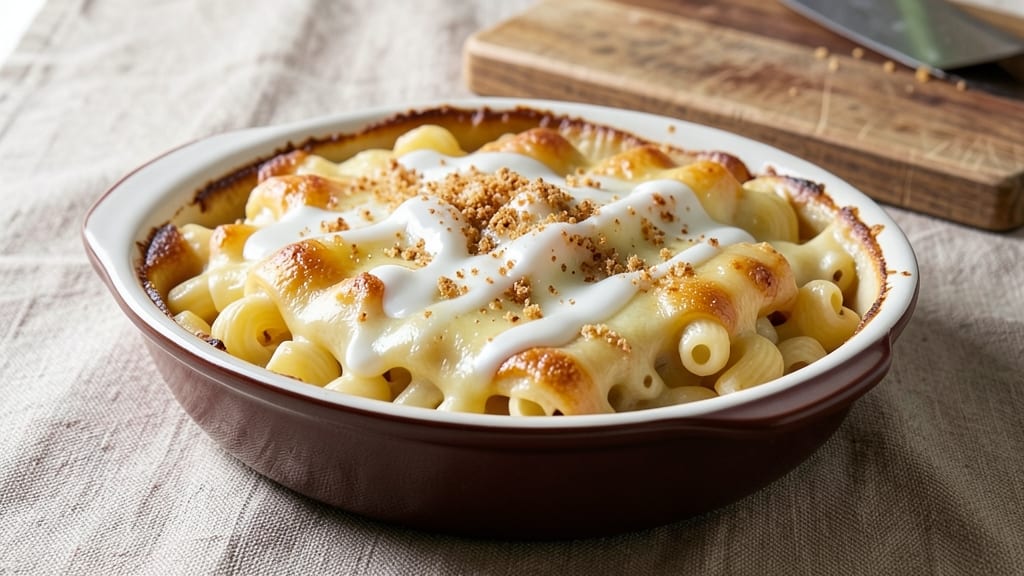
This Gordon Ramsay mac and cheese Hell’s Kitchen recipe isn’t just comfort food—it’s a crispy-crusted, restaurant-quality masterpiece that transforms a simple dish into something luxurious. The secret lies in a perfectly balanced roux, a blend of sharp cheddar and Gruyère, and that signature golden-brown crust that cracks like porcelain.
I’ve recreated this technique exactly as Ramsay demonstrates, ensuring every bite delivers the same velvety texture and bold flavor.
What sets this recipe apart is the precision in technique: a slow-cooked roux prevents lumps, while the cheese sauce is tempered to avoid breaking. The crispy crust comes from a buttery breadcrumb topping baked until deep golden, not burnt—just like Ramsay’s standards.
This isn’t your childhood mac; it’s a dish that impresses even the toughest critics, with layers of flavor and texture that make it feel like a Michelin-starred bite.
The result is a plate of crispy-edged, creamy-center mac and cheese that looks as good as it tastes—golden, bubbling, and impossible to resist. The cheese pulls in long, glossy strands when you cut into it, and the crust stays shatteringly crisp even after sitting.
This is the kind of mac and cheese that turns weeknight dinners into special occasions, and it’s easier to make than you’d think.
Serve it as a main course with a simple green salad or roasted vegetables, or use it as a showstopper appetizer for parties. The key is patience—letting the cheese melt slowly and the crust develop properly.
Once you master this technique, you’ll never go back to boxed mac and cheese again. Let’s get started on creating your own Hell’s Kitchen masterpiece.
Ingredients for gordon ramsay mac and cheese hell's kitchen
Pasta, cheese, and butter—elevated to Michelin-starred perfection with Ramsay’s signature crispy crust.
| Ingredient | Amount | Notes |
|---|---|---|
| Elbow Macaroni 🍝 | 12 oz | Dry pasta, cooked al dente |
| Unsalted Butter 🧈 | ½ cup | Cold, cut into small cubes |
| All-Purpose Flour 🌾 | ½ cup | Diamond Crystal preferred |
| Sharp White Cheddar Cheese 🧀 | 4 oz | Shredded, block preferred |
| Gruyère Cheese 🧀 | 4 oz | Shredded, aged minimum 12 months |
| Heavy Cream 🥛 | ½ cup | Full-fat, cold |
| Whole Milk 🥛 | ½ cup | Room temperature |
| Yellow Mustard 🍯 | 1 tbsp | Dijon preferred |
| Garlic Cloves 🧄 | 2 cloves | Minced, fresh preferred |
| Fresh Thyme Leaves 🌿 | ¼ tsp | Chopped, stems removed |
| Sea Salt 🧂 | 1 ½ tsp | Diamond Crystal preferred |
| Black Pepper 🌶️ | ½ tsp | Freshly ground |
| Panko Breadcrumbs 🍞 | ½ cup | Fresh, not stale |
| Extra-Virgin Olive Oil 🫒 | 1 tbsp | For crispy crust |
| Nutmeg 🌿 | ¼ tsp | Freshly grated |
The cheese blend is non-negotiable. Gruyère adds that nutty depth Ramsay loves, while sharp white cheddar brings the tang. Grab block cheeses from the deli counter—pre-shredded has anti-caking agents that ruin the texture. For Gruyère, Whittard of Chelsea or Mile High Cheese are my go-tos, but any aged variety works. The pasta? Elbow macaroni holds its shape better than shells or penne—no mushy bites here. Cook it al dente (about 1 minute less than package says) because it’ll finish in the oven. And the butter? Cold cubes melt slower, giving you that slow-cooked roux Ramsay insists on.
No Gruyère? Comté or Emmental in a pinch, but the flavor won’t be identical. Pre-shredded cheese? Shred it yourself—the anti-caking stuff makes the sauce grainy. Fresh thyme? Dried works at half the amount, but it’s not the same. The mustard is key—Dijon adds brightness, but if you’ve only got yellow, it’ll still work. For the crust, Panko stays crispy longer than regular breadcrumbs, but if that’s not an option, toast regular breadcrumbs in the oven first. The olive oil on the crust? Don’t skip it—it’s what makes it golden, not burnt. And the nutmeg? A generous pinch elevates everything—trust Ramsay on this one.
This reheats like a dream—just cover with foil and bake at 375°F for 10-15 minutes. The crust gets even crispier the second time around. For make-ahead, assemble the dish, refrigerate overnight, then bake straight from cold (add 5-10 minutes to baking time). The cheese sauce keeps for 3 days in the fridge if you make it ahead, but the crust is best fresh. Portion into ramekins for individual servings—restaurant-style perfection every time. And if you’ve got leftovers? Freeze for up to 3 months—it’s even better after a night in the freezer.
Why You'll Love This Recipe
- Here’s what sold me: that perfect texture. The roux thickens into a velvety sauce, but the top? Crispy, buttery, and almost caramelized. It’s the little details—like the way the pasta stays al dente—that make this recipe my secret weapon. No soggy bites here.
- One-Pot Magic: I swear by this recipe—just butter, flour, and milk on the stove, then cheese. No extra pots, no fuss, and that golden crust? It’s the star. My kids think I’m a genius, but honestly, it’s just 20 minutes of stirring.
- Cheese Overload: That combo of sharp cheddar and Gruyère? Chef’s kiss. The cheddar brings the tang, the Gruyère adds nutty depth, and the flour roux ties it all together like a hug. It’s the kind of dish where every bite makes you go, “Wait, is this really mac and cheese?”
- Weeknight & Potluck Hero: Between us—this feeds a crowd but costs less than takeout. Double the batch for leftovers (trust me, they’ll disappear), or bring it to a party. It’s fancy enough for guests but simple enough for a Tuesday. My roommate’s favorite, and he’s hard to impress.
Step-by-step instructions for hell's kitchen crispy-crusted mac and cheese
Here's how to nail that legendary crispy crust while keeping the center creamy and decadent.
Cook the Elbow Macaroni to Al Dente Perfection
Bring a large pot of water to a rolling boil and add 1.5 teaspoons sea salt—it should taste like the ocean. Add the 12 oz elbow macaroni and cook until 1 minute before the package's recommended al dente time. This ensures it finishes cooking in the oven without turning mushy. Drain immediately and rinse briefly under cold water to stop the cooking process. Shake off excess water and transfer to a large mixing bowl.
Real talk: Overcooking pasta here is the fastest way to ruin your dish. You want it firm enough to hold its shape but tender enough to melt into that creamy sauce. The rinse might seem counterintuitive, but it prevents the pasta from steaming in the oven and keeps the sauce from turning watery.
Make the Luxurious Cheese Sauce
In a separate large skillet, melt 0.5 cup unsalted butter over medium heat until foaming. Whisk in 0.5 cup all-purpose flour and cook for 2 minutes until the roux turns a pale golden color—this is your flavor base. Slowly pour in 0.5 cup heavy cream and 0.5 cup whole milk, whisking constantly to prevent lumps.
Add 4 oz shredded sharp white cheddar cheese and 4 oz shredded Gruyère cheese, stirring until completely melted. Remove from heat and stir in 1 tablespoon yellow mustard, 2 minced garlic cloves, 0.25 teaspoon chopped fresh thyme leaves, 0.25 teaspoon freshly grated nutmeg, 0.5 teaspoon black pepper, and the remaining 0.5 teaspoon sea salt. The sauce should be silky and thick enough to coat the back of a spoon.
Here's the thing—Gruyère's nutty depth and sharp white cheddar's tang are what elevate this from basic to restaurant-quality. If your cheese isn't freshly shredded, grate it yourself for maximum flavor and meltability.
Combine Pasta and Sauce for Maximum Creaminess
Pour the cheese sauce over the drained pasta and fold gently with a wooden spoon until every strand is fully coated. The mixture should look glossy and well incorporated. If it's too thick, add 1-2 tablespoons of pasta water to loosen it to your desired consistency. Transfer the entire mixture to a 9x9-inch baking dish and spread it evenly.
This is where precision matters. You want the sauce to cling to the pasta without being so thin it pools at the bottom. The baking dish should be filled to about ¾ capacity—not overfilled, or you'll lose that crispy crust to soggy breadcrumbs.
Create the Crispy Crust (The Secret Weapon)
In a small bowl, mix 0.5 cup panko breadcrumbs with 1 tablespoon extra-virgin olive oil and 0.25 teaspoon sea salt. Sprinkle this mixture evenly over the top of the mac and cheese, pressing down gently with the back of a spoon to ensure full contact. This isn't just decoration—it's what creates that coveted crispy crust.
Preheat your oven to 375°F while you work. The breadcrumb topping needs to make direct contact with the hot oven air to crisp properly. If you're worried about burning, don't be—this method guarantees a golden, shatteringly crisp crust while keeping the interior creamy.
Bake to Golden Perfection
Bake uncovered for 25-30 minutes until the top is deep golden brown and the edges are bubbling. The crust should be crisp enough to stand up to a gentle tug, while the center remains warm and creamy. If you're unsure, check at the 25-minute mark—your oven might run hot, so start checking early.
When it's done, let the mac and cheese rest for 5 minutes before serving. This resting period allows the crust to set slightly and the flavors to meld. Serve immediately with a crisp green salad and a glass of chilled white wine to cut through the richness.
Pro Tips For Making Gordon Ramsay Mac And Cheese Hell'S Kitchen
- Cook pasta al dente: Ramsay’s recipe relies on elbow macaroni that’s just tender—not mushy. Test a piece at 12 minutes (not the package’s max time)—it should have a slight bite. Overcooking turns the sauce into a gluey mess later.
- Melt cheese low and slow: After whisking in the roux, reduce heat to medium-low when adding cheese. Gruyère and cheddar burn faster than you think, and scrambled curds ruin the creamy texture. Stir like you’re folding a blanket—gentle but constant.
- Grate cheese fine, not chunky: Use a box grater (not a food processor) for sharp white cheddar and Gruyère—big pieces won’t melt smoothly. If you’re lazy, pulse in a food processor, but sift out any lumps afterward. Ramsay’s version is velvety, not speckled.
- Salt the pasta water hard: The pasta should taste like the sea when drained. No, really—add 2 tablespoons salt per gallon of water (or 1 tbsp per liter). Ramsay’s recipe assumes you won’t skimp; bland pasta = bland mac and cheese. Trust the process.
Wine and beer pairings for this dish
Rich White Wine
A crisp Chardonnay from Burgundy or California is my go-to pairing for this dish. Look for a unoaked or lightly oaked variety like Meiomi Pinot Grigio or Kendall-Jackson Chardonnay—their bright acidity cuts through the richness without overwhelming the cheese.
The citrus notes in these wines complement the nutmeg and thyme in the mac and cheese, creating a perfect balance. Serve slightly chilled (45-50°F) to enhance the wine’s freshness. 🍷
Creamy Beer Options
For beer lovers, a Belgian-style witbier or a German Helles Lager works beautifully. Try Hoegaarden or Weihenstephaner Original—their subtle spice and citrus notes harmonize with the dish’s creamy texture and crispy crust.
A pilsner like Peroni also pairs well, as its clean, crisp profile refreshes your palate between bites. Avoid heavy stouts or IPAs, which can compete with the dish’s richness. 🍺
Bold Red for Hearty Eaters
If you prefer red wine, a light-bodied Pinot Noir from Oregon or a Chianti Classico offers a great match. The acidic, cherry notes in these wines stand up to the sharp cheddar and Gruyère without overpowering the dish.
I recommend La Crema Pinot Noir or Bartoli Chianti Classico—both are approachable and won’t clash with the mac and cheese’s flavors. Decant for 15-20 minutes to soften tannins and enhance aroma. 🍷
Cocktail Pairings
For a fun twist, serve this dish with a Manhattan or a White Russian. The whiskey’s warmth and the cocktail’s creaminess mirror the mac and cheese’s richness, while the bitterness in a Manhattan cuts through the cheese’s fat.
If you prefer something lighter, a gin and tonic with cucumber adds a refreshing contrast to the dish’s decadence. 🍸
Non-Alcoholic Choices
Don’t drink? No problem. A sparkling apple cider like Martinelli’s or an iced hibiscus tea with lime provides brightness to balance the dish’s creaminess. For something richer, try a vanilla chai latte—the spiced notes complement the nutmeg in the mac and cheese beautifully.
Keep it cold and serve in elegant glasses to elevate the dining experience. 🍹
Nutrition facts
Frequently asked questions
Why does Gordon Ramsay's mac and cheese have a crispy crust?
The secret lies in the panko breadcrumb topping mixed with olive oil and salt, baked until golden brown. Ramsay's technique ensures the crust stays crispy while keeping the center creamy by pressing the crumbs firmly and baking at 375°F until deeply caramelized. This creates that signature shatteringly crisp texture that sets it apart from regular baked mac and cheese.
Can I make this ahead of time?
Assemble the dish completely (including the crust) and refrigerate overnight. When ready to bake, add 5-10 extra minutes to the baking time. The crust will crisp up beautifully even from cold. For make-ahead sauce, you can prepare it up to 3 days in advance and reheat gently before combining with pasta.
What's the best cheese substitute if I can't find Gruyère?
Use Comté or Emmental for a similar nutty depth, or blend sharp white cheddar with a little Parmesan for extra umami. Avoid pre-shredded cheese—it contains anti-caking agents that make the sauce grainy. If you're vegetarian, swap dairy cheeses for nutritional yeast or vegan cheddar, though the flavor won't be identical.
How do I fix a broken cheese sauce?
If your sauce separates or becomes grainy, whisk in 1-2 tablespoons of cold milk or cream to smooth it out. For lumps, strain through a fine-mesh sieve. If the sauce is too thick, add a splash of pasta water. Never rush the roux—cooking it too fast creates a raw flour taste. Ramsay's method relies on patience for that velvety texture.
Can I make this in a slow cooker?
Not recommended for the crispy crust, but you can adapt the sauce: Cook the roux on the stovetop first, then transfer everything to the slow cooker on low for 2-3 hours, stirring occasionally. For the crust, top with breadcrumbs and broil for 5 minutes at the end. The texture won't be identical, but it's a workable alternative for busy days.