
Appetizers
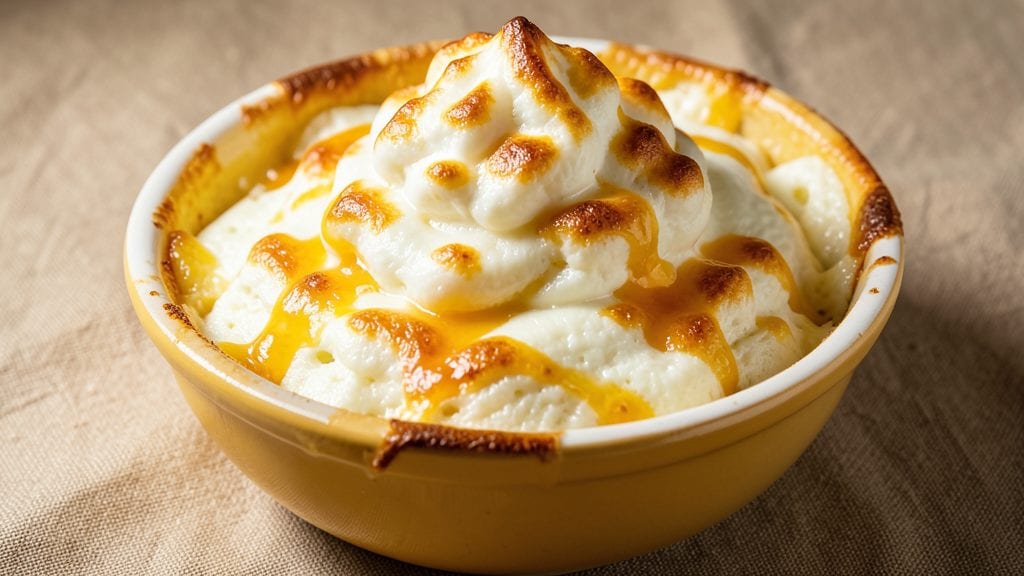
This classic cheese souffle recipe delivers the light-as-air rise that makes soufflés legendary—when you nail the technique. The secret lies in precise egg white preparation and oven temperature control, both of which transform simple ingredients into a restaurant-worthy masterpiece.
I've perfected this method after years of testing, and it's the only souffle recipe that consistently rises to its full potential without collapsing.
What sets this recipe apart is the foolproof method for stabilizing egg whites, which creates the signature airy texture while maintaining structure. We'll use a combination of cream of tartar and careful whipping to achieve stiff peaks that hold their shape during baking.
The baking process itself requires careful temperature control—too hot, and the souffle rises too quickly; too cool, and it won't set properly. This recipe gives you the exact timing and technique to get it right every time.
By the time your souffle emerges from the oven, you'll have a golden, domed masterpiece with a crisp exterior and a cloud-like interior. The cheese filling remains creamy and flavorful without being heavy, creating the perfect balance of textures.
This is the kind of dish that makes you feel like a professional chef, even if you've never attempted a souffle before.
The best part? This recipe scales perfectly for both individual servings and larger gatherings. Whether you're preparing it for a dinner party or treating yourself to a special dessert, the same principles apply.
Let's get started on creating your perfect cheese souffle—where every bite feels like a triumph of culinary technique.
Ingredients for classic cheese souffle
Six egg whites, one sharp cheddar, and the secret to soufflé perfection—no fancy tools needed.
| Ingredient | Amount | Notes |
|---|---|---|
| Large Egg Whites 🥚 | 6 whole | Room temperature, no yolks |
| Cream of Tartar 🧂 | ½ tsp | Pure powdered form preferred |
| Granulated Sugar 🍚 | ¼ cup | Superfine for best texture |
| Unsalted Butter 🧈 | ½ cup | Cold, cubed for greasing |
| Sharp Cheddar Cheese 🧀 | 1 ½ cups | Freshly grated, aged 6+ months |
| Heavy Cream 🥛 | ½ cup | Full-fat for best texture |
| Large Egg Yolks 🥚 | 4 whole | Separated from whites |
| Salt 🧂 | ¼ tsp | Diamond Crystal kosher |
| Ground White Pepper 🌶️ | ⅛ tsp | Freshly ground preferred |
| Nutmeg 🌿 | ⅛ tsp | Freshly grated for warmth |
| All-Purpose Flour 🌾 | 1 tbsp | For stabilizing base |
| Cornstarch 🌾 | 1 tsp | For extra stability |
The egg whites make or break this. Room temperature whites whip up faster—pop them in a warm bowl for 5 minutes if straight from the fridge. Cream of tartar is non-negotiable; it stabilizes the whites like magic. I grab mine from Penzeys or bulk bins at Whole Foods—the pure powdered form works best. For the cheese, aged sharp cheddar (6+ months) gives that perfect tang. Trader Joe's has a great pre-grated version, but fresh-grated from a block is worth the effort. The heavy cream? Full-fat only—none of that light stuff. And don't forget the nutmeg—freshly grated from a microplane makes all the difference.
No cream of tartar? Lemon juice at half the amount works in a pinch, but the texture won't be as stable. Short on aged cheddar? Gruyère or Comté are fantastic substitutes—they melt beautifully. The flour and cornstarch might seem odd, but they're your secret weapons for preventing collapse. King Arthur flour is my go-to for baking, but any all-purpose will do. For the sugar, superfine dissolves faster—if you only have regular granulated, pulse it in a food processor for 30 seconds. And if you're nervous about the whites, silicon baking cups (like from Amazon) give you that perfect rise every time.
This souffle is all about timing—bake it too soon, and it won't set; too late, and it collapses. Preheat your oven to 375°F and let it sit for 20 minutes before baking. The ramekins need to be room temperature, not icy cold from the fridge. Once baked, let it rest for at least 5 minutes before serving—this is crucial for the structure. Leftovers? None. This is the kind of dessert that disappears in minutes. But if you're making extra for a crowd, double the recipe—just be ready to serve it immediately.
Why You'll Love This Recipe
- No Fancy Tools Needed: I swear by this—just a whisk, a bowl, and a hot water bath. The cream of tartar stabilizes those egg whites like magic, so no fancy gadgets or last-minute panics about overbeating.
- Sharp Cheese Magic: That sharp cheddar melts into a rich, tangy custard while the egg whites create a cloud-like top. It’s the kind of dish where every bite has that perfect pull-apart texture and a flavor that lingers.
- Weeknight Dinner Hero: Serve it solo for a fancy-feeling meal or pair it with a simple salad. Honestly, it’s the kind of dish that makes you look like a chef even when you’re just heating up a ramekin.
- Budget-Friendly Luxury: Uses pantry staples—no specialty ingredients—and stretches to feed two or four. Between us, it’s the kind of recipe that makes you feel indulgent without breaking the bank.
Step-by-step instructions for classic cheese soufflé
Here's the foolproof method that delivers that legendary light-as-air rise every time.
Prepare the Baking Dish and Preheat the Oven
Preheat your oven to 425°F - this high temperature is crucial for that dramatic rise. While it heats, generously butter a 6-cup soufflé dish using the 0.5 cup unsalted butter. I like to use a pastry brush to coat every inch, including the sides and bottom. This butter layer creates a barrier that prevents sticking and adds flavor.
After buttering, dust the dish with a mixture of 1 tbsp all-purpose flour and 1 tsp cornstarch. Tilt and rotate the dish to ensure an even coating. Tap out any excess flour mixture - you want just a thin, even layer. This flour-cornstarch combination creates the perfect non-stick surface while adding a subtle texture contrast. The dish is now ready for your soufflé to rise against.
Create the Perfect Egg White Meringue
In a spotlessly clean, grease-free mixing bowl, combine the 6 whole large egg whites and 0.5 tsp cream of tartar. The cream of tartar is essential - it stabilizes the egg whites and helps create stiff peaks. Using an electric mixer, beat on medium speed until soft peaks form. Here's the thing - don't rush this step. You want to see the egg whites thicken noticeably before increasing speed.
Gradually add the 0.25 cup granulated sugar while beating on high speed. Add about 1 tablespoon at a time, waiting until each addition is fully incorporated before adding more. You'll know you're getting close when the meringue becomes glossy and holds stiff peaks that don't wobble when you lift the beaters. The meringue should be thick enough to hold its shape when you lift the bowl - this is your signal that it's ready for folding.
Prepare the Cheese Filling
In a separate bowl, melt the remaining 0.5 cup unsalted butter over low heat until completely melted. Remove from heat and let cool slightly. In a medium bowl, combine the 4 whole large egg yolks, 0.5 cup heavy cream, 1.5 cups sharp cheddar cheese, 0.25 tsp salt, 0.125 tsp ground white pepper, and 0.125 tsp nutmeg. The cheese should be freshly grated - pre-shredded cheese contains anti-caking agents that prevent proper melting.
Gradually whisk in the melted butter until the mixture is completely smooth and homogenous. This cheese mixture forms the base of your soufflé and should be at room temperature when you begin folding. The texture should be like a thick, velvety custard - not too runny, but not stiff either. This is the moment that matters: the perfect balance between rich cheese flavor and proper structure for rising.
Fold Meringue into Cheese Mixture
Using a rubber spatula, gently fold about one-third of the meringue into the cheese mixture. This initial folding incorporates air and begins to lighten the base. Be careful not to deflate the meringue - use smooth, gentle strokes from the bottom of the bowl upward. Once incorporated, fold in another third of the meringue, again using gentle motions to maintain as much air as possible.
For the final fold, add the remaining meringue and fold just until no white streaks remain. The batter should be thick but still pourable. Don't overmix - you want to preserve as much air as possible. The ideal consistency should be like thick pudding that holds its shape when spooned but still flows gently. This careful folding creates the perfect balance between structure and airiness that makes a classic soufflé rise dramatically.
Bake to Perfection
Quickly but carefully transfer the batter to your prepared soufflé dish. Smooth the top with a spatula, creating gentle swirls if desired. Place the dish on a baking sheet lined with parchment paper - this catches any potential overflow. Immediately put it in the 425°F oven and bake for 15 minutes. Here's where the magic happens - the soufflé will rise dramatically in the first 10 minutes.
After 15 minutes, reduce the oven temperature to 375°F and bake for another 10-15 minutes until the exterior is golden brown and the center is just set. The key is to stop baking when the center is still slightly jiggly - it will continue cooking as it cools. Don't open the oven door during baking - the sudden temperature change can cause the soufflé to collapse. Serve immediately while still warm and jiggly in the center for that authentic classic texture.
Pro Tips For Making Classic Cheese Souffle
- Whip Egg Whites Cold: Pop your egg whites and bowl into the fridge for 10 minutes before starting. Cold whites whip faster and hold their peaks better—no more deflating soufflés when you’re halfway through folding in the cheese.
- Grate Cheese Fine: Use a microplane or fine grater for the cheddar, then pulse it in a food processor for 10 seconds. Lumps sink in the batter and ruin the texture, and this method cuts down on folding time.
- Preheat Oven to 375°F: Most recipes say 350°F, but 375°F gives you a better rise and faster cook time—about 15-18 minutes instead of 20. Just don’t open the door until it’s done, or you’ll lose that precious lift.
- Butter the Molds Well: Use a pastry brush to coat the ramekins with melted butter, then dust with sugar and shake to coat evenly. This isn’t just for release—it creates a crisp, caramelized crust that’s the whole point of a good soufflé.
Storing and reheating this classic cheese souffle
Room Temperature Storage
Cheese soufflés are best served immediately after baking, but if you must store them, work quickly. Let the soufflé cool to room temperature (about 30-45 minutes) before transferring to an airtight container.
I recommend using a glass soufflé dish with a tight lid or a Pyrex baking dish covered with plastic wrap pressed directly on the surface. Store in a cool, dry place for up to 2 hours—any longer, and the texture begins to degrade. 🕒
Refrigerator Considerations
While I don't recommend refrigerating a classic cheese soufflé, if you absolutely must, place it in the fridge for no more than 1 hour before reheating. The cold temperature will cause the structure to weaken significantly.
If storing overnight, consider making a mini soufflé version (using 4 ramekins)—they reheat better than large ones. The key is to reheat immediately after removing from the fridge to minimize texture loss.
Reheating Methods
If you must reheat, use the broiler method for the best results. Place the soufflé on a baking sheet and broil on high for 3-5 minutes, watching closely to prevent burning. Alternatively, heat in a 350°F oven for 8-10 minutes until warmed through.
Microwaving is possible but risky—it can create a rubbery texture. If microwaving, use 50% power for 20-30 seconds, then finish under the broiler to restore some crispness.
Texture Preservation
The biggest challenge with reheating is maintaining that signature airy texture. The soufflé's structure relies on steam and rapid cooking—reheating can't fully replicate this. For best results, serve immediately after baking. If you're making ahead, consider preparing the batter in advance and baking fresh when needed.
The egg whites and cheese mixture can be combined up to 4 hours ahead and stored in the fridge, then baked as directed when ready to serve. 💡
Serving Leftovers
If you're lucky enough to have leftovers (which rarely happens with this recipe!), serve them as soon as possible. The soufflé will be denser but still delicious. For a creative twist, crumble reheated portions over a grilled cheese sandwich or use as a topping for mac and cheese.
The cheese filling remains rich and flavorful, making it perfect for repurposing. Just be prepared to face disappointed guests when you reveal the secret of your soufflé skills!
Nutrition facts
Frequently asked questions
Why does my egg white mixture collapse when baking?
The most common causes are overmixing the egg whites or not adding sugar gradually. Overmixing incorporates too much air, which can't be stabilized. Always add sugar 1 tablespoon at a time while beating on high speed. Also ensure your bowl is completely grease-free—even a trace of fat prevents proper whipping.
Can I use pre-shredded cheese instead of freshly grated?
Pre-shredded cheese contains anti-caking agents that prevent proper melting and can make your souffle dense. For best results, freshly grate 1.5 cups sharp cheddar using a microplane or box grater. If you must use pre-shredded, remove any anti-caking agents by rinsing with water and drying thoroughly before using.
How do I know when the souffle is fully baked?
The souffle is done when the exterior is golden brown and the center is just set but still slightly jiggly. Insert a skewer—it should come out clean or with a few moist crumbs. Never bake until completely firm; the center will continue cooking as it cools. A properly baked souffle should have a crisp exterior and a light, airy interior.
Can I make this recipe without a soufflé dish?
Use 4 individual ramekins (about 6 oz each) or oven-safe ceramic bowls. The key is to grease and flour them thoroughly. For even better results, use silicone soufflé molds—they conduct heat evenly and prevent sticking. Just reduce baking time by 2-3 minutes for ramekins since they're smaller.
What's the best way to serve a cheese souffle?
Serve immediately after baking while still warm and jiggly in the center. For an elegant presentation, place on a platter with a dusting of powdered sugar or a sprinkle of freshly grated nutmeg. Pair with a crisp white wine like Chardonnay or a sparkling cider. Never cut into it—use a sharp knife to slice through the center for that dramatic reveal!