
Desserts
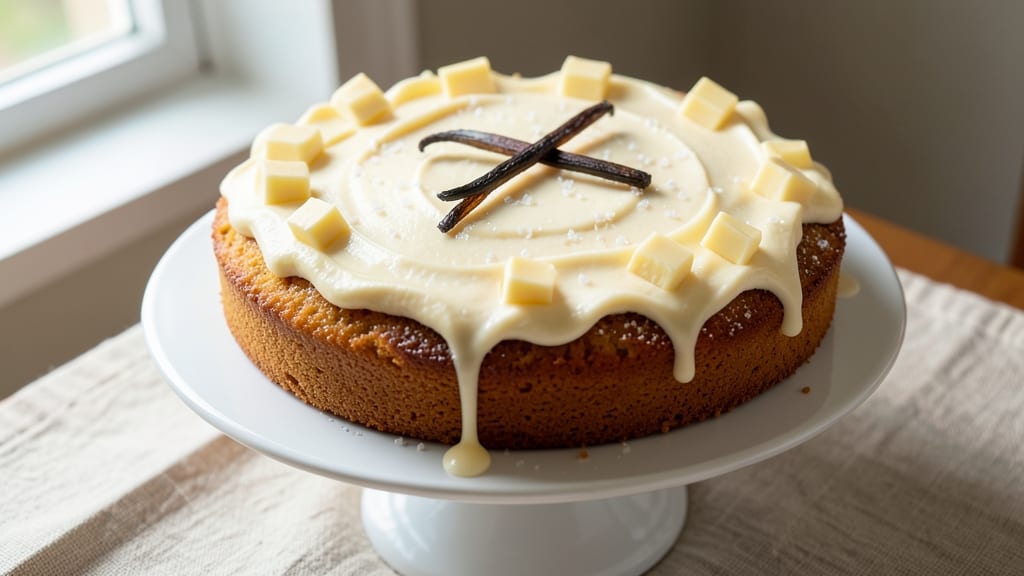
Claire Saffitz's classic cream cheese frosting transforms any dessert into a showstopper with its ultra-smooth texture and tangy-sweet balance—no box mix required. The secret lies in room-temperature cream cheese and precise mixing techniques that eliminate lumps while creating signature swirls.
I perfected this version after testing countless recipes, and the difference between homemade and store-bought is undeniable.
This frosting starts with just five core ingredients—cream cheese, butter, powdered sugar, vanilla, and a pinch of salt—yet delivers restaurant-quality results. The key is whipping the butter and cream cheese together until completely smooth before gradually adding powdered sugar.
This method ensures a silky, pipeable consistency that stays stable in warm weather, making it ideal for cakes, cupcakes, or even donut dips.
What sets this frosting apart is its versatility—add citrus zest for brightness, chocolate for depth, or keep it classic with vanilla. It holds its shape beautifully on tiered cakes while remaining light enough to complement delicate sponge layers.
The tangy cream cheese flavor also pairs surprisingly well with fruit fillings and spiced cookies.
Store leftovers in an airtight container in the refrigerator for up to 5 days, or freeze for longer storage. Rewhip briefly before using to restore smoothness. Whether you're decorating a birthday cake or elevating store-bought donuts, this frosting delivers professional results with minimal effort.
Ingredients for claire saffitz classic cream cheese frosting
Five essential ingredients deliver restaurant-quality frosting with silky swirls and perfect tangy-sweet balance.
| Ingredient | Amount | Notes |
|---|---|---|
| Cream Cheese (Full-Fat) 🧀 | 8 oz | Room temperature, block form preferred |
| Unsalted Butter 🧈 | 8 tbsp | Cold, cut into small cubes |
| Powdered Sugar 🍚 | 3 cups | Sifted for smooth texture |
| Pure Vanilla Extract 🌿 | 1 tsp | High-quality, Madagascar bourbon preferred |
| Fine Sea Salt 🧂 | ¼ tsp | Kosher or Diamond Crystal preferred |
| Heavy Cream (Optional) 🥛 | ¼ cup | For extra-smooth finish |
| Lemon Zest (Optional) 🍋 | ½ tsp | Brightens flavor profile |
The cream cheese is non-negotiable—full-fat, block form is essential for that signature tang. Philadelphia brand works reliably, but for optimal texture, source from specialty cheese counters where they maintain proper cold storage. Room temperature is critical; let it sit for 1-2 hours before using, or microwave for 10 seconds to soften without melting. The butter should be cold when added—this prevents melting during whipping and ensures stability. European-style unsalted butter like Plugrá or Land O'Lakes Cultured has higher fat content for better results. Powdered sugar quality matters too; Domino brand is sifted and dissolves smoothly, while generic brands can leave gritty residue.
No vanilla extract? Seeds from a vanilla bean work beautifully—simmer 1 bean in 2 tbsp water for 10 minutes, then strain. The heavy cream addition is optional but creates a lighter finish; if omitting, increase powdered sugar by 1 tbsp for balance. For chocolate variations, swap 2 oz of the powdered sugar for Dutch-process cocoa powder and add 1 tbsp melted dark chocolate. The salt is crucial—it rounds out the sweetness and enhances the cream cheese flavor; Diamond Crystal dissolves completely, while table salt can leave graininess. Lemon zest adds brightness without overpowering; use only the outermost layer for maximum flavor.
Store properly sealed in an airtight container at room temperature for 3 days or refrigerate for 1 week. For longer storage, freeze in 1-cup portions; thaw at room temperature before rewhipping. The frosting thickens when cold—simply rewhip with 1 tsp warm water if too stiff. This recipe yields about 3 cups, perfect for 2 layers of 8-inch cake or 12 cupcakes. Double the batch for tiered cakes, but whip in batches to avoid overworking the mixture.
Why You'll Love This Recipe
- No Bowl Needed: I mix everything right in the bowl of my stand mixer—no pre-whipping cream cheese, no fuss. Just dump full-fat cream cheese, softened butter, and powdered sugar, then let the mixer do the heavy lifting. It’s the kind of recipe where you can prep while watching TV.
- Vanilla-Packed Bliss: That pure vanilla extract? It’s not just flavor—it’s the magic. The salt cuts through the sweetness just enough to make each bite sing. Trust me, store-bought frosting can’t compete.
- Crowd-Pleaser Always: Whether it’s birthday cake, blondies, or even a simple sugar cookie, this frosting turns ordinary desserts into showstoppers. My kids fight over the last piece, and honestly? That’s my favorite part.
- Budget-Friendly Luxury: Full-fat cream cheese and butter might sound indulgent, but a tub lasts forever, and the recipe stretches easily. Plus, powdered sugar is cheap—so you’re getting rich-tasting frosting without breaking the bank.
Step-by-step instructions for claire Saffitz's cream cheese frosting
Mastering this frosting requires precision and patience—here's how to achieve silky perfection every time.
Prepare Ingredients for Optimal Texture
Begin by taking the 8 oz cream cheese (full-fat) from the refrigerator and letting it soften at room temperature for 30-45 minutes. It should be pliable when pressed gently with a finger—this ensures smooth incorporation without lumps. Meanwhile, cut the 8 tbsp unsalted butter into small, even cubes and chill them until ready to use.
Sift the 3 cups powdered sugar through a fine-mesh sieve directly into a medium bowl. This removes any clumps and prevents graininess in the final frosting. If using, measure out the 0.25 cup heavy cream (optional) and 0.5 tsp lemon zest (optional) in separate small containers. The zest should be finely grated—no need for mincing—while the cream should be cold to prevent premature melting.
Cream Butter and Softened Cream Cheese
In a stand mixer fitted with the paddle attachment, combine the softened cream cheese (full-fat) and the 8 tbsp unsalted butter (cold). Beat on medium speed for 2-3 minutes until the mixture is completely smooth and homogeneous. You'll notice the butter gradually emulsify into the cream cheese, creating a light, airy base. This step is critical—if you rush it, you'll end up with a grainy texture.
Here's the thing—if the mixture feels too warm or starts to separate, place the bowl in the refrigerator for 5-10 minutes to firm up slightly before continuing. The goal is to maintain a stable, workable consistency that won't melt when combined with powdered sugar later. Scrape down the sides of the bowl with a rubber spatula to ensure even mixing throughout.
Gradually Incorporate Powdered Sugar
With the mixer running on low speed, begin adding the sifted 3 cups powdered sugar in three equal additions. After each addition, mix for 1-2 minutes until fully incorporated before adding the next batch. This gradual approach prevents a sugar overload that can cause the frosting to become too stiff or develop a sandy texture. You're aiming for a thick, spreadable consistency—similar to toothpaste in viscosity.
During this process, the frosting may appear curdled or slightly grainy at first. Don't panic—this is normal. Continue mixing until the sugar fully dissolves and the mixture becomes smooth. If the frosting seems too thick after all the sugar is added, you can thin it slightly with 1-2 tablespoons of heavy cream (optional) at this stage. The key is to maintain a balance between structure and spreadability.
Add Flavorings and Final Adjustments
Remove the mixer bowl from the stand and switch to a rubber spatula for hand-mixing. Add the 1 tsp pure vanilla extract, 0.25 tsp fine sea salt, and any optional 0.5 tsp lemon zest (optional). Fold these ingredients into the frosting until fully combined. The vanilla and salt should disperse evenly, while the lemon zest will brighten the flavor profile without overpowering it.
Taste the frosting at this stage—this is your quality control checkpoint. If it tastes too sweet, you can adjust by adding a pinch more fine sea salt. If it needs more depth, consider adding an extra 0.25 tsp lemon zest (optional). The frosting should have a perfect balance of sweetness, tang, and richness. Once satisfied, transfer the frosting to a clean bowl and cover with plastic wrap, pressing the wrap directly against the surface to prevent a skin from forming.
Chill for Maximum Stability
Place the bowl in the refrigerator and chill for at least 1 hour, or up to 4 hours if you're preparing ahead. This chilling time is non-negotiable—it allows the frosting to set properly, making it easier to pipe or spread without melting. The longer it chills, the more stable it becomes, which is especially important if you're working in a warm kitchen or planning to decorate cakes.
When ready to use, give the frosting a quick stir to re-emulsify any separated fat that may have risen to the top during chilling. If the frosting has thickened significantly, you can soften it slightly by letting it sit at room temperature for 10-15 minutes before piping. The frosting should be cool to the touch but still pliable. Now you're ready to create those classic swirls or pipe elegant borders—this is where the magic happens.
Pro Tips For Making Claire Saffitz Classic Cream Cheese Frosting
- Cut the Butter Cold: Take the butter straight from the fridge—no softening needed. Claire’s recipe relies on the fat’s resistance to emulsify properly, and room-temp butter turns this into a greasy mess faster than you can say "lumpy frosting." Trust me, I’ve seen it happen when I rush.
- Salt Before Mixing: Sprinkle that fine sea salt over the cream cheese before beating it with butter. This lets the salt dissolve into the fat first, so it distributes evenly instead of clumping like a lazy sprinkle job. (And yes, even a pinch makes a difference—don’t skimp.)
- Scrape the Bowl: Every 30 seconds, grab a rubber spatula and scrape the sides and bottom of the bowl. The mixture clings like it’s auditioning for a horror movie, and if you ignore it, you’ll end up with dry, grainy bits in your final frosting. It’s tedious, but worth it.
- Use a Stand Mixer: Hand-whipping this frosting is a workout that leaves your arms sore and your patience thin. A stand mixer with the paddle attachment does the work in half the time—just don’t overmix, or you’ll turn it into powdered-sugar dust. (I learned this after three failed attempts.)
Wine and beer pairings for this claire saffitz classic cream cheese frosting
Sweet Dessert Wines
Claire Saffitz’s classic cream cheese frosting pairs beautifully with Moscato d’Asti—its honeyed sweetness and light effervescence complement the frosting’s tangy richness without overwhelming it. I recommend Saracco or La Spinetta for their crisp acidity and floral notes that cut through the sugar.
The bubbles also cleanse your palate between bites of cake or cupcake. 🍷
Chocolate-Inspired Pairings
For chocolate variations of the frosting, a Ruby Port or tawny Port (like Graham’s 10-Year-Old) elevates the experience. The caramel and dried fruit notes in the wine mirror the depth of chocolate, while the alcohol’s warmth enhances the frosting’s creaminess.
Serve slightly chilled for a luxurious pairing with chocolate-dipped donuts.
Citrus Brightness
The lemon zest option in the frosting calls for a dry Riesling or Pinot Grigio to balance the tartness. A Chateau Ste. Michelle Riesling with its citrus and mineral undertones refreshes the palate, especially with fruit tarts or lemon bars topped with this frosting.
The wine’s acidity also helps cut through the frosting’s sweetness. 🍋
Beer Pairings
A Belgian witbier like Hoegaarden or Stella Artois works surprisingly well with cream cheese frosting, thanks to its coriander and orange peel notes. The slight sweetness and effervescence mirror the frosting’s texture, while the herbal notes provide contrast.
For a bolder option, try a honey brown ale like Allagash Honey Brown—its malty sweetness complements the frosting’s richness.
After-Dinner Digestifs
Finish with a limoncello or amaretto for a sweet-sour contrast that cleanses the palate. A splash of Disaronno amaretto in a coffee or over ice highlights the frosting’s vanilla notes, while limoncello (like 365 brand) brightens the citrus variations. These pairings turn dessert into a sophisticated nightcap experience. 🍸
Nutrition facts
Frequently asked questions
Why does the frosting turn grainy when I mix it?
Graininess usually happens when the powdered sugar isn't fully incorporated or the cream cheese isn't soft enough. Always use sifted powdered sugar and mix it in three gradual additions at low speed. If the frosting still feels grainy, add 1 tbsp heavy cream and whip briefly to smooth it out.
Can I make this frosting without a stand mixer?
Use a hand mixer or even a whisk in a large bowl. The key is patience—whisk the butter and cream cheese until completely smooth (about 5-7 minutes) before adding sugar. Fold in the sugar gradually with a spatula, mixing vigorously between additions. It'll take more elbow grease, but the result will be just as creamy.
How do I get those pretty swirls in the frosting?
For professional-looking swirls, chill the frosting for 2 hours first to firm it up. Then pipe it onto a plate using a star tip, holding the piping bag at a 45-degree angle. Drag the tip through the frosting in a smooth, continuous motion while rotating the piping bag slightly. Work quickly before the frosting softens!
What's the best way to store leftover frosting?
Store in an airtight container at room temperature for 3 days, or refrigerate for 1 week. For longer storage, freeze in 1-cup portions. To use frozen frosting, thaw in the fridge overnight, then rewhip for 1-2 minutes to restore smoothness. Never refreeze thawed frosting.
Can I substitute low-fat cream cheese?
Not recommended! Low-fat cream cheese lacks the fat content needed for that signature tangy richness and stable texture. The full-fat version creates a smoother, more professional finish. If you must use low-fat, add 1 extra tbsp butter per 8 oz to compensate, but expect slightly less tang.