
Main Courses
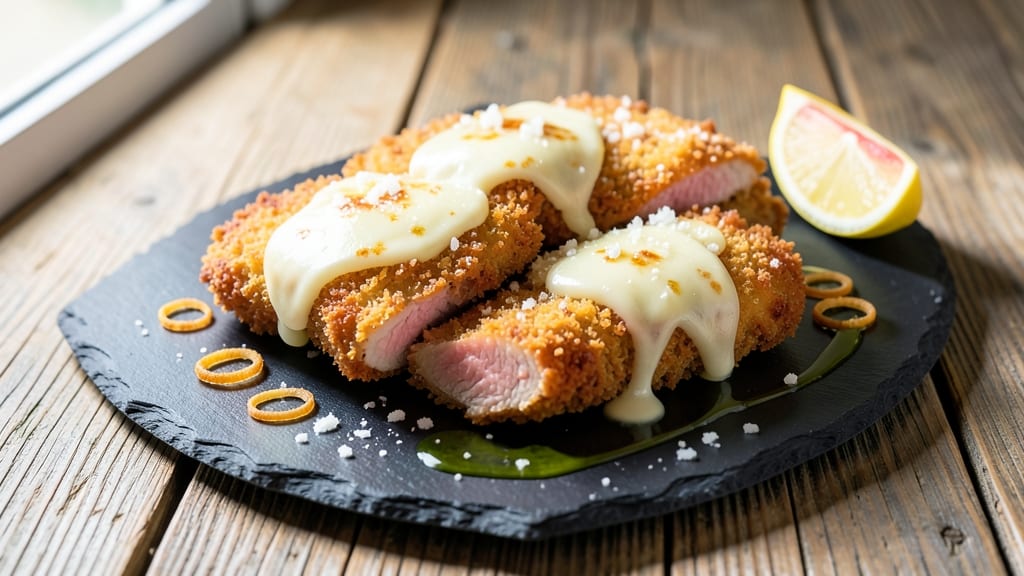
This cheese schnitzel recipe delivers the ultimate balance of crispy golden crust and juicy, tender pork—just like your favorite German bistro. The secret lies in a double breading technique using panko for that signature crunch, followed by precise pan frying to maintain moisture inside while creating a shatteringly crisp exterior.
I've perfected this method over years of testing, ensuring every bite lives up to its reputation.
The process begins with thinly pounded pork cutlets, coated first in flour, then beaten egg, and finally a generous layer of panko mixed with grated cheese for extra flavor and texture.
Frying in small batches at the right temperature—350°F—is critical to avoid soggy breading while keeping the meat perfectly juicy. This isn't just another schnitzel recipe; it's a method that transforms simple ingredients into restaurant-quality results.
What you'll achieve is a plate of golden-brown schnitzel with a crispy crust that shatters at the first bite, revealing tender, flavorful pork inside. The cheese-infused breading adds a subtle savory depth that makes this dish unforgettable.
Serve with classic lemon wedges, a simple green salad, or roasted potatoes to complete the meal—every component enhances the schnitzel's star quality.
For those with dietary considerations, I've included gluten-free breading alternatives that deliver the same satisfying crunch without compromising texture. The key to success lies in precision—from panning to plating—so let's walk through each step to ensure your cheese schnitzel turns out perfectly every time.
Ingredients for cheese schnitzel
Four simple ingredients transform into restaurant-quality cheese schnitzel with crispy perfection.
| Ingredient | Amount | Notes |
|---|---|---|
| Pork Cutlets 🥩 | 4 whole | Boneless, skinless, 0.5-inch thick |
| All-Purpose Flour 🌾 | ½ cup | For first breading layer |
| Large Eggs 🥚 | 2 whole | Beaten for egg wash |
| Japanese Panko Breadcrumbs 🍞 | 1 ½ cups | For crispy crust texture |
| Parmesan Cheese 🧀 | ½ cup | Freshly grated from block |
| Extra-Virgin Olive Oil 🫒 | ½ cup | For frying, high smoke point |
| Salt 🧂 | 1 tsp | Diamond Crystal kosher salt |
| Ground Black Pepper 🌶️ | ½ tsp | Freshly ground for flavor |
| Garlic Powder 🧄 | ½ tsp | For seasoning breadcrumbs |
| Fresh Lemons 🍋 | 2 whole | For wedges, organic preferred |
| Unsalted Butter 🧈 | 2 tbsp | For basting pan |
The pork cutlets are the foundation—look for evenly sized pieces from the deli counter at Whole Foods or your local butcher. Thickness matters: 0.5-inch ensures even cooking without drying out. If using frozen cutlets, thaw overnight in the fridge—never microwave, as it renders fat unevenly. For extra tenderness, pound the cutlets between plastic wrap to an even thickness using a meat mallet. The Parmesan cheese should be real Parmigiano-Reggiano, freshly grated from a block—pre-shredded contains anti-caking agents that prevent proper melting.
No panko? Toast regular breadcrumbs in a dry pan for 5 minutes to enhance crispiness. Substituting flour for the first breading? Use gluten-free flour blend for dietary needs, but add 1 tsp cornstarch to improve adhesion. The olive oil must have a high smoke point—avoid infused or extra-light varieties. For lemon wedges, organic lemons have thicker skins that hold better during serving. Short on time? Pre-cut wedges work, but freshly squeezed lemon juice (1 tbsp) added to the egg wash elevates flavor significantly. The butter used for basting should be cold but not frozen—softened butter creates steam that softens the crust.
Store unused panko in an airtight container for up to 2 weeks—it absorbs moisture quickly. Leftover schnitzel reheats best in a 350°F oven for 8-10 minutes, covered with foil to prevent drying. The cheese breading mixture keeps in the fridge for 3 days if stored in a sealed container. For meal prep, assemble the schnitzel (flour, egg, breading) ahead and freeze on a tray before transferring to a bag—cook from frozen by adding 2-3 minutes to frying time. Lemon wedges should be cut just before serving to maintain brightness.
Why You'll Love This Recipe
- Same recipe, different vibes: toss together for a 20-minute Tuesday dinner or impress guests by plating with lemon wedges and arugula. The panko crust holds up beautifully—no soggy corners, ever.
- No-Fuss Crispy Magic: Between us, the panko and Parmesan combo does all the work—no fancy breading tricks, just dip, dredge, repeat. That golden crunch? It happens even if you’re distracted (looking at you, mid-workday lunches).
- Melty Cheese Hug: The Parmesan isn’t just for flavor—it melts into the pork like a warm embrace, turning every bite into a creamy, savory sandwich. Honestly, the first time I tried it, I ate one straight off the pan.
- Weeknight to Dinner Party: Same recipe, different vibes: toss together for a 20-minute Tuesday dinner or impress guests by plating with lemon wedges and arugula. The panko crust holds up beautifully—no soggy corners, ever.
Step-by-step instructions for cheese schnitzel
Master this technique and you'll achieve the perfect balance of golden crust and tender pork every time.
Prepare the Pork Cutlets for Breading
Begin by patting the 4 whole pork cutlets completely dry with paper towels. This step is crucial—any moisture trapped between the meat and breading will prevent proper adhesion and result in a soggy crust. Place each cutlet between two sheets of plastic wrap and pound gently with a meat mallet until they reach a uniform ½-inch thickness. This ensures even cooking and prevents the center from remaining undercooked while the edges overbrown.
Season both sides generously with 1 teaspoon salt, ½ teaspoon ground black pepper, and ½ teaspoon garlic powder. I like to use freshly ground pepper for maximum flavor impact. Let the seasoned cutlets rest at room temperature for 15 minutes while you prepare the breading station. This brief rest allows the meat to relax and cook more evenly.
Create the Three-Stage Breading Station
Set up three shallow dishes for your breading process. In the first dish, combine the ½ cup all-purpose flour with an additional pinch of salt. This creates a fine, even layer that will help the egg adhere to the meat. In the second dish, beat the 2 whole large eggs until just combined—no need to make them frothy, just ensure they're fully incorporated. The third dish should contain the 1½ cups Japanese panko breadcrumbs mixed with the ½ cup freshly grated Parmesan cheese. Use your fingers to work the cheese into the breadcrumbs, creating a coarse, flavorful coating.
Here's the thing—don't skip the Parmesan. It adds depth of flavor and helps create that signature crispy crust. I also like to add a tiny pinch of salt to the breadcrumb mixture to enhance the overall seasoning. Keep these dishes close together so you can work efficiently through the breading process without letting the cutlets sit too long between stages.
Bread the Cutlets and Prepare for Cooking
Working with one cutlet at a time, dip it into the flour mixture, pressing gently to adhere an even layer. Shake off any excess, then dip into the beaten eggs, allowing any excess to drip off. Finally, press the cutlet into the breadcrumb mixture, coating both sides thoroughly. I press firmly but not aggressively—just enough to create a good adhesion without compacting the breadcrumbs too tightly.
Place the breaded cutlets on a wire rack set over a baking sheet. This allows air to circulate underneath, preventing the breading from becoming soggy. Let them rest for 5 minutes while you heat your cooking oil. This brief pause helps the breading adhere more firmly to the meat. If you're working with multiple cutlets, I recommend breading them all first and then resting them together—this keeps the process moving smoothly.
Cook to Golden Perfection
Heat ½ cup extra-virgin olive oil in a large skillet over medium heat until it reaches 350°F—just before it begins to smoke. The oil should shimmer gently when you drop a small piece of bread into it. This temperature is crucial: too hot and the exterior will burn before the interior cooks; too cool and you'll end up with greasy, undercooked cutlets.
Carefully add the breaded cutlets to the skillet, working in batches if needed to avoid overcrowding. Cook for 3-4 minutes per side until the breading is deep golden brown and crispy. You'll know they're ready when the edges lift easily from the pan and the internal temperature reaches 145°F at the thickest part. Don't press down on the cutlets with your spatula—they'll release when they're properly cooked. Transfer to a paper towel-lined plate to drain excess oil.
Finish with Butter and Lemon
Reduce the heat to low and add the 2 tablespoons unsalted butter to the same skillet. Tilt the pan slightly and spoon the melted butter over the cooked cutlets, basting them generously. This step adds richness and helps create a glossy finish. Immediately squeeze juice from 1 whole fresh lemon over the top and serve with the remaining lemon wedges.
The butter should foam slightly as it melts, creating a beautiful sheen on the schnitzel. Serve immediately while the crust is still crisp. Each bite should deliver that satisfying crunch followed by tender, juicy pork. The lemon brightens the rich flavors and cuts through the fat, balancing the dish perfectly. For best results, serve with a simple arugula salad or roasted potatoes to complement the schnitzel's star quality.
Pro Tips For Making Cheese Schnitzel
- Hammer Cutlets Thin: Use a meat mallet or rolling pin to pound pork cutlets to ¼-inch thickness—any thicker and they’ll steam instead of sear. I learned this the hard way after serving rubbery, uneven schnitzel that looked like it came from a butcher’s reject bin.
- Double-Dip the Egg: Dip the floured cutlets in the egg twice, letting excess drip off between coats. The first pass ensures even adhesion; the second locks in that crispy crust. (Yes, it’s messy, but your schnitzel will thank you.)
- Skip the Overcrowding: Fry one or two at a time in a cold pan—adding too many drops the oil temp and turns your golden crust into sad, greasy pancakes. Start with a cool pan and let it heat gradually for that perfect sear.
- Toast the Panko First: Lightly toast the panko in a dry pan for 30 seconds before mixing with Parmesan—it adds crunch and prevents sogginess. I was skeptical until I tried it; now it’s non-negotiable for my schnitzel’s texture.
Best sauces and condiments for this recipe
Classic Lemon Aioli
This bright, creamy sauce is the perfect match for cheese schnitzel, cutting through the richness with its tangy zing.
Whisk together ½ cup mayonnaise, 1 tbsp fresh lemon juice, 1 tsp Dijon mustard, 1 small garlic clove (minced), 1 tbsp chopped parsley, and a pinch of salt. For extra flair, add ½ tsp lemon zest and serve warm or at room temperature. 🍋
Creamy Dill Sauce
Infuse your schnitzel with fresh dill flavor using this light yet rich sauce. Blend ½ cup sour cream, 2 tbsp Greek yogurt, 1 tbsp chopped fresh dill, 1 tsp lemon juice, ½ tsp garlic powder, and a pinch of salt.
Thin with 1-2 tbsp milk if needed for dipping. The cool creaminess contrasts beautifully with the crispy crust.
Spicy Mustard Sauce
For those who love a kick, this sauce adds depth and heat. Mix 3 tbsp whole-grain mustard, 2 tbsp honey, 1 tbsp apple cider vinegar, 1 tsp smoked paprika, and a pinch of cayenne pepper.
Thin with 2 tbsp water until smooth. The sweet-spicy balance elevates every bite of schnitzel.
Garlic-Herb Butter
This simple yet luxurious sauce transforms schnitzel into a restaurant-worthy dish. Melt 2 tbsp unsalted butter in a small pan, then stir in 1 minced garlic clove, 1 tsp chopped parsley, and a pinch of salt.
Drizzle over the schnitzel just before serving for a rich, aromatic finish. 🧈
Tartar Sauce Twist
Give classic tartar sauce a schnitzel-friendly upgrade by adding 1 tbsp grated Parmesan and ½ tsp lemon zest to the traditional mix of ½ cup mayonnaise, 1 tbsp capers, 1 tbsp chopped pickles, and 1 tsp chopped chives.
The cheese adds a savory note that complements the crispy crust perfectly.
Sweet Honey-Mustard Glaze
For a touch of sweetness, simmer 2 tbsp honey with 1 tbsp Dijon mustard and 1 tsp apple cider vinegar in a small saucepan over low heat for 3 minutes.
Brush lightly over the schnitzel after frying or serve on the side for dipping. The caramelized glaze adds a delightful contrast to the savory meat.
Nutrition facts
Frequently asked questions
Can I use chicken instead of pork for cheese schnitzel?
Chicken cutlets work beautifully and cook faster than pork. Use 4 boneless, skinless chicken breasts (about 6-8 oz each) and pound them to ¼-inch thickness for even cooking. Reduce frying time to 2-3 minutes per side to avoid overcooking—chicken dries out more quickly than pork. The cheese breading will still create that perfect crispy crust.
Why did my schnitzel come out greasy instead of crispy?
The most common causes are oil temperature or breading issues. First, ensure your oil is at 350°F—use a thermometer for accuracy. If the oil is too cool, the breading absorbs oil instead of crisping. Also, check your breading station: the cutlets must rest 5 minutes after breading to set the coating. Finally, don't overcrowd the pan—cook in batches if needed. A wire rack under the breaded cutlets while resting prevents sogginess too.
What's the best way to make this recipe gluten-free?
Replace the all-purpose flour with a 1:1 gluten-free flour blend (like Bob's Red Mill) and add 1 teaspoon cornstarch to improve adhesion. For the panko, use certified gluten-free breadcrumbs. The egg wash remains the same, but you may need to press the breading on slightly firmer to ensure it sticks. Test with one cutlet first—gluten-free breading often needs a touch more patience during frying.
Can I bake cheese schnitzel instead of frying?
Yes, but the texture will differ—it won't be as crispy. Preheat oven to 425°F and arrange breaded cutlets on a wire rack over a baking sheet. Brush lightly with olive oil and bake for 12-15 minutes, flipping halfway. For extra crunch, broil for 1-2 minutes at the end. The interior will still be tender, but the crust will be more like a baked coating than a deep-fry crisp.
How do I store leftover cheese schnitzel?
Let schnitzel cool completely, then place in an airtight container with parchment paper between layers to prevent sticking. Reheat in a 350°F oven for 8-10 minutes, covered with foil to maintain moisture. For the crispiest results, reheat in a skillet over medium heat for 1-2 minutes per side—just enough to restore crunch without refrying. Stored properly, they keep for 3 days in the fridge.