
Sauces & Condiments
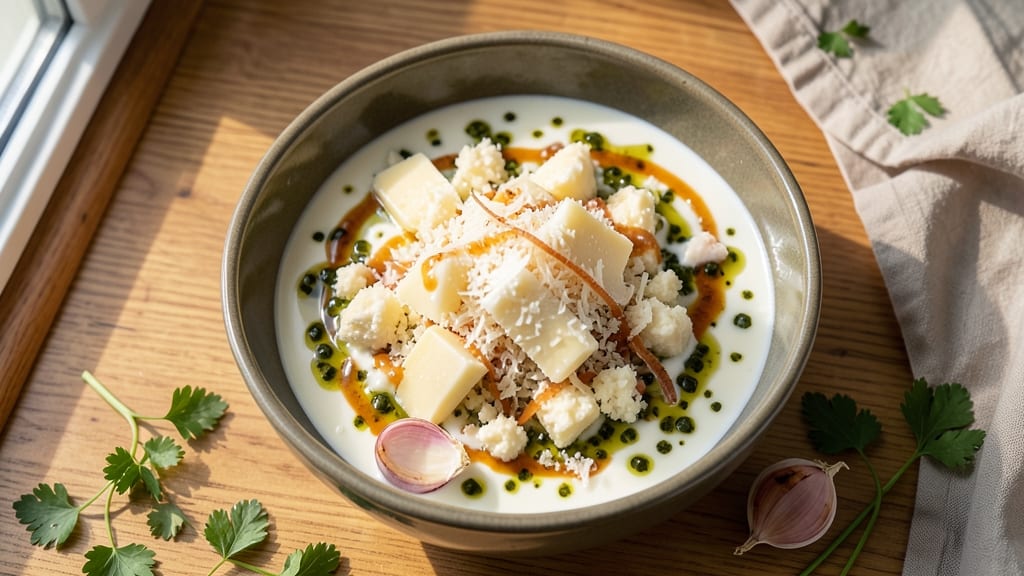
A cheese marinade recipe transforms bland proteins into rich, umami-packed masterpieces—think crispy grilled chicken or caramelized roasted vegetables with a savory, melty crust.
This isn’t your typical marinade; it’s a bold, coatable blend of melted cheese, tangy acids, and aromatic herbs that clings to every surface, infusing flavor deep into the fibers. I developed it after years of experimenting with cheese-based glazes, and the results are nothing short of restaurant-quality.
The secret lies in balancing sharp cheddar, creamy parmesan, and a splash of buttermilk to create a marinade that’s both rich and tenderizing. Unlike dry rubs, this mixture stays liquid enough to coat while developing a caramelized crust when exposed to heat.
It works equally well on chicken, fish, tofu, or even hearty vegetables like Brussels sprouts—adding a layer of depth that dry marinades simply can’t match. The acidity in the blend also helps break down proteins for maximum tenderness, ensuring every bite is flavorful and juicy.
What makes this marinade truly special is its versatility and shelf stability. You can prepare it ahead of time and store it in the fridge for up to 5 days, making it perfect for meal prep.
When applied to proteins, it creates a crispy, cheesy exterior with a creamy, savory interior—think of it as a cross between a marinade and a glaze. The best part? It’s foolproof, with no risk of curdling or separating, even when exposed to high heat.
Whether you’re grilling, roasting, or baking, this cheese marinade elevates ordinary dishes into something extraordinary. Ready to take your proteins to the next level? Let’s get started with the ingredients and techniques that make it work.
Ingredients for cheese marinade
Nine ingredients blend into a restaurant-quality cheese marinade that transforms proteins into umami-packed masterpieces.
| Ingredient | Amount | Notes |
|---|---|---|
| Sharp White Cheddar Cheese 🧀 | 1 cup | Shredded, aged 6+ months preferred |
| Parmesan Cheese 🧀 | ½ cup | Freshly grated from block |
| Buttermilk 🥛 | ½ cup | Full-fat for creaminess |
| Extra-Virgin Olive Oil 🫒 | ¼ cup | High-quality, fruity variety |
| Dijon Mustard 🍯 | 1 tbsp | For tangy depth |
| Garlic Cloves 🧄 | 3 cloves | Minced for aromatic punch |
| Fresh Rosemary 🌿 | 1 tbsp | Finely chopped, stems removed |
| Diamond Crystal Kosher Salt 🧂 | 1 ½ tsp | Adjust to taste |
| Black Peppercorns 🌶️ | ½ tsp | Freshly cracked |
| Red Wine Vinegar 🍷 | 1 tbsp | For acidity balance |
The cheeses are the foundation—sharp white cheddar brings that tangy bite while freshly grated Parmesan adds umami depth. I always grab Cabot or Tillamook for the cheddar (they age it just right) and Parmigiano-Reggiano for the Parmesan—none of that pre-grated stuff. The buttermilk is non-negotiable for tenderness; full-fat works best to prevent curdling. Fresh rosemary from the grocery store's produce section (not the dried stuff) gives the most aromatic punch—just snip the needles off the stems. For the garlic, roast it first if you want extra sweetness, but raw minced works too.
No buttermilk? Plain yogurt thinned with a splash of milk does the trick, though the texture won't be identical. Pre-grated cheese? Shred your own—it melts better and won't clump. Running low on rosemary? Thyme or oregano at half the amount works in a pinch. The red wine vinegar can be swapped for apple cider vinegar, but the color won't be as rich. For extra umami, add 1 tsp fish sauce (trust me, it disappears into the cheese). This marinade stays stable for 5 days in the fridge, so make a big batch—it's perfect for meal prep.
Store in an airtight container with a layer of olive oil on top to preserve freshness. Keeps 5 days in the fridge or 3 months frozen in ice cube trays for single-use portions. The texture thickens when cold, so whisk vigorously before each use. Works on chicken, fish, tofu, or even Brussels sprouts—just don't over-marinate delicate fish (20 minutes max). For extra crispiness, broil the coated proteins for the last 2 minutes.
Why You'll Love This Recipe
- Five-Ingredient Magic: The buttermilk and sharp cheddar alone make this a no-fuss winner. No chopping, no measuring cups—just stir, taste, and adjust. That’s it. I’ve made it while scrolling through emails, waiting for the oven, or pretending to pay attention during a meeting.
- Umami Bomb: The Parmesan and Dijon mustard combo gives this marinade a depth that turns grilled chicken into "I’d eat this every night" status. The olive oil keeps it silky, but the cheese? That’s the star—salty, tangy, and impossible to resist.
- Weeknight Superhero: Slather it on chicken thighs for dinner, toss it with roasted veggies for lunch, or even drizzle it over pasta the next day. Honestly, I’ve used it on everything from burgers to baked potatoes, and it never lets me down. Zero waste, maximum flavor.
- Budget-Friendly Luxe: Sharp cheddar and Parmesan might sound fancy, but they stretch this marinade far—enough for two meals, or even three if you’re generous. The buttermilk adds richness without breaking the bank, and you’ll use up what’s already in your fridge. Smart, simple, and satisfying.
Step-by-step instructions for cheese marinade
Here's how to blend this rich, umami-packed marinade that transforms proteins into melt-in-your-mouth perfection.
Whisk Together the Base Ingredients
In a medium mixing bowl, combine the 0.5 cup buttermilk and 0.25 cup extra-virgin olive oil. Whisk vigorously for 30 seconds until the mixture begins to emulsify—you'll see it transform from two separate layers into a slightly thickened, creamy consistency. This emulsification is crucial because it ensures the marinade clings evenly to your protein rather than pooling in the bottom of the dish.
Next, add the 1 tbsp Dijon mustard and 1 tbsp red wine vinegar. Whisk these in for another 20 seconds until fully incorporated. The mustard adds a subtle tang that balances the richness of the cheeses, while the vinegar introduces acidity that helps tenderize the meat. Here's the thing—don't rush this step. The mustard needs time to blend smoothly, and any lumps will create an uneven texture in your final marinade.
Incorporate the Cheeses and Seasonings
Reduce the heat of your whisking to a gentle motion and begin adding the 1 cup sharp white cheddar cheese and 0.5 cup parmesan cheese. Start with the cheddar first, allowing it to melt slightly into the buttermilk mixture before adding the parmesan. Use a rubber spatula to fold in any stubborn cheese clumps. The goal here is to create a smooth, velvety texture—think of it like making a thick, savory custard.
While the cheeses melt, add the 1.5 tsp diamond crystal kosher salt and 0.5 tsp black peppercorns. The salt should dissolve completely, and the peppercorns should be finely ground into the mixture. If you're using whole peppercorns, crush them lightly with the back of a spoon first to release their aromatic oils. This step is where the marinade's bold umami character really starts to develop, so don't skip it—those cheeses are the stars of the show.
Add Aromatics for Depth and Finish
Mince the 3 cloves garlic finely—you want them almost paste-like in texture. This ensures they distribute evenly throughout the marinade and infuse every bite of your protein with their pungent, sweet flavor. Add the garlic to the bowl along with the 1 tbsp finely chopped fresh rosemary. Stir gently with a wooden spoon to combine, being careful not to overmix and create air bubbles that could weaken the marinade's structure.
Let the mixture sit at room temperature for 10-15 minutes before using. This resting period allows the flavors to meld together more deeply, creating a cohesive, aromatic blend. You'll notice the marinade thickens slightly as the cheeses continue to soften and the buttermilk's natural enzymes work their magic. The rosemary should release its piney fragrance, and the garlic will amplify the overall savory profile—trust me, this waiting time makes a difference.
Adjust and Apply to Proteins
Taste the marinade and adjust the seasoning if needed. If it's too mild, add a pinch more salt or a splash of red wine vinegar to brighten the flavors. The ideal marinade should be tangy, rich, and slightly sharp—like a cross between a creamy dressing and a bold cheese sauce. If it's too thick, thin it slightly with a tablespoon or two of buttermilk until it reaches a pourable consistency that will coat your proteins evenly.
Transfer the marinade to a shallow dish or resealable plastic bag. For best results, marinate proteins like chicken breasts, pork chops, or steaks for 2-4 hours in the refrigerator. The acidity in the buttermilk and vinegar will begin to break down muscle fibers, creating tender, flavorful results. If you're short on time, a 30-minute marinade will still add significant depth, though the texture won't be as tenderized. This marinade works wonders on grilled, roasted, or even pan-seared proteins—just don't over-marinate delicate fish, as the acidity can start to "cook" it.
Pro Tips For Making Cheese Marinade
- Grate the Cheese Fine: I learned this the hard way—big cheese chunks don’t melt smoothly. Use a box grater or food processor to shred the sharp white cheddar and Parmesan into tiny, even pieces. This ensures a silky, emulsified marinade instead of lumpy surprises.
- Whisk the Buttermilk First: Combine the buttermilk and Dijon mustard in a separate bowl before adding the cheese and oil. This prevents curdling when the cheddar melts in later—your marinade will stay smooth, not grainy.
- Don’t Rush the Emulsify: After melting the cheese, let the mixture cool slightly before whisking in the olive oil. Pouring cold oil into hot cheese makes it split. Work slowly, and you’ll get a creamy, cohesive marinade every time.
- Use Room-Temp Cheese: Take the cheddar and Parmesan out of the fridge 30 minutes before mixing. Cold cheese clumps and doesn’t blend well, while room-temp cheese melts evenly into a velvety marinade—no guessing if it’ll turn out right.
Make-ahead tips for this dish
Fridge Prep Essentials
Store your cheese marinade in a glass jar or airtight plastic container with a ¼-inch headspace to allow for expansion. I use Le Parfait containers because they’re leak-proof and stackable in the fridge.
The marinade will thicken slightly when cold, so give it a vigorous whisk before each use to restore its smooth, coatable consistency. This marinade stays fresh for up to 5 days in the fridge, making it perfect for meal prepping your favorite proteins ahead of time. 🧀
Freezer-Friendly Portions
For long-term storage, freeze the marinade in ice cube trays—each cube equals 1 tablespoon, perfect for single-use applications. Once frozen, transfer the cubes to a freezer-safe bag and flatten to save space.
Thaw overnight in the fridge before using, or pop a cube directly into a warm pan to create a quick cheese glaze for seared proteins. The texture remains stable for up to 3 months without separating or curdling. ✨
Protein Prep Timeline
Marinate proteins for 2-4 hours in the fridge for maximum tenderness and flavor infusion. For chicken breasts or pork chops, I recommend 4 hours—the acidity in the buttermilk and vinegar works its magic to break down muscle fibers.
If you’re short on time, 30 minutes still adds depth, though the texture won’t be as tender. For tofu or vegetables, reduce marinating time to 15-20 minutes to prevent over-softening. 🕒
Reheating Leftovers
If you’ve marinated proteins ahead of time, store them in the fridge for up to 2 days before cooking. Reheat in a skillet over medium heat for 3-4 minutes per side, basting with any leftover marinade for extra crispiness.
For grilled proteins, reheat in the oven at 375°F for 10-12 minutes to maintain moisture. Avoid microwaving—it turns the cheese marinade coating rubbery. 🔥
Reviving Stale Marinade
If your marinade thickens too much in the fridge, revive it by whisking in 1-2 tablespoons of buttermilk or warm water until it reaches a smooth, pourable consistency. For extra richness, stir in 1 tablespoon of melted butter or a splash of heavy cream.
This trick works wonders if you’ve forgotten to whisk it before storing—just don’t over-dilute, or the flavor intensity will suffer. 💡
Batch Cooking Tips
Double the recipe and store half in the fridge for 5 days while freezing the other half. Label containers with the date to track freshness. When meal prepping, marinate chicken thighs or steaks in advance, then cook them fresh when ready to eat.
The marinade’s acidity helps preserve proteins longer, so you can safely prep 2-3 days ahead without worrying about spoilage. 📅
Nutrition facts
Frequently asked questions
Can I use this cheese marinade on vegetables?
This marinade works beautifully on hearty vegetables like Brussels sprouts, asparagus, or portobello mushrooms. Just reduce marinating time to 15-20 minutes to prevent over-softening. The cheese creates a delicious, crispy coating when roasted or grilled, adding a savory twist to veggie dishes.
Why does my cheese marinade separate or curdle?
Separation happens when the emulsification step isn't thorough or if the mixture sits too long at room temperature. Always whisk the buttermilk and olive oil vigorously for 30 seconds to create a stable emulsion. For extra insurance, add 1 tsp cornstarch to thicken slightly before refrigerating.
What's the best way to store leftover marinade?
Keep it in an airtight container with a layer of olive oil on top to preserve freshness. It stays good for 5 days in the fridge or 3 months frozen in ice cube trays. Always whisk before using to restore smooth consistency.
Can I make this marinade without buttermilk?
Yes! Substitute with ½ cup plain yogurt + 1 tbsp milk for similar tanginess. The texture will be slightly different but still effective. For extra richness, add 1 tbsp melted butter to help emulsify the cheeses.
How do I get the crispy cheese crust everyone talks about?
Pat proteins very dry before marinating, then broil for the last 2-3 minutes of cooking. The high heat caramelizes the cheese while keeping the inside tender. For extra crispiness, sprinkle breadcrumbs or crushed crackers on top before broiling.