
Main Courses
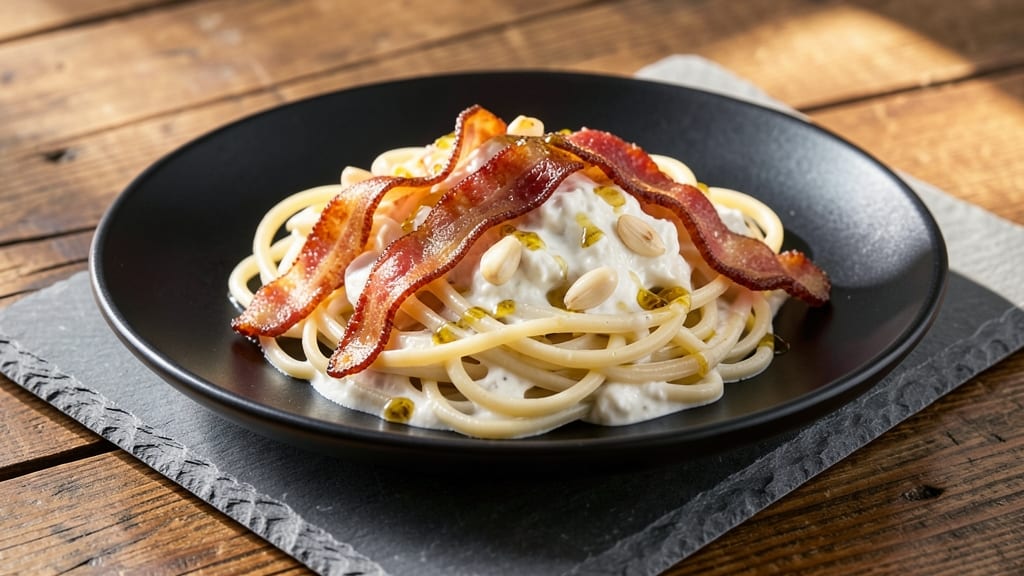
Creating a restaurant-quality carbonara with Philadelphia cheese delivers that signature creamy richness without the risk of scrambled eggs. This refined version maintains the dish’s essence while offering a foolproof technique for home cooks. The secret lies in balancing the cheese’s smoothness with precise timing and gentle heat.
The key difference here is using Philadelphia cheese as a primary ingredient, which eliminates the need for raw eggs while still delivering that luxurious, velvety sauce. We’ll fry the cheese in butter until it forms a silky emulsion, then incorporate it into the pasta water for an instant, restaurant-worthy texture.
This method ensures every strand of spaghetti gets coated perfectly.
What you’ll achieve is a dish with a velvety, egg-free sauce that clings to the pasta like a second skin. The cheese’s mild tang complements the smoky bacon and crispy spaghetti, creating a harmonious balance of flavors.
Every bite will be rich, creamy, and perfectly balanced—without the worry of overcooked eggs.
This carbonara is ideal for weeknight dinners or special occasions where you want to impress without complex techniques. Garnish with freshly cracked black pepper and parsley for that classic touch. Let’s make it foolproof and delicious.
Ingredients for carbonara with philadelphia cheese
Philadelphia cheese transforms classic carbonara into a velvety, egg-free masterpiece with just 11 ingredients.
| Ingredient | Amount | Notes |
|---|---|---|
| Spaghetti 🍝 | 12 oz | High-quality, #2 thickness preferred |
| Philadelphia Cream Cheese 🧀 | 8 oz | Full-fat, room temperature |
| Unsalted Butter 🧈 | ½ cup | European-style preferred |
| Thick-Cut Bacon 🥓 | 6 oz | Applewood-smoked, cut into 1/2-inch pieces |
| Garlic Cloves 🧄 | 4 cloves | Fresh, peeled, minced |
| Diamond Crystal Kosher Salt 🧂 | 1 ½ tsp | For pasta water |
| Freshly Ground Black Pepper 🌶️ | ½ tsp | Cracked over top |
| Fresh Flat-Leaf Parsley 🌿 | ¼ cup | Chopped, for garnish |
| Heavy Cream 🥛 | ¼ cup | Optional for extra silkiness |
| Pecorino Romano Cheese 🧀 | ½ cup | Freshly grated, for depth |
| Granulated Garlic 🧄 | ½ tsp | For extra flavor in sauce |
The Philadelphia cream cheese is non-negotiable—it's what replaces raw eggs for that signature texture. Grab the full-fat version from the refrigerated section (the tub, not the spreadable kind). Room temperature is key, so plan ahead or microwave it for 20 seconds. Bacon matters too: Applewood-smoked adds depth, but any thick-cut works. I always buy Costco's Kirkland brand for the best price—it's pre-cut and smoky. For the pasta, De Cecco or Barilla are my go-tos; anything labeled #2 thickness ensures perfect bite. Freshly ground black pepper is a must—pre-ground loses its punch fast.
No cream cheese? Substitute with mascarpone at a 1:1 ratio, but it's pricier. Bacon out of stock? Guanciale or pancetta work beautifully, but render them first. Short on pecorino? Parmigiano-Reggiano is a solid swap, though it's saltier. The heavy cream is optional but worth it for extra silkiness—just warm it slightly before adding. For the garlic, fresh is non-negotiable (no jars), but if you're in a pinch, granulated garlic at half the amount works. The parsley? Fresh only—dried just doesn't cut it here. Store-bought spaghetti? Cook it al dente—it'll finish in the sauce.
This sauce reheats like a dream—just toss it with a splash of pasta water. Keeps for 3-4 days in the fridge, but the texture softens after day 2. For longer storage, freeze the sauce (without pasta) for up to 3 months. I always double the sauce and freeze half—perfect for lazy weeknights. The bacon? Render it ahead and store it in the fridge for up to 1 week. Fresh parsley? Wrap it in damp paper towels and store in a bag for 5-6 days.
Why You'll Love This Recipe
- No Eggs, No Stress: I’ll admit, traditional carbonara scares me—raw eggs and all. This version skips the fuss entirely, swapping them for smooth Philadelphia cream cheese that melts into a creamy, dreamy sauce with zero risk of curdling. The bacon’s smoky crunch and garlic’s punch cut through the richness just enough to keep it balanced.
- Creamy Without the Guilt: Honestly, this sauce is so rich it’ll make you pause mid-bite. But here’s the magic: the cream cheese’s tang plays off the salty bacon and buttery spaghetti, so it never feels heavy. It’s the kind of dish where you take the last bite and immediately think, “I’ll have seconds… but maybe not tonight.”
- Weeknight to Dinner Party: Between us, this is my go-to when I need to feed a crowd fast. The bacon can crisp up while you boil the pasta—no waiting around. Serve it with a simple side salad for a casual night in, or dress it up with fresh parsley and a sprinkle of black pepper for when company’s over. (Yes, even on a Tuesday night.)
- Leftovers That Don’t Suck: Most pasta dishes turn into a sad, gluey mess the next day. Not this one. The cream cheese keeps the sauce silky, and the bacon stays crispy if you reheat it gently. I’ve packed this for lunches all week, and it’s still the star of the show—no sad office salad here. Plus, it’s cheap enough to make twice in one week without blinking.
Step-by-step instructions for carbonara with Philadelphia cheese
Here's how to create a lusciously creamy carbonara without eggs—rich, velvety, and foolproof every time.
Render the Bacon Until Crispy
In a large skillet, cook the 6 oz thick-cut bacon over medium heat until the edges are deep golden brown and the fat has rendered out completely—about 10-12 minutes. I like to press down gently on the bacon pieces with a spatula during the first 5 minutes to encourage even browning and crispiness. Once the bacon is fully cooked, remove it from the skillet with a slotted spoon and set it aside on paper towels to drain excess fat, leaving behind about 2 tablespoons of that smoky, flavorful bacon fat in the pan.
Don't rush this step—the rendered fat is the foundation of your sauce. If the pan starts smoking excessively, reduce the heat slightly to prevent burning. The bacon should be crisp enough to hold its shape when transferred to the plate, but still tender enough to break apart easily with a fork.
Create the Cheese Sauce Base
Reduce the heat to medium-low and add the 0.5 cup unsalted butter to the skillet with the bacon fat. Let it melt completely, then stir in the 8 oz Philadelphia cream cheese, breaking it into small pieces as it melts. The sauce will begin to thicken almost immediately, forming a smooth, velvety consistency. If the mixture looks too thick, add 2 tablespoons of the pasta water you'll reserve later—this ensures a silky finish.
Next, sprinkle in the 0.5 tsp granulated garlic and stir for 30 seconds until fragrant. Here's where the magic happens: the cream cheese and butter combination creates an instant, luxurious sauce that coats the pasta beautifully. Keep the heat gentle—you're not cooking the sauce yet, just blending the ingredients until fully incorporated.
Cook the Pasta Al Dente
Bring a large pot of water to a rolling boil and add the 12 oz spaghetti along with 1.5 tsp Diamond Crystal kosher salt. Stir immediately to distribute the salt evenly. Cook the pasta until it's 1 minute shy of the package's recommended al dente time—this slight undercooking ensures perfect texture when combined with the sauce. Before draining, reserve 1 cup of pasta water in a measuring cup. This starchy water is essential for adjusting the sauce's consistency later.
While the pasta cooks, prepare your serving plates. The moment the pasta is ready, drain it directly into the skillet with the cheese sauce, shaking off any excess water. Toss vigorously to coat every strand with the creamy mixture. The residual heat from the pasta will help melt any remaining cheese solids into a glossy, uniform sauce.
Finish with Aromatics and Garnish
Return the skillet to medium-low heat and stir in the 4 cloves minced garlic cloves and 0.5 cup freshly grated Pecorino Romano cheese. Let it simmer for 1-2 minutes until the garlic is fragrant but not browned—this prevents bitterness. If the sauce becomes too thick, add reserved pasta water 1 tablespoon at a time until it reaches a smooth, clinging consistency that coats the back of a spoon.
Finally, fold in the crispy bacon and stir in the 0.25 cup heavy cream (if using) until fully incorporated. The sauce should now be luxuriously thick yet still silky enough to cling beautifully to each strand of pasta. Remove from heat and let it rest for 1 minute before serving—this allows the flavors to meld completely.
Serve Immediately with Fresh Herbs
Divide the carbonara among serving plates and garnish each portion with the 0.25 cup chopped fresh flat-leaf parsley and a final crack of 0.5 tsp freshly ground black pepper. The parsley adds a bright, fresh contrast to the rich, creamy sauce, while the pepper enhances the smoky bacon flavor. Serve immediately while the pasta is still hot—this dish doesn't wait, and the sauce will continue to thicken as it cools.
Each bite should deliver a perfect balance of creamy, smoky, and slightly garlicky flavors with that signature carbonara texture—creamy yet still with a slight bite from the al dente pasta. The Philadelphia cheese creates an incredibly smooth sauce that's far more stable than traditional egg-based versions, making this a foolproof option for any occasion.
Pro Tips For Making Carbonara With Philadelphia Cheese
- CRISP THE BACON FIRST: Cook the thick-cut bacon until the edges are deep brown and the fat renders slowly—this takes 10-12 minutes on medium-low heat. Skim off all but 2 tablespoons of fat afterward; the rest is your sauce’s secret weapon (and it keeps the cream cheese from curdling). I used to rush this, and the bacon always tasted greasy—don’t repeat my mistake.
- SOFTEN CREAM CHEESE SMART: Cut the Philadelphia into small cubes (about ½-inch) and let them sit in a warm bowl with a splash of pasta water for 2 minutes before mixing. This prevents clumping and makes the sauce silky without scrambling it. Yes, it sounds fussy, but your sauce will thank you—no grainy lumps in sight.
- SALT THE PASTA WATER HARD: Use two full teaspoons of salt per liter of water (that’s a lot, but trust me). Carbonara’s richness needs the pasta to absorb flavor aggressively, and the cream cheese won’t overpower it. I learned this the hard way—my first attempt tasted bland because I played it safe with salt.
- RESERVE THAT STARCHY WATER: Before draining the spaghetti, scoop out ½ cup of the starchy pasta water and set it aside. The cream cheese sauce needs it to emulsify properly, and adding it gradually (a splash at a time) keeps the sauce from breaking. Skip this, and you’ll end up with a sad, separated mess.
Make-ahead tips for leftovers
Sauce Prep Ahead
Make the cheese sauce base up to 2 days in advance and store it in an airtight container in the fridge. The Philadelphia cheese and butter blend will thicken slightly but remains perfectly usable.
When ready to serve, simply reheat the sauce over low heat with 1-2 tablespoons of pasta water until smooth. This eliminates the last-minute stress of melting cheese at home. 💡
Pasta Pre-Cooking
Cook your spaghetti 1 minute less than package instructions and immediately shock it in ice water to stop the cooking process. Drain well and store in an airtight container with a sprinkle of olive oil to prevent sticking.
This pre-cooked pasta reheats beautifully—just toss it with the warmed sauce and reserved pasta water for 1-2 minutes on the stovetop. The texture remains al dente when combined with the sauce.
Bacon Prep Shortcut
Render the bacon completely and store the crispy pieces in a sealed container for up to 1 week. Save the bacon fat in a small jar and refrigerate it—this golden liquid is pure flavor.
When ready to assemble, simply reheat the bacon fat in a skillet over low heat and add the cheese to melt. This step takes just 3 minutes and maintains all that smoky depth. 🥓
Freezer-Friendly Sauce
For longer storage, freeze the completed sauce (without pasta) in quart-sized freezer bags, leaving 1 inch of headspace for expansion. Thaw overnight in the fridge, then reheat gently with 1 tablespoon of water per ½ cup of sauce.
The texture remains velvety when properly reheated—just avoid boiling. I always freeze double batches for lazy weeknights.
Garnish Prep
Chop all fresh garnishes—parsley and black pepper—and store them separately in small containers. The parsley stays fresh for 5-6 days when wrapped in damp paper towels and sealed in a bag with a rubber band.
Keep the pepper in its original container to preserve freshness. This way, you can assemble the dish in seconds straight from the fridge. ✨
One-Pot Assembly
For ultimate convenience, assemble the entire dish in one pot. Cook the pasta, drain it directly into the pot with the cheese sauce, and add all aromatics. Cover and refrigerate for up to 24 hours.
When ready to serve, simply reheat with 2 tablespoons of water until piping hot. The flavors meld beautifully overnight, creating an even richer dish. Perfect for meal prep Sundays!
Nutrition facts
Frequently asked questions
Why does this recipe use Philadelphia cheese instead of eggs?
Philadelphia cheese creates a rich, velvety texture without the risk of scrambled eggs that often happens with traditional carbonara. The cheese melts smoothly into a stable sauce that clings beautifully to pasta, while still delivering that signature creamy mouthfeel. Plus, it eliminates the need for precise egg temperature control!
Can I make this carbonara ahead of time?
Prepare the cheese sauce base up to 2 days in advance and store it in an airtight container. For the full dish, cook the pasta 1 minute less than package instructions, shock it in ice water, and store separately. Reheat both components together with a splash of pasta water for 1-2 minutes before serving. The sauce reheats beautifully!
What's the best way to prevent the sauce from getting too thick?
Always keep 1 cup of pasta water reserved when draining. The starchy water acts as a natural thinner—add it 1 tablespoon at a time until the sauce reaches a smooth, clinging consistency. Never let the sauce boil, as this can cause the cheese to separate. Low and slow is key!
Can I substitute Philadelphia cheese with something else?
For best results, stick with Philadelphia cream cheese—it's the only one that creates that signature smooth texture. As a substitute, try mascarpone at a 1:1 ratio, but it's pricier. Avoid cream cheese spreads or low-fat versions, as they won't melt properly and will make the sauce grainy. The full-fat version is non-negotiable!
How do I fix if the sauce separates or looks grainy?
If the sauce separates, immediately remove it from heat and stir in 1-2 tablespoons of warm pasta water. The starch helps re-emulsify the cheese. For graininess, ensure your Philadelphia cheese is room temperature and melted gently over low heat. Never let it boil—this causes the proteins to tighten and creates lumps. A splash of heavy cream can also help smooth it out!