
Sauces & Condiments
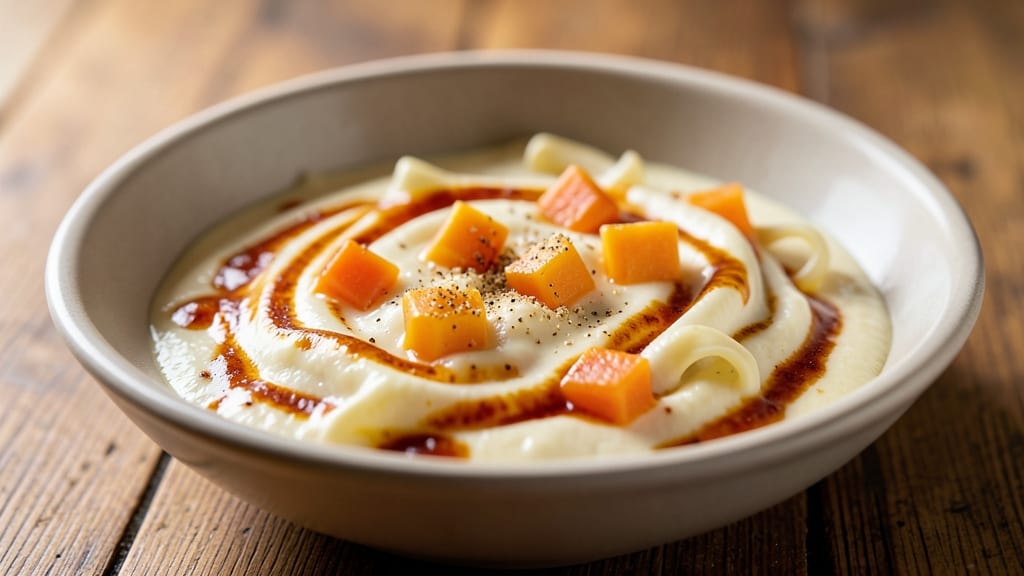
Creating a velvety Campbell’s cheese sauce recipe from scratch delivers that same comforting, creamy texture without the box—just a few simple ingredients and precise technique. The secret lies in a smooth roux and gradual cheese incorporation, ensuring no lumps or graininess.
I’ve perfected this method over years of testing, and it’s become my go-to for mac and cheese, dipping sauces, and more.
This recipe relies on basic pantry staples: butter, flour, milk, and sharp cheddar cheese, all combined in a way that guarantees a silky, restaurant-quality finish. The key is patience—allowing the roux to cook thoroughly before adding milk creates a stable base for the cheese.
For extra richness, I always use a mix of cheddar and cream cheese, though you can adjust to your preference.
What you’ll end up with is a sauce so smooth it coats every noodle or cracker perfectly, with a mild cheddar flavor that’s universally appealing. The texture is velvety yet sturdy enough to hold its shape when drizzled, making it ideal for both dipping and baking.
Once you try homemade, store-bought sauce won’t compare.
This sauce keeps well in the refrigerator for up to five days, so you can make a big batch for the week. It’s also freezer-friendly—just reheat gently to restore that perfect consistency.
Whether you’re elevating a classic mac and cheese or adding depth to grilled sandwiches, this recipe delivers professional results every time.
Ingredients for campbell's cheese sauce
Five staples, one perfect sauce—no box needed. Butter, flour, cheese, and milk transform into velvety comfort.
| Ingredient | Amount | Notes |
|---|---|---|
| Unsalted Butter 🧈 | ½ cup | Cold, cubed for roux |
| All-Purpose Flour 🌾 | ½ cup | White, for smooth roux |
| Sharp Cheddar Cheese 🧀 | 1 ½ cups | Freshly grated, block preferred |
| Cream Cheese 🧀 | 4 oz | Full-fat, room temperature |
| Whole Milk 🥛 | 1 ½ cups | Room temperature preferred |
| Garlic Powder 🧄 | ½ tsp | For subtle depth |
| Ground Black Pepper 🌶️ | ¼ tsp | Freshly ground preferred |
| Kosher Salt 🧂 | ½ tsp | Adjust to taste |
| Lemon Juice 🍋 | 1 tbsp | Brightens flavor |
| Heavy Cream 🥛 | ¼ cup | Optional for extra richness |
The butter and flour start this sauce right. Cold butter cubes create a smoother roux than melted butter—don't skip this step. For flour, Bob's Red Mill or any all-purpose brand works, but check the pantry first. The cheese is where flavor happens: sharp cheddar from the deli section (not pre-shredded) melts perfectly. I always grab Kraft sharp cheddar for that familiar Campbell's taste. Cream cheese adds richness, but Philadelphia brand is the only one I trust—it dissolves smoothly without clumping. Milk? Whole milk gives the best texture, but 2% works in a pinch.
No sharp cheddar? Monterey Jack or Colby soften the flavor but still work. Out of cream cheese? Double the cheddar and add an extra tablespoon of milk—it's not identical, but close. The garlic powder can be swapped for half a teaspoon of minced fresh garlic if you're feeling fancy. Heavy cream optional? Yes, but half-and-half at half the amount cuts costs without sacrificing too much creaminess. For a tangier sauce, add a pinch of mustard powder with the garlic. And if you're making this for kids? Skip the lemon juice—it's subtle but noticeable.
This sauce reheats beautifully—just warm it gently on the stove or microwave in 30-second bursts while stirring. Keeps 5 days in the fridge, sealed tightly. For freezing, portion into ice cube trays, then transfer to a bag. Thaws perfectly and reheats like fresh. I always make a double batch—one for mac and cheese, one for dipping. The leftovers? Perfect for grilled cheese sandwiches or as a dip for veggies. Trust me, you'll reach for this over the box every time.
Why You'll Love This Recipe
- No-Measurement Stress: I swear, this sauce only needs four ingredients plus milk—no fancy ratios, no guesswork. Just melt butter, whisk in flour, add cheeses, and stir in milk until it’s silky. My first attempt was lumpy, but now I make it blindfolded.
- Creamy Without the Guilt: That combo of sharp cheddar and cream cheese? Rich but not heavy. The flour roux thickens it just right, so it clings to pasta or broccoli without turning greasy. Honestly, it’s the kind of sauce that makes me forget I’m eating “healthy.”
- Mac-and-Cheese MVP: Use it as-is for a 10-minute dinner, or stretch it into casseroles, stuffed peppers, or even a grilled cheese filling. I’ve even drizzled it over roasted potatoes—because why not? It’s my lazy-day secret weapon.
- Leftovers That Last: This sauce reheats like a dream and keeps for days in the fridge. I make a double batch on Sundays so I can toss it into quesadillas or soup later. (Yes, even on a Tuesday night.) Plus, the cost? Less than $5 for enough to feed four.
Step-by-step instructions for creamy homemade cheese sauce
Here's how to make a velvety, restaurant-quality cheese sauce from scratch.
Make the Perfect Roux
Cut the 0.5 cup unsalted butter into small cubes and place them in a medium saucepan over medium heat. Let the butter melt completely, then immediately whisk in the 0.5 cup all-purpose flour all at once. This creates your roux - the flavor foundation of your sauce.
Cook the roux for 1-2 minutes, stirring constantly with a wooden spoon or whisk. You want it to turn a light golden color but not brown - this is called a blond roux. If it starts to darken too quickly, reduce the heat slightly. The roux should smell nutty and toasty when done. This step is crucial as it removes the raw flour taste and adds depth to your sauce.
Add Milk Gradually for Smoothness
Slowly pour in the 1.5 cups whole milk while whisking continuously. This gradual addition prevents lumps from forming. Start with a slow stream, then increase to a gentle pour as the mixture thickens. Keep whisking vigorously for 3-4 minutes until the sauce thickens noticeably and coats the back of a spoon.
Here's the thing - don't rush this step. You'll know it's ready when the sauce pulls away from the sides of the pan slightly and leaves a clear path when you run your finger through it. If it thickens too quickly, add a splash of milk to loosen it. The sauce should be smooth and velvety at this stage.
Incorporate the Cheeses
Lower the heat to low and begin adding the cheeses. First, stir in the 4 oz cream cheese until completely melted and smooth. Then gradually add the 1.5 cups sharp cheddar cheese, a handful at a time, whisking constantly. The cheese should melt completely before adding more - this prevents clumping.
If you notice any lumps forming, immediately whisk them out. The sauce should be completely smooth with no visible cheese particles. This is where your patience pays off - the longer you whisk, the creamier the final sauce will be. The mixture should be thick but still pourable at this stage.
Season and Finish
Add the 0.5 tsp garlic powder, 0.25 tsp ground black pepper, and 0.5 tsp kosher salt, whisking to combine. Then stir in the 1 tbsp lemon juice and 0.25 cup heavy cream (if using). The lemon juice brightens the flavor while the heavy cream adds luxurious richness. Taste and adjust seasoning if needed - you might want to add a pinch more salt or pepper.
For the final touch, transfer the sauce to a clean saucepan and heat gently over low heat for 2-3 minutes, stirring occasionally. This ensures all flavors meld together perfectly. The sauce should be smooth, velvety, and ready to serve over your favorite dishes.
Pro Tips For Making Campbell'S Cheese Sauce
- Melt Cheese Slowly: Start with the cheddar and cream cheese together over low heat—rushing this step makes lumps. I learned this the hard way after scraping out globs from three batches. Let the milk warm separately while you melt the cheeses, then temper them gradually.
- Whisk Like You Mean It: Once you add the milk, switch to a whisk and keep it moving. A hand mixer won’t cut it here—you need to break up every last bit of flour and cheese for that silky texture. I used to skip this, and the sauce always tasted grainy.
- Salt the Butter First: Toss in a pinch of salt with the butter before cooking. Unsalted butter needs it, and this keeps your sauce from tasting flat. (Yes, even if you’re using sharp cheddar—trust me, the balance matters.)
- Thin with Warm Milk: Add milk in small batches while stirring constantly. Cold milk shocks the sauce and can curdle it. Warm the milk first (just until steaming, not boiling) for a smoother, lump-free finish. —I know, it’s an extra step, but it’s worth it.
Troubleshooting this recipe
Lumpy Cheese Nightmare
If your sauce develops lumps despite whisking, you're likely adding cheese too quickly or not melting it thoroughly. The fix? Immediately remove the pan from heat and vigorously whisk while adding 1-2 tablespoons of milk to break up clumps.
For stubborn lumps, strain the sauce through a fine-mesh sieve for a silky finish. 🧀
Sauce Too Thin?
If your cheese sauce is thinner than expected, the issue is usually undercooked roux or too much milk. Simmer the sauce uncovered for 5-10 minutes to evaporate excess liquid, stirring constantly.
For extra thickness, mix 1 tablespoon cornstarch with 2 tablespoons cold milk, then stir into the sauce until it thickens. Let it cook for another 2 minutes to set properly.
Grainy Texture Fix
A grainy texture often means the cheese wasn't fully melted or the sauce was stirred too vigorously while hot. Lower the heat to low and whisk gently for 3-5 minutes to help emulsify.
For pre-shredded cheese issues, always use block cheese grated at home—pre-shredded contains anti-caking agents that prevent smooth melting. If needed, strain through a cheesecloth-lined sieve for a velvety result.
Burnt Roux Disaster
If your roux turns brown too quickly, it's overcooked and will taste bitter. To salvage it, immediately whisk in 1-2 tablespoons of milk or broth to deglaze the pan.
Then continue with the recipe, but reduce heat to low-medium for the remaining steps. For next time, keep heat at medium-low and stir constantly—never walk away from the roux!
Cheese Separation
When cheese separates from the sauce, it's usually due to overheating or insufficient whisking. Return the sauce to low heat and whisk continuously for 5 minutes to re-emulsify.
For stubborn separation, add 1 tablespoon of cold milk or cream cheese and whisk until smooth. This trick helps bind the ingredients back together without altering texture significantly.
Sauce Too Salty
If your sauce tastes overly salty, don't panic—you can fix it! Stir in 1-2 tablespoons of milk or broth to dilute the saltiness, then taste again. For a more dramatic fix, whisk in 1 tablespoon of heavy cream or sour cream, which adds richness while balancing flavor.
Avoid adding more cheese, as it will compound the salt problem.
Nutrition facts
Frequently asked questions
Can I make this cheese sauce without cream cheese?
Yes! Replace the 4 oz cream cheese with an extra 1/2 cup sharp cheddar and add 1 tablespoon cornstarch mixed with 2 tablespoons milk when combining cheeses. The sauce will be slightly less rich but still creamy. For extra smoothness, whisk in 1/4 cup heavy cream at the end.
How do I keep this sauce from separating when reheating?
Store the sauce in an airtight container with a thin layer of milk or butter on top to seal it. When reheating, warm over low heat while whisking constantly. If separation occurs, whisk in 1 tablespoon cold milk and heat for 2 more minutes. Never microwave without stirring—this causes separation.
What's the best way to use leftover cheese sauce?
Leftover sauce is perfect for grilled cheese sandwiches, baked potato topping, or as a dip for veggies and crackers. For mac and cheese, mix 1/2 cup sauce per 2 cups cooked pasta. Freeze extras in ice cube trays for easy portioning—just thaw and reheat. The sauce keeps 5 days refrigerated or 3 months frozen.
Can I make this sauce dairy-free?
For a dairy-free version, substitute butter with olive oil, milk with unsweetened almond milk, and cheese with 1.5 cups dairy-free cheddar shreds (like Violife). Use 1 tablespoon cornstarch mixed with 2 tablespoons milk substitute to thicken. The texture will be slightly lighter but still creamy. Add 1/2 teaspoon nutritional yeast for cheesy flavor.