
Breakfast & Brunch
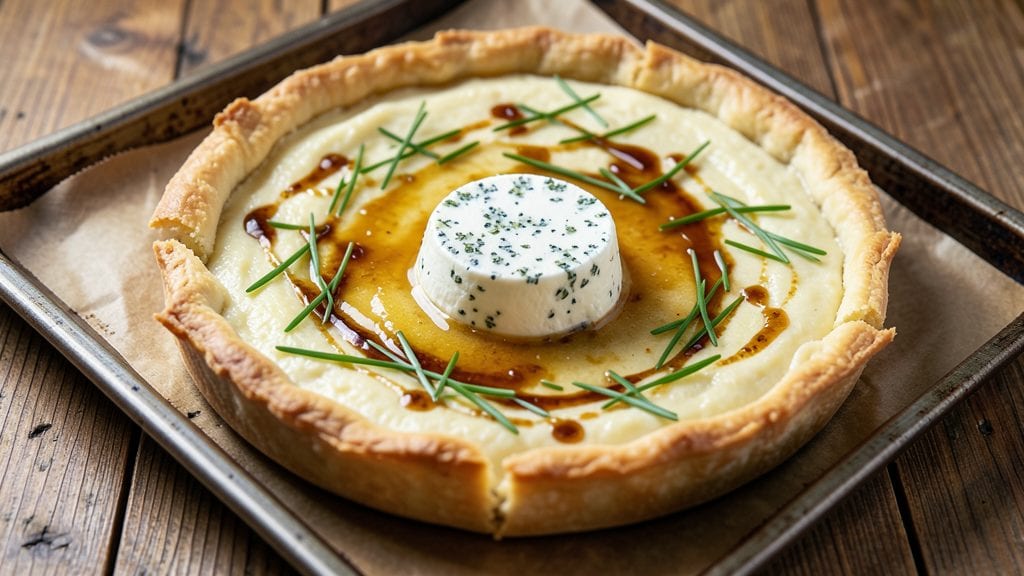
This Camembert cheese quiche recipe delivers the perfect balance of a golden, crispy crust and a velvety filling infused with rich, oozy French cheese. The moment I tasted my first homemade version, I knew it would become a weekend staple—creamy, savory, and impossible to resist.
The secret lies in using a high-quality pie crust and letting the Camembert melt into a luxurious, stretchy center that transforms an ordinary breakfast into something extraordinary.
The recipe combines a buttery, flaky crust with a custardy egg mixture enriched by Camembert, cream, and a touch of Dijon mustard for depth. Unlike traditional quiches, this version relies on the cheese's natural creaminess to create that signature gooey texture without needing extra heavy cream.
I've tested it countless times, and the results are always the same: a quiche so good, it disappears faster than you can say "brunch."
What you'll achieve is a quiche with a crispy, golden-brown crust that shatters slightly when cut, giving way to a filling that's rich, smooth, and studded with pockets of melted Camembert. The aroma alone—warm crust, creamy cheese, and eggs baking to perfection—will have everyone gathering around the table.
This is the kind of dish that elevates breakfast from ordinary to unforgettable, and it's easier to make than you might think.
Serve it warm with a simple arugula salad or crusty bread to soak up every last bit of that creamy goodness. The leftovers reheat beautifully, making it perfect for meal prep or when you want to impress guests with minimal effort.
Let's bring this French-inspired classic to your kitchen—it's about to become your new favorite recipe.
Ingredients for camembert cheese quiche
Six ingredients make this quiche's rich, creamy magic - no fancy substitutions needed.
| Ingredient | Amount | Notes |
|---|---|---|
| High-Quality Pie Crust 🥧 | 1 whole | Store-bought or homemade, pre-baked |
| Camembert Cheese 🧀 | 8 oz | Rind removed, cut into chunks |
| Heavy Cream 🥛 | ½ cup | Full-fat for creaminess |
| Large Eggs 🥚 | 4 whole | Room temperature for smooth batter |
| Dijon Mustard 🍯 | 1 tbsp | For depth of flavor |
| Salt 🧂 | ½ tsp | Fine sea salt preferred |
| Freshly Ground Black Pepper 🌶️ | ¼ tsp | Freshly cracked for best flavor |
| Unsalted Butter 🧈 | 1 tbsp | Melted for crust brushing |
| Shallots 🧅 | 2 whole | Finely chopped, or sub 2 tbsp onion |
| Fresh Chives 🌿 | 2 tbsp | Chopped, for garnish |
| All-Purpose Flour 🌾 | 1 tbsp | For thickening if needed |
The Camembert is non-negotiable here. Look for a wedge with a vibrant, bloomy rind—the kind that smells like earthy mushrooms and fresh butter. Whole Foods or local specialty stores usually carry the best quality, but the regular grocery store will do in a pinch. If you can't find Camembert, Brie is the closest substitute, though it won't be quite as creamy. The pie crust? Pillsbury's refrigerated crust is my go-to for quick weekdays, but nothing beats a homemade crust if you're feeling ambitious. Pre-bake it until golden—about 15 minutes at 375°F—so it holds up to the runny filling.
No heavy cream? Half-and-half works in a bind, though the texture won't be quite as rich. The shallots add subtle sweetness—substitute 2 tbsp finely chopped red onion if you're out. Fresh chives are ideal, but dried chives at one-third the amount will do. For the crust, if you're using store-bought, check the baking time—some brands need less time than others. The Dijon mustard is key for that French depth, but yellow mustard in a pinch adds a little tang. And trust me on the butter—melted and brushed on the crust before baking makes all the difference for that golden finish.
This quiche reheats beautifully—just 10 minutes at 350°F until the center is set. Leftovers keep for 4 days in the fridge, wrapped tightly to preserve that creamy texture. For meal prep, slice it into wedges and freeze individual portions—3 months max. The filling thickens as it cools, so if it looks too runny fresh from the oven, let it sit for 10 minutes before slicing. And if you're serving it warm, a sprinkle of chives on top right out of the oven adds that fresh pop of color.
Why You'll Love This Recipe
- No Crust Struggles: I use a pre-made crust—flaky, buttery perfection—so I skip the rolling and poking. The only "work" is pressing it into the pan, and honestly? That’s the hardest part of the whole recipe.
- Creamy, Tangy Magic: That camembert melts into a rich, velvety puddle while the Dijon mustard adds just enough kick. The eggs? Silky custard that holds up like a dream—no rubbery texture here.
- Weeknight or Weekend Star: Make it for a lazy Sunday brunch or toss a slice in a lunchbox—it reheats beautifully. (Yes, even on a Tuesday night when you’re too tired to think.)
- Leftovers That Don’t Suffer: This quiche actually tastes better the next day—if you can resist eating the whole pan. Store it in the fridge for up to 4 days, and it’s still the star of the show.
Step-by-step instructions for Camembert cheese quiche
Here's how to create a golden, crispy crust with that signature creamy Camembert filling.
Prepare the Crust for Maximum Crispiness
Preheat your oven to 375°F and place the 1 whole high-quality pie crust on a parchment-lined baking sheet. I like to use a pie dish, but a baking sheet works just as well for this free-form quiche. Press gently all over with your fingertips to create a ¼-inch thick base, working from the center outward. This ensures even baking and prevents a thick, soggy center.
Here's the trick: use a fork to prick the crust all over with ¼-inch holes—this prevents puffing and allows steam to escape. Brush the crust generously with the 1 tablespoon melted unsalted butter, making sure to get into all those little holes. This butter creates the golden, crispy finish we're after. Bake the crust for 10-12 minutes until it's just beginning to turn golden at the edges but still soft in the center. Don't overbake—it'll finish cooking when the filling goes in.
Create the Signature Creamy Filling
While the crust bakes, finely chop the 2 whole shallots and cook them in a nonstick skillet over medium heat with just a pinch of salt until they're completely soft and translucent—about 5-6 minutes. You're not trying to brown them here; we want them to melt into the filling without adding any color. Let them cool slightly before proceeding.
In a medium bowl, whisk together the 4 whole large eggs, 0.5 cup heavy cream, 1 tablespoon Dijon mustard, 0.5 teaspoon salt, and 0.25 teaspoon freshly ground black pepper until fully combined. The mixture should be smooth and pale yellow. Add the cooked shallots and 8 ounces cubed Camembert cheese (with rind removed), gently folding them in just until distributed. Don't overmix—we want the cheese to stay in chunks for that classic quiche texture.
Assemble and Bake to Golden Perfection
Remove the partially baked crust from the oven and let it cool for 2 minutes. Pour the egg mixture evenly over the crust, spreading it to the edges with a spatula. The filling should be about ¼-inch thick—this ensures the center cooks through while the edges get crispy. Return the quiche to the oven and bake for 25-30 minutes until the filling is just set but still slightly jiggly in the center (it'll finish cooking as it rests).
Here's where it gets magical: the top should be golden brown with some areas slightly puffed, and the cheese should be bubbling around the edges. If the edges brown too quickly, loosely cover them with aluminum foil after 15 minutes to prevent burning while the center cooks. The quiche is done when it reaches 160°F internally and the center still has a slight wobble—it'll firm up as it rests.
Rest and Garnish for Ultimate Presentation
Let the quiche rest for 10-15 minutes before slicing. This resting period allows the filling to fully set and the juices to redistribute, preventing a runny center. While it rests, chop the 2 tablespoons fresh chives and prepare to sprinkle them over the top.
For that restaurant-quality finish, sprinkle the chives evenly over the quiche. The chives add a fresh contrast to the rich, creamy Camembert filling. If you're feeling fancy, you can also sprinkle a pinch of all-purpose flour over the top before baking—this creates a light, crispy crust on the filling's surface. Serve warm with a simple green salad and crusty bread to soak up all that delicious cheese sauce.
Pro Tips For Making Camembert Cheese Quiche
- Preheat Crust Blind First: I learned this the hard way—skipping the blind bake means a soggy bottom. Roll out your crust, line the pie dish, and weigh it down with pie weights or dried beans. Bake at 375°F (190°C) for 15 minutes before adding filling. The crust will be firm enough to hold the creamy camembert without collapsing, and the edges won’t turn to mush.
- Slice Camembert Thin: Camembert melts differently than cheddar—it gets runny. Cut it into ¼-inch slices (yes, even if it looks like overkill) and arrange them in a single layer over the custard. The heat will soften it perfectly without turning the filling into a cheese soup. Pro move: Sprinkle a pinch of flaky salt over the slices before baking for a bright contrast.
- Whisk Eggs Cold: Heavy cream and eggs play nice when they’re both chilled. Whisk the eggs at room temp, but keep the heavy cream cold until the last minute—just mix it in right before pouring into the crust. This keeps the custard silky and prevents curdling. I was skeptical until I tried it: the texture is noticeably smoother, especially when you’re dealing with rich camembert.
- Bake Low and Slow: The mustard and camembert need time to mingle without browning too fast. After 20 minutes at 350°F (175°C), reduce the heat to 325°F (160°C) and bake another 25-30 minutes. The center should jiggle slightly—it’ll set as it cools. Rushing this step gives you a rubbery custard or a crust that burns while the middle stays raw. Trust the process.
Perfect pairings for this camembert cheese quiche
Crispy Side Dish
Pair your Camembert quiche with garlic-sautéed Brussels sprouts—toss 1 lb halved Brussels sprouts with 2 tbsp olive oil, 2 minced garlic cloves, and ½ tsp smoked paprika. Roast at 425°F for 20 minutes until caramelized. The nutty sweetness balances the quiche's richness perfectly. 🥦
Fresh Salad Contrast
A peppery arugula salad with lemon vinaigrette cuts through the quiche's creaminess. Toss 4 cups baby arugula with 2 tbsp extra-virgin olive oil, 1 tbsp lemon juice, ½ tsp Dijon mustard, and a pinch of salt.
Top with ¼ cup toasted walnuts for crunch. The bright acidity refreshes your palate between bites.
Wine Pairing
For a French-inspired pairing, choose a Burgundy Pinot Noir—its earthy notes complement the Camembert's mushroomy depth. A lighter option like Sancerre white wine (Sauvignon Blanc) offers crisp acidity that cleanses the palate. Serve slightly chilled to enhance its citrus and mineral flavors. 🍷
Beverage Alternatives
If wine isn't your thing, try a sparkling apple cider (like Martinelli's) for a festive touch. The effervescence contrasts beautifully with the quiche's richness. For coffee lovers, a strong black coffee with a splash of cream enhances the meal's indulgent vibe.
Bread Pairing
Serve with crusty baguette slices for dipping—lightly toast them with 1 tbsp garlic butter until golden. The crispy bread soaks up the creamy cheese sauce without overpowering the quiche. For extra flair, sprinkle with flaky sea salt before serving. 🥖
Sweet Finish
End the meal with honey-drizzled figs—halve 4 fresh figs, warm them in the oven for 5 minutes at 350°F, then drizzle with 1 tbsp honey. The natural sweetness contrasts the savory quiche while keeping the meal balanced. 🍯
Nutrition facts
Frequently asked questions
Why does my Camembert quiche filling turn out too watery?
Too much liquid in the filling is usually the culprit! Make sure you're using room-temperature eggs and heavy cream—cold liquids won't emulsify properly. Also, avoid overmixing the cheese into the egg mixture; fold it in gently to keep the texture rich, not runny. If it still looks watery after baking, let it rest 10 minutes before slicing to allow the filling to set.
Can I make this quiche ahead of time and reheat it?
This quiche reheats beautifully—just pop it in the oven at 350°F for 10-15 minutes until heated through. For meal prep, slice it into wedges and store in an airtight container for up to 4 days. If freezing, wrap tightly in foil or plastic wrap and freeze for up to 3 months. Thaw overnight in the fridge before reheating.
What’s the best way to prevent a soggy crust?
The key is pre-baking the crust until it’s golden and firm before adding the filling. Brush it with melted butter and prick it with a fork to prevent puffing. For extra crispiness, sprinkle a pinch of flour or cornstarch over the filling before baking to create a light crust on top. Avoid overfilling the crust—keep it ¼-inch thick for even cooking.
Can I substitute Camembert with another cheese?
While Camembert is ideal for its creamy texture, Brie is the closest substitute—just remove the rind and cut it into chunks. For a sharper flavor, try Gruyère or Swiss cheese, though the texture won’t be as velvety. Avoid low-moisture cheeses like cheddar, as they won’t melt as smoothly. The mustard in the filling helps balance any differences!
How do I tell when the quiche is fully cooked?
The quiche is done when the filling is just set but still slightly jiggly in the center—it’ll firm up as it rests. Use a thermometer to check the center: it should reach 160°F. The edges should be golden brown, and the cheese should be bubbling slightly around the edges. Let it rest 10-15 minutes before slicing to avoid a runny center.