
Salads
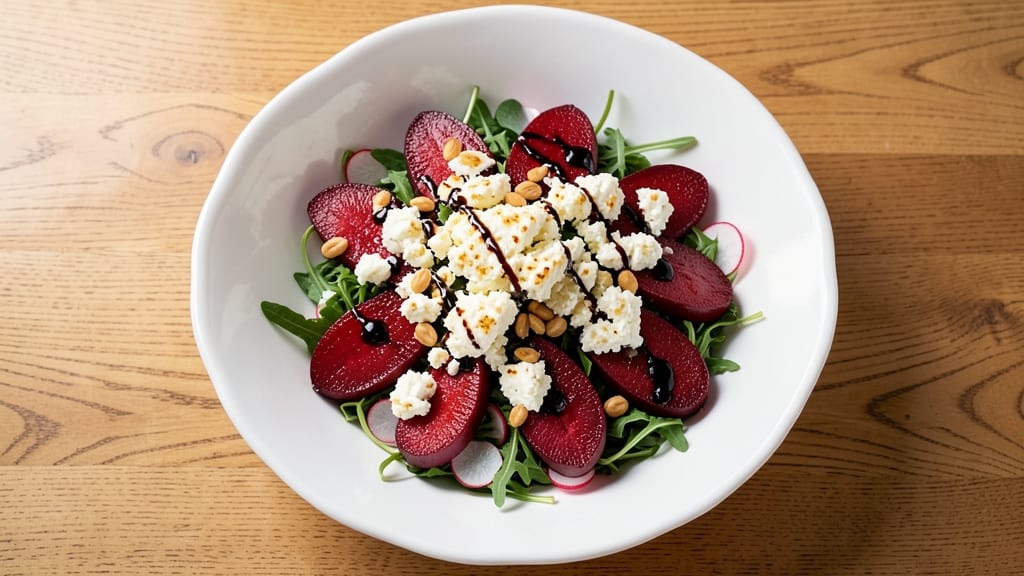
Recreating the Cheesecake Factory's beet and goat cheese salad at home delivers restaurant-quality layers of earthy sweetness and creamy texture. The key lies in perfectly roasted beets that caramelize into tender slices, paired with tangy goat cheese and crisp greens for that signature contrast.
I've tested this recipe dozens of times to ensure the balance of acidity and sweetness matches the original, while adding a crunchy top that elevates every bite.
This salad is vegetarian-friendly and packed with flavor complexity—roasted beets provide natural sweetness, goat cheese adds creamy tang, and a bright vinaigrette ties everything together. The assembly process is simple but requires attention to texture: crisp greens, tender beets, and crumbled cheese create perfect contrast.
For an extra touch, toasted nuts or balsamic glaze can enhance the restaurant-style presentation.
What makes this recipe special is how it transforms simple ingredients into a visually stunning dish with restaurant-quality depth. The roasting process concentrates the beets' natural sweetness while developing rich caramel notes, and the goat cheese provides that signature creamy element.
Every layer works together to create a salad that's as impressive to serve as it is delicious to eat.
The beauty of this dish is its versatility—it works as a standalone salad or pairs beautifully with grilled meats and fish. The flavor balance ensures it's satisfying yet light enough for any meal. Let's bring that Cheesecake Factory experience to your kitchen with this foolproof method.
Ingredients for beet and goat cheese salad cheesecake factory
Simple ingredients transform into restaurant-quality layers of earthy sweetness and creamy texture.
| Ingredient | Amount | Notes |
|---|---|---|
| Medium Beets 🍠 | 2 whole | Organic preferred, stems trimmed |
| Extra-Virgin Olive Oil 🫒 | ¼ cup | High-quality, fruity variety |
| Balsamic Vinegar 🍷 | 1 tbsp | Aged 25 years or more |
| Diamond Crystal Kosher Salt 🧂 | ½ tsp | For roasting beets |
| Goat Cheese 🧀 | 8 oz | Chèvre, soft-ripened preferred |
| Baby Arugula 🌿 | 4 cups | Organic, crisp leaves |
| Red Wine Vinegar 🍷 | 2 tbsp | For vinaigrette dressing |
| Honey 🍯 | 1 tbsp | Wildflower preferred |
| Walnuts 🥜 | ½ cup | Toasted, roughly chopped |
| Pecorino Romano Cheese 🧀 | ¼ cup | Freshly grated, coarse |
| Garlic Cloves 🧄 | 2 cloves | Fresh, minced |
| Mustard Oil 🫒 | 1 tsp | For vinaigrette depth |
| Fresh Thyme Leaves 🌿 | 1 tbsp | Chopped, for garnish |
| Balsamic Glaze 🍷 | 2 tbsp | Reduction, for drizzling |
The beets are the foundation—organic medium beets develop the deepest caramelized sweetness when roasted whole. Whole Foods Market or local farmers markets carry the best quality, with vibrant color indicating freshness. For optimal texture, trim stems but leave skins intact to prevent bleeding. The goat cheese should be soft-ripened chèvre, available at specialty cheese counters like Murray's Cheese or well-stocked grocery stores. Look for a creamy, slightly tangy variety with minimal additives.
No organic beets? Conventional beets work fine, though they may require slightly longer roasting. Substituting goat cheese? Creamy feta or ricotta salata provide similar tang, though texture differs. For the vinaigrette, aged balsamic vinegar (25+ years) adds complexity—Trader Joe's carries an excellent option. Mustard oil can be swapped for Dijon mustard at half the amount, though it won't have the same aromatic depth. The walnuts must be toasted—toast in a dry pan until fragrant for maximum flavor impact.
Roasted beets keep 5 days refrigerated in an airtight container, though texture softens over time. The assembled salad holds 3 days when stored in layers with parchment between components. For presentation, toast walnuts fresh before serving. The balsamic glaze should be drizzled just before eating—it sets when chilled. Portion into individual bowls for elegant restaurant-style plating.
Why You'll Love This Recipe
- No-Cook Magic: I swear, this salad takes zero active cooking—just roast those beets ahead (or grab pre-cooked ones), toss them with olive oil and salt, and let them cool. The goat cheese and balsamic come together in minutes while you’re still deciding what to watch on TV.
- Earthy-Creamy Balance: That tangy goat cheese against the sweet, caramelized beets? It’s like a flavor hug—especially when you drizzle the balsamic right before serving. Honestly, I’ve made salads that cost twice as much but taste half as good.
- Weeknight to Party: Same bowl works for a lazy Tuesday lunch or a fancy brunch with friends. Add walnuts for crunch if you’re feeling fancy, or keep it simple for a no-fuss weeknight. My roommate’s boyfriend asked for the recipe after one bite—no joke.
- Budget Luxury: Beets are dirt cheap, goat cheese stretches far, and olive oil lasts forever. This salad feels gourmet without the grocery shock. I’ve fed four people for under $10, and they all thought I’d hired a chef. (Spoiler: I just roasted some veggies.)
Step-by-step instructions for beet and goat cheese salad
This elegant salad balances earthy roasted beets with creamy goat cheese and crisp greens for a restaurant-worthy dish.
Roast the Beets to Perfect Tenderness
Preheat your oven to 375°F. Wrap the 2 whole medium beets tightly in aluminum foil, ensuring all sides are completely sealed. Place them on a baking sheet and roast for 45-50 minutes until completely tender when pierced with a fork. The beets should yield easily with no resistance.
Here's the thing—roasting beets low and slow preserves their natural sweetness. If you cut into one and it feels slightly underdone after 45 minutes, return it to the oven for another 5-10 minutes. Once cool enough to handle, peel away the papery skin using your fingers or a small knife. Chop the beets into ½-inch cubes and set aside in a bowl.
Prepare the Vinaigrette and Toast the Walnuts
In a small bowl, whisk together 2 tablespoons red wine vinegar, 1 tablespoon honey, 1 teaspoon mustard oil, and ½ teaspoon diamond crystal kosher salt until fully combined. Slowly drizzle in ¼ cup extra-virgin olive oil while whisking continuously. The dressing should emulsify into a smooth, glossy consistency.
While the dressing rests, spread ½ cup walnuts on a dry baking sheet and toast in the same 375°F oven for 5-7 minutes until fragrant and lightly golden. Watch them closely—they burn quickly. Let cool before roughly chopping with a knife or pulse briefly in a food processor. The toasted walnuts will add satisfying crunch to balance the creamy goat cheese.
Assemble the Salad with Goat Cheese and Arugula
In a large bowl, combine 4 cups baby arugula with the chopped roasted beets. Add the toasted walnuts and gently toss everything together. Fold in 8 ounces goat cheese, cut into ½-inch cubes, being careful not to overmix. You want the goat cheese to remain intact for maximum creaminess in each bite.
Drizzle the prepared vinaigrette over the salad, tossing gently to coat. Sprinkle with ¼ cup freshly grated pecorino romano cheese and 1 tablespoon chopped fresh thyme leaves. The combination of tangy vinaigrette, sweet beets, and salty pecorino creates a perfect flavor balance. Let the salad sit for 5 minutes before serving to allow the flavors to meld.
Finish with Balsamic Glaze and Garnish
Just before serving, drizzle each portion with 2 tablespoons balsamic glaze in a zigzag pattern. The glaze adds a sweet-tart contrast that elevates the entire dish. For presentation, scatter additional chopped thyme leaves and a pinch of diamond crystal kosher salt over the top. The salt enhances the natural sweetness of the beets while cutting through the richness of the goat cheese.
This salad holds together beautifully for 2-3 hours before serving, allowing flavors to develop further. For best texture, serve immediately after assembly while the arugula remains crisp and the goat cheese is still cool. Pair with a crisp white wine or sparkling water with lemon for a refreshing accompaniment.
Pro Tips For Making Beet And Goat Cheese Salad Cheesecake Factory
- ROAST BEETS UNTIL TENDER: I learned this the hard way—medium beets need a solid 45-50 minutes at 400°F (200°C) until they’re fork-tender, not just soft. If they’re still firm inside, they’ll turn to mush when sliced, and your salad will feel like eating wet cardboard.
- SALT THE BEETS AFTER ROASTING: Skip salting the beets before roasting—it makes them waterlogged. Instead, toss them with a pinch of kosher salt right after they come out of the oven while they’re still warm. The skin will crisp slightly, and the flavor will be more balanced.
- DRAIN GOAT CHEESE BEFORE MIXING: That creamy goat cheese you love? It’s full of moisture, and if you just crumble it straight into your salad, it’ll turn into a sad, watery mess. Press it between paper towels for 10 minutes to remove excess liquid—trust me, your texture will thank you.
- WHISK BALSAMIC INTO OIL: Don’t just drizzle balsamic over the salad like a lazy garnish. Whisk 1 tablespoon into the olive oil first—it emulsifies better, coats the beets evenly, and gives every bite that tangy richness without pooling at the bottom. (Yes, even if you’re impatient like me.)
Pro cooking tips for great beet and goat cheese salad cheesecake factory
Roasting Beets Low
Roasting beets at 375°F in foil creates tender, caramelized cubes with concentrated sweetness. The foil traps moisture while the skin prevents bleeding, resulting in vibrant color. I always wrap them tightly—any gaps mean uneven cooking. 🌡️
For perfect texture, roast until a fork slides in with zero resistance. If they feel firm after 45 minutes, add 5-10 more minutes. Overcooking turns them mushy—this salad depends on firm beets for structure. Let them cool completely before peeling to avoid slipping.
Vinaigrette Emulsification
The key to a silky dressing is slow whisking while drizzling oil. I use mustard oil for depth, but Dijon mustard works if unavailable. Whisk vigorously for 30 seconds after adding oil to create a stable emulsion. If it breaks, add 1 tsp warm water to help rebind.
Let the dressing rest 5 minutes before using—this allows flavors to meld. The honey should dissolve completely; if not, warm the vinegar slightly before mixing. A properly emulsified dressing coats greens evenly without pooling.
Goat Cheese Handling
Use soft-ripened chèvre for optimal creaminess. Cut into ½-inch cubes rather than crumbling—this creates melt-in-your-mouth pockets. Fold gently into the salad to avoid breaking the cubes. I like to chill the goat cheese for 10 minutes first to make it easier to handle.
For extra richness, sprinkle with ¼ cup pecorino romano just before serving. The salty contrast makes the goat cheese taste even more luxurious. Avoid pre-shredded cheese—it releases moisture and dulls the flavor.
Crunch Control
Toast walnuts until they're fragrant but not dark—5-7 minutes at 375°F. They burn fast, so watch closely. Chop them coarsely to maintain texture. For extra crunch, toast pecans or hazelnuts instead, but walnuts provide the best earthy balance to the sweet beets.
Add nuts last to preserve their crispness. If storing, keep them separate until serving. The contrast between creamy cheese and crunchy nuts is what makes this salad restaurant-worthy.
Balsamic Glaze Timing
Drizzle balsamic glaze just before serving—it sets when chilled. Use aged balsamic reduction (not syrup) for depth. The zigzag pattern creates visual appeal while distributing flavor evenly. For extra shine, warm the glaze slightly before drizzling.
If making ahead, store glaze separately and drizzle at the last minute. The glaze's sweet-tart notes cut through the richness of the goat cheese, balancing the earthy beets perfectly. A little goes a long way—start with 1 tbsp per serving and adjust to taste.
Nutrition facts
Frequently asked questions
Can I substitute regular beets for baby beets in this recipe?
Yes, but adjust the roasting time. Baby beets cook faster (25-30 minutes at 375°F) since they're smaller. For medium beets, stick to the 45-50 minute roast to ensure full tenderness. Baby beets work well if you prefer a sweeter, more concentrated flavor without extra prep.
Why does my vinaigrette separate? How can I fix it?
Emulsification breaks when oil and vinegar aren't properly blended. Re-whisk vigorously for 30 seconds after adding oil, or add 1 tsp warm water to help rebind. For extra stability, whisk in ½ tsp Dijon mustard before adding oil. Always whisk continuously while drizzling oil to prevent separation.
How do I make this salad ahead of time?
Roast beets and toast walnuts 1 day ahead—store separately in airtight containers. Assemble the salad 4 hours before serving, keeping dressing and balsamic glaze separate. Re-toss with fresh dressing and drizzle with glaze just before serving to maintain crispness. The goat cheese stays creamy when stored properly.
What's the best way to reheat leftovers?
This salad isn't meant to be reheated—it's best served fresh. However, if you have leftovers, gently warm the dressing separately and toss with cold salad components. The arugula will wilt slightly, but the flavors remain intact. For best texture, always serve at room temperature or chilled.
Can I make this salad nut-free?
Skip the walnuts and add ¼ cup toasted pumpkin seeds or ½ cup crispy fried shallots for crunch. You could also increase the pecorino romano by 2 tbsp for extra salty contrast. The key is maintaining that textural element to balance the creamy goat cheese.