
Sauces & Condiments
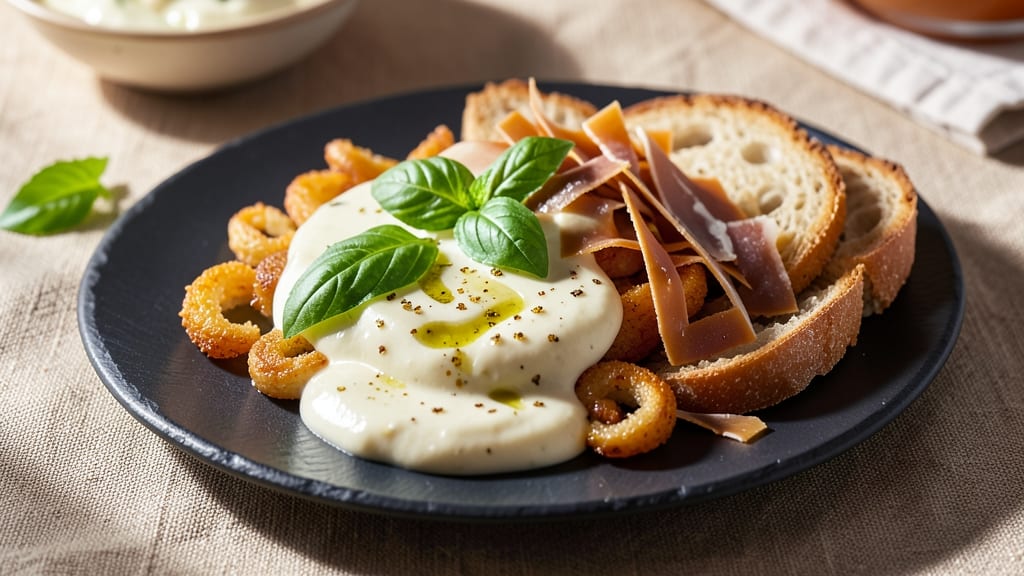
This basil cheese sauce recipe transforms simple ingredients into a velvety, herb-infused sauce that elevates pasta, baked dishes, and more. The secret lies in balancing fresh basil with sharp cheddar and a touch of cream, creating a sauce that’s creamy yet bright.
I developed this after years of perfecting restaurant-style sauces at home—now you can achieve the same rich, aromatic results without shortcuts.
The process is straightforward but precise: sautéing garlic in olive oil until fragrant, then gradually whisking in cream and grated cheese until smooth. Fresh basil is added just before serving to preserve its vibrant flavor and aroma.
This sauce works beautifully over fettuccine, as a dip for crusty bread, or as a topping for baked potatoes—its versatility makes it a kitchen essential.
What you’ll end up with is a sauce that’s silky, flavorful, and impossible to resist—each bite delivers a perfect harmony of creamy cheese, fresh basil, and subtle garlic notes.
The sauce thickens as it cools, making it ideal for meal prep, and pairs effortlessly with proteins like chicken or fish. Whether you’re feeding a crowd or treating yourself to a cozy weeknight dinner, this recipe delivers restaurant-quality results.
For extra depth, consider adding a splash of lemon juice or a sprinkle of red pepper flakes, though the classic version stands strong on its own. Ready in just 15 minutes, this sauce proves that homemade can taste better than anything store-bought. Let’s get started!
Ingredients for basil cheese
Fresh basil and sharp cheddar create this velvety sauce—simple ingredients, restaurant-quality results.
| Ingredient | Amount | Notes |
|---|---|---|
| Fresh Basil Leaves 🌿 | 1 ½ cups | Packed, stems removed |
| Sharp Cheddar Cheese 🧀 | 1 ½ cups | Freshly grated from block |
| Heavy Cream 🥛 | 1 cup | Full-fat for creaminess |
| Extra-Virgin Olive Oil 🫒 | ¼ cup | High-quality, fruity |
| Garlic Cloves 🧄 | 3 cloves | Peeled, minced finely |
| Unsalted Butter 🧈 | 2 tbsp | Cold, cubed |
| All-Purpose Flour 🌾 | 1 tbsp | For thickening |
| Salt 🧂 | ½ tsp | Diamond Crystal preferred |
| Black Pepper 🌶️ | ¼ tsp | Freshly ground |
| Lemon Juice 🍋 | 1 tbsp | Freshly squeezed |
| Red Pepper Flakes 🌶️ | ¼ tsp | Optional for heat |
The basil is non-negotiable here. Farmers market basil has the best flavor, but grocery store containers work too—just pick the brightest, firmest leaves. For the cheese, sharp cheddar from a block makes all the difference—pre-grated tastes like sawdust. I usually grab mine from Whole Foods or the deli section at Kroger, but any quality cheddar will do. The garlic? Fresh is a must—jarred garlic just doesn't cut it. Toast it in the olive oil for 30 seconds first to deepen the flavor.
No fresh basil? Dried works at half the amount, but it won't have that same vibrant aroma. Short on cheddar? Parmesan or Gruyère adds a nice depth. The heavy cream can be swapped for half-and-half if you're watching calories, though it won't be quite as rich. For extra tang, add a splash of white wine when you're deglazing the pan. And if you're feeling spicy, those Trader Joe's red pepper flakes are perfect—go easy, though, they pack a punch.
This sauce thickens as it cools, so don't over-thicken it. If it gets too heavy, just whisk in a splash of milk. Keeps for 4-5 days in the fridge, covered tightly. Freezes beautifully for up to 3 months—portion into ice cube trays for easy use. I always make extra because it disappears fast. Perfect for pasta, baked potatoes, or even as a dip with warm bread.
Why You'll Love This Recipe
- No-Chop Needed: I swear by this one—just tear the basil leaves (no knife skills required) and toss them in with the shredded cheddar. The garlic gets a quick sauté, the cream thickens in minutes, and suddenly you’ve got a rich, herby spread that feels fancy but took less time than waiting for takeout.
- That Herby-Garlicky Magic: The sharp cheddar melts into this velvety, tangy pool, while the basil and garlic infuse the cream until it smells like you slaved over it for hours. Honestly, the first bite makes me question why I ever bought pre-made dips.
- Game for Any Occasion: Slather it on toasted baguettes for a charcuterie board, dollop it into pasta, or serve it chilled with crackers at a picnic. My college friends and I called it “the snack that does it all”—no matter the vibe, this delivers.
Step-by-step instructions for basil cheese sauce
This sauce comes together faster than you'd think—bright, creamy, and packed with fresh basil flavor.
Sauté Garlic in Olive Oil
Heat the 0.25 cup extra-virgin olive oil in a medium saucepan over medium-low heat. Add the 3 cloves minced garlic and cook for 1-2 minutes until fragrant but not browned. You want that sweet, aromatic garlic flavor without any bitterness—watch it closely so it doesn't darken.
Here's the thing—if you let the garlic brown, it'll add a bitter note that clashes with the fresh basil. Once it smells amazing but still looks pale, it's ready for the next step. Remove the pan from heat briefly if it starts to get too dark.
Add Butter and Flour for Thickening
Return the pan to medium heat and add the 2 tablespoons cold cubed butter. Let it melt completely, then stir in the 1 tablespoon all-purpose flour. Cook for 1 minute while stirring constantly—this creates a roux that will help thicken your sauce beautifully.
I always use cold butter here because it creates little pockets of fat that make the sauce extra creamy. If you use melted butter, you'll miss out on that luxurious texture. Keep stirring so the flour doesn't clump—you want it to cook out that raw flour taste completely.
Gradually Add Heavy Cream
Slowly pour in the 1 cup heavy cream while whisking constantly to prevent lumps. Return the heat to medium-low and let the mixture simmer gently for 3-4 minutes until it begins to thicken. You're looking for a smooth, velvety consistency—not too thick, but definitely thicker than when you started.
This is where patience pays off. If you rush it, you'll end up with a sauce that's either too thin or has flour lumps. Stir occasionally and check the consistency—it should coat the back of a spoon but still be pourable. If it thickens too much, you can always thin it with a splash of milk later.
Incorporate Cheese and Fresh Basil
Reduce the heat to low and gradually add the 1.5 cups freshly grated sharp cheddar cheese, stirring constantly until completely melted and smooth. Then stir in the 1.5 cups packed fresh basil leaves, the 0.5 teaspoon salt, 0.25 teaspoon black pepper, and 0.25 teaspoon red pepper flakes (if using).
The basil should wilt slightly as it incorporates into the sauce, releasing its bright, fresh flavor. I like to press the basil leaves between my fingers first to release some of their oils before adding them—this intensifies the flavor. If you notice the sauce separating, just give it a quick whisk to bring everything back together.
Finish with Lemon Juice and Adjust Seasoning
Remove the pan from heat and stir in the 1 tablespoon fresh lemon juice. This brightens the whole sauce and cuts through the richness of the cheese and cream. Taste and adjust seasoning if needed—you might want a bit more salt or pepper depending on your cheddar's sharpness.
Let the sauce sit off the heat for 2-3 minutes before serving. This resting time allows all the flavors to meld together perfectly. The sauce should be smooth, creamy, and bursting with fresh basil flavor—ideal for tossing with pasta, dipping bread, or topping grilled meats.
Pro Tips For Making Basil Cheese
- Pulse Cheese Twice: Use your food processor to pulse the sharp cheddar into small, pea-sized chunks—not powder—before mixing with cream. I learned this the hard way: blending it fully turns the sauce grainy, and you end up with a sad, clumpy mess instead of a velvety texture.
- Toast Garlic in Oil: Bloom the minced garlic in olive oil over low heat until it’s just fragrant, not browned. High heat burns it fast, and you’ll taste bitterness cutting through the basil’s brightness. (Yes, even if you’re impatient like me.)
- Blanch Basil First: Drop fresh basil leaves into boiling water for 15 seconds, then shock in ice water. This softens them slightly so they blend smoothly without turning the cheese sauce into a leafy sludge. Skip this, and you’ll get a dish that looks like a salad exploded in your pan.
- Warm Cream Together: Heat the heavy cream and half the olive oil separately to 110°F (43°C) before combining with the cheese. Cold cream curdles when mixed with hot cheese, and you’ll spend 10 minutes trying to fix it instead of eating. A thermometer makes this foolproof—no guessing.
Serving suggestions for basil cheese
Pasta Pairings
This basil cheese sauce transforms fettuccine or linguine into a showstopper—toss freshly cooked pasta with sauce while it’s still hot to create a silky, flavorful coat. For extra indulgence, add grilled chicken or shrimp to the sauce before serving.
I also love using bucatini for a heartier bite that soaks up the creamy goodness. 🍝
For a lighter option, try whole wheat spaghetti or zucchini noodles—the sauce clings beautifully to both. If you’re feeling adventurous, serve it over roasted potatoes or polenta for a comforting, cheesy twist.
The key is to toss the sauce with hot pasta or sides immediately after cooking to prevent it from thickening too much.
Bread Dips
Warm, crusty sourdough or baguette becomes irresistible with this sauce as a dip. Cut bread into 1-inch cubes, toast until golden, and serve with the sauce in a small bowl. For an elegant touch, arrange slices on a platter with the sauce in the center for dipping.
I often make extra sauce just to enjoy it this way—it’s my go-to appetizer for game nights. 🥖
For a gourmet upgrade, pair the sauce with garlic bread or focaccia drizzled with olive oil and sprinkled with sea salt. The combination of crispy bread, creamy sauce, and fresh basil is pure comfort food magic.
You can also serve it with warm pretzels or pita chips for a fun, shareable snack.
Protein Toppings
This sauce elevates grilled chicken, salmon, or steak like nothing else. After cooking your protein, spoon the warm sauce over the top and garnish with extra basil and a crack of black pepper.
The creamy, herby sauce complements the richness of meat beautifully. I especially love it on garlic butter shrimp—the lemon in the sauce brightens the dish perfectly. 🍗
For a vegetarian option, try topping stuffed bell peppers or mushroom risotto with this sauce. The basil and cheese add a fresh, vibrant contrast to earthy flavors. If you’re serving a charcuterie board, drizzle the sauce over prosciutto-wrapped melon or mozzarella balls for a sweet-savory balance.
Breakfast Twists
Don’t limit this sauce to dinner! Use it to top scrambled eggs, omelets, or breakfast burritos for a creamy, herby breakfast. Stir a spoonful into mashed potatoes or sweet potatoes for a luxurious side dish.
I even drizzle it over toasted croissants with a sprinkle of flaky salt for a decadent weekend treat. 🍳
For a brunch crowd-pleaser, serve the sauce in a slow cooker on low heat so guests can ladle it over their plates. Pair it with biscuits and gravy or waffles for a Southern-inspired fusion. The versatility of this sauce makes it perfect for any meal—breakfast, lunch, or dinner!
Nutrition facts
Frequently asked questions
Can I make this sauce ahead of time?
Yes, but with a few key tips! Prepare the sauce up to 1 day ahead and store it in an airtight container in the fridge. When reheating, warm it gently over low heat while stirring constantly to prevent separation. For the freshest basil flavor, add fresh leaves just before serving. This sauce also freezes beautifully for up to 3 months—portion into ice cube trays for easy use later.
What if my sauce gets too thick?
No problem! If your sauce thickens more than you'd like, simply whisk in 1-2 tablespoons warm milk or cream to loosen it up. The sauce will naturally thicken as it cools, so it's better to err on the thinner side while cooking. For extra insurance, keep a small bowl of milk nearby while you're making it.
Can I use dried basil instead of fresh?
You can, but the flavor won't be the same. Use half the amount of dried basil (about 0.75 teaspoons instead of 1.5 cups fresh) and add it with the other seasonings. Fresh basil provides that bright, aromatic punch that dried basil can't match. If you're short on fresh basil, try a combination of both—start with 1 cup fresh and add 0.25 teaspoons dried for extra depth.
What's the best cheese substitute?
If you can't find sharp cheddar, try Gruyère or Parmesan for a similar nutty depth. For a creamier texture, fontina or monterey jack work well too. Avoid pre-shredded cheese—it contains anti-caking agents that prevent proper melting. If you're making this vegan, substitute the cheese with cashew cream or nutritional yeast for a cheesy flavor.
How do I prevent the sauce from separating?
Separation happens when cheese and liquid aren't properly emulsified. To prevent this, whisk constantly while adding the cheese and keep the heat low to avoid curdling. If it does separate, simply whisk vigorously or blend briefly with an immersion blender. For extra insurance, add 1 teaspoon Dijon mustard when you incorporate the cheese—it acts as a natural emulsifier.