
Breakfast & Brunch
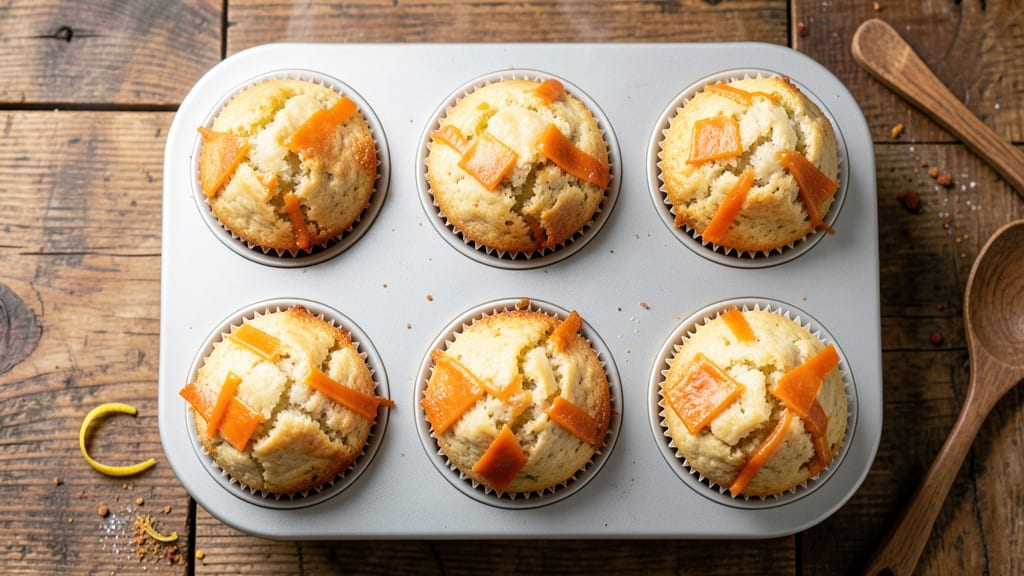
This basic cheese muffin recipe delivers the perfect balance of fluffy crumb and sharp cheddar pulls that disappear in every bite. The secret lies in a simple batter that transforms into golden, tender muffins with just the right amount of cheesy goodness—no fancy techniques required.
I’ve baked these for years, and they’re the go-to breakfast or snack that disappears faster than you can say "second helping."
The magic happens with a basic mix of flour, eggs, butter, and milk, elevated by shredded cheddar that melts into those irresistible strings.
Baking at 350°F for 15-20 minutes ensures a tender interior with a slightly crisp top, while a few extra minutes in the oven guarantees the cheese pulls just right. This recipe is foolproof—no measuring cups required, just a handful of pantry staples and 20 minutes of your time.
What you’ll end up with is a batch of muffins that taste like a cross between cornbread and cheesy bread—rich, satisfying, and perfect for breakfast, snacking, or even a quick lunch.
The aroma alone will have everyone gathering in the kitchen, and the texture? Pure comfort food bliss. These muffins stay fresh for days, making them ideal for meal prep or sharing with neighbors.
Whether you’re feeding a crowd or just craving something warm and cheesy, this recipe delivers restaurant-quality results with minimal effort. Let’s get started—your taste buds (and leftovers) will thank you.
Ingredients for basic cheese muffin
Pantry staples plus a handful of cheesy goodness—these muffins come together faster than you can preheat the oven.
| Ingredient | Amount | Notes |
|---|---|---|
| All-Purpose Flour 🌾 | 2 cups | Sifted for light texture |
| Granulated Sugar 🍚 | ¼ cup | White or light brown |
| Baking Powder 🧂 | 2 tsp | Aluminum-free preferred |
| Salt 🧂 | ½ tsp | Kosher or sea salt |
| Shredded Sharp Cheddar Cheese 🧀 | 2 cups | Freshly shredded (block preferred) |
| Large Eggs 🥚 | 2 whole | Room temperature preferred |
| Unsalted Butter 🧈 | ½ cup | Cold, cubed for easier mixing |
| Whole Milk 🥛 | 1 cup | Room temperature |
| Vanilla Extract 🌿 | 1 tsp | Pure vanilla preferred |
The cheese is non-negotiable here. Sharp cheddar (like Kraft or Cabot) melts best, but Colby Jack works too if that's what you've got. Pre-shredded cheese has anti-caking agents that prevent those perfect pulls, so buy a block and shred it yourself—it takes 2 minutes. For the flour, King Arthur or Gold Medal brands give the best rise, but any all-purpose works. The butter? Cold cubes mix better than melted—trust me on this. I always grab extra cheese since it's the star of the show.
No baking powder? Baking soda plus cream of tartar (1/2 tsp each) works in a pinch. Short on milk? Evaporated milk or even water gets you close, but the texture won't be quite as tender. Vanilla extract? Imitation vanilla has no flavor—splurge on the real stuff if you can. For the sugar, I usually grab white, but light brown adds subtle depth. Want more cheesy flavor? Add 1/4 cup grated Parmesan to the mix. These muffins freeze beautifully—just reheat in the oven for 5 minutes to restore that fresh-baked aroma.
Store leftovers in an airtight container for 3-4 days—they taste even better the next day once the flavors meld. For freezing, wrap individually in plastic and stash for up to 3 months. I like to bake a double batch and freeze half—perfect for quick breakfasts or snacking. The secret to reheating? 5-10 seconds in the microwave or 10 minutes at 350°F until warmed through. No sad, rubbery muffins here.
Why You'll Love This Recipe
- No Fuss Mix-In: Mixing the batter takes all of three minutes—just fold in that sharp cheddar until it’s just coated in flour, not drowned. Honestly, I’ve made it while chatting on the phone, and the muffins still turn out golden and tender.
- Cheese Pull Factor: That first bite? The outside gets a little crisp where the sugar caramelizes, but inside it’s all melty cheddar magic. Between us, I’ve seen grown adults reach for seconds before the plate even hits the table.
- Breakfast or Snack: Serve them warm with butter for breakfast or pack them cold for lunch—no one judges. I’ve even tossed a batch into a lunchbox for my kid’s soccer practice, and they disappear faster than my willpower on a Sunday morning.
- Pantry Staple Power: Five ingredients, all of which you already own. I’ll be real: I’ve made these with whatever cheese was in my fridge (even that half-block of cheddar from last month), and they’re still solid. Plus, they freeze like champs—just reheat and nobody knows they’re last week’s leftovers.
Step-by-step instructions for fluffy cheese muffins
Here's how to make tender, cheesy muffins with a perfect crumb every time.
Prep Ingredients for Perfect Texture
First, preheat your oven to 375°F and line a muffin tin with 12 paper liners. Sift together the 2 cups all-purpose flour, 0.25 cup granulated sugar, 2 teaspoons baking powder, and 0.5 teaspoon salt in a large bowl. I always sift the dry ingredients to ensure a light, airy texture—those little pockets of air make all the difference in fluffy muffins.
In a separate bowl, whisk together the 2 whole eggs, 1 cup whole milk, 0.5 cup cold cubed butter, and 1 teaspoon vanilla extract until the butter is just melted and fully incorporated. The cold butter creates steam when it hits the hot oven, giving your muffins that signature tender crumb. Don't overmix—just combine until smooth.
Combine Wet and Dry Ingredients
Gently fold the wet ingredients into the dry ingredients using a rubber spatula, mixing just until combined. You'll see some flour streaks remain—that's perfect. Overmixing develops gluten and makes muffins tough. Then, fold in the 2 cups freshly shredded sharp cheddar cheese until evenly distributed throughout the batter.
Here's the thing—don't skip the fresh shredding. Pre-shredded cheese contains anti-caking agents that make muffins dense. Use a box grater for the best texture. The cheese should be evenly distributed but still visible in the batter. This ensures every bite has that sharp, cheesy pull you're craving.
Fill Muffin Cups and Bake
Divide the batter evenly among the 12 prepared muffin cups, filling each about ¾ full. I use a ¼ cup measuring cup for consistency. Tap the muffin tin gently on the counter to release any air bubbles—this prevents dome-shaped muffins. The batter will look thick, but that's exactly what you want for those tender, moist muffins.
Bake for 18-20 minutes until the tops are golden brown and a toothpick inserted in the center comes out clean. I start checking at 16 minutes because ovens vary. The muffins should spring back slightly when touched. If they brown too quickly, tent with foil to prevent overbrowning while they finish cooking.
Cool and Enjoy
Remove the muffins from the oven and let them cool in the pan for 5 minutes before transferring to a wire rack. This brief resting period helps them set properly. Serve warm for the best texture—they'll be tender with a slightly crisp exterior and that perfect cheesy pull in every bite.
I like to enjoy these muffins fresh out of the oven with a cup of coffee or tea. They're great for breakfast, snacks, or even a light lunch. Store any leftovers in an airtight container at room temperature for up to 2 days, or freeze for up to 3 months. The cheese flavor actually intensifies when reheated!
Pro Tips For Making Basic Cheese Muffin
- STIR JUST UNTIL COMBINED: Don’t overmix the batter—once the flour and wet ingredients come together, stop. I used to beat these like pancakes, and they’d turn dense and tough. Two or three gentle stirs with a spatula is all you need; the cheese will keep things creamy without extra effort.
- USE COLD CHEESE DIRECTLY: Skip the pre-shredded cheese bag—it’s packed with anti-caking agents that make muffins gummy. Buy a block of sharp cheddar, grate it yourself, and toss it straight into the batter. The texture stays sharp and the flavor pops without weird aftertastes.
- FILL CUPS TO THE TOP: Don’t eyeball the muffin tin. Pack the batter into each cup until it’s overflowing—about ¾ full is the sweet spot. This prevents flat tops and ensures you get that classic dome shape. A spoon works, but your fingers give better control (and you’ll know when it’s right).
- BAKE UNTIL GOLDEN, NOT JUST SET: Pull them out when the tops are golden brown, not when they look done. I learned this after pulling muffins too soon—cheese muffins stay soft inside longer than they appear. A toothpick should come out clean or with one moist crumb, not wet batter.
Troubleshooting great basic cheese muffin
Dense Muffins?
If your muffins turn out dense instead of fluffy, you’re likely overmixing the batter. Stop folding the wet ingredients into the dry as soon as they’re just combined—flour streaks are normal and even desirable. Also, ensure your baking powder is fresh (old baking powder loses its lift).
Test it by mixing 1 tsp baking powder with 2 tbsp hot water—if it fizzes vigorously, it’s good to go. 💡
Cheese Not Melting?
Cheese that stays clumpy or doesn’t pull means it didn’t melt properly. First, shred your own cheese—pre-shredded varieties contain anti-caking agents that prevent smooth melting. For extra gooey goodness, fold in ¼ cup grated Parmesan alongside the cheddar.
Also, avoid overfilling the muffin cups—fill them ¾ full max to allow room for expansion and even heat distribution.
Muffins Collapsing?
Collapsed muffins usually mean the batter was too wet or the oven temperature wasn’t high enough. Double-check your measurements—1 cup milk should be full to the rim, not heaped. If your oven runs hot, reduce the temperature to 350°F and add 2-3 extra minutes to the bake time.
Pro tip: Tap the muffin tin gently on the counter after filling to release air bubbles, which prevents doming and collapse.
Bland Flavor?
Bland muffins often result from using low-fat cheese or skipping the vanilla. Sharp cheddar is non-negotiable for that tangy kick—Kraft or Cabot brands work best. Boost flavor by adding ½ tsp garlic powder or ¼ tsp smoked paprika to the dry ingredients.
For extra depth, replace ¼ cup milk with buttermilk—the acidity enhances the cheese flavor. 🧀
Uneven Baking?
If the edges bake faster than the centers, your oven isn’t heating evenly. Rotate the muffin tin halfway through baking for consistent results. Another fix: Use a dark-colored metal muffin tin (like Wilton’s nonstick)—they distribute heat more evenly than glass or ceramic.
If your oven has hot spots, tent the muffins with aluminum foil after 12 minutes to prevent overbrowning.
Gummy Texture?
Gummy muffins are usually underbaked or the butter was melted before mixing. Cold butter is key—cube and chill it before adding to the wet ingredients. Also, check the doneness at 16 minutes—muffins should spring back when pressed gently.
If they’re still gummy, return them to the oven for 2-3 more minutes. For extra insurance, let them cool completely before storing—they’ll firm up as they cool. 🔥
Nutrition facts
Frequently asked questions
Can I make these muffins without eggs?
Yes! Replace the 2 eggs with 2 tablespoons ground flaxseed mixed with 6 tablespoons water (let it sit for 5 minutes to thicken). For a richer texture, try 1/4 cup unsweetened applesauce or 1/2 cup Greek yogurt. The muffins will be slightly denser but still delicious.
How do I prevent my muffins from drying out?
Store them in an airtight container at room temperature for 1-2 days or freeze for up to 3 months. For reheating, wrap in a damp paper towel and microwave for 10-15 seconds or bake at 300°F for 5 minutes. Adding 1/4 cup sour cream to the batter also keeps them moist longer.
Can I add other cheeses to this recipe?
Try Colby Jack, Gouda, or Monterey Jack for milder flavors. For extra richness, mix in 1/2 cup cream cheese with the shredded cheese. Just remember: sharp cheddar is key for that classic tangy pull. Avoid pre-shredded cheese—it contains anti-caking agents that make muffins dense.
Why do my muffins taste bland?
Blandness usually comes from low-fat cheese or skipping the vanilla. Use sharp cheddar (like Kraft or Cabot) and add 1/2 teaspoon garlic powder or 1/4 teaspoon smoked paprika to the dry ingredients. For extra depth, replace 1/4 cup milk with buttermilk—the acidity enhances the cheese flavor.
Can I use a different type of flour?
All-purpose flour works best, but you can substitute whole wheat flour by replacing 1/2 cup all-purpose with whole wheat (the muffins will be denser). For a lighter texture, try cake flour (replace 1/4 cup all-purpose with cake flour). Avoid bread flour—it has too much gluten and makes muffins tough.