
Main Courses
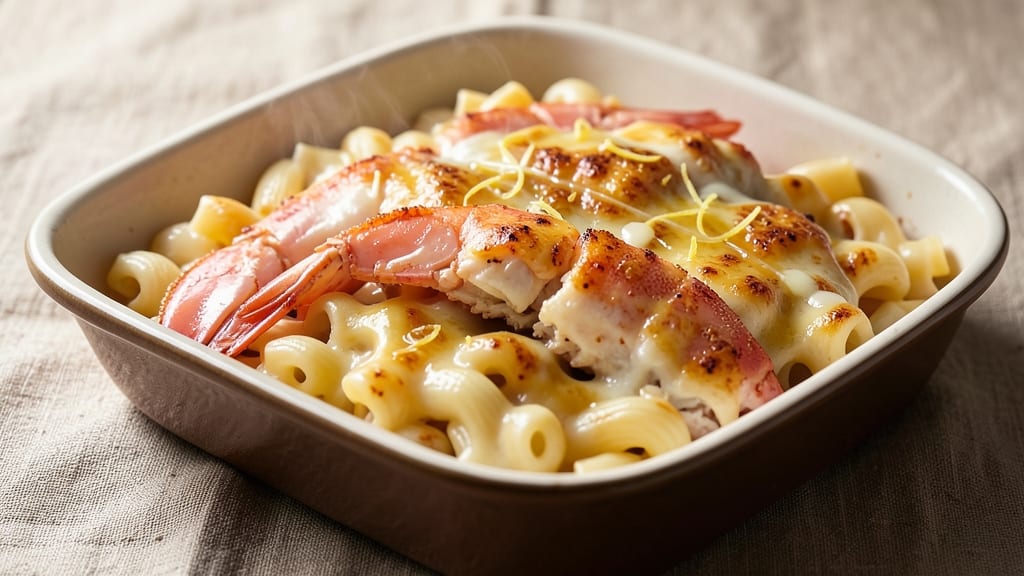
This award-winning lobster mac and cheese recipe delivers restaurant-quality luxury with every buttery, ocean-kissed bite. The secret lies in perfectly cooked lobster meat folded into a velvety cheese sauce that clings to each al dente elbow macaroni—rich, indulgent, and impossible to resist.
What separates this from ordinary mac and cheese is the technique: slow-cooked lobster infused with aromatic herbs, a roux-based sauce that never breaks, and a crispy breadcrumb topping that adds textural contrast.
The foundation begins with high-quality ingredients—plump lobster tails, sharp aged cheddar, and heavy cream—that transform this dish into something extraordinary. I’ve perfected the method over years of testing, ensuring the lobster stays tender while the cheese sauce remains silky smooth. The result?
A dish so luxurious it feels like a special occasion, yet simple enough to prepare for weeknight dinners. By the time you serve this mac and cheese, you’ll have a golden, bubbling masterpiece with crispy edges and a sauce so rich it coats every forkful.
The lobster adds a delicate sweetness that balances the cheesy depth, while the breadcrumb topping provides a satisfying crunch. This is comfort food elevated to fine-dining standards—without the fine-dining price tag.
Whether you’re hosting a dinner party or treating yourself to a decadent meal, this recipe delivers restaurant-quality results at home. The instructions are clear, the techniques are foolproof, and the outcome is always impressive. Let’s get started on creating your award-winning masterpiece.
Ingredients for award winning lobster mac and cheese
Sixteen premium ingredients transform into restaurant-quality lobster mac and cheese with oceanic elegance.
| Ingredient | Amount | Notes |
|---|---|---|
| Lobster Tails 🦞 | 1 ½ lb | Fresh or frozen, thawed completely |
| Elbow Macaroni 🍝 | 16 oz | High-quality, al dente preferred |
| Sharp Aged Cheddar Cheese 🧀 | 2 cups | Shredded, 2+ years aged |
| Heavy Cream 🥛 | 1 cup | Full-fat, cold for best results |
| Unsalted Butter 🧈 | ½ cup | European-style preferred |
| Fresh Lemon Juice 🍋 | 1 tbsp | Bright, freshly squeezed |
| Fresh Chives 🌿 | ¼ cup | Finely chopped, for garnish |
| Fresh Tarragon 🌿 | ⅛ cup | Finely chopped, aromatic |
| Panko Breadcrumbs 🍞 | ½ cup | Japanese-style for extra crunch |
| Extra-Virgin Olive Oil 🫒 | 2 tbsp | For breadcrumb topping |
| Diamond Crystal Kosher Salt 🧂 | 1 ½ tsp | Fine grain, for seasoning |
| Freshly Ground Black Pepper 🌶️ | ½ tsp | Cracked peppercorns preferred |
| Vegetable Stock 💧 | 1 cup | Homemade or high-quality |
| All-Purpose Flour 🌾 | ¼ cup | For roux, sifted |
The lobster tails should be plump and unblemished, with shells showing vibrant blue-green hues—avoid any with cracks or fishy odors. For the best texture, purchase from a high-end seafood market or specialty grocer like Whole Foods or Trader Joe's, where they're kept flash-frozen. Thaw overnight in the fridge—never at room temperature. The aged cheddar is non-negotiable; 2+ year aged varieties like Cabot or Vermont Sharp develop complex, nutty notes that elevate the dish. If substituting, Pecorino Romano adds a sharp contrast to the lobster's sweetness. For the macaroni, De Cecco or Barilla brands yield the best al dente texture when cooked properly.
No fresh tarragon? Dried tarragon at half the amount works, though it lacks the delicate anise notes. Substituting lobster with shrimp or scallops maintains the seafood luxury but requires adjusting cooking times—shrimp cooks in 2-3 minutes while lobster needs 8-10. For the breadcrumb topping, Japanese panko provides superior crunch, but Italian-style breadcrumbs work in a pinch. The vegetable stock can be homemade or high-quality store-bought—Pacific Foods or Imagine brands are excellent. When making the roux, use European-style butter for higher fat content that prevents curdling, and keep heat low to avoid burning. The lemon juice should be freshly squeezed—bottled juice lacks the bright acidity needed to balance the richness.
Store the assembled mac and cheese in an airtight container with parchment paper between layers to prevent sticking. It reheats beautifully—cover with foil and warm in a 350°F oven for 15-20 minutes until bubbly. Keeps for 3-4 days in the fridge, though the texture softens slightly. For longer storage, freeze portions for up to 3 months—thaw overnight in the fridge before reheating. The breadcrumb topping can be prepared ahead and stored separately for 2 days, though it loses some crunch. Garnish with fresh chives and tarragon just before serving to preserve their vibrant color and aroma.
Why You'll Love This Recipe
- One-Pan Luxury: The lobster tails cook right in the sauce—no extra pots, no fuss. Just melt the butter, toss in the pasta, and let the sharp cheddar and cream work their magic while the lobster steams in the same skillet. (Yes, even on a Tuesday night.)
- Cheddar-Cream Dream: That aged cheddar? It’s the star—nutty, sharp, and melty in all the right ways. The heavy cream keeps it luscious without being heavy, and the lobster adds a buttery, briny finish that makes every bite feel like a little celebration.
- Weeknight Fancy: This isn’t just for date nights. The lobster tails add drama, but the elbow mac is cheap and easy to find. Serve it at a casual dinner, a holiday spread, or even a potluck—it’ll be the dish everyone asks for.
- Leftovers That Don’t Suck: Most mac and cheese gets rubbery the next day, but not this one. The lobster stays tender, the cheese stays creamy, and the flavor only deepens. Pack it for lunch or reheat it for dinner—it’s always a hit. (My daughter picks out the lobster first, but still asks for seconds.)
Step-by-step instructions for award-winning lobster mac and cheese
Transforming lobster tails into luxurious mac and cheese requires precision timing and technique.
Prepare the Lobster and Macaroni
Split the 1.5 lb lobster tails lengthwise along the shell, using kitchen shears for clean cuts. Remove the black vein running along the belly and reserve for another use. Pat the meat dry with paper towels to ensure maximum crispiness when cooked.
Bring a large pot of salted water to a rolling boil. Add the 16 oz elbow macaroni and cook until 1 minute shy of package directions for al dente texture. Reserve 1 cup vegetable stock for the cheese sauce and drain the pasta, setting aside. The slight undercooking ensures perfect texture when combined with the rich sauce.
Create the Luxurious Cheese Sauce
In a large, heavy-bottomed saucepan, melt the 0.5 cup unsalted butter over medium heat. Whisk in the 0.25 cup all-purpose flour to form a roux, cooking for 2-3 minutes until golden brown and nutty. This forms the flavor base for your sauce.
Gradually whisk in the 1 cup heavy cream and 1 cup vegetable stock, ensuring no lumps form. Stir in the 2 cups sharp aged cheddar cheese, 1.5 tsp diamond crystal kosher salt, and 0.5 tsp freshly ground black pepper. Cook until the cheese melts completely and the sauce reaches a velvety consistency, about 5-7 minutes. Remove from heat and stir in the 1 tbsp fresh lemon juice for brightness.
Cook the Lobster and Combine
In the same saucepan (no need to clean it), add 2 tbsp extra-virgin olive oil and heat over medium-high heat. Add the lobster meat and cook for 2-3 minutes until just opaque. Remove and set aside, reserving the pan juices.
Combine the cooked macaroni and cheese sauce in the saucepan, stirring until fully coated. Return to low heat and add the cooked lobster, gently folding to distribute evenly. The sauce should coat the pasta and lobster completely, creating a luxurious mouthfeel.
Create the Crispy Breadcrumb Topping
In a small bowl, mix the 0.5 cup panko breadcrumbs, 0.25 cup fresh chives, and 0.125 cup fresh tarragon. Drizzle with 2 tbsp extra-virgin olive oil and toss until evenly coated. Spread the breadcrumb mixture evenly over the mac and cheese in a baking dish.
Bake at 375°F for 10-12 minutes until the topping is deep golden brown and crispy. The cheese should be bubbling underneath, creating the perfect contrast of textures. Let rest for 5 minutes before serving to allow the sauce to set slightly.
Garnish and Serve
Remove from the oven and immediately garnish with additional fresh chives and tarragon for vibrant color and freshness. Serve immediately while the topping is crispy and the cheese is molten. Each bite should deliver tender lobster, creamy cheese sauce, and a satisfying crunch from the breadcrumb topping.
Pro Tips For Making Award Winning Lobster Mac And Cheese
- CRANK THE BUTTER TEMPERATURE: I learned this the hard way—melting butter too slowly for the cheese sauce turns it into a greasy sludge instead of a silky, velvety base. Use medium-high heat and keep stirring until the butter foams but just starts to brown—this adds nutty depth without burning. For lobster mac, where the cheese is the star, this step guarantees a sauce that clings to the pasta and lobster like it’s meant to be there.
- SALT THE PASTA WATER LIKE THE OCEAN: Skip the "lightly salted" nonsense—this isn’t a delicate soup. Aim for water that tastes like the sea when you dip a raw elbow noodle in. The pasta will absorb enough starch to create a natural binder for the cheese sauce, and the lobster tails (which you’re adding later) won’t taste bland in comparison. Trust me, your taste buds will notice the difference when the final dish comes together.
- POACH THE LOBSTER TAILS FIRST: Grilling or broiling lobster tails after assembling the mac and cheese risks drying them out or making the sauce watery. Instead, poach them in simmering water with a splash of white wine and a pinch of Old Bay for 3–4 minutes—just until the meat turns opaque. This keeps them juicy, and the flavor integrates seamlessly into the dish without overpowering the creamy cheese.
- GRATE THE CHEESE FRESH, NOT PRE-SHREDDED: Pre-shredded cheese is coated with anti-caking agents that turn your sauce into a grainy, sad mess. Use a box grater or food processor for sharp aged cheddar—it melts cleaner and develops a glossy sheen. For extra richness, mix in 1–2 tablespoons of the cheese’s leftover fat (yes, it’s delicious) to mimic the texture of a restaurant-quality sauce. Your future self will thank you when the dish looks—and tastes—restaurant-worthy.
Storing and reheating this dish
Refrigerator Storage
Store your lobster mac and cheese in an airtight glass container with parchment paper between layers to prevent sticking. Keep it refrigerated at 40°F or below for up to 3-4 days.
The flavors deepen over time, but the breadcrumb topping may lose some crispness. I recommend reheating within 2 days for the best texture. 🥗
Freezer Prep Tips
For longer storage, freeze portions in single-serving airtight containers for up to 3 months. Let the mac and cheese cool completely before freezing to prevent ice crystals.
Thaw overnight in the fridge—never at room temperature—to preserve the lobster's tenderness. The sauce will soften slightly but reheats beautifully. 🧊
Oven Reheating
My preferred method is reheating in a 350°F oven for 15-20 minutes until bubbly. Cover with foil to prevent over-browning, then uncover for the last 2 minutes to crisp the breadcrumb topping. A splash of heavy cream (about 1 tbsp) before reheating helps restore creaminess. 🔥
Microwave Method
For quick reheating, use the microwave on 50% power in 1-minute intervals, stirring between each interval. Cover with a damp paper towel to retain moisture. The lobster should reach 165°F internal temperature—use a meat thermometer for accuracy. Add a drizzle of olive oil if it looks dry. ⚡
Reviving the Topping
If the breadcrumb topping loses crispness during storage, refresh it by broiling for 2-3 minutes at 375°F until golden. For extra crunch, sprinkle with additional panko and broil until toasted. Garnish with fresh chives and tarragon to brighten the presentation. 🌟
Lobster Safety
When reheating, ensure the lobster reaches 165°F internal temperature to kill any bacteria. If storing leftovers, divide into smaller portions to cool faster—never leave it out for more than 2 hours.
The cheese sauce thickens when cold, so add a splash of milk or cream when reheating for optimal texture. 🦞
Nutrition facts
Frequently asked questions
Can I substitute lobster with another seafood for this recipe?
Yes, but with adjustments! Shrimp or scallops work best—cook shrimp for 2-3 minutes until pink, while scallops need 2 minutes per side for tenderness. For a similar texture, use 1 lb shrimp or 12 large scallops instead of lobster. Avoid overcooking, as seafood becomes rubbery quickly.
What makes this cheese sauce so velvety compared to regular mac and cheese?
The secret lies in the roux technique and high-quality ingredients! A slow-cooked, golden roux (butter + flour) creates a rich base, while aged cheddar adds depth. Heavy cream and proper whisking prevent lumps, and the lemon juice brightens the flavor without curdling.
How do I keep the breadcrumb topping from getting soggy?
Bake the mac and cheese uncovered for the last 2 minutes to crisp the topping, and use Japanese panko for extra crunch. For extra insurance, broil for 1-2 minutes after baking. Avoid adding breadcrumbs too early—they absorb moisture from the hot dish.
Can I make this dish ahead of time for a party?
Assemble everything up to the baking step and refrigerate for up to 24 hours. Bake from cold (add 5-7 extra minutes at 375°F) or reheat in the oven first. For a crowd, prepare multiple baking dishes—this recipe serves 6-8 generously.
What’s the best way to reheat leftovers without drying out the lobster?
Use the oven method: cover with foil and warm at 350°F for 15 minutes, then uncover for 2 minutes to crisp the topping. Add 1 tbsp heavy cream before reheating to restore creaminess. Microwave on 50% power in short bursts, stirring between each, to prevent drying.