
Sauces & Condiments
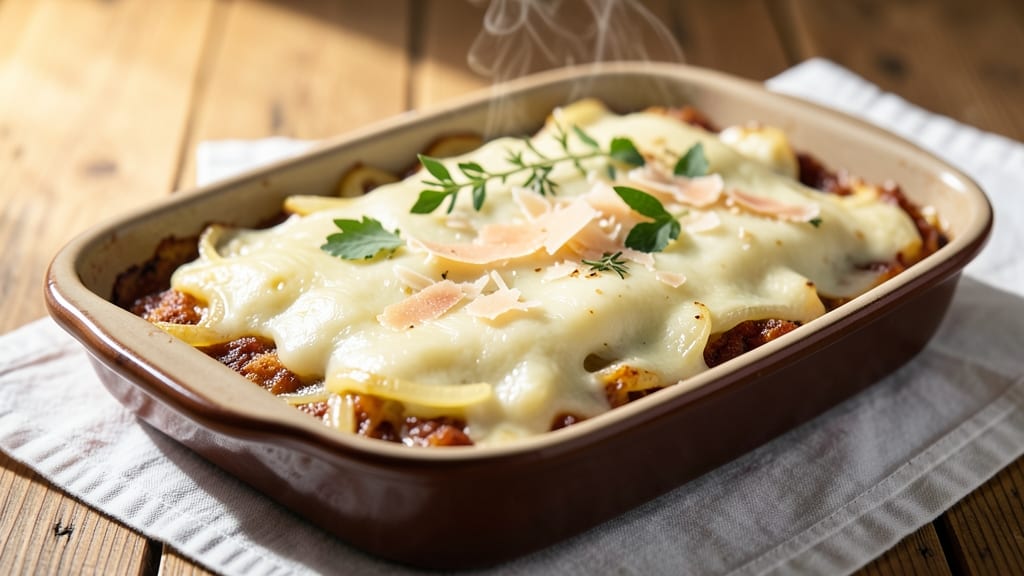
This au gratin cheese sauce recipe transforms ordinary dishes into golden, bubbling masterpieces with its silky pull-apart magic. 🔥 The secret lies in a perfect roux foundation that creates a velvety base before adding rich cheeses for that signature melt.
I've perfected this technique over years of testing, ensuring it works for potatoes, mac and cheese, or even grilled fish—every time.
The key to success is patience—cooking the roux just until it's golden ensures the sauce won't break when cheese is added. Using a mix of Gruyère and Parmesan delivers that classic au gratin flavor with a balance of nutty depth and sharp tang.
The sauce should be thick enough to cling to edges but still silky enough to create that signature pull-apart texture.
What makes this recipe truly special is its versatility. Whether you're topping crispy potatoes, enriching a creamy pasta dish, or drizzling over grilled fish, this sauce delivers restaurant-quality results. The golden crust forms beautifully when baked, while the interior remains luxuriously creamy—no lumps or graininess in sight.
Best of all, this sauce reheats beautifully and freezes well for up to three months, making it perfect for meal prep or holiday gatherings. Let's create the ultimate cheesy sauce that'll elevate any dish to new heights.
Ingredients for au gratin cheese sauce
Nine ingredients transform into golden, velvety sauce magic for any dish.
| Ingredient | Amount | Notes |
|---|---|---|
| Unsalted Butter 🧈 | ½ cup | Cold, cubed for roux |
| All-Purpose Flour 🌾 | ½ cup | Sifted for smooth sauce |
| Whole Milk 🥛 | 1 ½ cups | Full-fat for creaminess |
| Gruyère Cheese 🧀 | 1 ½ cups | Freshly grated, nutty |
| Parmesan Cheese 🧀 | ½ cup | Freshly grated, sharp |
| Yellow Onion 🧅 | 1 whole | Small, finely diced |
| Garlic Cloves 🧄 | 3 cloves | Minced for aromatic base |
| Dijon Mustard 🍯 | 1 tbsp | For tangy depth |
| Salt 🧂 | 1 ½ tsp | Diamond Crystal preferred |
| Black Pepper 🌶️ | ½ tsp | Freshly cracked |
The cheese is where it all happens—Gruyère brings that nutty depth while Parmesan adds sharp tang. Grab a wedge of each from the deli counter (pre-grated gets clumpy) and grate it yourself. Whole Foods or local cheese shops have the best selections. For the butter, Plugrá or Land O'Lakes unsalted works perfectly—just make sure it's cold when you start the roux. That golden color? Patience is key—don't rush the cooking or you'll end up with a flour taste instead of that rich, nutty base.
No Gruyère? Comté or Emmental in a pinch—just add a pinch of nutmeg to mimic that nutty flavor. Short on Parmesan? Pecorino Romano works too, but use half the amount. The onion and garlic can be swapped for 1 tbsp onion powder and 1 tsp garlic powder if you're in a rush, though fresh is always better. For the milk, whole is non-negotiable—skim or almond milk won't give you that creamy texture. The Dijon mustard? Maille or any good-quality brand—don't use the powdered stuff, trust me.
This sauce is a meal prep dream—keeps for 5 days in the fridge and freezes beautifully for 3 months. For freezing, portion into ice cube trays first, then transfer to a bag. To reheat, just pop a cube in a saucepan with a splash of milk and warm gently. The best part? It only gets better after baking—those crispy golden bits are what everyone will fight over. Make extra while you're at it—it disappears fast.
Why You'll Love This Recipe
- Five-Ingredient Magic: I swear by this combo—just butter, flour, milk, and those two cheeses. No fancy prep, no stress, and the sauce still feels luxurious.
- Nutty, Melty Bliss: Gruyère’s got that rich, earthy punch, while Parmesan adds a sharp finish. Stir in a little black pepper, and you’ve got a sauce that tastes like a hug from a French bistro.
- Weeknight to Dinner Party: Slather it on potatoes, toss with pasta, or drizzle over grilled fish. It’s the one sauce that makes everything feel special—whether it’s a quick Tuesday or guests are coming.
- Leftovers That Don’t Suck: This stuff actually tastes better reheated. Store it in the fridge for up to five days, or freeze it for months—no texture loss, just pure, creamy goodness waiting to be used.
Step-by-step instructions for au gratin cheese sauce
Here's how to create that perfect golden crust with silky, pull-apart magic—every time.
🍳 Step 1: Build the Flavor Base with Onion and Garlic
Heat the 0.5 cup unsalted butter in a medium saucepan over medium heat. Add the finely diced yellow onion and cook for 5-6 minutes until soft and translucent. You'll see the edges start to turn golden—that's your signal to add the 3 minced garlic cloves. Cook for another 30 seconds until fragrant, but don't let it brown or it'll turn bitter.
Here's the thing—this step is all about flavor foundation. If you rush it, the sauce will taste flat. I like to press the garlic with the back of my spoon to release those aromatic oils. Keep the heat at medium—too high and you'll burn the garlic before the onions soften properly.
🍳 Step 2: Create the Perfect Roux
Sprinkle the 0.5 cup sifted all-purpose flour over the onions and garlic, whisking constantly to prevent lumps. Cook for 1-2 minutes until the mixture turns a pale golden color—this is your roux. You're looking for a nutty aroma that signals the flour has fully cooked out.
This is where the magic happens: the roux thickens the sauce and adds that rich, velvety texture. Don't walk away—if it darkens too much, you'll get a bitter taste. I stir continuously for the first 30 seconds, then reduce to occasional stirring until it reaches that perfect pale gold color.
🍳 Step 3: Gradually Add Milk for a Silky Texture
Slowly pour in the 1.5 cups whole milk while whisking vigorously to prevent lumps. Increase heat to medium-low and simmer for 5-7 minutes until the sauce thickens enough to coat the back of a spoon. You'll notice the sauce will bubble gently—this is normal and indicates it's thickening properly.
Real talk: this is the step where people mess up. If you add the milk too quickly, you'll get lumps that never disappear. I use a slow, steady stream from a measuring cup while whisking with my other hand. The sauce should be smooth and creamy by the end—no graininess allowed.
🥘 Step 4: Incorporate Cheeses and Seasonings
Reduce heat to low and stir in the 1.5 cups freshly grated Gruyère cheese and 0.5 cup freshly grated Parmesan cheese until completely melted and smooth. Add the 1 tbsp Dijon mustard, 1.5 tsp salt, and 0.5 tsp black pepper, whisking until fully combined. The sauce should now be rich, velvety, and deeply flavorful.
This is the moment that matters: the cheeses should melt completely, creating that luxurious, stretchy texture. If you see any unmelted cheese, whisk in 1-2 tablespoons of milk to help it incorporate. The Dijon mustard adds that perfect tangy depth that balances the richness of the cheeses.
⏰ Step 5: Finish and Rest for Optimal Texture
Transfer the sauce to a clean saucepan and simmer gently for 2-3 minutes to let all the flavors meld together. The sauce should be thick enough to coat the back of a spoon but still flow smoothly. If it's too thick, whisk in 1 tablespoon of milk at a time until you reach your desired consistency.
Let the sauce rest for 5 minutes before using. This resting period allows the flavors to settle and the sauce to reach its perfect texture. I know it seems counterintuitive to wait, but trust me—this makes all the difference. The sauce will be silky, pull-apart perfect, and ready to create that golden crust when baked.
Pro Tips For Making Au Gratin Cheese Sauce
- Melt Cheese Slowly: Dump all that Gruyère and Parmesan at once, and you’ll end up with lumps instead of silk. Start by whisking in a third of the cheese mixture while the roux is still hot, then let it melt completely before adding the rest—this keeps the sauce smooth and velvety.
- Use Cold Milk: I used to warm the milk first, thinking it’d blend better. Wrong. Cold milk tempers the butter and flour, preventing sudden curdling when the cheese hits. Just pour it in steadily while whisking like you’re mixing a cocktail—no rush.
- Skip the Boil: Once the cheese is fully incorporated, take the sauce off heat the second it’s emulsified. Boiling it turns the milk grainy and dulls the Gruyère’s nutty flavor. A gentle simmer is all you need—trust the process.
- Grate Like a Pro: Pre-shredded cheese has anti-caking agents that make sauces clump. Freshly grated Gruyère and Parmesan melt cleaner and create a richer texture. Use a box grater and keep the cheese cold until the last minute—it’ll grate easier and stay sharper.
Best sauces and condiments for this recipe
Classic Béchamel Base
This sauce starts with a béchamel foundation—the French mother sauce that makes everything creamy and luxurious. The key is cooking the butter and flour roux to a pale golden color (not brown) for that nutty depth without bitterness.
I use Plugrá unsalted butter because it has a higher fat content, which creates a richer sauce. For the flour, Bob's Red Mill all-purpose works perfectly when sifted to eliminate lumps. 🧈
Cheese Variations
While the original recipe calls for Gruyère and Parmesan, you can experiment with other melty cheeses. For a smoky twist, swap ½ cup of Gruyère for sharp cheddar and add ¼ tsp smoked paprika.
For a lighter option, use fontina cheese—it melts beautifully and adds a mild, buttery flavor. Just remember, freshly grated cheese always dissolves better than pre-shredded.
Creamy Upgrades
Want extra richness? Replace ½ cup of milk with heavy cream for a decadent texture. For a lighter version, use half-and-half—it still delivers creaminess while cutting calories.
If you're making this for a vegetarian dish, ensure your butter is dairy-free and use nutritional yeast for a cheesy flavor without actual cheese. The Dijon mustard adds tang, but whole-grain mustard gives a slightly sweeter kick.
Sauce Consistency Tips
If your sauce is too thick, whisk in 1 tablespoon of milk at a time until it reaches a pourable but thick consistency (like heavy cream). Too thin? Simmer uncovered for 2-3 minutes to reduce.
For extra stretch, whisk in 1 tablespoon of cornstarch mixed with 1 tablespoon of cold water—it thickens instantly without altering flavor. Always taste as you go and adjust seasoning with salt and pepper to balance the richness.
Baking Perfection
For that golden, crispy crust, spread the sauce over your dish (potatoes, pasta, or fish) and bake at 375°F until bubbly and browned—about 15-20 minutes. To get extra crispiness, broil for the last 2 minutes while watching closely to avoid burning.
For extra flavor, sprinkle breadcrumbs or grated Parmesan on top before baking. The secret? Don’t overmix—let the sauce sit for 5 minutes before spreading to prevent a soggy top.
Storage Secrets
This sauce keeps for 5 days in the fridge in an airtight container. For freezing, portion into ice cube trays, then transfer to a freezer bag—this makes reheating a breeze. Thaw overnight in the fridge or microwave for 1-2 minutes with a splash of milk.
Reheat gently on the stovetop over low heat, stirring constantly to prevent scorching. The sauce actually improves after baking, so reheat and bake again for that perfect golden finish. ✨
Nutrition facts
Frequently asked questions
Why does my cheese sauce get grainy?
Graininess happens when cheese melts unevenly or milk cools too fast. Always use freshly grated cheese (never pre-shredded) and whisk constantly over low heat. If lumps form, whisk in 1 tablespoon of warm milk at a time until smooth. The key is patience—don't rush the melting process or the sauce will break.
Can I make this sauce ahead of time?
This sauce reheats beautifully. Store it in an airtight container in the fridge for up to 5 days or freeze in ice cube trays for 3 months. For best results, thaw overnight in the fridge and reheat gently with a splash of milk. The flavors actually deepen when reheated properly.
What's the best cheese substitute if I don't have Gruyère?
Try Comté or Emmental for a similar nutty flavor, or sharp cheddar for a tangier taste. For extra richness, add ¼ tsp of nutmeg to mimic Gruyère's depth. Just remember, freshly grated cheese melts better than pre-shredded—it's worth the effort! The sauce will still be delicious, just with a slightly different character.
How do I get that perfect golden crust when baking?
For that signature golden crust, bake at 375°F until bubbly (15-20 minutes). For extra crispiness, broil for the last 2 minutes while watching closely. The secret? Let the sauce rest for 5 minutes before spreading—this prevents a soggy top. Sprinkle with breadcrumbs or extra Parmesan before baking for added texture.
Can I use this sauce for dishes other than potatoes?
This versatile sauce works beautifully on baked pasta, grilled fish, or even chicken. For pasta, toss with cooked noodles and bake until golden. For fish, spread over fillets and bake until the cheese bubbles. The silky texture clings perfectly to any protein or starch. Just adjust baking times based on your dish's thickness.