
Appetizers
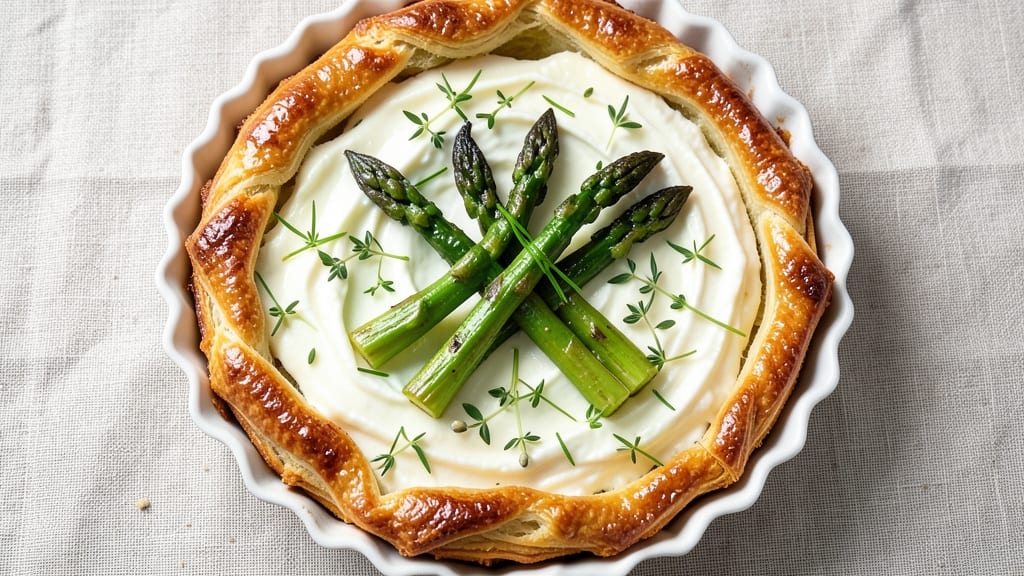
This asparagus goat cheese tart recipe transforms simple ingredients into an elegant appetizer that feels like a restaurant creation. The herb-infused crust provides a sturdy base while maintaining delicate flakiness, and the silky goat cheese filling creates rivers of creamy goodness when baked.
What makes this dish truly special is how the bright, crisp asparagus cuts through the richness, balancing each bite with freshness and depth.
The recipe begins with a simple yet flavorful crust made from butter, flour, and fresh herbs that infuse every layer with aromatic notes. While the crust bakes to a golden finish, the filling comes together with goat cheese, cream, and sautéed asparagus—each element carefully balanced for maximum flavor.
The key to success lies in the assembly: spreading the filling evenly and cutting the tart into precise wedges for clean, restaurant-quality presentation.
Once baked to perfection, you'll be rewarded with a tart that's crisp at the edges and tender in the center, where the goat cheese has melted into luxurious rivers.
The asparagus adds a vibrant green contrast that makes every bite visually appealing, while the herb notes in the crust tie everything together. This dish is vegetarian-friendly, elegant enough for dinner parties, and simple enough for a weeknight gathering—proof that impressive appetizers don't require complicated techniques.
Serve the tart warm with a drizzle of balsamic glaze or a sprinkle of toasted nuts for added texture. The combination of creamy cheese, crisp vegetables, and herby crust creates a harmonious flavor profile that will have your guests reaching for seconds.
Let's bring this sophisticated appetizer to your table with confidence and ease.
Ingredients for asparagus goat cheese tart
Herb-infused crust meets silky goat cheese rivers and vibrant asparagus—elegant yet simple ingredients for restaurant-quality bites.
| Ingredient | Amount | Notes |
|---|---|---|
| Unsalted Butter 🧈 | 1 ½ cups | Cold, cubed for crust |
| All-Purpose Flour 🌾 | 2 ½ cups | Sifted for even texture |
| Fresh Chives 🌿 | ¼ cup | Finely chopped, stems removed |
| Fresh Thyme Leaves 🌿 | 2 tbsp | Finely chopped, stems removed |
| Diamond Crystal Kosher Salt 🧂 | 1 ½ tsp | For crust and filling |
| Ground Black Pepper 🌶️ | ½ tsp | Freshly ground for filling |
| Goat Cheese 🧀 | 16 oz | Soft, creamy variety preferred |
| Heavy Cream 🥛 | ½ cup | Full-fat for richness |
| Large Egg 🥚 | 1 whole | Room temperature for binding |
| Medium Asparagus Spears 🌱 | 1 ½ lb | Trimmed, tough ends removed |
| Extra-Virgin Olive Oil 🫒 | 1 tbsp | For sautéing asparagus |
| Balsamic Glaze 🍷 | ¼ cup | Store-bought or homemade |
| Toasted Walnuts 🥜 | ¼ cup | Optional garnish, chopped |
The crust's success hinges on cold butter and fresh herbs—skip pre-chopped for maximum flavor. Whole Foods or Trader Joe's carry excellent goat cheese varieties; look for soft, creamy types like Chavroux or Crottin. For the asparagus, local farmers markets often have fresher spears than grocery stores—bright green stems and tightly closed tips are key indicators. Preheat your oven to 375°F before starting; this tart relies on precise temperature control for that perfect golden crust and silky filling.
No fresh chives or thyme? Dried herbs at one-third the amount work in a pinch, though texture differs. Substitute goat cheese with ricotta for a milder flavor, though it won't melt as dramatically. For the asparagus, frozen works if thawed and drained well, but fresh yields superior texture. The balsamic glaze can be swapped for honey if preferred—just reduce the amount by half to avoid overpowering the delicate flavors. Diamond Crystal kosher salt is preferred here; it dissolves more evenly than table salt, ensuring perfect seasoning throughout each layer.
Assemble the tart just before baking—goat cheese melts quickly and can overcook if prepped too early. Store leftovers in an airtight container for up to 3 days in the fridge, though it's best enjoyed fresh. Reheat slices at 350°F for 5-7 minutes to restore crispness. Freeze unbaked tarts for up to 2 months—bake straight from frozen, adding 5-7 minutes to the cooking time. The crust stays crisp at room temperature for 2 hours, making it ideal for appetizer platters.
Why You'll Love This Recipe
- No-Roll Crust Magic: I swear by that cold butter and flour mix—no chiller, no fuss, just a fork and a few minutes. The flaky layers happen while you prep the filling, and honestly? It’s the kind of shortcut that makes you feel like a pro without sacrificing texture.
- Herb-Goat Cheese Dream: That bright thyme and chive combo cutting through the tangy goat cheese? It’s like a flavor hug. The salt—just a pinch of that kosher flake—amplifies everything, making every bite taste like you spent hours in the kitchen (but you didn’t).
- Weeknight or Guest Night: Same dough, same filling, but it works for a lazy Tuesday dinner or a brunch spread. Slice it thin for appetizers, serve it whole for a light lunch, or pack leftovers for work—it reheats like a dream (or eats cold, no judgment).
- Leftovers That Don’t Suck: Unlike most tarts, this one actually gets better the next day. The crust stays crisp, the asparagus holds its shape, and the goat cheese? Even more melty. I’ve sent slices to work in a container and watched coworkers eye them jealous—my secret’s out.
Step-by-step instructions for asparagus goat cheese tart
Master this elegant tart with a fragrant herb crust and silky goat cheese filling.
Prepare the Herb-Infused Crust Dough
In a large mixing bowl, combine the 1.5 cups unsalted butter (cold and cubed) with the 2.5 cups all-purpose flour. Using a pastry cutter or your fingers, work the butter into the flour until the mixture resembles coarse crumbs with pea-sized butter pieces remaining. This texture is crucial for achieving a flaky crust.
Add the 1.5 teaspoons diamond crystal kosher salt, 0.5 teaspoon ground black pepper, 0.25 cup finely chopped fresh chives, and 2 tablespoons finely chopped fresh thyme leaves. Mix gently with a fork until the herbs are evenly distributed throughout the dough. The aroma will intensify as you work, signaling that the herbs are properly incorporated.
Press the dough into a disk, wrap it tightly in plastic wrap, and refrigerate for at least 1 hour or up to 24 hours. This resting period allows the gluten to relax and the butter to firm up, ensuring a tender, layered crust when baked. The cold dough should hold its shape when handled, making it easier to roll out later.
Roll and Blind-Bake the Crust
Preheat your oven to 375°F. On a lightly floured surface, roll out the chilled dough into a 12-inch circle, about 1/8-inch thick. Transfer the rolled dough to a 12-inch tart pan with a removable bottom, pressing gently to ensure it adheres to the sides and bottom.
Prick the dough all over with a fork to prevent puffing during baking. Line the crust with parchment paper and fill it with pie weights or dried beans. Bake for 15 minutes, then remove the weights and bake for an additional 10 minutes until the edges are light golden brown and the base is set. The crust should be firm enough to support the filling without collapsing.
Remove the crust from the oven and carefully lift out the parchment paper. Return the crust to the oven for 2-3 minutes to ensure the bottom is completely dry. This step prevents a soggy crust when the filling is added later. Let the crust cool slightly before proceeding.
Prepare the Goat Cheese Filling
In a medium bowl, combine the 16 oz goat cheese with the 0.5 cup heavy cream, 1 whole large egg, 0.5 teaspoon ground black pepper, and an additional 0.5 teaspoon diamond crystal kosher salt. Using a spatula, mix until the ingredients are fully incorporated and the mixture is smooth and homogeneous. The filling should be thick but pourable, with a velvety texture.
Transfer the filling to the pre-baked crust and spread it evenly, leaving a 1/2-inch border for the crust. The filling should be about 1/4-inch thick when spread. Use the back of a spoon to create gentle swirls or rivers in the filling for an elegant presentation. This step also helps distribute the filling evenly and prevents pooling.
Cook the Asparagus and Assemble the Tart
While the filling sets, prepare the asparagus by trimming the tough ends and cutting the spears into 2-inch pieces. Heat 1 tablespoon extra-virgin olive oil in a large skillet over medium heat. Add the asparagus and cook for 3-4 minutes, stirring occasionally, until the asparagus is bright green and tender-crisp. Season with a pinch of salt and remove from heat.
Arrange the cooked asparagus on top of the goat cheese filling in a decorative pattern, slightly overlapping the pieces. Drizzle the 0.25 cup balsamic glaze evenly over the asparagus, allowing it to pool slightly in the gaps. Sprinkle the 0.25 cup toasted walnuts over the top for added texture and crunch. The combination of the glossy glaze and crunchy walnuts will elevate the visual and textural appeal of the tart.
Bake and Finish the Tart
Transfer the tart to the preheated oven and bake for 20-25 minutes until the filling is set but still slightly jiggly in the center and the edges are golden brown. The filling should hold its shape when gently shaken, but it should not be fully firm—this ensures a creamy texture when sliced.
Remove the tart from the oven and let it cool for 10 minutes before slicing. The contrast between the crisp, herb-infused crust, the silky goat cheese filling, and the tender asparagus will create a harmonious balance of flavors and textures. Serve the tart at room temperature for the best experience, allowing the flavors to meld fully.
Pro Tips For Making Asparagus Goat Cheese Tart
- Blindfold the tart crust: Roll the dough thicker in the center than the edges—about ¼-inch thick at the base, tapering to ⅛-inch at the rim. This prevents the asparagus filling from making the crust soggy when it bakes, and the extra thickness in the middle holds up better under the weight of the goat cheese.
- Trim asparagus stems first: Snap off the woody bottoms before peeling—it’s faster and cleaner. Then peel just the bottom 2 inches with a vegetable peeler, leaving the tender tips intact. Over-peeling turns your spears into sad, stringy nubs that won’t hold together in the tart.
- Salt the dough in layers: Sprinkle a pinch of kosher salt (about ¼ teaspoon) between the butter and flour when making the crust, and another pinch on the rolled-out dough before baking. The butter’s richness needs salt to balance it early, and the final sprinkle guarantees the crust isn’t bland after the herby filling steals the show.
- Pre-bake the crust cold: Chill the unbaked tart shell for at least 30 minutes before adding the filling—no exceptions. I used to rush this, and the butter would melt too fast, turning the crust greasy and limp. A cold crust also crisps up better during the final bake, so it doesn’t turn into a sad, doughy ring.
Regional styles of this dish
French Bistro Twist
In French bistros, this tart often features a pâte brisée crust with a touch of mustard powder (½ tsp) mixed into the dough for subtle depth. The filling gets a splash of dry white wine (2 tbsp) instead of cream, keeping it lighter.
Garnish with thinly sliced radishes and microgreens for that Parisian café vibe. Serve with a chilled Sancerre to complement the goat cheese and asparagus. 🍷
Italian Rustic Version
Swap the herb crust for a rosemary-infused olive oil crust—mix 2 tbsp extra-virgin olive oil with the flour before adding butter. Use ricotta cheese instead of goat cheese (15 oz) and fold in sun-dried tomatoes (¼ cup, chopped) for Mediterranean flair.
Top with roasted cherry tomatoes and burrata instead of balsamic glaze. Pair with a dry Prosecco for a festive touch. 🍇
Southern U.S. Adaptation
Add a Cajun kick by mixing ½ tsp Cayenne pepper into the goat cheese filling and topping with crispy fried shallots (½ cup). Use peach preserves (2 tbsp) instead of balsamic glaze for a sweet-savory contrast.
Serve with sweet tea to balance the heat. This version is a crowd-pleaser at Southern potlucks. 🌶️
Nordic Lightness
For a lighter take, replace the crust with whole wheat pastry dough (substitute ½ cup all-purpose flour with whole wheat). Use crème fraîche (½ cup) instead of heavy cream in the filling and top with pickled red onions (¼ cup) and dill sprigs.
Serve with flatbread crackers and a Swedish aquavit for a refreshing Nordic-inspired appetizer. 🌿
Mediterranean Mezze Style
Transform this into a mezze platter by baking the tart in individual ramekins (6-inch diameter). Add za’atar (1 tsp) to the crust and top with olive tapenade (2 tbsp) and kalamata olives (6, pitted and halved).
Serve with warm pita and hummus for dipping. This version is perfect for sharing at a mezze spread. 🥙
Nutrition facts
Frequently asked questions
Can I make this tart ahead of time?
Yes! Assemble the tart completely (including asparagus and toppings) and refrigerate it for up to 24 hours before baking. For make-ahead convenience, blind-bake the crust and store it separately in an airtight container for 3 days. Assemble and bake when ready—this prevents soggy crusts. The filling should be at room temperature before spreading for even baking.
What if I don't have fresh herbs for the crust?
Use 1 teaspoon dried chives and 1 teaspoon dried thyme instead of fresh, but reduce the amount by one-third since dried herbs are more concentrated. For extra flavor, add 1 teaspoon lemon zest to brighten the crust. If you're missing both, skip them—the tart will still be delicious, just less aromatic.
How do I fix a soggy crust?
A soggy crust usually means the filling was too wet or the crust wasn't fully baked. To prevent this, always blind-bake the crust for 15-20 minutes before adding filling. For a quick fix, place the assembled tart on a baking sheet and bake at 350°F for 5-7 minutes before the final baking time to crisp up the edges.
Can I use frozen asparagus instead of fresh?
Frozen asparagus works, but thaw and drain it thoroughly first to avoid excess moisture in the tart. For best texture, sauté it for 4-5 minutes until tender-crisp. Fresh asparagus gives a brighter flavor, but frozen is a great backup when fresh isn't available.
How should I store leftovers?
Store leftovers in an airtight container in the fridge for up to 3 days. To reheat, cover with foil and warm at 350°F for 5-7 minutes until the cheese is melted and the crust is crisp again. The asparagus may soften slightly, so enjoy the tart fresh when possible for optimal texture.