
Appetizers
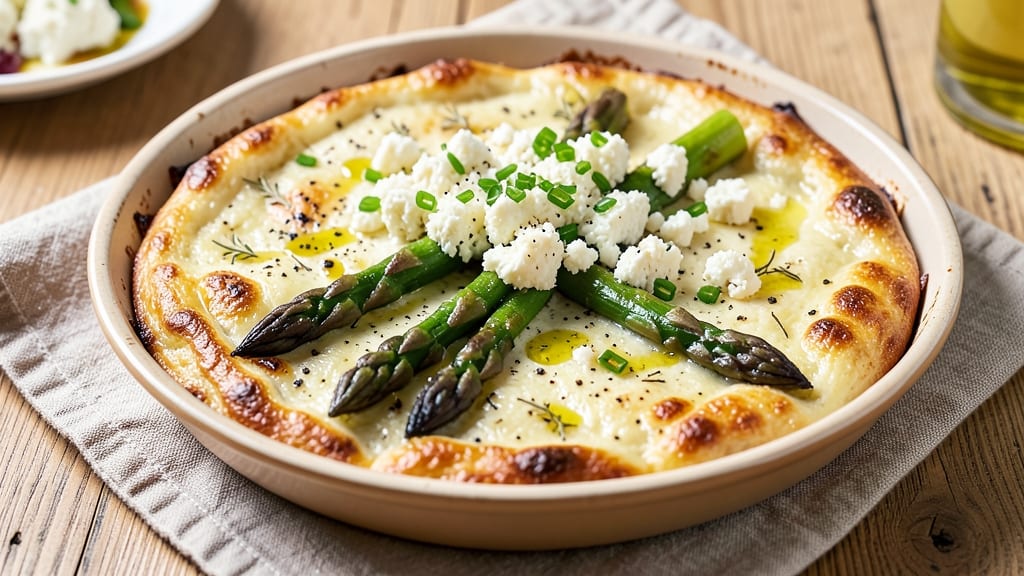
This asparagus and goat cheese frittata delivers crispy edges and herbed cheese rivers that make every bite feel like a restaurant-quality breakfast. 💛 The secret lies in pre-cooking the asparagus to maintain its crisp-tender texture while creating contrast with the fluffy egg base and creamy goat cheese.
This vegetarian dish transforms simple ingredients into an elegant, protein-packed meal that's perfect for brunch or a light dinner.
What sets this frittata apart is the technique of layering ingredients strategically—sautéed asparagus forms the foundation, while crumbled goat cheese creates those signature rivers when baked. The egg mixture, whisked to perfection, ensures a fluffy yet slightly set texture that holds together beautifully.
Fresh herbs and a sprinkle of chili flakes add bright, aromatic notes that elevate the dish from ordinary to extraordinary.
The result is a frittata with golden-brown edges that crisp up in the oven, tender asparagus spears peeking through creamy cheese, and a texture that's both light and satisfying. This recipe is designed for those who appreciate restaurant-quality flavors at home, with minimal effort and maximum impact.
The plating is simple yet striking, making it ideal for serving guests or treating yourself to a gourmet breakfast.
Whether you're a seasoned cook or new to frittatas, this method is foolproof—just whisk, layer, and bake. The versatility of this dish means it works equally well for meal prep or a spontaneous weekend brunch. Here's how to make it shine.
Ingredients for asparagus and goat cheese frittata
Simple ingredients, restaurant-quality results—this frittata delivers crispy edges and creamy cheese rivers every time.
| Ingredient | Amount | Notes |
|---|---|---|
| Large Eggs 🥚 | 8 whole | Room temperature for best blending |
| Goat Cheese 🧀 | 8 oz | Soft, crumbled variety preferred |
| Asparagus 🌱 | 1 lb | Thick spears, trimmed ends |
| Extra-Virgin Olive Oil 🫒 | ½ cup | For sautéing and crisping edges |
| Fresh Thyme Leaves 🌿 | ¼ cup | Finely chopped, stems removed |
| Fresh Chives 🌿 | ¼ cup | Thinly sliced for garnish |
| Red Chili Flakes 🌶️ | ½ tsp | Adjust for heat preference |
| Salt 🧂 | 1 tsp | Diamond Crystal preferred |
| Black Pepper 🌶️ | ½ tsp | Freshly ground for best flavor |
| Garlic Cloves 🧄 | 3 cloves | Minced for sautéing |
| Heavy Cream 🥛 | ¼ cup | For extra richness (optional) |
| All-Purpose Flour 🌾 | 1 tbsp | For crisping edges (optional) |
The asparagus is the star—thick spears hold up best to sautéing. Local farmers markets often have the freshest, or check the back of the grocery store where they keep the produce coldest. Trim the woody ends and snap the rest—it'll break naturally at the tender spot. For the goat cheese, La Tourangelle or Capri are reliable brands, but any soft, creamy variety works. The secret to those signature cheese rivers? Crumbling it generously over the eggs before baking. Don't skip the pre-cooking step—it ensures the asparagus stays crisp-tender while the eggs set perfectly.
No thyme? Fresh parsley or basil work in a pinch, though thyme's earthy notes complement the goat cheese beautifully. Short on chives? Green onions or scallions add similar brightness. The heavy cream is optional but worth it for extra richness—substitute with half-and-half or extra milk if needed. For the crispy edges, the flour trick is non-negotiable. Lightly dust the top with flour right before baking, then broil for that golden finish. The garlic and chili flakes should be toasted in the olive oil first—they develop deeper flavor that way. And if you're worried about the frittata sticking? Use a well-seasoned cast-iron skillet or a nonstick pan with a high smoke point.
This frittata reheats beautifully—just 5 minutes at 350°F to warm through. Store leftovers covered in the fridge for 3-4 days, though honestly it's best eaten fresh. For meal prep, portion into individual servings before baking—they reheat perfectly and make grab-and-go breakfasts. The asparagus and goat cheese combo keeps well, but the herbs lose their brightness after a day or two. Freeze portions without the garnish for up to 2 months—just add fresh chives when reheating. And pro tip: make a double batch—the second one always tastes better as leftovers.
Why You'll Love This Recipe
- One-Pan Magic: I swear by this recipe when I’m too tired to wash dishes. Just chop the asparagus (or buy pre-cut), whisk the eggs, and let the oven do the rest—no flipping, no fuss, just golden perfection.
- Creamy Crisp Contrast: That first bite? Goat cheese oozing into the crispy egg edges while the asparagus stays tender-crisp—it’s like a hug for your taste buds, especially when the thyme adds a bright, earthy kick.
- Breakfast or Brunch Hero: Serve it warm with crusty bread for a lazy weekend brunch, or slice it cold for a protein-packed lunch. Honestly, I’ve even used leftover pieces in salads—it’s that versatile.
- Budget-Friendly Protein: Eggs and seasonal asparagus stretch my grocery budget, and goat cheese (even a small block) goes a long way. Plus, leftovers reheat beautifully, so I’m never scrambling for dinner ideas.
Step-by-step instructions for asparagus and goat cheese frittata
Here's how to create a restaurant-quality frittata with perfectly crisp edges and herbed goat cheese rivers.
🍳 Step 1: Prep and Sauté the Asparagus
Trim the tough ends from the 1 lb asparagus, then cut each spear into 2-inch pieces. Heat 2 tablespoons of the extra-virgin olive oil in a 10-inch oven-safe skillet over medium-high heat. Add the asparagus and cook for 4-5 minutes until bright green and just tender.
Remove the asparagus and set aside. In the same skillet, add the 3 minced garlic cloves and cook for 30 seconds until fragrant. Sprinkle in the red chili flakes and stir for 10 seconds to toast slightly—this adds depth of flavor without burning. Keep the skillet warm for the next step.
👨🍳 Step 2: Whisk the Egg Mixture
In a large bowl, whisk together the 8 whole large eggs, 0.25 cup heavy cream, 0.25 cup chopped fresh thyme leaves, 1 tsp salt, and 0.5 tsp black pepper until fully combined and frothy. This step is crucial for even cooking and a light, airy texture.
Gently fold in the 8 oz crumbled goat cheese and the sautéed asparagus using a spatula. The mixture should be evenly distributed with small cheese pockets throughout. If using, sprinkle the 1 tbsp all-purpose flour over the top—this creates crispy edges when baked.
🔥 Step 3: Cook the Frittata on the Stovetop
Return the skillet to medium heat and pour in the egg mixture. Let it cook undisturbed for 2-3 minutes until the edges begin to set and the bottom looks lightly golden. This initial stovetop cooking creates a firm base for the frittata.
Using a spatula, gently draw the edges toward the center, tilting the pan to let the uncooked egg flow to the edges. Repeat this motion for 2-3 minutes until the top appears mostly set but still slightly runny in the center. This technique ensures even cooking and prevents a dry top.
🔥 Step 4: Finish in the Oven for Crispy Edges
Transfer the skillet to a 400°F preheated oven. Bake for 8-10 minutes until the top is golden brown and the center is just set. You want the frittata to be slightly underdone in the middle—it'll continue cooking as it rests.
Watch closely in the last 2 minutes of baking. The edges should develop a deep golden-brown crust while the center remains moist. If the top browns too quickly, tent loosely with foil to prevent over-browning.
🍽️ Step 5: Garnish and Serve Immediately
Remove the frittata from the oven and let it rest for 3-5 minutes before serving. This resting period allows the juices to redistribute, ensuring each bite is rich and creamy. Sprinkle with the 0.25 cup sliced fresh chives just before serving.
Slice into wedges and serve warm. The perfect frittata should have a crispy, golden-brown crust on the edges with a tender, slightly custardy center. Each bite should deliver creamy goat cheese rivers, tender asparagus, and a subtle kick from the chili flakes.
Pro Tips For Making Asparagus And Goat Cheese Frittata
- Trim Asparagus Right: Cut the woody ends at a 45-degree angle—this makes the stalks look prettier and keeps them from poking through the frittata like tiny swords. I used to snap them blindly, but angled cuts make all the difference when you’re serving it on a platter.
- Whisk Eggs Like a Pro: Beat the eggs until they’re just uniform, not frothy—over-whisking adds air that collapses under heat, leaving you with a dense center. My grandmother swore by this: "Stir until the yolks disappear, but don’t go chasing bubbles."
- Salt the Goat Cheese: Skip the pre-salted goat cheese—it’s already briny enough to overpower the dish. Sprinkle your own flaky salt (like Maldon) over the crumbled cheese while it cooks; it melts into the eggs beautifully and balances the tang.
- Cover with Foil Early: The moment the edges set (about 5 minutes in), tent the frittata with foil to trap steam. This keeps the center creamy instead of rubbery—trust me, I’ve burned through enough overcooked attempts to know. Pull the foil off the last 2 minutes to crisp the top.
Health benefits of this recipe
Protein-Packed Power
This frittata delivers a whopping 25 grams of protein per serving—thanks to those 8 large eggs and 8 oz of goat cheese. That's nearly half your daily protein needs in one meal, making it perfect for muscle repair or post-workout recovery.
The eggs provide all nine essential amino acids, while goat cheese adds a creamy texture without the heaviness of cow's milk cheese. 💪
Fiber-Rich Asparagus
The 1 lb of asparagus brings 5 grams of fiber per serving, supporting digestion and keeping you full longer. Asparagus is also packed with folate (great for cell repair) and vitamin K (essential for bone health). Pre-cooking it preserves these nutrients while maintaining that signature crisp-tender texture.
Healthy Fats for Satiety
The extra-virgin olive oil and goat cheese provide heart-healthy monounsaturated fats, which help lower bad cholesterol. These fats also slow digestion, keeping you satisfied for hours. Unlike butter, olive oil contains polyphenols that act as antioxidants, reducing inflammation in your body.
Low-Calorie, High-Flavor
At just 280 calories per serving, this frittata is a guilt-free indulgence. The heavy cream adds richness without excessive calories—just 25 calories per tablespoon—while the fresh herbs boost flavor without extra fat. It's the perfect balance of nutrition and indulgence for a brunch or light dinner.
Bone-Boosting Nutrients
Goat cheese is an excellent source of calcium (about 10% of your daily value per serving) and vitamin D, both crucial for bone health.
The asparagus adds vitamin K, which works synergistically with calcium to strengthen bones. This combo makes it ideal for anyone looking to support skeletal health.
Antioxidant Advantage
The fresh thyme and chives aren't just for flavor—they're packed with antioxidants like rosmarinic acid and quercetin, which combat oxidative stress. Even the red chili flakes contribute capsaicin, a compound linked to reduced inflammation and metabolism boosts. Every bite is working for your health! ✨
Nutrition facts
Frequently asked questions
Can I make this frittata ahead of time?
Yes! This frittata actually tastes better the next day. Let it cool completely, then store it in an airtight container in the fridge for up to 3 days. Reheat individual portions at 350°F for 5-7 minutes until warmed through. For best texture, add fresh chives after reheating.
What if I don't have goat cheese?
Use feta cheese (crumbled) or creamy blue cheese for a similar tangy flavor. For a milder option, try ricotta mixed with lemon zest. The key is to crumble it evenly over the eggs before baking to create those signature cheese rivers.
Why does my frittata come out rubbery?
Overcooking is the most common cause. Remove it from the oven when the center is still slightly jiggly—it'll finish cooking as it rests. Also ensure your eggs are room temperature (cold eggs create dense frittatas) and whisk them vigorously for a light texture. A 400°F oven is ideal for even cooking.
Can I make this vegetarian frittata gluten-free?
Skip the all-purpose flour for crispy edges and use a gluten-free flour blend instead (like rice flour) if needed. All other ingredients are naturally gluten-free. Just ensure your skillet is well-seasoned or use a nonstick pan to prevent sticking.
How do I prevent the asparagus from getting mushy?
Pre-cook the asparagus just until crisp-tender (about 4-5 minutes in olive oil) and remove it immediately from the pan. Avoid overcrowding the skillet, and don't let it sit too long before adding to the egg mixture. The key is bright green spears that still have a slight bite.