
Snacks
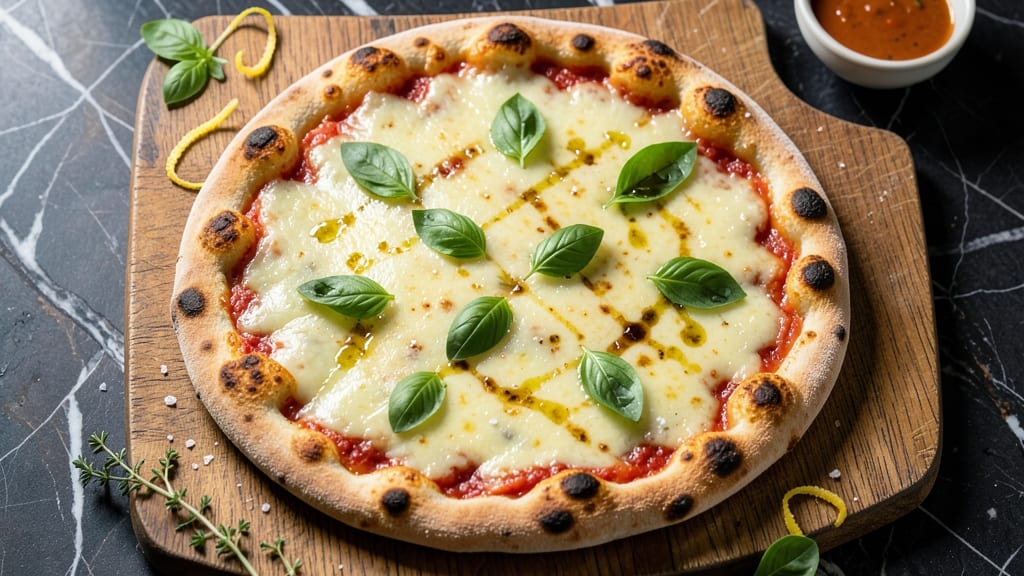
This Asiago cheese pizza recipe transforms your kitchen into an Italian trattoria with just a few simple steps. The nutty sharpness of Asiago cheese creates a flavor profile that's both rich and complex, while the crispy crust delivers that satisfying crunch.
I've perfected this recipe over countless weekend baking sessions, and it never fails to impress—even the most skeptical pizza lovers.
The secret to achieving that perfect crispy crust lies in a combination of high-quality ingredients and precise technique.
You'll start with a simple yet sturdy dough that's rolled out to the perfect thickness, then topped with a light layer of tomato sauce and a generous blanket of freshly grated Asiago cheese. The key is baking it at the right temperature to ensure that crispy texture you crave.
What you'll end up with is a pizza that's golden brown around the edges, with a slightly puffed crust that's both sturdy and tender. The Asiago cheese melts into a bubbly, caramelized layer, creating pockets of nutty, sharp flavor in every bite.
The aroma alone will have everyone gathered around your kitchen, waiting for that first slice.
This recipe is incredibly versatile—you can keep it classic with just tomato sauce and Asiago, or add your favorite toppings like roasted vegetables, fresh herbs, or a sprinkle of red pepper flakes for a bit of heat.
Whether you're feeding a crowd or treating yourself to a solo dinner, this pizza delivers restaurant-quality results with minimal effort.
Ingredients for asiago cheese pizza
Classic dough, rich sauce, and that nutty Asiago cheese—everything you need for perfect pizza night.
| Ingredient | Amount | Notes |
|---|---|---|
| All-Purpose Flour 🌾 | 3 ½ cups | Spooned and leveled for accuracy |
| Active Dry Yeast 🍞 | ¼ tsp | Fresh yeast if available |
| Granulated Sugar 🍚 | 1 tbsp | Activates the yeast |
| Warm Water 💧 | 1 cup | 110°F for ideal yeast activation |
| Extra-Virgin Olive Oil 🫒 | ¼ cup | Plus extra for dough |
| Salt 🧂 | 1 ½ tsp | Diamond Crystal preferred |
| Tomato Sauce 🍅 | 1 cup | San Marzano for best flavor |
| Asiago Cheese 🧀 | 2 cups | Freshly grated from block |
| Garlic Cloves 🧄 | 2 cloves | Minced for sauce |
| Fresh Basil Leaves 🌿 | ¼ cup | Chopped for garnish |
| Cornmeal 🌽 | 2 tbsp | For dusting pizza peel |
| Red Pepper Flakes 🌶️ | ½ tsp | Optional for heat |
The Asiago cheese is where the magic happens. Grab a wedge from the deli counter—pre-grated loses its sharp, nutty flavor. Look for 100% Asiago, not the pre-shredded stuff. The flour matters too: King Arthur or Caputo make a noticeable difference in texture. For the yeast, Trader Joe's sells it in tiny packets that work perfectly. Keep your water warm but not hot—yeast dies in boiling water. And if you're feeling fancy, San Marzano tomatoes turn that sauce into liquid gold.
No San Marzano? Any quality canned tomato sauce works—just check for no added salt. Fresh basil? Dried oregano at half the amount is a decent swap, though nothing beats the fresh stuff. Running low on olive oil? Avocado oil has a similar neutral flavor. The dough can be made ahead and kept in the fridge for 24 hours, so no stress if you're prepping early. And if you're adding toppings, roasted vegetables or prosciutto pair beautifully with Asiago's nutty profile.
The dough keeps best in the fridge for 2 days wrapped in plastic, or 3 months frozen. Grated Asiago stays fresh for 1 week in an airtight container. For that perfect crispy crust, preheat your oven to 500°F with a pizza stone or baking sheet inside. Leftovers? Slice and reheat in a 375°F oven for 5-10 minutes—nothing beats fresh, but reheated pizza is still delicious.
Why You'll Love This Recipe
- No Yeast Stress: I swear by this dough—just flour, yeast, sugar, and warm water. No kneading, no waiting hours, no stress. Toss it together, let it rise while you prep toppings, and boom: perfect crust in under an hour. (Yes, even on a Tuesday night.)
- Melty Magic: That first pull of gooey Asiago? Chef’s kiss. The olive oil in the dough keeps it crisp, while the cheese stretches into golden, stretchy perfection. Honestly, I’ve tried fancier cheeses—this combo wins every time.
- Game for Any Occasion: Weeknight dinner? Check. Potluck hero? Double check. The dough’s forgiving enough for a last-minute gathering, and the flavor’s rich but not heavy—great with salads, sides, or just as-is. My daughter picks out the toppings, but still asks for seconds.
- Budget-Friendly Luxury: A block of good Asiago goes a long way, and this dough costs pennies. Leftovers? Reheat slices in the oven for crispy edges, or turn extra dough into garlic knots. Between us, it’s the kind of recipe that makes me feel fancy without breaking the bank.
Step-by-step instructions for Asiago cheese pizza
Here's how to make a pizza with a perfectly crispy crust and nutty Asiago cheese that melts into golden perfection.
Activate the Yeast for a Light Dough
In a small bowl, combine the 1 cup warm water (about 110°F) with the 1 tablespoon granulated sugar and 0.25 teaspoon active dry yeast. Let it sit for 5-10 minutes until it becomes foamy and bubbly—this means your yeast is alive and ready to work. If it doesn't bubble, your yeast might be dead, and you'll need to start over.
While waiting, measure out the 3.5 cups all-purpose flour and 1.5 teaspoons salt in a large bowl. I like to use a kitchen scale for accuracy, but if you're measuring by cups, spoon the flour into the bowl and level it off with a knife. This ensures you don't pack it too tightly, which can make your dough dense.
Mix and Knead the Dough for Maximum Crispiness
Add the yeast mixture to the flour and salt, then pour in the 0.25 cup extra-virgin olive oil. Using a wooden spoon or your hands, mix everything together until a shaggy dough forms. The dough will be sticky at first, but that's normal—this helps create a tender, crispy crust later.
Turn the dough out onto a lightly floured surface and knead it for 8-10 minutes until it's smooth and elastic. You'll know it's ready when it springs back slightly when poked. If the dough feels too sticky, wet your hands slightly as you knead. Shape it into a ball, place it in a lightly oiled bowl, cover it with a damp towel, and let it rise in a warm place for 1-2 hours or until it doubles in size.
Prep the Sauce and Cheese for Maximum Flavor
While the dough rises, make the sauce by heating the 1 cup tomato sauce in a small saucepan over medium heat until it's hot. Stir in the 2 minced garlic cloves and cook for 1 minute until fragrant—don't let it brown, or it'll turn bitter. Remove from heat and stir in the 0.5 teaspoon red pepper flakes if you like a little heat.
In a separate bowl, grate the 2 cups Asiago cheese using a box grater or food processor. Freshly grated cheese makes all the difference—it melts more smoothly and adds that signature nutty sharpness. Chop the 0.25 cup fresh basil leaves finely and set them aside for garnishing later.
Shape and Top the Pizza for a Perfect Bite
Preheat your oven to its highest setting, usually 500°F or higher if your oven goes that hot. If you're using a pizza stone or steel, place it in the oven while it preheats to ensure even heat distribution. Punch down the risen dough and divide it into two equal balls for two 12-inch pizzas.
Roll out one ball of dough on a floured surface to about 1/8-inch thickness. Transfer it to a piece of parchment paper, then slide it onto a baking sheet dusted with 2 tablespoons cornmeal. This prevents sticking and adds a nice texture to the crust. Spread the tomato sauce evenly over the dough, leaving a 1/2-inch border for the crust. Sprinkle half of the grated Asiago cheese over the sauce, then top with half of the chopped basil.
Bake to Crispy Perfection and Garnish
Bake the pizza for 10-12 minutes until the crust is deep golden brown and the cheese is bubbling and starting to brown in spots. Rotate the pizza halfway through baking for even cooking. If your oven runs hot, you might need to reduce the temperature slightly or check it earlier.
Remove the pizza from the oven and let it cool for 2-3 minutes before slicing. Garnish with the remaining basil and a sprinkle of extra Asiago cheese if you like. The crust should be crispy yet tender, the cheese should be melted and slightly browned, and the sauce should be warm and flavorful. Serve immediately while it's hot—this pizza is best enjoyed fresh out of the oven!
Pro Tips For Making Asiago Cheese Pizza
- STRETCH THE DOUGH LONG: I used to think more folds meant better pizza—wrong. For this dough, let it relax after stretching. After shaping, cover it loosely and let it sit at room temp for 15 minutes before baking. The gluten settles, and you’ll get that perfect springy bite instead of a chewy mess.
- USE COLD ASIAGO: Skip the pre-shredded stuff. Buy a block of asiago, grate it yourself, and store it in the freezer for 20 minutes before using. Cold cheese melts slower, stays put, and creates that golden, bubbly crust instead of sliding off the second it hits the oven.
- DON’T OVER-KNEAD: This dough is forgiving, but too much handling = tough pizza. Mix just until the dough comes together, then stop. After the first rise, a few gentle stretches on a floured surface are enough—no need to work it like bread dough. Trust the yeast to do the heavy lifting.
- OIL THE PAN: Slather the pizza stone or pan with olive oil before baking, not just after. The dough won’t stick, and the crust gets that crispy, almost crackly edge. Use a brush or your fingers—just make sure every inch is coated. (Yes, even the corners.)
Wine and beer pairings for asiago cheese pizza
Italian White Wines
For this Asiago pizza, I always reach for a crisp, dry Italian white wine like Vermentino from Sardinia or Pinot Grigio from Alto Adige. The bright acidity and citrus notes cut through the richness of the cheese while complementing the nutty depth of Asiago.
A glass of Soave Classico—made with Garganega grapes—also works beautifully, especially if you've added a touch of garlic to your sauce. 🍷
Crisp Lager Pairings
If you prefer beer, a light Italian lager like Peroni or Moretti provides the perfect balance. The subtle malt sweetness and effervescence refresh your palate between bites of cheesy goodness.
For something more adventurous, try a Belgian Witbier like Hoegaarden—its coriander and orange peel notes add a delightful contrast to the pizza's savory flavors. 🍺
Red Wine Alternatives
While whites and lagers shine, a light-bodied red like Chianti Classico or Valpolicella can work if you prefer red wine. Look for one with bright acidity and cherry notes—these won't overpower the Asiago but will enhance the dish's Italian roots.
Avoid heavy, tannic reds like Cabernet Sauvignon, as they'll clash with the delicate cheese. 🍇
Non-Alcoholic Options
For a non-alcoholic pairing, sparkling water with a squeeze of lemon or a San Pellegrino Aranciata (blood orange soda) adds a refreshing contrast. If you're feeling fancy, try a sparkling apple cider—its slight tartness mirrors the pizza's acidity while keeping things light.
These options let you enjoy the pizza without compromising the flavors. 💧
Pro Pairing Tips
Serve your wine or beer slightly chilled—around 45-50°F for whites and lagers, 55-60°F for reds. Let the beverage breathe for a minute after opening to release its aromas.
And here's my secret: Pour a small glass first to taste—sometimes the perfect pairing changes based on how the pizza's flavors develop with each bite. ✨
Nutrition facts
Frequently asked questions
Can I substitute Asiago cheese with another type?
Yes! For a similar nutty flavor, try Parmigiano-Reggiano or Pecorino Romano, though they're sharper. For a milder taste, Fontina or Gruyère work well. Avoid pre-shredded cheese—it contains anti-caking agents that prevent proper melting. Freshly grated always wins!
How do I make the crust extra crispy?
Preheat your oven to 500°F with a pizza stone or steel inside for at least 30 minutes. Brush the rolled-out dough with olive oil before adding toppings, and bake on the preheated stone for 10-12 minutes. For even more crunch, dust the peel with cornmeal before transferring the pizza.
Can I use this dough for other recipes?
This dough works perfectly for calzones, garlic knots, or even focaccia. For calzones, fold the dough over the filling and bake for 15-20 minutes. For focaccia, press the dough into a pan, dimple with your fingers, and bake with olive oil and herbs for 20-25 minutes at 425°F.
Why did my cheese not melt properly?
Overloading toppings can prevent cheese from melting evenly. Stick to 2 cups of cheese max for a 12-inch pizza. Also, ensure your oven is fully preheated—cold spots cause uneven melting. For extra gooeyness, sprinkle cheese right before baking so it melts from the oven's residual heat.
How do I store leftovers?
Cool the pizza completely, then wrap it tightly in plastic wrap or foil. Store in the fridge for up to 3 days, or freeze for 2 months. To reheat, bake at 375°F for 5-10 minutes until crispy again. For microwave reheating, cover with a damp paper towel for 20-30 seconds—just don't expect the same crispiness!