
Side Dishes
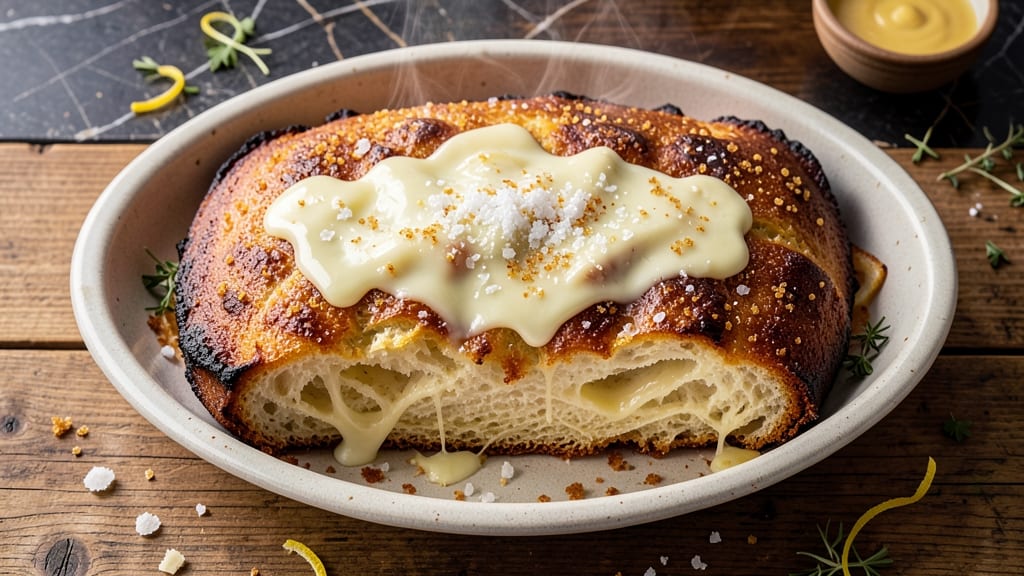
This artisan Asiago cheese bread recipe transforms simple ingredients into a golden-crusted, pull-apart masterpiece that rivals any bakery. The secret lies in a perfectly balanced dough—rich with Italian flours and melted Asiago—that develops a crisp exterior while staying tender inside.
I've perfected this recipe over years of baking, ensuring every batch delivers that irresistible gooey center and nutty, sharp Asiago flavor that keeps everyone reaching for seconds.
The dough starts with a foolproof mix of bread flour and Asiago cheese, kneaded just enough to develop gluten without overworking. A touch of garlic powder and fresh herbs infuses depth, while a high-heat bake creates that signature crackly crust.
The key? Adding shredded Asiago both in the dough and as a topping—this double dose ensures maximum meltiness and cheesy pull-apart perfection. No special equipment needed, just patience and a hot oven.
What you'll end up with is a restaurant-quality loaf that's crisp on the outside, soft and chewy in the middle, and packed with pockets of melted Asiago. The aroma alone—warm, buttery, with a hint of garlic—will have your kitchen smelling like a Tuscan bakery.
This bread isn't just for dipping; it's a star on its own, perfect for sandwiches, charcuterie boards, or simply tearing into with a warm napkin.
Pair it with a simple olive oil dip, crusty prosciutto, or a bold red wine to elevate any meal. The best part? Leftovers reheat beautifully, making this the ultimate make-ahead recipe for gatherings. Let's get started on creating your own artisan masterpiece.
Ingredients for artisan asiago cheese bread
Golden crust and gooey Asiago pockets—just 12 ingredients transform your kitchen into a Tuscan bakery.
| Ingredient | Amount | Notes |
|---|---|---|
| Bread Flour 🌾 | 4 cups | High-protein for chewy texture |
| Asiago Cheese 🧀 | 2 cups | Shredded, freshly grated preferred |
| Unsalted Butter 🧈 | ½ cup | Cold, cubed for dough |
| Granulated Sugar 🍚 | 2 tbsp | Enhances browning |
| Active Dry Yeast 🍞 | 2 ¼ tsp | Instant yeast works too |
| Warm Water 💧 | 1 ¼ cups | 110°F for yeast activation |
| Garlic Powder 🧄 | 1 tsp | For subtle depth |
| Dried Parsley Flakes 🌿 | 1 tsp | Fresh if available |
| Kosher Salt 🧂 | 1 ½ tsp | Diamond Crystal preferred |
| Olive Oil 🫒 | 1 tbsp | For greasing bowl |
| Egg 🥚 | 1 whole | For egg wash |
| Sesame Seeds 🌻 | 1 tbsp | Optional topping |
The Asiago is non-negotiable here—block cheese, freshly grated delivers that nutty, sharp flavor. Whole Foods and specialty Italian markets carry the best, but any quality grocery store's deli section works. Look for vibrant color and sharp aroma (no funky smells!). The bread flour matters too—King Arthur or Caputo are my go-tos for that perfect chew. If you can't find bread flour, sub all-purpose, but expect slightly less structure. And that butter? Cold cubes are key—they create steam during baking for that signature crackly crust.
No sesame seeds? Poppy seeds or everything bagel seasoning works too. Short on Asiago? Parmesan at half the amount gets you close, but you'll lose that signature sharpness. The yeast is crucial—if your water isn't warm enough, it won't activate. Test it: drop a pinch in warm water, and if it bubbles within 5 minutes, you're good. Fresh herbs? Dried parsley flakes are fine, but fresh parsley gives that extra brightness. For the egg wash, beat the egg with 1 tsp water for a glossier finish that browns beautifully.
This dough needs time to rise—at least 1 hour, up to 2 hours for deeper flavor. Shape it gently to avoid deflating those cheesy pockets. For the topping, double the cheese—half goes in the dough, half on top. Bake at 425°F for maximum browning. Leftovers? Wrap tightly in foil and reheat at 350°F for 10 minutes. Freezes beautifully for up to 3 months—just thaw at room temp before serving. The best part? It reheats like it just came out of the oven.
Why You'll Love This Recipe
- Here’s what sold me: that first bite of golden crust giving way to gooey, nutty Asiago threads. The butter keeps it rich without being greasy, and the cheese? It melts into little pockets of pure, salty-sweet satisfaction—like a hug in bread form.
- I’ll be real: a bag of bread flour and a wedge of good Asiago go farther than you’d think. Make two loaves, freeze one, and suddenly you’ve got a $5 solution for lazy mornings or last-minute gifts. Plus, the sugar in the dough means it stays fresh longer—no sad, stale ends here.
Step-by-step instructions for artisan Asiago cheese bread
Here's how to create a pull-apart masterpiece with crispy golden crust and melty Asiago goodness.
Activate the Yeast and Mix the Dough
In a large bowl, combine the 1.25 cups warm water (about 110°F) with the 2.25 tsp active dry yeast and let sit for 5-10 minutes until frothy. This activation step is crucial—you'll see tiny bubbles forming on the surface. If it doesn't bubble after 10 minutes, your yeast might be dead, and you'll need to start over.
Once bubbly, add the 4 cups bread flour, 2 tbsp granulated sugar, 1.5 tsp kosher salt, 1 tsp garlic powder, and 1 tsp dried parsley flakes. Mix with a wooden spoon until a shaggy dough forms. Then add the 2 cups asiago cheese and 0.5 cup cold cubed butter. The cheese will look weirdly melted at first, but don't worry—it'll come together.
Knead Until Smooth and Elastic
Turn the dough onto a lightly floured surface and knead for 8-10 minutes until smooth and elastic. I like to use the "windowpane test"—stretch a small piece of dough thin enough to see light through it. If it tears, knead a bit longer. The cheese makes this dough extra sticky, so don't be afraid to wet your hands slightly if needed.
After kneading, place the dough back in the bowl, drizzle with 1 tbsp olive oil, and turn to coat. Cover with a clean kitchen towel and let rise in a warm place for 1-1.5 hours or until doubled in size. You'll know it's ready when the dough springs back slowly when poked gently with a finger.
Shape and Second Rise
Punch down the risen dough to release air, then divide it into 4 equal pieces. Roll each piece into a 12-inch rope about 1-inch thick. Braid three ropes together, leaving the fourth as a separate rope for the top. Place the braid on a parchment-lined baking sheet and weave the fourth rope over and under the braid to create a lattice effect.
Cover loosely with the towel and let rise for another 30-45 minutes until puffy. The dough should feel light and springy. While it rises, preheat your oven to 375°F. This second rise is where the magic happens—the dough expands and develops that perfect pull-apart texture we're after.
Egg Wash and Bake to Golden Perfection
Whisk the 1 whole egg in a small bowl, then brush it generously over the risen dough, including the lattice weave. Sprinkle with 1 tbsp sesame seeds for that extra crunchy finish. Bake for 20-25 minutes until the bread is deep golden brown and sounds hollow when tapped on the bottom.
Here's the thing—don't overbake. You want that crust to be crispy but the inside still slightly soft and gooey. The cheese should be melted but not runny. Let it cool for 5 minutes before serving—this helps the cheese set slightly so it doesn't all ooze out when you pull.
Pro Tips For Making Artisan Asiago Cheese Bread
- GRATE THE ASIAGO FINE: I learned this the hard way—big cheese chunks melt unevenly and sink to the bottom like sad, gooey rocks. Use a box grater (not a food processor) and pulse in short bursts, stopping every few seconds to mix it into the dough. You want it like wet sand, not gravel.
- LET THE DOUGH CHILL: Skip the rush and refrigerate the shaped loaf for at least 2 hours before baking. This isn’t just about convenience—it gives the yeast time to relax, so the bread rises steadily instead of collapsing in the oven. (Yes, even if you’re impatient like me.)
- BUTTER AT ROOM TEMP: Cold butter creates pockets of steam that make your bread dense, and that’s the last thing you want in a cheesy loaf. Take the unsalted butter out of the fridge 30 minutes before mixing—just soft enough to press with your finger, not melt like ice cream.
- STEAM THE FIRST 10 MINUTES: Place a metal tray on the oven rack below your bread pan and pour in ½ cup hot water when you first slide it in. The steam guarantees a crisp crust and prevents the top from cracking before it’s fully set. (Your future self will thank you.)
Perfect pairings for these flavors
Olive Oil Dip
This bread practically begs for a simple olive oil dip—just mix ½ cup extra-virgin olive oil (I love Colavita or Bertolli), 1 minced garlic clove, 1 tsp lemon juice, and a pinch of flaky sea salt.
Warm the oil slightly before serving to enhance the garlic's aroma. The bread's crispy crust soaks up the oil beautifully, while the melted Asiago adds a salty contrast. 🫒
Wine Pairings
For a bold red, go with a Chianti Classico—its bright acidity and cherry notes cut through the richness of the Asiago. If you prefer whites, a dry Pinot Grigio from Italy balances the cheese's sharpness without overpowering.
Pro tip: Let the wine breathe for 10 minutes before serving to release its full flavor profile. 🍷
Charcuterie Board
This bread is a charcuterie MVP—pair it with prosciutto di Parma, aged pecorino, and marinated artichokes. The salty cured meats complement the bread's cheesy pull-apart texture, while the artichokes add a tangy bite.
For extra flair, include fig jam or honeycomb to drizzle over the top. 🧀
Breakfast Sandwiches
Toast slices and pile high with scrambled eggs, crispy bacon, and sautéed spinach. The Asiago melts perfectly into the egg mixture, creating a gooey, cheesy breakfast masterpiece.
Add a sprinkle of red pepper flakes for a kick. This combo is a game-changer for lazy weekend mornings. 🍳
Garlic Butter Spread
Whip ¼ cup softened butter with 1 tsp garlic powder, 1 tbsp chopped fresh parsley, and a pinch of smoked paprika. Spread generously on warm bread slices and broil for 2-3 minutes for extra crispiness.
The garlic butter enhances the bread's nutty Asiago flavor while adding a savory depth. 🧄
Soup Pairings
Serve with creamy tomato basil soup or Italian wedding soup—the bread's crispy crust contrasts perfectly with the velvety broth. For a lighter option, try a minestrone** with fresh herbs. The bread's cheesy richness makes every spoonful of soup feel like a cozy hug. 🍲
Nutrition facts
Frequently asked questions
Can I substitute Asiago cheese with another type?
While Asiago is ideal for its sharp, nutty flavor, you can use Parmesan (½ the amount) or Pecorino Romano for a similar tang. For a milder taste, try Gruyère or fontina. Just remember—Asiago's unique sharpness is what makes this bread special.
How do I fix dough that's too sticky?
Wet your hands slightly and work quickly—cheese dough is normal! If needed, dust your surface with extra bread flour or use a dough scraper to handle it. Avoid over-flouring, as this can make the crust tough. The stickiness means the gluten is developing properly for that perfect chewy texture.
Can I make this bread without a braid shape?
Shape it as a loaf, bouchon, or even pull-apart rolls. For a loaf, press the dough into a greased pan. For rolls, divide into 12 equal pieces and bake on a sheet pan. The key is proper shaping before the final rise—this ensures good oven spring.
Why did my cheese bread turn out dense instead of light?
Over-kneading or under-proofing are common culprits. The dough should be kneaded just until smooth (8-10 minutes) and rise until doubled (1-1.5 hours). Also check your yeast—if it didn't bubble in warm water, it's dead. For extra lightness, try adding 1 tsp baking powder to the dough.
How long can I keep this bread fresh?
Store in an airtight container at room temperature for 2-3 days. For longer storage, freeze the cooled loaf wrapped in plastic for up to 3 months. Thaw overnight in the fridge—never microwave, as it makes the crust soggy. Reheat slices at 350°F for 5 minutes to restore crispiness.