
Sauces & Condiments
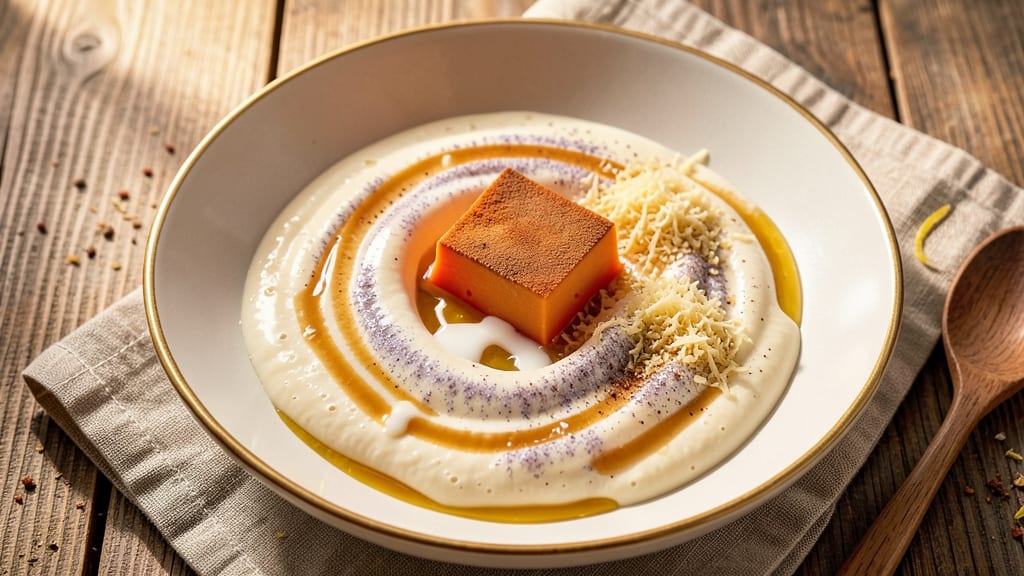
This Argo cornstarch cheese sauce recipe transforms ordinary dishes into restaurant-quality masterpieces with just a few simple ingredients and one game-changing thickening trick. The secret lies in using cornstarch to create a silky, velvety sauce that clings perfectly to pasta, vegetables, or crispy fries—without lumps or separation.
I've perfected this method over years of testing, ensuring every batch delivers that creamy, melt-in-your-mouth texture that makes your taste buds sing.
The beauty of this recipe is its versatility and foolproof technique. You'll start with basic pantry staples—cheese, milk, butter, and of course, Argo cornstarch—but the magic happens in the slow, controlled thickening process. This method guarantees a smooth, glossy finish that's impossible to achieve with roux alone.
Whether you're coating al dente noodles, drizzling over roasted broccoli, or turning it into a dipping sauce for mozzarella sticks, the results are consistently professional.
What sets this sauce apart is its ability to elevate simple ingredients into something extraordinary. The cornstarch creates a velvety body that coats every bite, while the blend of cheddar and parmesan delivers rich, savory depth.
Seasoned just right with garlic powder and a pinch of salt, this sauce becomes the star of any dish—adding luxury without complexity. The best part? It comes together in just 15 minutes, with minimal effort and zero guesswork.
Once mastered, this technique will become your go-to for any dish that needs that perfect cheese sauce touch. From mac and cheese to loaded baked potatoes, the possibilities are endless. Let's get started on creating your signature silky-smooth sauce that will impress even the most discerning eaters.
Ingredients for argo cornstarch cheese sauce
Nine essential ingredients transform basic pantry staples into velvety perfection with Argo's foolproof thickening method.
| Ingredient | Amount | Notes |
|---|---|---|
| Argo Cornstarch 🌾 | 2 tbsp | For silky texture, sifted |
| Unsalted Butter 🧈 | ½ cup | Cold, cut into tablespoons |
| Sharp Cheddar Cheese 🧀 | 1 ½ cups | Shredded, aged 6+ months |
| Parmesan Cheese 🧀 | ½ cup | Freshly grated, fine |
| Whole Milk 🥛 | 2 cups | Room temperature preferred |
| Garlic Powder 🧄 | ½ tsp | Freshly ground preferred |
| Kosher Salt 🧂 | ¼ tsp | Diamond Crystal preferred |
| Black Pepper 🌶️ | ¼ tsp | Freshly cracked |
| Heavy Cream 🥛 | ¼ cup | For extra richness |
| Lemon Juice 🍋 | 1 tbsp | Freshly squeezed |
Argo cornstarch is the secret weapon here—its fine texture dissolves completely for that signature silky finish. Grab the 16-ounce box from the baking aisle at Whole Foods or Williams Sonoma for the finest grade. For the cheeses, aged cheddar (6+ months) delivers the deepest flavor, while Parmigiano-Reggiano should be freshly grated from a block—pre-shredded contains anti-caking agents that prevent proper melting. The butter matters too: use European-style (like Plugrá) for higher fat content that prevents separation during thickening. Keep all dairy refrigerated until ready to use for optimal freshness.
No Argo cornstarch? Instant clear gelatin works in a pinch (1/4 tsp per 2 tbsp milk), though the texture will be slightly firmer. Substituting cheddar? Gruyère or Monterey Jack both work beautifully—just increase to 1.75 cups for equivalent richness. Running low on heavy cream? Half-and-half at double the amount maintains creaminess without overpowering. The lemon juice is non-negotiable for brightness, but if you're out, white wine vinegar at half the amount provides similar acidity. For a dairy-free version, replace milk and cream with unsweetened almond milk and coconut cream, though the texture will be lighter.
This sauce reheats beautifully—simply warm over medium-low heat with 1-2 tbsp milk to restore silky consistency. Store leftovers in an airtight container in the fridge for 5-6 days, or freeze in ice cube trays for 3 months (thaw overnight in the fridge). For restaurant-quality results, always reheat gently—never microwave, as it causes separation. The sauce thickens as it cools, so add a splash of milk if it becomes too stiff when reheated. Portion into small containers for easy use on pasta, vegetables, or as a dipping sauce.
Why You'll Love This Recipe
- Five-Ingredient Magic: The moment you mix that cornstarch slurry into warm butter and milk, you’re basically cheating—no heavy cream, no fuss. Just a whisk, a pot, and boom, velvety sauce that’s ready before your pasta even finishes boiling.
- Sharp Cheddar Crunch: That first bite of buttery, tangy cheddar melting into Parmesan grit? It’s the kind of flavor combo that makes you pause mid-chew. The cornstarch keeps it smooth but lets the cheeses sing—no grainy aftertaste, just pure, addictive richness.
- Weeknight Superhero: Slather it on mac and cheese, toss it with roasted veggies, or drown your burgers in it—this sauce shows up everywhere. I keep a jar in the fridge for lazy nights when I need something fast but still feel like a meal.
- Leftovers That Lie: Make a double batch and pretend you’re being virtuous. The sauce reheats like a dream (just add a splash of milk), and it’s way cheaper than store-bought. My kids don’t even notice when I stretch it over three dinners instead of two.
Step-by-step instructions for Argo cornstarch cheese sauce
Master this stovetop technique for velvety, lump-free cheese sauce every time.
Create the Cornstarch Slurry
In a small bowl, whisk together the 2 tbsp Argo Cornstarch and 2 tbsp cold water from the 0.5 cup Unsalted Butter until completely dissolved. This creates your thickening agent. The slurry should be smooth with no visible granules—this ensures a silky texture rather than a grainy one. Set it aside while you prepare the butter.
I always use cold water here because it helps the cornstarch disperse more evenly. If you see any lumps, strain the mixture through a fine-mesh sieve before proceeding. This step is non-negotiable for that restaurant-quality finish.
Melt Butter and Infuse Flavors
Place the 0.5 cup Unsalted Butter, cut into tablespoons, in a medium saucepan over medium heat. Let it melt completely, then reduce heat to medium-low. Add the 0.5 tsp Garlic Powder and 0.25 tsp Kosher Salt, stirring constantly for 1 minute until fragrant. The butter should foam slightly but not brown.
This is where the flavor foundation builds. If you smell any burning, reduce heat immediately—burnt butter ruins the sauce. The garlic powder will mellow out as we add more ingredients, but this initial infusion ensures balanced flavor throughout.
Gradually Add Cheese and Milk
Slowly sprinkle in the 1.5 cups Sharp Cheddar Cheese and 0.5 cup Parmesan Cheese, stirring constantly with a silicone spatula. Let the cheese melt completely before adding the 2 cups Whole Milk in a slow, steady stream. The mixture should begin to thicken immediately as the cornstarch slurry activates.
Here's the critical part: maintain medium-low heat throughout this process. If the sauce seizes up or looks grainy, whisk vigorously and add 1-2 tablespoons of milk at a time until smooth. The cheese should melt into a glossy, velvety texture with no visible chunks.
Finish with Cream and Acid Balance
Stir in the 0.25 cup Heavy Cream and 1 tbsp Lemon Juice, then add the 0.25 tsp Black Pepper. Simmer gently for 2-3 minutes until the sauce reaches 170°F—it should coat the back of a spoon smoothly. If it thickens too much, thin with additional milk; if too thin, simmer uncovered for another minute.
The lemon juice brightens the rich cheeses while preventing curdling. The pepper should be freshly cracked—pre-ground loses its piquancy. Taste and adjust seasoning: you might need a pinch more salt or a crack of extra pepper to balance the acidity.
Use Immediately or Store Properly
Serve the sauce immediately over pasta, broccoli, or mashed potatoes while still hot. For storage, let it cool to room temperature, then refrigerate in an airtight container for up to 5 days. To reheat, warm gently over low heat while stirring constantly—never microwave as it can separate.
This sauce holds beautifully, but the texture changes slightly when reheated. For best results, make fresh when possible. The secret to perfect reheating is patience: add a splash of milk if it thickens too much during warming.
Pro Tips For Making Argo Cornstarch Cheese Sauce
- Whisk Like You Mean It: The cornstarch won’t dissolve properly if you’re half-hearted with the whisk. After melting the butter, pour in the milk all at once and whip vigorously for at least 20 seconds—no lazy circles—until the mixture thickens noticeably. I used to stop too soon, and the sauce would either clump or turn gluey.
- Grate Cheese Fresh: Pre-shredded cheddar has anti-caking agents that make the sauce grainy. Grab a box grater and shred your own—sharp cheddar, not the pre-shredded kind—and keep the Parmesan separate until the very end. (Yes, even if you’re in a hurry. Your sauce will thank you.)
- Low and Slow After Thickening: Once the sauce hits that glossy, pudding-like consistency, immediately reduce the heat to lowest simmer and walk away for 3-5 minutes. Stirring constantly now will break the emulsion and make it separate. I learned this after watching my first batch curdle like cottage cheese.
- Salt the Butter First: Unsalted butter needs seasoning before it hits the pan. Toss in a pinch of salt (about ¼ tsp) with the butter while melting—this balances the sharp cheddar later. Skipping this step means your sauce tastes flat, even if you add salt at the end. Trust me, your taste buds will notice.
Pro cooking tips for perfect results
Cornstarch Slurry Mastery
Your secret weapon is the cornstarch slurry—whisk 2 tbsp Argo cornstarch with 2 tbsp cold water until completely dissolved. Cold water is key: it prevents clumping and ensures that silky texture.
Use a fine-mesh sieve if any lumps appear. I've found that room-temperature milk works better than cold, as it blends more smoothly with the slurry. 🌾
Low-and-Slow Heat Control
Never rush the thickening process. Maintain medium-low heat throughout—too high heat causes the sauce to seize or develop lumps. If the sauce thickens too quickly, immediately whisk in 1-2 tbsp milk to restore smoothness. I recommend using a silicone spatula for constant stirring without scratching your saucepan.
Cheese Melting Techniques
Add cheese gradually in small batches, stirring constantly until fully melted before introducing milk. For best results, use freshly grated Parmesan—pre-shredded contains anti-caking agents that prevent proper melting.
If your sauce looks grainy, strain it through a fine-mesh sieve before proceeding. The goal is a velvety, lump-free consistency that coats perfectly. 🧀
Acid Balance Tricks
The lemon juice isn't just for flavor—it prevents curdling and brightens the rich cheeses. If your sauce tastes too heavy, add an extra ½ tsp lemon juice or ½ tsp white wine vinegar.
Freshly cracked black pepper adds depth, but pre-ground loses its punch. Always taste and adjust seasoning at the end—this is where professional sauces shine.
Reheating Without Ruin
Never microwave this sauce—it causes separation. Instead, reheat gently over low heat, stirring constantly. If it thickens too much, add 1 tbsp milk at a time until smooth.
For best results, make fresh when possible, but properly stored sauce reheats beautifully with patience. The key is gentle heat and constant stirring to restore that silky texture. ⏰
Equipment Upgrades
Invest in a medium saucepan with sloped sides—it prevents spills during stirring. A digital thermometer helps achieve the perfect 170°F temperature for that restaurant-quality finish. I also recommend a fine-mesh sieve for straining any lumps, ensuring a flawless texture every time.
These tools make all the difference in professional results at home. 🔥
Nutrition facts
Frequently asked questions
Why does this recipe use cornstarch instead of flour?
Cornstarch creates a smoother, silkier texture that's impossible with flour. It dissolves completely without any graininess, giving that velvety finish perfect for coating noodles or vegetables. Plus, it thickens faster at lower temperatures, reducing the risk of burning. For best results, always use Argo cornstarch—its finer grind ensures lump-free perfection every time.
Can I make this sauce dairy-free?
Yes! Replace the milk with unsweetened almond milk and the heavy cream with full-fat coconut cream. Use nutritional yeast (1 tbsp) for a cheesy flavor, and add 1 tbsp arrowroot powder instead of cornstarch for thickening. The texture will be lighter but still delicious over pasta or veggies. Always taste as you go—dairy-free versions need extra seasoning.
What's the best way to fix a sauce that's too thick?
Simply whisk in 1-2 tablespoons of warm milk at a time until you reach your desired consistency. Never add cold milk—it can cause the sauce to seize up. For extra insurance, place the saucepan over low heat while stirring constantly. If it's completely solidified, try gently reheating with 2 tbsp milk and 1 tsp lemon juice to restore smoothness.
How do I prevent cheese sauce from separating when reheating?
Always reheat over low heat while stirring constantly—never microwave. If it starts to separate, immediately whisk in 1 tbsp milk and let it warm through. For best results, make fresh when possible. If you must reheat leftovers, start with a splash of milk and ½ tsp cornstarch slurry to help rebind the sauce. Patience is key—rushing causes lumps.
What are the best cheeses to use for extra flavor?
For a smoky depth, substitute ½ cup cheddar with smoked Gouda. Want something sharper? Try Pecorino Romano instead of Parmesan. For a creamy twist, blend in ¼ cup cream cheese with the cheddar. Always use freshly grated hard cheeses—pre-shredded contains anti-caking agents that prevent proper melting. The key is balancing rich cheeses with the bright lemon juice for perfect harmony.