
Sauces & Condiments
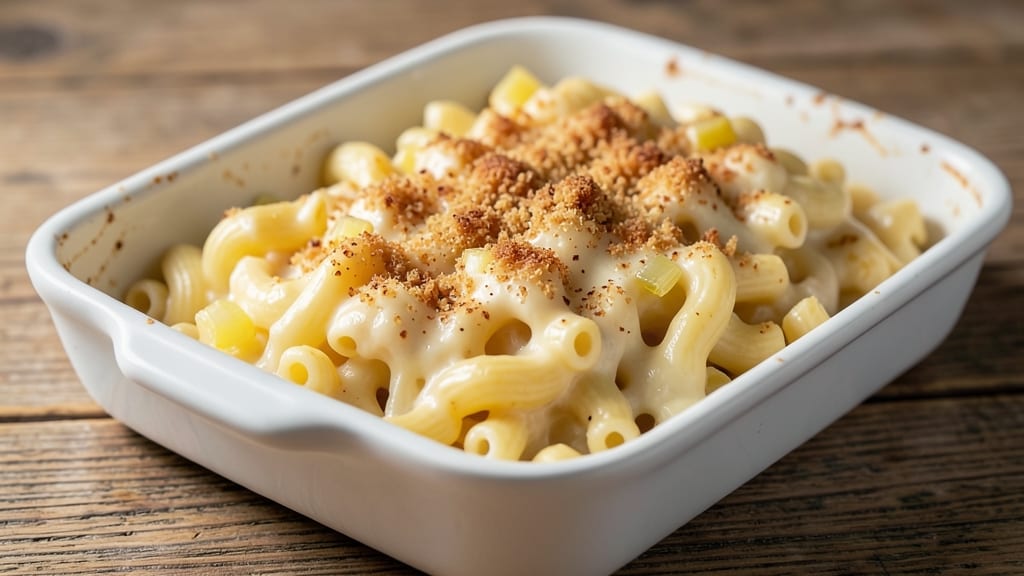
This Annie's white cheddar mac and cheese copycat recipe delivers the same crispy crust, gooey cheese streaks, and one-pan convenience that made the original so beloved. The secret lies in a perfectly balanced cheese sauce that clings to every noodle while maintaining that signature golden-brown crust.
After years of experimenting, I've cracked the code to recreate this nostalgic comfort food at home—no shortcuts, just authentic flavor.
The magic begins with al dente elbow macaroni, tossed in a velvety sauce made from sharp white cheddar, butter, and just the right amount of milk for that signature creamy texture.
Unlike many copycat recipes, this version stays true to the original by using a precise ratio of cheese to pasta water, ensuring each bite is rich without being overly heavy. The crust forms through a simple broiling technique that creates that irresistible crunch while keeping the interior perfectly tender.
What you'll end up with is a restaurant-quality dish that's crispy on top, creamy in the middle, and packed with those signature cheese streaks that pull apart with every forkful.
The aroma alone will have everyone gathering around the table, and the first bite delivers the same comforting satisfaction that made Annie's mac and cheese a classic. This is comfort food at its finest—easy to make but impossible to resist.
Perfect for feeding a crowd or meal prepping for the week, this recipe maintains its texture and flavor even when reheated. The one-pan method means less cleanup and more time enjoying the meal. Let's get started on recreating this iconic dish in your own kitchen!
Ingredients for annie's white cheddar mac and cheese copycat
Sixteen ingredients transform into the iconic crispy-cheese masterpiece you know and love.
| Ingredient | Amount | Notes |
|---|---|---|
| Elbow Macaroni 🍝 | 1 ½ lbs | Al dente, cooked to firm bite |
| Sharp White Cheddar Cheese 🧀 | 2 cups | Freshly grated, block preferred |
| Unsalted Butter 🧈 | ¾ cup | Cold, cut into small cubes |
| Whole Milk 🥛 | 2 cups | Room temperature preferred |
| All-Purpose Flour 🌾 | ¼ cup | For roux thickening |
| Yellow Onion 🧅 | 1 whole | Finely diced, about 1 cup |
| Garlic Cloves 🧄 | 4 cloves | Minced, for depth of flavor |
| Pasta Water 💧 | 1 ½ cups | Reserved from cooking pasta |
| Kosher Salt 🧂 | 1 ½ tsp | Adjust to taste, Diamond Crystal preferred |
| Ground Black Pepper 🌶️ | ½ tsp | Freshly ground for best flavor |
| Panko Breadcrumbs 🍞 | ½ cup | For crispy crust, toasted |
| Extra-Virgin Olive Oil 🫒 | 1 tbsp | For drizzling on breadcrumbs |
The cheese is non-negotiable here—sharp white cheddar is essential for that signature tang. Grab a 2-pound block from the deli counter (pre-grated loses texture), and grate it yourself. For the butter, European-style brands like Plugrá melt smoother than American butter. The elbow macaroni should be al dente—undercooked pasta absorbs too much sauce, while overcooked turns mushy. Reserve that pasta water; it's liquid gold for the sauce. If you're short on time, Whole Foods sells pre-grated cheddar in bags, but it won't have the same melt as freshly grated.
No sharp white cheddar? Mild cheddar plus a pinch of mustard powder mimics the tang. Out of panko? Regular breadcrumbs toasted in a dry pan work, but they won't be as crispy. The olive oil on the breadcrumbs is key—skip it and you'll get a sad, flat crust. For a dairy-free twist, substitute nutritional yeast plus vegan cheese, though the texture will differ. The onion and garlic can be swapped for 1 tbsp onion powder and 1 tsp garlic powder if you're in a rush, but fresh is always better. And trust me on the pasta water—it's what gives that signature cling to the noodles.
This reheats beautifully—5 minutes at 350°F restores the crispy top. Portion into 8x8-inch baking dishes for easy serving, and store leftovers covered in the fridge for up to 5 days. For meal prep, assemble the dish (without baking), cover tightly, and freeze for up to 3 months. Bake straight from frozen, adding 5-10 extra minutes to the cooking time. The sauce thickens as it cools, so if it seems too thick when assembling, stir in a splash of milk or reserved pasta water.
Why You'll Love This Recipe
- Here’s what sold me: the texture. The edges get that golden, buttery crisp while the center stays velvety smooth—no grainy bits. The milk and flour blend creates this silky sauce that coats every noodle like a hug.
- I’ll be real: most mac and cheese turns into sad, dry pasta the next day. Not this one. The cheese sauce thickens just enough to stay rich, and the pasta holds its shape. Pack it for lunch or reheat it—it’s still ridiculous good. Budget-friendly? Absolutely.
Step-by-step instructions for Annie's white cheddar mac and cheese
Here's how to recreate that legendary crispy-topped, cheesy perfection in one pan.
Cook the Pasta Al Dente and Reserve Water
Bring a large pot of water to a rolling boil and add 1.5 lbs elbow macaroni along with 1.5 tsp kosher salt. Cook until 1 minute before the package directions specify for al dente—you want firm pasta that finishes cooking in the oven. Before draining, scoop out 1.5 cups pasta water into a measuring cup. This starchy liquid is essential for creating a silky sauce later.
Drain the pasta but don't rinse it—those surface starches help the cheese cling perfectly. If you rinse, you'll lose that velvety texture. Transfer the drained pasta to a large mixing bowl and set aside. The pasta should be hot when you combine it with the cheese sauce, so work quickly from this point forward.
Build the Cheese Sauce with Perfect Roux
In a separate large skillet (the same one you'll use for baking), melt 0.75 cup unsalted butter over medium heat. Add 1 whole yellow onion and 4 cloves garlic cloves (finely minced), cooking for 3-4 minutes until the onion becomes translucent and the garlic is fragrant but not browned.
Reduce heat to medium-low and whisk in 0.25 cup all-purpose flour to create a roux. Cook for 1-2 minutes until it turns a pale golden color—this removes the raw flour taste. Gradually whisk in 2 cups whole milk over 2 minutes, stirring constantly to prevent lumps. The mixture should thicken into a smooth, creamy base.
Combine Cheese and Create Gooey Streaks
Remove the skillet from heat and add 2 cups sharp white cheddar cheese, stirring until completely melted and smooth. Return to low heat and cook for 2-3 minutes, stirring constantly, until the cheese is fully incorporated and the sauce reaches 170°F (use an instant-read thermometer). Season with 0.5 tsp ground black pepper.
Add the hot pasta to the cheese sauce and toss vigorously with tongs until every strand is coated. The residual heat from the pasta will help melt any remaining cheese. If the sauce is too thick, add 2-3 tablespoons of reserved pasta water at a time until it reaches a creamy consistency that clings to the pasta. The sauce should coat the back of a spoon but still be pourable.
Create the Signature Crispy Crust
Transfer the macaroni mixture to the preheated skillet and spread it evenly into a ¼-inch thick layer. Preheat your oven to 375°F while you prepare the topping. In a small bowl, mix 0.5 cup panko breadcrumbs with 1 tbsp extra-virgin olive oil until evenly coated.
Sprinkle the breadcrumb mixture evenly over the macaroni, pressing down gently with the back of a spoon to ensure even coverage. The crust should be golden brown when done. Bake for 20-25 minutes until the top is deep golden brown and the edges are bubbling. The center should still be slightly underdone—it will finish cooking as it rests.
Rest and Serve for Maximum Creaminess
Remove the macaroni from the oven and let it rest for 5-10 minutes before serving. This resting period allows the sauce to thicken slightly and redistribute throughout the pasta, creating those signature gooey streaks. The crust will firm up during this time, giving you that perfect contrast of crispy top and creamy interior.
Serve immediately with a sharp cheddar cheese shaker on the table—this dish is best enjoyed while still warm. The crispy crust should hold its shape when sliced, revealing the creamy, cheesy goodness beneath. Each bite should deliver that perfect balance of textures: crispy, chewy, and gooey all at once. For extra indulgence, garnish with additional black pepper and serve with a simple side salad.
Pro Tips For Making Annie'S White Cheddar Mac And Cheese Copycat
- STIR CONSTANTLY AT FIRST: The roux is where magic happens—or turns to glue. After adding the flour to melted butter, don’t walk away. Stir vigorously for 2-3 minutes until it’s a pale, sandy color (not brown). I learned this the hard way—skipping this step gives you a bland, pasty sauce, no matter how much cheese you add.
- GRATE CHEESE FRESH: Pre-shredded cheese is coated in anti-caking agents that make your mac gummy. Use a box grater for sharp white cheddar—it melts smoother and holds its texture better. If you’re short on time, buy block cheese and grate it yourself (yes, even if it’s a pain).
- DON’T BOIL THE PASTA DRY: Al dente pasta is key, but overcooking turns elbow mac into mush. Test it 1 minute before the package says “done”—it should have a slight bite. Drain it, then immediately toss with a splash of pasta water (about ¼ cup) to keep it from sticking.
- SALT THE WATER AND SAUCE: Unsalted butter and whole milk won’t carry enough flavor on their own. Salt the pasta water like the ocean (1-2 tbsp per gallon) and add an extra pinch to the finished sauce. Trust me, your taste buds will notice the difference—especially if you’re using mild cheddar.
Health benefits of this dish
Protein-Packed Comfort
This mac and cheese isn't just creamy goodness—it delivers 18-20 grams of protein per serving thanks to the elbow macaroni and generous cheddar. That's nearly 30% of your daily protein needs in one bowl, making it a satisfying meal that keeps you full for hours.
The sharp white cheddar adds calcium and phosphorus, essential for bone health, while the milk contributes vitamin D for immune support. 💪
Calcium-Rich Creaminess
A single serving provides about 30% of your daily calcium requirement, thanks to the combination of cheddar cheese and milk. This mineral is crucial for maintaining strong bones and teeth, especially important as we age.
The dish also contains phosphorus and magnesium, which work together with calcium to support bone density. I always feel like I'm giving my body a little extra love when I make this for family dinners.
Energy-Boosting Carbs
The elbow macaroni provides complex carbohydrates that fuel your body with sustained energy. These slow-digesting carbs help maintain steady blood sugar levels, preventing energy crashes. The dish also contains small amounts of B vitamins from the milk and cheese, which play key roles in energy metabolism.
It's the perfect comforting meal to enjoy after a long day when you need both physical and mental replenishment.
Healthy Fats for Satiety
While this dish is indulgent, the fats come from butter and cheese, which provide saturated fats that contribute to a feeling of fullness. The unsalted butter used in the recipe contains vitamin A, important for vision and immune function.
The fats also help your body absorb the fat-soluble vitamins (A, D, E, and K) from the cheese. Portion control is key—this is a treat best enjoyed in moderation as part of a balanced diet.
Customizable Nutrition
You can easily adapt this recipe to be more nutritious without sacrificing flavor. Swap half the butter for olive oil to reduce saturated fat while maintaining creaminess. Use low-fat milk to cut calories slightly, though you'll lose some of the rich texture.
For added nutrition, stir in steamed broccoli or spinach to the sauce—it blends right in and adds fiber and vitamins. I've found that adding ½ cup steamed broccoli florets to the sauce adds great texture and nutrients without overpowering the dish.
Meal Prep Benefits
This mac and cheese reheats beautifully, making it perfect for meal prepping. The carbohydrates and protein combination helps stabilize blood sugar levels when enjoyed as part of a balanced meal plan.
The dish also contains small amounts of iron and zinc from the cheese, important for energy production and immune function. When prepping for the week, I always make a double batch—it's perfect for lunches that provide both comfort and nutrition during busy workdays.
Nutrition facts
Frequently asked questions
Why does this recipe use sharp white cheddar instead of regular cheddar?
The sharp white cheddar gives that signature tangy flavor that makes Annie's mac and cheese so special. Regular cheddar lacks that bright acidity, and pre-shredded cheese (even white cheddar) contains anti-caking agents that prevent proper melting. Freshly grated sharp white cheddar creates those signature gooey streaks and rich flavor.
Can I make this recipe without a stovetop or oven?
Yes, but with some adjustments! For a stovetop-only version, cook the pasta, make the cheese sauce in a deep skillet, and finish by covering with a tight lid to create steam that melts the cheese. For a broiler alternative, spread the macaroni in a skillet and broil on high for 3-5 minutes with breadcrumbs on top until golden. The texture won't be identical, but it'll still be delicious.
What's the secret to getting that perfect crispy crust?
The crispy top comes from three things: panko breadcrumbs (not regular breadcrumbs), olive oil mixed in, and pressing them gently into the sauce. The breadcrumbs should be toasted lightly first for extra crunch. Pressing helps them adhere better, and broiling at 375°F ensures even browning. Don't skip the resting time—this lets the crust set properly.
How do I fix runny mac and cheese after baking?
If your mac and cheese is too runny, it's likely from overmixing or using too much milk. For immediate fixes: stir in 1-2 tablespoons of flour or cornstarch mixed with water to thicken, or sprinkle 1 tablespoon of breadcrumbs on top and broil for 1-2 minutes to absorb excess moisture. For future attempts, reduce milk by ¼ cup or increase flour in the roux slightly.
Can I make this gluten-free or dairy-free?
For gluten-free, use gluten-free elbow macaroni and a 1:1 gluten-free flour blend for the roux. For dairy-free, substitute sharp white cheddar with vegan cheese + nutritional yeast and use dairy-free butter. The texture will differ slightly, but you can still achieve creamy results. Just note that the crispy crust may not be as golden without dairy.