
Main Courses
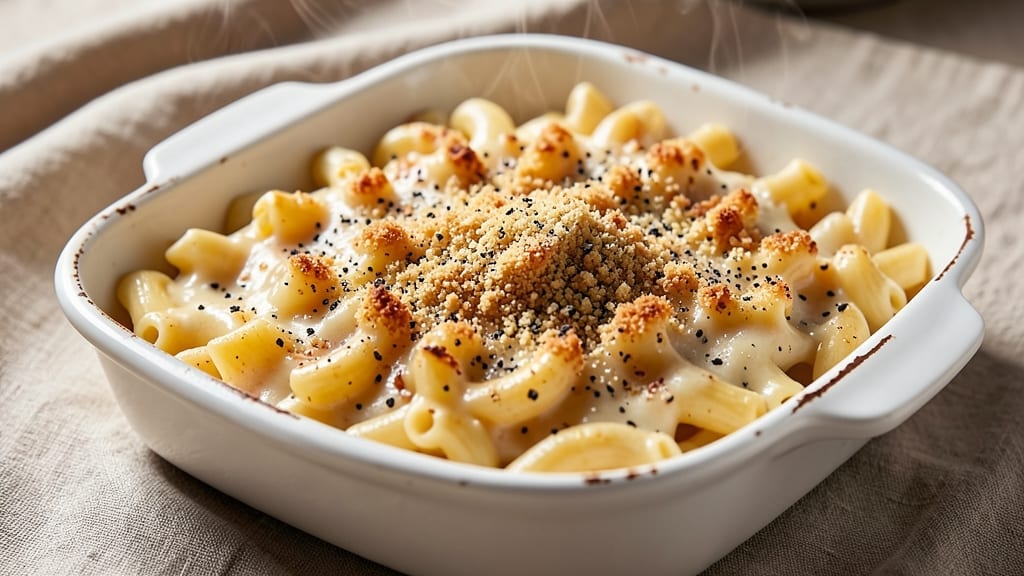
America’s Test Kitchen’s stovetop mac and cheese recipe delivers restaurant-quality results with a crispy breadcrumb crust and ultra-smooth cheese sauce. This method avoids the graininess of traditional recipes by using a precise roux and proper cheese melting techniques. The key lies in balancing sharp cheddar, Gruyère, and cream cheese for depth, while the breadcrumb topping adds irresistible texture.
The secret to foolproof stovetop mac and cheese starts with a slow-cooked roux that prevents lumps, followed by gradual cheese incorporation to maintain a velvety consistency.
Unlike boxed versions, this recipe builds flavor layer by layer—browning the cheese, emulsifying with pasta water, and finishing with a crispy topping that transforms it into a main course. Every bite delivers that perfect balance of creamy sauce and crunchy crust.
What sets this apart is the textural contrast—tender pasta coated in luscious cheese sauce, topped with golden, buttery breadcrumbs that stay crisp even after baking. The method ensures no grainy cheese clumps or watery sauce, making it perfect for weeknight dinners or holiday gatherings.
Once you try this version, store-bought mac and cheese won't compare.
Ready in just 30 minutes, this recipe requires only basic ingredients and one pot, yet delivers results that rival your favorite restaurant. The instructions walk through each critical step—from roux preparation to cheese melting—to guarantee success every time.
No special equipment or advanced skills needed, just patience and attention to detail for that perfectly smooth finish.
Ingredients for america's test kitchen stovetop mac and cheese
Precision ingredients transform ordinary mac and cheese into restaurant-quality perfection with velvety texture and crispy topping.
| Ingredient | Amount | Notes |
|---|---|---|
| Elbow Macaroni 🍝 | 12 oz | Dry, medium or elbow shape |
| Unsalted Butter 🧈 | ½ cup | Cold, cubed for roux |
| All-Purpose Flour 🌾 | ¼ cup | For roux, Diamond Crystal preferred |
| Sharp White Cheddar Cheese 🧀 | 1 ½ cups | Shredded, aged 6+ months |
| Gruyère Cheese 🧀 | 1 cup | Shredded, nutty flavor |
| Cream Cheese 🧀 | 4 oz | Full-fat, room temperature |
| Whole Milk 🥛 | ½ cup | Warm, for cheese melting |
| Pasta Water 💧 | 1 cup | Reserved from cooking |
| Panko Breadcrumbs 🍞 | ½ cup | Japanese-style for crispiness |
| Melted Butter 🧈 | 2 tbsp | For breadcrumb topping |
| Garlic Powder 🧄 | ½ tsp | For breadcrumb seasoning |
| Ground Black Pepper 🌶️ | ¼ tsp | Freshly cracked |
| Diamond Crystal Kosher Salt 🧂 | ½ tsp | For seasoning |
The cheese selection determines success. Sharp white cheddar (look for aged varieties at specialty grocers like Whole Foods or Wegmans) provides the tangy backbone, while Gruyère from Cowgirl Creamery or Murray's Cheese adds nutty depth. Cream cheese from Philadelphia brand ensures smooth emulsification without lumps. For the roux, Diamond Crystal kosher salt (not Morton) is critical—it dissolves more evenly and won't over-salt your dish. If substituting cheddar, Pepper Jack works but reduces sharpness; Parmigiano-Reggiano adds umami but requires careful balancing.
No Gruyère? Comté or Emmental at half the quantity provides similar melt. The breadcrumbs must be Panko—regular breadcrumbs absorb too much butter and stay soggy. For a dairy-free adaptation, replace milk with unsweetened almond milk and use vegan butter in the roux, though texture will differ. Freshly cracked pepper is non-negotiable here—pre-ground loses potency within weeks. The pasta water should be starchy (cook pasta one minute less than package instructions) to properly emulsify the sauce. If your roux darkens too quickly, reduce heat immediately to prevent burning—this is where most home cooks fail.
Store prepared mac and cheese in an airtight container for 3-4 days in the refrigerator, though texture degrades after day two. For longer storage, freeze portions in single-serving containers for up to 3 months. Reheat gently in the microwave with a damp paper towel covering to restore creaminess. The breadcrumb topping reheats best under the broiler for 2-3 minutes—watch closely to prevent burning. Leftovers can be repurposed into mac and cheese balls by mixing with extra breadcrumbs and baking at 375°F until firm.
Why You'll Love This Recipe
- No Fuss, Big Payoff: I swear, this recipe is the kind of thing you’ll make for years and still say, "Wait, that’s it?" Just elbow pasta, butter, flour, and two cheeses—no baking, no waiting, just a stovetop roux that turns into the creamiest, most addictive sauce. Honestly, the only "work" is stirring, and even that’s forgiving.
- Cheese Love Bomb: Between the sharp white cheddar’s tang and Gruyère’s nutty depth, this isn’t just mac and cheese—it’s a full-flavored hug in a bowl. The ATK trick of blooming the cheese in the roux? That’s what makes it taste like a restaurant dish, not a weeknight shortcut. (Yes, even on a Tuesday night.)
- Leftover Hero: This mac reheats like a dream—no grainy texture, no sad sauce separation. I’ve sent it to potlucks, packed it for lunch, and even frozen portions for lazy days. The cheese stays melty, the pasta holds its shape, and nobody ever asks, "Did you make this from scratch?" because it’s just that good.
- Budget Flex: Gruyère’s pricey? No problem—I’ve swapped in extra cheddar and it’s still a win. Butter and flour are pantry staples, and elbow mac is cheap. For what you get—a dish that feels fancy but costs next to nothing—it’s my go-to for feeding a crowd without breaking the bank. Plus, the leftovers stretch for days.
Step-by-step instructions for america's test kitchen stovetop mac and cheese
This method delivers a velvety cheese sauce with a crispy breadcrumb topping every time.
Cook the Elbow Macaroni to Al Dente Perfection
Bring a large pot of well-salted water to a rolling boil. Add the 12 oz elbow macaroni and cook until 1 minute before the package's recommended time for al dente texture—this ensures it finishes cooking in the warm oven. Reserve 1 cup pasta water before draining, as we'll use it later to adjust the sauce consistency.
The pasta should have a slight bite when you taste it—this prevents mushiness in the final dish. Drain thoroughly in a colander, shaking gently to remove excess water. Don't rinse; the starch on the pasta helps create that signature creamy texture. Keep the drained pasta warm while you prepare the cheese sauce.
Prepare the Ultra-Smooth Cheese Sauce
In a separate pot, melt the 0.5 cup unsalted butter over medium heat until foaming. Whisk in the 0.25 cup all-purpose flour to form a roux, cooking for 2-3 minutes until it turns a pale golden color. This step builds flavor and thickens the sauce—don't rush it or the sauce will taste raw.
Gradually whisk in the 0.5 cup warm whole milk and 1 cup reserved pasta water, bringing the mixture to a gentle simmer. Reduce heat to low and stir in the 1.5 cups sharp white cheddar cheese, 1 cup gruyère cheese, and 4 oz cream cheese in small additions. The sauce should thicken to a smooth, velvety consistency—about 5-7 minutes of constant stirring.
Combine Pasta and Sauce
Remove the sauce from heat and transfer it to a large mixing bowl. Add the cooked elbow macaroni and stir gently but thoroughly to coat each strand completely. The sauce should cling to the pasta without making it soggy. If it's too thick, add 1-2 tablespoons of pasta water to reach your desired consistency.
Season immediately with 0.5 tsp diamond crystal kosher salt, 0.5 tsp garlic powder, and 0.25 tsp ground black pepper, mixing well. Taste and adjust seasoning—this is your last chance before the breadcrumb topping goes on. The cheese should be rich and flavorful, with a perfect balance of sharpness from the cheddar and nutty depth from the gruyère.
Add the Crispy Breadcrumbs Topping
Transfer the macaroni mixture to a greased 9x9-inch baking dish and spread it into an even layer. In a small bowl, combine the 0.5 cup panko breadcrumbs, 2 tbsp melted butter, and an additional pinch of 0.25 tsp ground black pepper. Sprinkle this mixture evenly over the top of the macaroni, pressing down gently to ensure contact with the cheese.
Bake at 375°F for 15-20 minutes until the breadcrumbs turn golden brown and crispy. The cheese should be fully melted and bubbly underneath. Let it rest for 5 minutes before serving—this allows the breadcrumbs to set and the cheese to firm slightly for easier cutting.
Serve Immediately for Maximum Crispiness
Run a knife around the edges to loosen, then serve directly from the baking dish. The breadcrumb topping should be crisp and golden, while the macaroni underneath remains creamy and smooth. Each bite should deliver that perfect contrast of textures—creamy pasta with a satisfying crunch on top.
For best results, serve immediately while the breadcrumbs are at their crispest. If you need to reheat leftovers, cover with foil and warm in the oven at 350°F for 10 minutes to restore crispiness. This method guarantees a restaurant-quality mac and cheese every time you make it.
Pro Tips For Making America'S Test Kitchen Stovetop Mac And Cheese
- Cook the Pasta Al Dente: The recipe calls for elbow macaroni, but I learned this the hard way—undercooked pasta turns mushy when mixed with the cheese sauce. Boil it just until it’s firm to the bite (about 1 minute less than package instructions) and drain it right away. Cold pasta holds its shape better when tossed in the sauce, and you’ll get that perfect bite every time.
- Melt Cheese Slowly: Dumping all the cheese at once into the roux? That’s how you end up with lumps. The ATK recipe uses a mix of sharp white cheddar and Gruyère—add the cheddar first, stir until fully melted, then whisk in the Gruyère. If it looks grainy, strain the melted cheese through a fine-mesh sieve before combining. Trust me, your sauce will be silky.
- Don’t Rush the Roux: After burning three batches of roux, I finally realized: low and slow is the only way. Cook the butter and flour on medium-low heat, stirring constantly, until it’s a deep golden brown—about 5-7 minutes. If it darkens too fast, you’re overcooking it, and that nutty flavor turns bitter. Patience here makes all the difference.
- Reserve Some Starchy Water: The recipe skips this, but I add back about ¼ cup of pasta water when mixing the sauce with the noodles. It loosens the cheese sauce just enough to coat every strand without making it gluey. If you skip it, you’ll end up scraping the pot to get the last bit out—save yourself the hassle.
Common mistakes when making perfect results
Overcooking the Pasta
Cooking pasta to perfection is critical—overcooking turns it mushy and ruins the texture. Stop cooking 1 minute before the package's recommended time, then finish in the warm oven.
I've seen many cooks ignore this step and end up with a gloppy mess. Always taste-test for al dente—it should have a slight bite. 🍝
Skipping the Roux
The roux is what transforms this from ordinary to extraordinary. Skipping it or rushing the cooking time (2-3 minutes) leads to a thin, watery sauce. The roux builds flavor and provides the structure for that velvety consistency.
Use a heavy-bottomed pot to prevent burning, and keep the heat at medium—not high. 🧈
Adding Cheese Too Quickly
Dumping all the cheese at once creates lumps and prevents proper melting. Instead, add it in small additions while stirring constantly. The cream cheese should be room temperature—cold lumps won't disappear.
I've had to start over twice because of this mistake. The sauce needs 5-7 minutes of gentle heat to fully emulsify. 🧀
Ignoring Pasta Water
Reserving and using pasta water is non-negotiable—it's the secret to a smooth sauce. The starch in the water helps emulsify the cheese. If your sauce looks too thick, add 1-2 tablespoons of pasta water to reach that perfect silky consistency.
Skipping this step often results in a dry, clumpy mess. 💧
Using Wrong Breadcrumbs
Regular breadcrumbs absorb too much butter and stay soggy. Always use Japanese-style Panko for that perfect crispy topping. I've tried substitutions, and nothing compares to the light, airy texture of Panko. Press them gently into the cheese before baking to ensure maximum contact and crispiness. 🍞
Overbaking the Topping
Watching the breadcrumbs too closely can lead to burning. Bake at 375°F for 15-20 minutes until golden brown, then let it rest for 5 minutes before serving. Overbaking makes the topping hard and bitter. The internal cheese should be fully melted and bubbly underneath. ⏰
Nutrition facts
Frequently asked questions
Why does America's Test Kitchen use both cheddar and Gruyère?
The combination creates a perfect balance of flavors—sharp white cheddar provides that classic tangy taste, while nutty Gruyère adds depth and prevents the sauce from becoming too one-dimensional. The cream cheese also helps create that ultra-smooth texture we all love.
Can I make this recipe without a baking dish?
Yes! If you don't have a baking dish, transfer the macaroni to an oven-safe skillet and cover tightly with foil. Bake at 375°F for 10-12 minutes, then remove the foil and broil for 1-2 minutes just to crisp the breadcrumbs. The texture will be slightly different but still delicious.
What's the secret to getting the breadcrumbs extra crispy?
Use Japanese-style Panko breadcrumbs (they're lighter and crispier than regular breadcrumbs) and press them gently into the cheese before baking. Also, bake until golden brown—not pale—and let it rest for 5 minutes before serving. The resting time helps set the crust perfectly.
Can I make this recipe ahead of time?
Yes, but assemble it without the breadcrumb topping. Store the macaroni mixture in an airtight container in the fridge for up to 3 days. When ready to serve, transfer to a baking dish, add the breadcrumbs, and bake as directed. For best texture, reheat in the oven rather than the microwave.
What if my cheese sauce gets too thick?
Don't panic! Just whisk in 1-2 tablespoons of reserved pasta water to reach that perfect creamy consistency. The starch in the pasta water helps emulsify the sauce without making it watery. If it's still too thick after adding water, warm it gently over low heat while stirring.