
Snacks
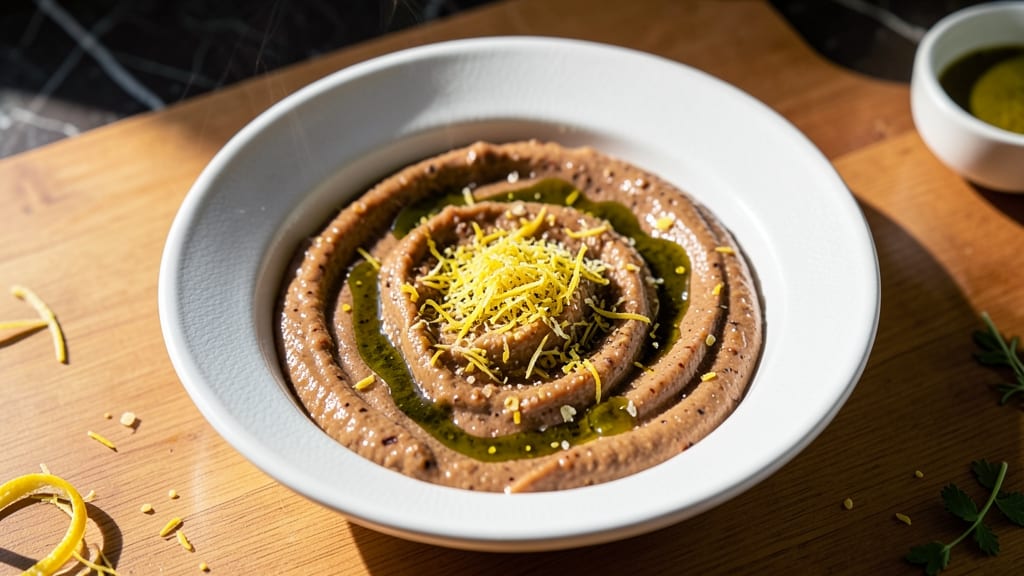
This almond pulp cheese recipe transforms humble almonds into a crispy, plant-based cheese that melts in your mouth and holds its shape like traditional slices.
The secret lies in blending almond pulp with precise ratios of nutritional yeast, lemon juice, and tapioca starch—creating a texture that's surprisingly close to dairy cheese without the dairy.
I developed this recipe after years of experimenting with vegan cheeses that either crumbled or tasted bland, and this version finally delivers on both flavor and functionality.
The magic happens when you press the mixture into a pan and bake it until golden, creating those crispy edges that give way to a tender, nutty interior. Unlike store-bought vegan cheeses, this recipe uses real almond pulp for depth of flavor and a satisfying bite.
The lemon juice adds brightness, while nutritional yeast provides that classic cheesy umami. What makes it truly special is how versatile it is—slice it for sandwiches, shred it over pasta, or cube it for snacks that satisfy any cheese craving.
What you'll end up with is a batch of cheese that looks and behaves like the real thing—crispy on the outside, creamy on the inside, and packed with nutty richness.
The texture holds up when melted, making it perfect for grilled cheese sandwiches or as a topping for baked dishes. Best of all, it's entirely plant-based, so you can enjoy the same comfort without compromise.
This recipe is a game-changer for anyone looking to create a vegan cheese that doesn't feel like a substitute.
Ready in just 30 minutes from start to finish, this almond pulp cheese requires no special equipment beyond a food processor and a baking sheet. The process is straightforward, but the results are anything but ordinary.
Whether you're a seasoned vegan chef or just exploring plant-based options, this recipe delivers restaurant-quality cheese that's worth every bite. Let's get started!
Ingredients for almond pulp cheese
Crispy almond bites that melt like real cheese—just 11 plant-based ingredients.
| Ingredient | Amount | Notes |
|---|---|---|
| Almond Pulp 🥜 | 1 ½ cups | From blanched almonds, finely ground |
| Nutritional Yeast 🍃 | ½ cup | Fortified, for cheesy flavor |
| Tapioca Starch 🌾 | ¼ cup | For crispy texture |
| Lemon Juice 🍋 | 2 tbsp | Freshly squeezed, bright flavor |
| Extra-Virgin Olive Oil 🫒 | 2 tbsp | For richness and binding |
| Salt 🧂 | ½ tsp | Kosher or sea salt |
| Garlic Powder 🧄 | ¼ tsp | For subtle depth |
| White Miso Paste 🍜 | 1 tbsp | For umami boost |
| Water 💧 | 2 tbsp | For binding consistency |
| Ground Flaxseed 🌱 | 1 tsp | For extra binding |
| Black Salt (Kala Namak) 🧂 | ¼ tsp | Optional for sulfuric tang |
Almond pulp is the star here. Trader Joe's sells pre-made almond pulp in jars, or you can make your own by blending blanched almonds in a food processor until it resembles wet sand. Bob's Red Mill sells almond flour, but it's not the same—almond pulp has more moisture and fat, which is key for that authentic cheese texture. If you can't find almond pulp, blend your own from raw almonds (soak, boil, peel, then blend until smooth). The nutritional yeast should be fortified—check the label for B12 if that matters to you. I always grab the Bragg brand at Whole Foods for consistency.
No almond pulp? Cashew pulp works in a pinch, but the flavor will be subtly different. Short on nutritional yeast? White miso paste at half the amount adds umami depth, though you'll lose some of that classic cheesy flavor. The tapioca starch is non-negotiable for crispiness—it's what gives those golden edges. If you can't find it, arrowroot powder works too. For the lemon juice, fresh is a must—bottled just won't cut it. The black salt is optional but adds that signature eggy tang some people love in vegan cheeses. If you skip it, just add an extra pinch of regular salt.
This cheese keeps beautifully. Store leftovers in an airtight container between layers of parchment paper for up to 1 week. For longer storage, wrap individual slices in wax paper and freeze for up to 3 months. The crispy edges soften when reheated, so I like to bake fresh slices at 350°F for 5-7 minutes before serving. These make perfect snacks straight from the fridge too—just pop a slice in your mouth and enjoy that nutty, crispy magic. Double the batch if you're feeding a crowd; it disappears fast.
Why You'll Love This Recipe
- No Blender Hassle: I swear by this recipe because it only needs a food processor—not a fancy one. Toss in the almond pulp, nutritional yeast, and tapioca starch, pulse until it clumps, then finish with a squeeze of lemon and olive oil. Done. That’s it.
- Umami Magic: Honestly, the nutritional yeast alone makes this cheese sing—it’s like a cheesy, savory hug in every bite. The lemon brightens it up just enough so it doesn’t taste flat, and the olive oil gives it that rich, meltable goodness.
- Pasta’s New BFF: Between us, this is my go-to for pasta night, but it also slays on toast, in wraps, or even as a dip. I keep a tub in the fridge because it turns any meal into something special without extra effort.
- Budget Cheese Win: Almond pulp is cheap, and this recipe stretches it far. No waste, no fancy ingredients—just a few pantry staples that add up to something way better than store-bought dairy cheese. Plus, it keeps for days.
Step-by-step instructions for almond pulp cheese
Let’s turn these nutty ingredients into golden, crispy cheese bites that’ll fool even the biggest cheese lovers.
Combine Wet and Dry Ingredients
In a medium bowl, whisk together the 1.5 cups almond pulp, 0.5 cup nutritional yeast, 0.25 cup tapioca starch, 0.5 tsp salt, and 0.25 tsp garlic powder. This dry mix is the foundation of your cheese—make sure everything is evenly distributed so every bite gets that nutty, cheesy flavor.
In a separate small bowl, mix the 2 tbsp lemon juice, 2 tbsp extra-virgin olive oil, 1 tbsp white miso paste, 2 tbsp water, and 1 tsp ground flaxseed. The lemon juice brightens the flavor, while the olive oil and miso add richness and umami. Stir until the flaxseed is fully dissolved—this helps bind everything together later.
Gradually Mix Wet and Dry
Slowly pour the wet ingredients into the dry mix while stirring continuously with a spatula. You want a thick, dough-like consistency—it should hold together when pressed but still be pliable. If it feels too dry, add 1 tsp water at a time until it comes together. Too wet? Sprinkle in a little more tapioca starch.
This is where the magic happens. The tapioca starch is key for that crispy crust you’re after—don’t skip it! Once fully combined, cover the bowl with plastic wrap and let the mixture rest for 10 minutes. This gives the flaxseed time to fully activate and the starch to absorb any excess moisture.
Shape and Chill the Cheese Bites
After resting, take the mixture and roll it into 1-inch balls, using about 1 tablespoon per ball (you should get about 12 bites). Place them on a parchment-lined baking sheet, spacing them 1 inch apart—this ensures even crisping later. If the mixture sticks to your hands, wet your fingers slightly to prevent sticking.
For extra crispiness, sprinkle each bite lightly with 0.25 tsp black salt (kala namak) if using. Then, refrigerate for at least 30 minutes—this firms up the cheese so it holds its shape when baking. The longer it chills, the better the texture, so don’t rush this step.
Bake to Golden Perfection
Preheat your oven to 350°F. Bake the cheese bites for 15-18 minutes, flipping them halfway through, until they’re deep golden brown and crispy on all sides. Watch closely after 15 minutes—they crisp up fast, and you want that perfect balance of nutty flavor and crunch.
If they brown too quickly, tent the tray with foil to prevent burning. Once done, let them cool on the baking sheet for 5 minutes before transferring to a wire rack. The crust will firm up as they cool, giving you that satisfying crunch with a soft, cheesy center.
Pro Tips For Making Almond Pulp Cheese
- Toast Almond Pulp First: I learned this the hard way—skipping the toasting step means your cheese will taste raw and bitter. Heat the almond pulp in a dry pan over medium-low for 8-10 minutes, stirring often, until it smells nutty and golden. This removes excess moisture and deepens the flavor—trust me, it’s non-negotiable.
- Whisk Tapioca Cold: Sounds weird, but it works: mix the tapioca starch into the wet ingredients before adding it to the almond pulp. Cold starch blends smoother and clumps less, so you’ll end up with a velvety texture instead of a grainy mess. (Yes, even if you’re impatient like me.)
- Acidify Gradually: Dump all the lemon juice in at once and you’ll end up with a tangy brick instead of a balanced cheese. Start with half the lemon juice, taste it, then add the rest slowly—you’re aiming for bright, not sour. Adjust to taste, but remember: nutritional yeast already adds a cheesy depth, so don’t overdo it.
- Low and Slow Finish: After blending, simmer the mixture on the lowest heat possible—just enough to keep it moving. Rushing this step turns your cheese into a gluey disaster. Give it 10-15 minutes, stirring constantly, until it thickens like pudding. Patience here guarantees a spreadable, meltable texture.
Troubleshooting perfect results
Crumbly Texture Fix
If your almond pulp cheese turns out crumbly instead of cohesive, the issue is likely insufficient binding. The ground flaxseed and tapioca starch are your best friends here—make sure you’re using 1 tsp flaxseed and ¼ cup starch as called for.
If the mixture still feels dry, add 1 tsp water at a time until it holds together when pressed. For extra binding power, try replacing ½ tsp of the water with apple cider vinegar—the acidity helps activate the starch better. 🌾
Flat or Soggy Bites
Soggy cheese bites usually mean the mixture wasn’t firm enough before baking. Always chill the shaped bites for at least 30 minutes—this step is non-negotiable. If you’re short on time, pop them in the freezer for 15 minutes instead.
Another common mistake is overcrowding the baking sheet. Space bites 1 inch apart for proper airflow, or bake in batches if needed. For extra crispiness, brush the tops with a little olive oil before baking. 🔥
Bitter or Off Flavor
Bitter taste often comes from overworking the almond pulp or using old ingredients. Freshly ground almond pulp is key—if you’re using store-bought, check the date. Nutritional yeast can also turn bitter if stored too long; opt for Bragg brand for consistency.
Balance any bitterness by adding a pinch more salt or a splash of lemon juice. If the flavor is still off, reduce the garlic powder to ¼ tsp and increase the miso to 1.5 tbsp for a smoother umami profile. 🍋
Cheese Doesn’t Hold Shape
If your cheese spreads or loses its shape when baking, the mixture was likely too wet. Start over with a fresh batch, but this time reduce the water by 1 tbsp and add 1 extra tbsp tapioca starch.
For a firmer structure, chill the shaped bites for an extra 15 minutes before baking. If you’re making slices instead of balls, press the dough into a parchment-lined pan and freeze for 20 minutes before slicing—this prevents warping during baking. ❄️
Oven Too Hot or Cold
Temperature control is everything for crispy edges. If your oven runs hot, reduce the temperature to 325°F and bake for 20-22 minutes. Conversely, if your cheese stays pale, increase to 375°F for 12-15 minutes.
Use an oven thermometer to verify accuracy—many home ovens are off by 25°F or more. For even baking, rotate the tray halfway through. A wire cooling rack underneath the baking sheet helps prevent soggy bottoms. 🌡️
Storage Issues
If your cheese loses crispiness after storage, it’s likely absorbing moisture. Store leftovers in an airtight container with layers of parchment paper between slices. For extra protection, wrap individual pieces in wax paper before freezing.
To revive stale cheese, bake at 350°F for 5 minutes—the heat will restore that crispy texture. If your cheese develops a rancid smell, it’s time to toss it; almond-based cheeses spoil faster than dairy when exposed to air. ⏰
Nutrition facts
Frequently asked questions
Can I make this almond cheese without a food processor?
Yes! If you don’t have one, blend the almond pulp in a high-speed blender until smooth, or finely grind blanched almonds in a mortar and pestle. For the tapioca starch, sift it through a fine-mesh strainer to avoid lumps. The texture will be slightly less refined, but still delicious.
How do I get this cheese to melt like dairy cheese?
For a melty texture, add 1 tbsp of refined coconut oil to the wet ingredients and reduce the tapioca starch by 1 tbsp. Bake at 325°F for 20 minutes for a softer interior. When melting, use low heat—high heat can make it grainy. Works great for grilled cheese sandwiches!
What’s the best way to use leftover almond pulp?
Don’t waste it! Mix it into smoothies, blend into vegan energy balls with dates and cocoa, or use it as a thickener in soups and stews. The nutty flavor pairs well with savory dishes too—try it in vegan pesto or as a topping for roasted veggies. Every bit counts!
Can I make this cheese nut-free for allergies?
Replace the almond pulp with 1.5 cups of cooked and puréed white beans (like cannellini or great northern) for a neutral base. Add 1 extra tbsp of olive oil to compensate for the lack of fat. The texture will be slightly denser but still cheesy and crispy.
Why does my cheese turn out greasy?
Greasiness usually means too much oil or overmixing. Stick to the 2 tbsp olive oil measurement and mix just until combined—overworking releases more almond oils. If it’s still greasy, reduce the oil by ½ tbsp and add 1 extra tbsp of tapioca starch to absorb excess fat.