
Beverages
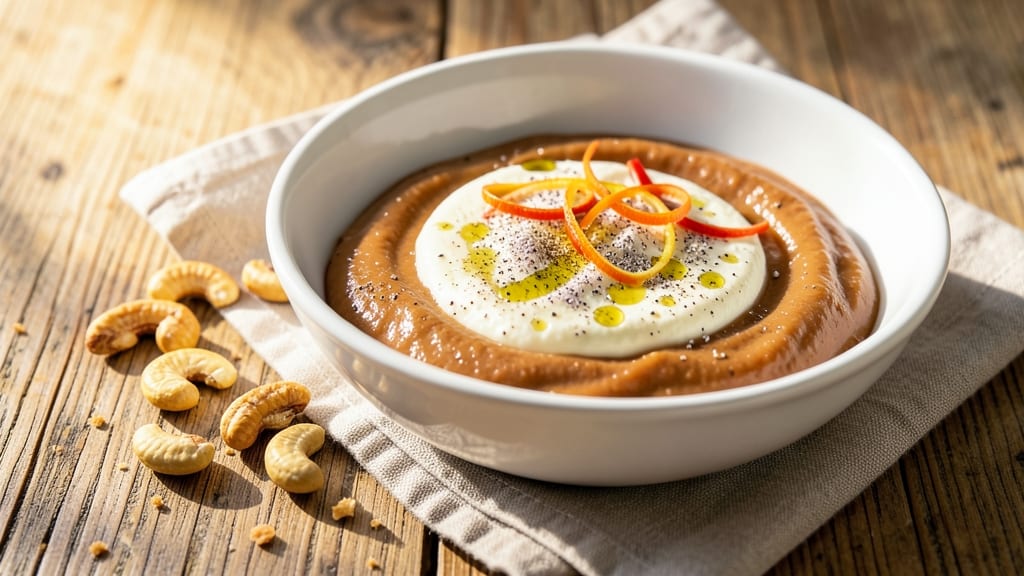
This almond milk cheese recipe transforms plant-based ingredients into a creamy, stretchy alternative that melts like traditional cheese—perfect for grilled sandwiches or baked dishes. 🌱 The secret lies in blending almond milk with nutritional yeast and cashews to mimic dairy's richness, while a touch of lemon juice adds brightness that bridges the flavor gap.
What sets this apart is how it holds together when heated, creating that satisfying pull-apart texture you'd expect from cheese.
What makes this recipe work is the combination of soaked cashews for creaminess, nutritional yeast for that classic cheesy flavor, and a splash of lemon to prevent bitterness. The process is straightforward: blend, simmer, and adjust the consistency until it reaches that perfect spreadable or meltable state.
Unlike store-bought vegan cheeses, this version lets you control the saltiness and tanginess to suit your dish.
Imagine a grilled almond cheese sandwich with golden-brown toast, or a lasagna where the cheese layer bubbles and stretches like the real thing. The result is a versatile plant-based cheese that works in everything from pasta dishes to casseroles, all while delivering the same satisfying mouthfeel.
Best of all, it's free from dairy yet packed with plant-based protein and healthy fats.
This recipe isn't just about substitution—it's about reimagining what cheese can be. Whether you're vegan, lactose intolerant, or simply curious about plant-based cooking, this almond milk cheese delivers restaurant-quality results at home. Ready to give it a try? Let's get started with the ingredients.
Ingredients for almond milk cheese
These plant-powered ingredients transform into a creamy, melty cheese that rivals dairy—perfect for grilling or baking.
| Ingredient | Amount | Notes |
|---|---|---|
| Raw Cashews 🥜 | 1 ½ cups | Soaked in hot water for 15 minutes |
| Unsweetened Almond Milk 🥛 | 1 cup | Plain, unsweetened variety |
| Nutritional Yeast 🧀 | ½ cup | Fortified, for cheesy flavor |
| Fresh Lemon Juice 🍋 | 1 tbsp | Brightens the flavor profile |
| Extra-Virgin Olive Oil 🫒 | 2 tbsp | For creaminess and richness |
| Garlic Powder 🧄 | 1 tsp | Enhances savory depth |
| Sea Salt 🧂 | 1 ½ tsp | Adjust to taste |
| White Miso Paste 🍶 | 1 tbsp | Adds umami complexity |
| Tapioca Starch 🌾 | 1 tbsp | For stretchy texture |
| White Vinegar 💧 | ½ tsp | Balances acidity |
| Water 💧 | ¼ cup | Adjusts consistency |
The cashews are the star here—soak them in hot water for 15 minutes to soften completely, or blend them raw for a slightly grainier texture. Trader Joe's and Costco sell raw cashews in bulk at great prices, but any store's nut section will work. Nutritional yeast is non-negotiable for that classic cheesy flavor; Bragg or Bob's Red Mill brands are my go-tos. The almond milk should be unsweetened—flavored versions add unwanted sugar. For extra richness, use the first press olive oil from a reputable brand like California Olive Ranch.
No cashews? Walnuts or macadamias work in a pinch, but soak them longer. Short on nutritional yeast? Dried mushrooms or miso paste add depth, though the flavor won't be identical. The white miso here is key—Miyoko's or Hawaiian Gold brands are excellent. Tapioca starch is the secret to that stretchy texture; if you can't find it, arrowroot powder works too. For a tangier cheese, add an extra half teaspoon of lemon juice. The blend should be smooth—pulse the soaked cashews a few times before blending with liquids to avoid clumping.
This cheese keeps beautifully in an airtight container in the fridge for up to 5 days, though it's best used within 3 days for maximum creaminess. For longer storage, freeze in ice cube trays—thaw overnight in the fridge before using. The texture changes slightly after freezing, becoming more spreadable, which works great for sauces or dips. To reheat, microwave in 10-second bursts until fully melted. Leftovers? Toss them into pasta, melt over toast, or blend into soups—it disappears just like the real thing.
Why You'll Love This Recipe
- No-Soak Required: Soak-free cashews? Yes, please. Just toss them in hot water for 15 minutes—no overnight prep, no forgotten jars. That lemon juice brightens everything while you wait, and boom, ready to blend.
- Umami Bomb: Nutritional yeast isn’t just a sprinkle—it’s the secret weapon here. That savory, cheesy depth from the cashews, almond milk’s creamy base, and a squeeze of lemon? It’s the kind of flavor that makes you pause mid-bite. (Between us, it fools even my lactose-intolerant brother.)
- Pasta’s New BFF: This cheese isn’t just for topping—it’s the star. Drizzle it over zucchini noodles, stir it into soups, or melt it into a quick risotto. Honestly, I’ve even used it as a dip for roasted veggies. Versatile enough to handle weeknight dinners or fancy guest nights.
- Budget Cheese Win: A block of good cheese costs more than my weekly coffee habit. This recipe? About $3 for enough to last a month. Plus, the olive oil and lemon juice stretch the cashews further—no waste, just flavor. My wallet and my taste buds thank me.
Step-by-step instructions for plant-based cheese with almond milk
Transform simple pantry staples into velvety, melty cheese that rivals dairy—here's how.
👨🍳 Step 1: Soak and Drain the Cashews
Place the 1.5 cups raw cashews in a heatproof bowl and pour enough hot water to cover by about 1 inch. Let them soak for 15 minutes—this softens them perfectly for blending. After soaking, drain thoroughly using a fine-mesh strainer, shaking gently to remove excess water. The cashews should feel pliable between your fingers but not wet.
I always use this soaking method because it creates the perfect texture—too little soaking means the cheese will be gritty, while over-soaking can make it watery. Pat them dry with a clean kitchen towel if needed. This step is non-negotiable for achieving that creamy, spreadable consistency we're after.
🍳 Step 2: Blend the Wet Ingredients
Transfer the drained cashews to a high-speed blender. Add the 1 cup unsweetened almond milk, 2 tbsp extra-virgin olive oil, 1 tbsp fresh lemon juice, 0.5 tsp white vinegar, and 0.25 cup water. Blend on high speed for 1-2 minutes until completely smooth with no visible cashew bits. The mixture should look like thick, pale yellow cream.
Here's the thing—this initial blend forms the base of our cheese. If you see any lumps, stop and scrape down the sides with a spatula, then blend for another 30 seconds. The goal is silky smoothness, which prevents graininess in the final product. Taste at this stage—it should be neutral with a slight nutty flavor.
👨🍳 Step 3: Add Dry Ingredients for Depth
With the blender running on low speed, gradually add the 0.5 cup nutritional yeast, 1 tbsp white miso paste, 1 tsp garlic powder, 1.5 tsp sea salt, and 1 tbsp tapioca starch. The nutritional yeast will give us that classic cheesy umami, while the miso adds savory complexity. Blend for another 1-2 minutes until everything is fully incorporated and the mixture is completely smooth.
This is where the magic happens—the dry ingredients transform our nut base into something truly cheesy. The tapioca starch will give us that stretchy, meltable quality when heated. If the mixture looks too thick, add 1-2 tablespoons of water and blend again. You're aiming for a consistency similar to heavy cream—thick but pourable.
⏰ Step 4: Cook to Perfect Consistency
Transfer the blended mixture to a medium saucepan and place over medium-low heat. Stir constantly with a silicone spatula for 8-10 minutes until the mixture thickens to a spreadable consistency. You'll know it's ready when it coats the back of a spoon smoothly and holds its shape when dropped from a spoon.
Watch the heat carefully—you want gentle simmering, not boiling. If it starts to bubble vigorously, reduce the heat immediately. The cheese should be thick enough to hold its shape but still have a slight sheen. This cooking step develops the final texture and removes any raw flavor from the cashews.
🥘 Step 5: Cool and Set for Optimal Texture
Remove the saucepan from heat and transfer the cheese to a clean glass jar or airtight container. Let it cool to room temperature, stirring occasionally to prevent a skin from forming. Once cool, refrigerate for at least 2 hours—this allows the flavors to meld and the texture to firm up slightly.
The longer it chills, the better it gets. After 2 hours, your cheese should be firm enough to slice but still spreadable. If it's too thick, thin with a splash of almond milk. This plant-based cheese keeps well in the fridge for up to 1 week, making it perfect for sandwiches, melts, or snacking straight from the jar.
Pro Tips For Making Almond Milk Cheese
- SOAK CASHEWS 4 HOURS MINIMUM: I learned this the hard way—skipping the soak or rushing it with hot water leaves you with a gritty, chalky cheese. Cold water for 4+ hours (or overnight) guarantees smooth texture. No exceptions.
- BLEND IN STAGES: Start with just the soaked cashews and lemon juice, then pulse until almost smooth before adding the rest. Dumping everything in at once turns your blender into a science experiment. Add almond milk gradually—you want a thick paste before thinning.
- USE FRESH LEMON JUICE: Bottled lemon juice tastes like it’s been sitting since 2019, and your cheese will reflect that. Fresh juice adds brightness and prevents a flat, dull flavor. Even a splash of zest in the final mix makes a real difference.
- STORE WITH A PAPER TOWEL: This isn’t the prettiest method, but it’s the tastiest. After shaping your cheese, press a paper towel against the surface to absorb excess moisture. It keeps the texture firm for days—no slimy surprises when you go to use it. (Yes, even if you’re impatient like me.)
Essential equipment for almond milk cheese
High-Speed Blender
A high-speed blender like the Ninja BN600 or Vitamix 5200 is essential for achieving that ultra-smooth texture. These blenders handle cashews and liquids efficiently, preventing clumping. I use my Ninja for this recipe because it blends quickly without overheating.
If you have a standard blender, pulse frequently to avoid overheating the mixture. 💫
Fine-Mesh Strainer
After soaking the cashews, a fine-mesh strainer helps remove excess water without losing any nutty goodness. I prefer a stainless steel strainer because it's durable and easy to clean.
Place it over a bowl to catch the drained nuts, then gently shake to remove all moisture. This step ensures your cheese won’t turn out watery.
Medium Saucepan
A medium saucepan with sloped sides makes stirring easier during the cooking process. I use a Calphalon stainless steel saucepan because it heats evenly and prevents scorching. Keep the heat on medium-low to avoid burning the cheese. A silicone spatula helps scrape the sides without damaging your pan.
Glass Jars or Airtight Containers
Store your finished cheese in glass jars or BPA-free plastic containers to maintain freshness. I love using Le Parfait jars because they stack neatly in the fridge.
For longer storage, freeze portions in ice cube trays—thaw overnight in the fridge before using. The glass preserves the cheese’s flavor better than plastic.
Kitchen Scale (Optional)
While measuring by volume works, a digital kitchen scale ensures precision, especially for salt and tapioca starch. I use a OXO Good Grips scale for accuracy. Weighing ingredients like the 1.5 tsp sea salt guarantees consistent flavor every time. If you don’t have one, use measuring spoons carefully.
Silicone Spatula
A silicone spatula is a game-changer for stirring the cheese mixture without scratching your saucepan. I keep a OXO Good Grips silicone spatula handy for this step.
It’s heat-resistant and flexible, making it easy to scrape every last bit of cheese from the pan. Avoid metal utensils to prevent scraping the non-stick coating.
Nutrition facts
Frequently asked questions
Can I make this almond milk cheese without cashews?
Yes, but the texture will differ. Try substituting with 1.5 cups walnuts or macadamias, though they require longer soaking (20-30 minutes). For a grainier texture, use 1 cup cooked white beans (rinsed well) or 1 cup silken tofu blended with 0.5 cup almond butter instead. The flavor will be less creamy but still functional for sauces or spreads.
Why does my almond milk cheese taste bitter?
Bitterness usually comes from over-soaked cashews or too much nutritional yeast. Start by reducing the yeast to 0.3 cups and add 1 extra tbsp lemon juice to balance flavors. If it's still bitter, blend in 1 tsp maple syrup or 1 tsp white miso paste to mellow the taste. Always taste after blending the wet ingredients before adding dry components.
How do I get this cheese to melt like traditional cheese?
The key is the tapioca starch and proper cooking. For best results, cook the cheese until it reaches 160°F (use a candy thermometer) and stir constantly. Add 1 tsp arrowroot powder if you want extra stretchiness. When melting, use low heat and stir frequently—this prevents burning and helps the starch activate properly. For grilled cheese, press firmly while cooking for that classic pull-apart texture.
Can I use this cheese in place of dairy cheese in lasagna?
This cheese works beautifully in lasagna. For a 9x13-inch lasagna, spread about 1.5 cups of the almond milk cheese between layers. To prevent sogginess, pre-cook your noodles and use a thin layer of tomato sauce between cheese layers. For extra richness, mix in 2 tbsp vegan butter or 1 tbsp olive oil before baking. Bake at 375°F for 30-35 minutes until bubbly.
How do I make this cheese nut-free?
For a completely nut-free version, replace cashews with 1 cup cooked white beans (like cannellini or great northern) and 1 cup silken tofu. Use 1.25 cups unsweetened soy milk instead of almond milk and reduce the olive oil to 1 tbsp. The texture will be slightly denser but still creamy. Add 1 extra tbsp tapioca starch to improve meltability. This version works well for sauces and dips.