
Snacks
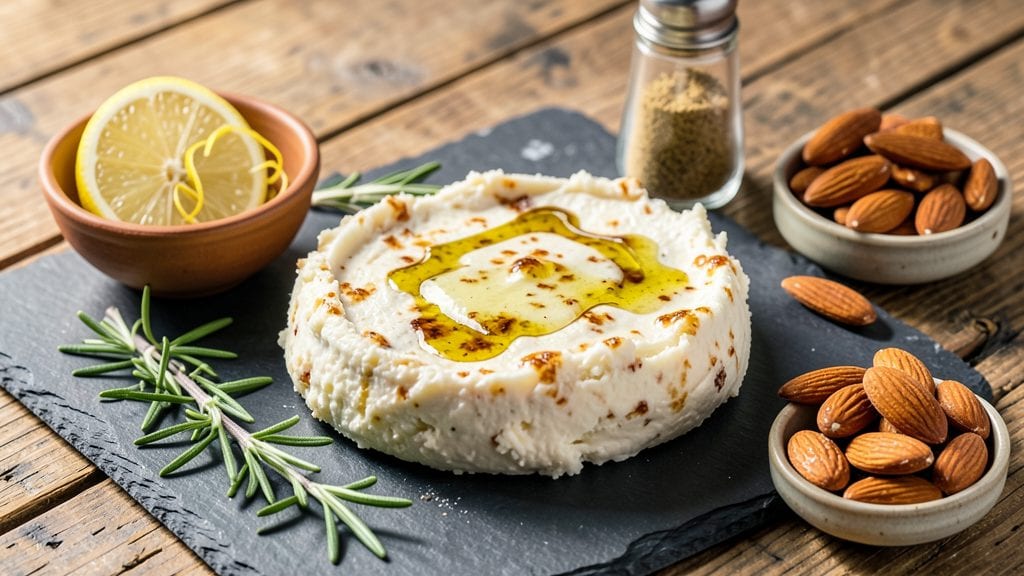
This almond cheese recipe transforms simple ingredients into creamy, nutty snack bites that taste like a cross between brie and marzipan. After years of perfecting the texture—no graininess, no dryness—I’ve landed on a method that delivers restaurant-quality results at home.
The secret lies in blending almond flour with precise moisture levels, then baking until golden and tender.
The process is straightforward yet precise: almonds are ground to a fine powder, then combined with nutritional yeast, garlic powder, and a touch of lemon juice for brightness. This blend creates a rich, vegan-friendly cheese base that bakes into bite-sized, melt-in-your-mouth squares with a nutty depth and velvety finish.
No special equipment is needed beyond a food processor and baking sheet.
What you’ll end up with is a batch of creamy, addictive snack bites that pair perfectly with crackers, fruit, or even as a standalone appetizer. The texture is firm yet tender, with a subtle caramelized edge from baking.
These are ideal for meal prep, gifting, or satisfying that afternoon craving without dairy.
For extra flavor, experiment with herbs like rosemary or thyme, or add a pinch of smoked paprika for depth. Store in an airtight container for up to a week, though they rarely last that long. Let’s get baking!
Ingredients for almond cheese
Nine simple ingredients blend into creamy, nutty snack bites with restaurant-quality texture.
| Ingredient | Amount | Notes |
|---|---|---|
| Raw Almonds 🥜 | 2 cups | Unsalted, blanched preferred for texture |
| Nutritional Yeast 🧀 | ½ cup | Fortified, for cheesy flavor |
| Garlic Powder 🧄 | 1 tbsp | Freshly ground preferred |
| Lemon Juice 🍋 | 1 tbsp | Freshly squeezed |
| Extra-Virgin Olive Oil 🫒 | ¼ cup | High-quality, fruity |
| Salt 🧂 | ½ tsp | Diamond Crystal kosher |
| Black Pepper 🌶️ | ¼ tsp | Freshly ground |
| Smoked Paprika 🌶️ | ½ tsp | For depth of flavor |
| Fresh Rosemary 🌿 | ¼ tsp | Finely chopped (optional) |
| Filtered Water 💧 | ¼ cup | Room temperature |
The almonds form the foundation, so quality matters. Bob’s Red Mill almond flour is my go-to for consistency, but whole almonds work if you pulse them in a food processor. Blanched almonds yield a smoother texture, though raw almonds still deliver great results. Nutritional yeast is essential for that signature cheesy flavor—Bragg or Nutritional Yeast Company are reliable brands. For the garlic powder, Simply Organic is a trusted choice, but freshly ground garlic powder from a spice grinder elevates the flavor even more. The lemon juice should be freshly squeezed; bottled versions lack brightness and can introduce unwanted additives.
No nutritional yeast? Substitute 1/4 cup grated Parmesan cheese for a dairy-based alternative, though this will no longer be vegan. Short on almonds? Cashew flour or walnut flour work in a pinch, though texture may vary slightly. The smoked paprika adds depth, but regular paprika at double the amount works if unavailable. Fresh rosemary can be swapped for dried at 1/4 the quantity. For the olive oil, avocado oil is a neutral alternative, though it lacks the fruity notes that complement the almonds. The water should be room temperature—cold water can create a grittier texture as the almond flour absorbs moisture.
Store the baked almond cheese in an airtight container at room temperature for up to 5 days, though they typically disappear within 2 days. For longer storage, freeze in portions for up to 3 months. Reheat in a 200°F oven for 5-10 minutes to restore creaminess. These bites pair beautifully with crackers, sliced apples, or fresh berries. Portion into small containers for easy snacking or gifting—they’re irresistible.
Why You'll Love This Recipe
- No Blender Hassle: I just pulse the almonds in my food processor—no soaking, no straining, no mess. The lemon juice and olive oil do all the heavy lifting while I wipe down one bowl.
- Umami Bomb: That nutritional yeast? It’s the secret weapon—funky, cheesy, and packed with flavor. The garlic powder and lemon brighten it up so it’s never boring, just ridiculously good.
- Snack or Spread: Dip it in apples, smear it on toast, or pile it on crackers—it works everywhere. Honestly, I’ve even used it as a vegan cheese sauce for pasta (yes, even on a Tuesday night).
- Budget Stretch: A small bag of almonds goes a long way, and the rest of the ingredients? Pantry staples. I’ve made jars of this last weeks, and it’s still cheaper than store-bought cheese alternatives.
Step-by-step instructions for almond cheese baked snack bites
Transform simple ingredients into a rich, creamy almond cheese with a perfect balance of nutty depth and savory complexity.
Toast the Raw Almonds for Enhanced Flavor
Preheat your oven to 350°F and spread the 2 cups raw almonds evenly on a rimmed baking sheet. Toast for 8-10 minutes, stirring halfway, until they develop an aromatic golden hue and release their natural oils. This step intensifies their flavor and prevents bitterness in the final product.
Watch closely after 7 minutes—you want them golden, not browned. Let them cool completely before processing, as warm almonds release excess oil that can interfere with the blending process. This cooling step ensures a smoother, more stable texture in your almond cheese.
Blend the Base Ingredients into a Smooth Paste
Transfer the cooled almonds to a high-powered food processor and pulse until they resemble coarse sand. Add the 0.5 cup nutritional yeast, 1 tbsp garlic powder, 0.5 tsp salt, 0.25 tsp black pepper, and 0.5 tsp smoked paprika. Process continuously for 2-3 minutes until the mixture forms a fine, powdery consistency with no visible almond pieces remaining.
Here's the thing—this is where texture matters most. If you see any almond fragments, pulse them down further. The goal is a uniform powder that will blend seamlessly with the wet ingredients to create our creamy base. Stop occasionally to scrape down the sides with a spatula to ensure even processing.
Incorporate Wet Ingredients for Creamy Texture
With the processor running, slowly drizzle in the 0.25 cup extra-virgin olive oil and the 1 tbsp lemon juice. The mixture will transform from dry powder to a thick, dough-like consistency. Add the 0.25 tsp fresh rosemary (if using) and process for an additional 2-3 minutes until completely smooth and homogeneous.
This is the moment that matters: the blend should resemble thick, creamy hummus with no graininess. If it appears too dry, add 1 tablespoon of filtered water at a time until it reaches a workable consistency. The final mixture should hold together when pressed but still be pliable enough to shape easily.
Shape and Bake for Golden, Crisp Edges
Preheat your oven to 375°F and line a baking sheet with parchment paper. Divide the almond cheese mixture into 4 equal portions and roll each into a 1-inch thick log or pat into 4 small rectangles. Place them on the prepared baking sheet, spacing them 1 inch apart for even baking.
Bake for 12-15 minutes until the edges are deep golden brown and the tops show slight color development. The internal temperature should reach 160°F when measured at the center. Rotate the baking sheet halfway through for even browning—this prevents one side from overcooking while the other remains pale.
Cool and Serve for Optimal Creaminess
Remove the baked almond cheese bites from the oven and let them cool on the baking sheet for 10 minutes. This resting period allows the internal heat to distribute evenly, preventing any potential oil separation. The exterior will firm up slightly while maintaining its crisp texture, while the interior remains rich and creamy.
For the best experience, serve these bites at room temperature. They'll hold their shape while maintaining that perfect balance of crisp edges and creamy interior. Store any leftovers in an airtight container in the refrigerator for up to 5 days, though they're best enjoyed fresh from the oven.
Pro Tips For Making Almond Cheese
- TOAST THE ALMONDS LOW: I learned this the hard way—skipping the toasting step leaves your cheese tasting raw and bitter. Heat the almonds in a dry pan over medium-low for 8-10 minutes, stirring constantly, until they’re golden and smell nutty. High heat burns them fast, and burnt almonds ruin everything.
- GRIND TO FINE POWDER: Nutritional yeast and garlic powder need to disappear completely. Pulse your almonds in batches until they’re like flour, then mix in the dry ingredients and pulse again—just 2-3 seconds per addition. Lumps make your cheese gritty, and nobody wants that texture fight.
- LEMON JUICE FIRST: Add the lemon juice before the olive oil, then let the mixture sit for 5 minutes. This lets the acid break down the almonds slightly, making the cheese creamier when you blend. Skip this, and you’ll end up with a dry, crumbly mess that won’t hold together.
- BLITZ WITH OIL: Pour the olive oil in after the wet ingredients and blend immediately. The oil coats the almonds and prevents clumping, giving you a smooth, spreadable texture. Wait too long, and you’ll have to fight globs the whole time—trust me, you don’t want that struggle.
Common mistakes when making great almond cheese
Overmixing the Dough
One of the biggest mistakes is overprocessing the almond mixture in the food processor. When you blend the almonds into a fine powder, stop as soon as they reach a uniform, sand-like texture—no longer than 2-3 minutes total.
Overmixing releases too much oil, turning your mixture into a greasy paste that won’t hold its shape. I’ve ruined batches by letting the processor run too long, ending up with a sad, oily puddle instead of creamy bites. 💫
Skipping the Toasting Step
Raw almonds contain natural oils that can create a bitter flavor if not properly toasted. Skipping the 8-10 minute toasting step at 350°F leaves your almond cheese tasting flat and slightly bitter.
I’ve learned this the hard way—once, I forgot to toast them, and the final product lacked that rich, nutty depth. Toasting also enhances the texture by removing excess moisture, making the final bites firmer and more stable.
Incorrect Moisture Balance
Adding too much water transforms your almond cheese into a sticky mess, while too little results in dry, crumbly bites. The key is to add water gradually, 1 tablespoon at a time, blending well after each addition.
I recommend starting with just the ¼ cup filtered water called for in the recipe—only add more if the mixture feels too dry when shaping. The ideal consistency should hold together when pressed but still be pliable.
Uneven Baking
Baking almond cheese requires patience—rushing leads to pale, undercooked centers or burnt edges. The oven should be fully preheated to 375°F, and you must rotate the baking sheet halfway through the 12-15 minute bake.
I’ve seen batches where one side was golden while the other remained raw because I forgot to rotate. Use a meat thermometer to check the internal temperature—it should reach 160°F at the center for perfect doneness.
Using Low-Quality Almonds
Not all almonds are created equal. Using old or rancid almonds will make your cheese taste stale and unpleasant. Always buy fresh, high-quality almonds—Bob’s Red Mill almond flour or blanched almonds are my top choices.
I once used almonds that had been sitting in my pantry for months, and the final product tasted like cardboard. Store almonds in an airtight container in a cool, dark place to preserve their freshness.
Ignoring the Resting Time
After baking, letting the almond cheese rest for 10 minutes on the baking sheet is crucial. Skipping this step causes the exterior to cool too quickly, leading to oil separation and a less creamy interior. I’ve cut into batches too soon and ended up with a greasy, unappetizing mess.
The resting time allows the internal heat to distribute evenly, ensuring that perfect balance of crisp edges and creamy center you’re after. ✨
Nutrition facts
Frequently asked questions
Can I make this almond cheese without a food processor?
Yes, but with some adjustments. Use a high-quality blender or even a mortar and pestle to grind the almonds into a fine powder. For a smoother texture, pulse in short bursts and sift the almond flour through a fine-mesh sieve to remove any remaining chunks. The final consistency may be slightly grainier, but it'll still taste delicious!
How do I store these almond cheese bites?
Store in an airtight container at room temperature for up to 5 days or freeze for 3 months. For best texture, let them come to room temperature before serving. If refrigerated, they may develop a slight firmness that softens back to creamy when warmed for 5-10 minutes at 200°F.
Can I add other nuts to this recipe?
Try substituting ½ cup of the almonds with cashews or walnuts for added richness. Walnuts add earthiness while cashews create a smoother texture. For best results, toast all nuts together and blend thoroughly. Just be aware that walnuts may make the bites slightly softer.
What's the best way to serve these almond cheese bites?
They're perfect as a standalone snack, but pair beautifully with crackers, sliced baguettes, or fresh fruit like apple or pear slices. For a savory twist, serve with olives or roasted vegetables. The nutty flavor also complements sweet pairings like strawberries or figs. Try them as a cheese board alternative!
Why did my almond cheese turn out greasy?
Overprocessing the almonds releases excess oil, creating a greasy texture. Stop blending as soon as you get a fine powder consistency (2-3 minutes max). Also ensure you're using room-temperature water and not overmixing after adding wet ingredients. The mixture should hold together but still be pliable.