
Sauces & Condiments
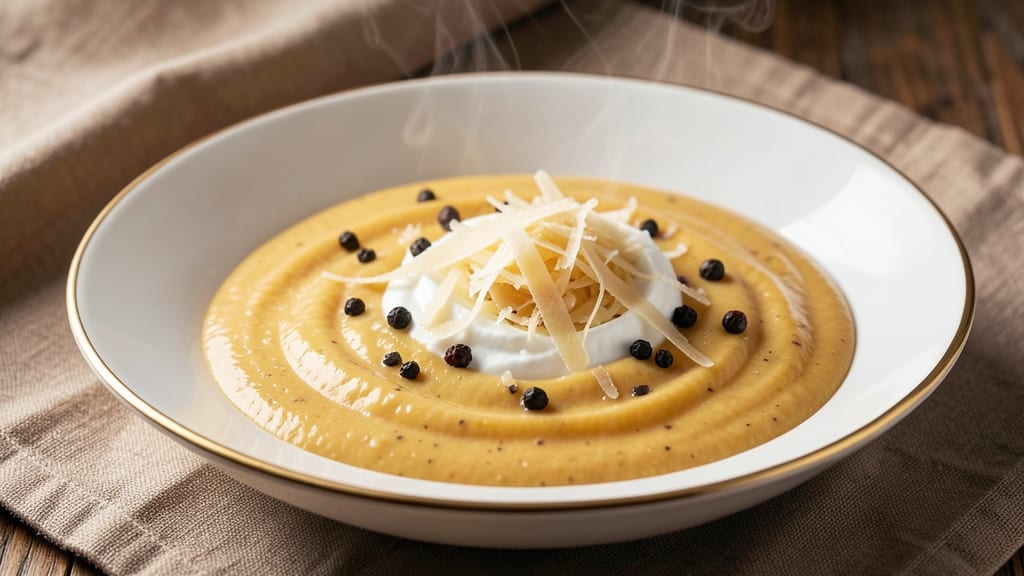
This alfredo sauce recipe using cream cheese and parmesan transforms ordinary weeknight dinners into restaurant-quality meals with just five simple ingredients. The secret lies in blending cream cheese and parmesan together for an ultra-smooth, velvety texture that clings perfectly to pasta.
I've perfected this version after years of testing, and it consistently delivers a sauce that's richer than anything you'll find in takeout containers. The magic happens when you melt the butter and flour together to create a roux, then gradually whisk in the cream cheese and parmesan.
This method prevents lumps and ensures a perfectly emulsified sauce that's thick enough to coat but still silky smooth. The sauce is incredibly versatile—pairs beautifully with fettuccine, chicken, or even vegetables, and reheats perfectly without breaking.
What sets this recipe apart is how it balances creaminess with just enough tang from the parmesan. The sauce stays rich and velvety even after reheating, making it ideal for meal prep.
For extra depth, you can add a pinch of nutmeg or minced garlic while cooking, though the basic version is already packed with flavor.
Whether you're serving it over pasta, drizzling it on grilled chicken, or using it as a dip, this alfredo sauce delivers restaurant-quality results in under 20 minutes. The best part? It's foolproof—no lumps, no breaking, just pure, creamy perfection every time.
Ingredients for alfredo sauce recipe cream cheese parmesan
Five ingredients, one creamy masterpiece—no lumps, no stress, just pure alfredo perfection.
| Ingredient | Amount | Notes |
|---|---|---|
| Unsalted Butter 🧈 | ½ cup | Cold, cut into small cubes |
| All-Purpose Flour 🌾 | ½ cup | White, sifted for smooth sauce |
| Cream Cheese 🧀 | 8 oz | Full-fat, room temperature |
| Parmesan Cheese 🧀 | 1 ½ cups | Freshly grated, high-quality |
| Whole Milk 🥛 | ½ cup | Warm for smooth blending |
| Ground Black Pepper 🌶️ | ½ tsp | Freshly cracked for depth |
| Garlic Cloves 🧄 | 2 cloves | Minced, optional for extra flavor |
| Ground Nutmeg 🌿 | ¼ tsp | Freshly grated for warmth |
The butter and flour are your foundation—don't rush the roux. European-style butter from Plugrá or Land O'Lakes works best, and King Arthur flour gives the smoothest texture. For the cream cheese, Philadelphia is the gold standard—full-fat only, no low-fat shortcuts. The Parmesan? Grab a wedge from the deli and grate it yourself; pre-grated gets clumpy. Freshly grated Parm makes all the difference—it's worth the extra minute. If you're feeling fancy, Parmigiano-Reggiano from Italy takes it to the next level.
No cream cheese? Substitute with 6 oz mascarpone—it's richer and works beautifully. Short on Parmesan? Add 1/4 cup more grated cheddar for a cheesy twist. The milk can be whole or 2%—just warm it slightly before adding. No nutmeg? Skip it or use a pinch of cinnamon for warmth. The garlic is optional but adds serious depth—Trader Joe's sells pre-minced garlic in jars that saves time. For extra tang, add a splash of lemon juice at the end.
This sauce keeps beautifully—3-4 days in the fridge, covered tightly. Reheat gently on low, stirring often to avoid breaking. Freezes for up to 3 months—portion into ice cube trays first for easy use later. Store the grated Parmesan in an airtight container with a paper towel to absorb moisture. The roux can be made ahead and refrigerated for up to 2 days—just reheat gently before adding the cheese.
Why You'll Love This Recipe
- Five-Ingredient Magic: I swear by this combo—just butter, flour, cream cheese, Parmesan, and milk. That’s it. No fancy reductions, no waiting for hours. The cream cheese melts into the roux so smoothly, it feels like cheating.
- Rich Without Effort: Honestly, the flavor is what makes this worth making. That nutty Parmesan cuts through the creaminess, and the whole milk keeps it luscious without being heavy. It’s the kind of sauce that makes you pause mid-bite—like, how is this so good?
- Pasta Party Ready: Between us, this sauce is my go-to for date nights, game days, or when my college-age kids bring friends over. It works with fettuccine, chicken, even roasted veggies. No one will guess it’s not from a jar.
- Leftovers That Save Me: I make a double batch every time because it reheats like a dream. The next day, it’s just as creamy—no grainy texture, no sad sauce. Plus, the Parmesan stretches my grocery budget without sacrificing flavor.
Step-by-step instructions for ultra-smooth alfredo sauce
Here's the method that guarantees a velvety, restaurant-quality sauce every time—no lumps, no guesswork.
Melt Butter and Whisk in Flour
In a medium saucepan, melt the 0.5 cup unsalted butter over medium heat until it's completely liquid but not browned. I like to use small cubes of cold butter so it melts evenly without splattering. Once melted, reduce the heat to medium-low and whisk in the 0.5 cup all-purpose flour all at once.
Keep whisking constantly for 2-3 minutes until the mixture forms a smooth, pale roux. You're looking for a consistency similar to wet sand—no graininess should remain. This step is crucial for creating that silky texture later. If you see any brown spots, reduce the heat immediately to prevent burning, which will make your sauce taste bitter.
Cook the Roux Until Golden
Continue cooking the roux for another 3-4 minutes, whisking frequently, until it turns a light golden color. This should happen gradually—don't rush it. The roux should smell nutty and toasty, not burnt. If it starts to darken too quickly, lower the heat slightly. This cooked roux is the flavor foundation of your sauce, so take your time here.
I like to test the roux by dipping a spoon in and letting it cool slightly. When it's ready, it should hold its shape when you lift the spoon but still be smooth and glossy. This is your signal that the roux is properly developed and ready for the next step.
Gradually Add Warm Milk
Slowly pour in the 0.5 cup warm whole milk while whisking continuously. Add it gradually—about 1 tablespoon at a time—to prevent lumps from forming. The milk should be warm (about 110°F) to help emulsify the sauce properly. If you add cold milk too quickly, you'll end up with a grainy sauce.
After adding all the milk, increase the heat to medium and continue whisking for 3-5 minutes until the sauce thickens enough to coat the back of a spoon. You're looking for a smooth, creamy consistency—almost like heavy cream. If it thickens too quickly, you can thin it with a splash more milk later, but it's better to err on the side of slightly thicker now.
Incorporate Cream Cheese and Cheese
Reduce the heat to low and gradually add the 8 oz cream cheese, whisking constantly to prevent clumping. The cream cheese should melt completely into the sauce, creating that ultra-rich, velvety texture. If you notice any lumps, use a rubber spatula to gently press them against the side of the pan until they dissolve.
Next, stir in the 1.5 cups freshly grated parmesan cheese, 0.5 tsp ground black pepper, 2 minced garlic cloves (if using), and 0.25 tsp ground nutmeg. Let the sauce simmer gently for another 2-3 minutes, stirring occasionally, until all the cheese is fully melted and the flavors have melded together. The sauce should now be thick, smooth, and irresistibly creamy.
Adjust Consistency and Serve
Taste the sauce and adjust the seasoning if needed. You might need a pinch more salt or pepper to balance the richness. For a thinner consistency, whisk in 1-2 tablespoons of warm milk or pasta water. For a thicker sauce, simmer uncovered for another 1-2 minutes to reduce it slightly.
Keep the sauce warm over low heat or transfer it to a slow cooker set to warm while you cook your pasta. This sauce is best served immediately, but if you need to hold it for a bit, just give it a quick whisk before serving to restore its silky texture. It pairs perfectly with fettuccine, chicken, or even steak for a decadent meal.
Pro Tips For Making Alfredo Sauce Recipe Cream Cheese Parmesan
- Melt Butter Slowly: Don’t rush the butter—add it over medium heat and let it foam before tossing in flour. I used to crank the heat and ended up with a buttery, greasy mess instead of a smooth roux. This sauce needs patience to avoid lumps and get that creamy texture.
- Cut Cream Cheese Cold: Take the cream cheese straight from the fridge, slice it into small cubes, and toss them into the warm sauce. Whole blocks melt unevenly and can turn the sauce grainy. Trust me, this small step makes a real difference in consistency.
- Grind Parmesan Fresh: Skip the pre-grated cheese—it’s packed with anti-caking agents that make the sauce clump. Use a microplane or fine grater right before adding it to the sauce. The flavor is richer, and the texture stays silky.
- Simmer Low and Long: Once the milk comes in, reduce to the lowest heat possible and let it bubble gently for at least 5 minutes. I learned this the hard way—rushing the simmer leaves the sauce thin and watery. Low and slow thickens it properly without curdling.
Common mistakes when making perfect results
Overcooking the Roux
Watch the roux like a hawk—once it turns golden, stop immediately. If you let it brown, your sauce will taste bitter and develop a burnt flavor that's impossible to fix. I've ruined more sauces than I'd admit by walking away for just a minute.
Keep the heat at medium-low and whisk constantly to prevent any darkening. A properly cooked roux should smell nutty and toasty, not burnt or acrid. 🌡️
Adding Cold Cream Cheese
Room-temperature cream cheese is non-negotiable here. Cold cream cheese will clump no matter how much you whisk, creating unsightly lumps in your otherwise silky sauce. Let your cream cheese sit at room temperature for 30-45 minutes before using.
I like to cut it into small cubes and let them soften on the counter while I make the roux. If you're in a hurry, you can microwave it for 10-15 seconds, but be careful not to melt it completely.
Using Pre-Grated Parmesan
Pre-grated Parmesan contains anti-caking agents that make your sauce grainy. Freshly grated cheese is the only way to get that authentic, velvety texture. Invest in a good microplane or box grater—it takes 5 minutes to grate 1.5 cups of Parmesan yourself.
The difference in flavor and texture is night and day. If you're using pre-grated, at least strain it through a fine-mesh sieve to remove some of the additives. 🧀
Adding Milk Too Quickly
Dumping all the milk in at once is a recipe for disaster. The sauce will seize up and become grainy. Instead, add it 1 tablespoon at a time while whisking vigorously. The milk should be warm (about 110°F) to help emulsify the sauce properly.
If you're in a rush, warm the milk in the microwave for 20-30 seconds before adding it. Cold milk is the #1 reason sauces turn out lumpy and unappetizing.
Skipping the Low-and-Slow Finish
After adding all your ingredients, don't rush the final simmer. Let the sauce cook gently for 2-3 minutes on low heat to fully meld the flavors. Rushing this step means the cheese won't melt completely, leaving you with a saucy cheese salad instead of a creamy Alfredo.
I like to taste the sauce at this stage—it should be rich, smooth, and fully emulsified. If it's still grainy, whisk in a splash of warm milk and let it sit for another minute. 💡
Using Low-Fat Ingredients
Low-fat cream cheese or milk will never give you the same luxurious texture as full-fat versions. The fat content is what creates that velvety mouthfeel. Stick with full-fat cream cheese (like Philadelphia) and whole milk for the creamiest results.
If you're watching your fat intake, consider using half-and-half instead of milk—it adds richness without being as heavy. But be honest with yourself: this is a decadent sauce meant to be enjoyed without guilt!
Nutrition facts
Frequently asked questions
Why does my cream cheese Alfredo sauce turn out grainy?
Graininess usually happens when cold cream cheese is added too quickly or the milk isn't warm enough. Always use room-temperature cream cheese and add warm milk 1 tablespoon at a time while whisking constantly. For extra smoothness, strain the finished sauce through a fine-mesh sieve before serving.
Can I make this sauce without a roux?
Yes! For a no-roux version, simply melt the cream cheese with warm milk over low heat, then whisk in the grated Parmesan. While it won't be as rich, it's still delicious and perfect for quick weeknight meals. The sauce will be thinner, so simmer uncovered for 5-7 minutes to thicken naturally.
What's the best pasta to pair with this sauce?
Fettuccine is the classic choice, but this sauce works beautifully with tagliatelle, pappardelle, or even wide ribbon noodles. For extra indulgence, try it with chicken parmesan or as a creamy dip for grilled vegetables. The wider the noodle, the more sauce it can hold—making every bite decadent!
How can I make this sauce spicier?
Add 1/2 teaspoon of red pepper flakes or 1 teaspoon of hot sauce (like Frank's RedHot) when you stir in the Parmesan. For depth without heat, try 1/2 teaspoon of smoked paprika or a pinch of cayenne. Always taste as you go—you can adjust the heat level to your preference.
Will this sauce work for meal prep?
Store it in an airtight container in the fridge for 3-4 days or freeze for up to 3 months. Reheat gently over low heat, stirring constantly to prevent breaking. For best results, portion into ice cube trays before freezing—just thaw and whisk to restore its silky texture.