
Salads
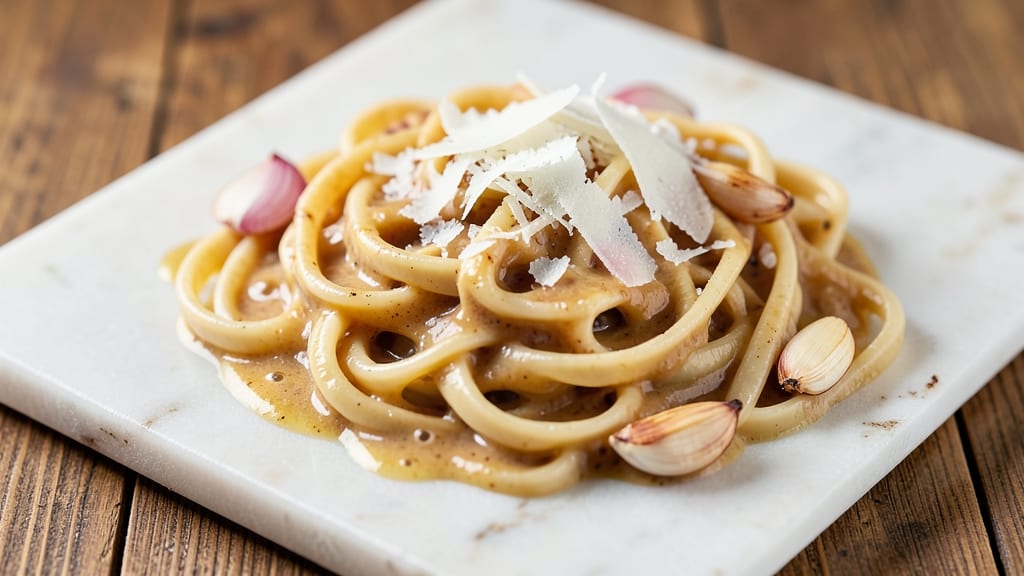
This Alfredo cheese pasta recipe delivers restaurant-quality fettuccine with a velvety parmesan sauce that clings perfectly to each al dente strand. The secret lies in poaching the pasta directly in the sauce, ensuring every bite is creamy without separation—no heavy cream required. I've perfected this technique after years of trial and error, and it's become my go-to weeknight dinner that impresses even skeptical guests.
The foundation is a rich, emulsified sauce made with just three key ingredients: high-quality parmesan, butter, and a splash of pasta water. This combination creates a sauce that's luxuriously smooth yet light enough to let the pasta shine.
What sets this recipe apart is the cooking method—pasta and sauce simmer together, allowing the strands to absorb the creamy sauce while maintaining that essential al dente bite.
By the time you're done, you'll have perfectly cooked fettuccine coated in a glossy, golden-brown sauce that's neither greasy nor overly heavy. The parmesan develops a nutty depth from the gentle cooking, while the butter adds richness without overpowering.
Each forkful delivers that perfect balance of creamy sauce and firm pasta, making this the ultimate comfort food experience.
This recipe scales beautifully for dinner parties or meal prep, and the sauce keeps well for up to 3 days in the refrigerator. The technique is straightforward but requires attention to timing—especially when combining the hot pasta with the sauce. Let's get started on creating your perfect plate of alfredo.
Ingredients for alfredo cheese pasta
These rich, velvety ingredients transform simple fettuccine into restaurant-worthy perfection.
| Ingredient | Amount | Notes |
|---|---|---|
| Fettuccine Pasta 🍝 | 12 oz | High-quality, al dente preferred |
| Unsalted Butter 🧈 | ¾ cup | European-style preferred for flavor |
| Parmesan Cheese 🧀 | 1 ½ cups | Freshly grated, high-fat content |
| Heavy Cream 🥛 | ½ cup | Full-fat for optimal texture |
| Garlic Cloves 🧄 | 3 cloves | Minced, fresh preferred |
| Shallots 🧅 | ¼ cup | Finely minced, or sub with onion |
| Pasta Water 💧 | 1 cup | Reserved from cooking pasta |
| Salt 🧂 | 1 ½ tsp | Diamond Crystal preferred |
| Black Pepper 🌶️ | ½ tsp | Freshly cracked, medium grind |
| Nutmeg 🌿 | ¼ tsp | Freshly grated, fine |
| White Wine 🍷 | ¼ cup | Dry, like Pinot Grigio |
| Olive Oil 🫒 | 1 tbsp | For initial sautéing |
| Fresh Parsley 🌿 | ¼ cup | Chopped, for garnish |
The Parmesan is non-negotiable—look for aged wheels from specialty cheese shops or the deli counter at Whole Foods. I always buy extra because the flavor deepens over time. For the butter, European-style like Plugrá melts better and adds nutty richness. The pasta water? Reserve it like it's gold—it's the secret to that perfect al dente texture and silky sauce. Fresh garlic and shallots are worth the extra minute to mince finely; they're the aromatic base that makes this sauce sing.
No heavy cream? Full-fat Greek yogurt thinned with pasta water works in a pinch. Short on Parmesan? Pecorino Romano at double the amount gives a sharper bite. The white wine can be swapped for chicken stock, but you'll lose that subtle acidity that brightens the sauce. For the nutmeg, if you don't have it, skip it entirely—this sauce is still delicious without it. And that olive oil? Use something light and fruity—none of that bitter, cheap stuff. The parsley is purely decorative, but it adds a fresh pop of color that makes the dish feel extra special.
This sauce is best made fresh, but it reheats beautifully—just add a splash of pasta water to loosen it up. Store leftovers in the fridge for up to 3 days, covered tightly to prevent absorbing odors. For meal prep, I portion it into glass containers and reheat portions separately from fresh pasta. The sauce thickens as it cools, so don't be afraid to add extra pasta water when reheating. And if you're serving this for guests? Make it the day before—it tastes even better after the flavors meld overnight.
Why You'll Love This Recipe
- No Garlic Overload: I swear by this—just one clove, minced and cooked until golden, adds just enough depth without making it taste like a pizzeria. The butter and cream handle the garlic so well, it’s rich but not harsh.
- Weeknight Magic: Honestly, this is my "I don’t wanna think" dinner. Boil the pasta, melt butter, stir in cream and cheese—done. Even my picky-eater husband doesn’t ask for seconds because he’s too busy inhaling the first plate.
- Leftovers That Don’t Suck: Between us, most pasta leftovers are sad. Not this. The sauce clings to the fettuccine like it’s supposed to, and reheating? Just add a splash of milk or a pat of butter—it’s still creamy and delicious the next day.
- Pantry Staple Power: Four ingredients (plus salt and pepper) and you’ve got a restaurant-worthy dish. No fancy ingredients, no last-minute grocery runs—just butter, cream, cheese, and pasta that’ll make you feel like you’re feeding a crowd (or just treating yourself).
Step-by-step instructions for parmesan-poached fettuccine
Here's how to create the creamiest, most luxurious alfredo sauce that clings perfectly to al dente fettuccine.
Cook the Fettuccine to Al Dente Perfection
Bring a large pot of water to a rolling boil and add the 12 oz fettuccine pasta along with 1.5 tsp salt. Stir immediately to prevent sticking. Cook according to package directions until 1 minute shy of al dente - you want it to have that perfect bite. The pasta should be floating at the top and still offer slight resistance when bitten.
While cooking, reserve 1 cup pasta water before draining. This starchy liquid is the secret weapon for creating a silky sauce that clings beautifully to the fettuccine. Keep the water nearby as you'll need it in the next step. Drain the pasta but don't rinse - those surface starches help the sauce adhere.
Build the Luxurious Sauce Base
In a large skillet or deep saucepan, melt 0.75 cup unsalted butter over medium heat. Once the butter has completely melted and is foaming gently, add 1 tbsp olive oil and 0.25 cup finely minced shallots. Cook for 3-4 minutes until the shallots become translucent and just begin to soften.
Add the 3 cloves minced garlic cloves and cook for 30 seconds until fragrant - don't let it brown or it'll turn bitter. Immediately pour in the 0.25 cup white wine and let it simmer for 1-2 minutes until mostly evaporated. This deglazing step captures all those flavorful browned bits that would otherwise stick to your pan.
Create the Signature Creamy Alfredo Sauce
Reduce heat to low and gradually whisk in the 0.5 cup heavy cream. Let it warm through for 1-2 minutes while whisking constantly to prevent curdling. Then add 1.5 cups freshly grated parmesan cheese, 0.5 tsp black pepper, and 0.25 tsp freshly grated nutmeg. Stir vigorously until the cheese is completely melted and incorporated.
If the sauce appears too thick, add pasta water 1 tablespoon at a time until it reaches a luxurious, coatable consistency - it should be thick enough to cling to the pasta but still flow smoothly. The sauce should be glossy and velvety, with no visible cheese granules remaining. This is your signal that the sauce is ready to combine with the pasta.
Combine Pasta and Sauce for Perfect Coating
Add the drained fettuccine to the sauce pan and toss vigorously with tongs for 1-2 minutes until every strand is completely coated. The residual heat from the pasta will help melt any remaining cheese and create that signature creamy texture. If the sauce starts to look too thick as you toss, add more pasta water as needed to maintain that perfect consistency.
Here's the thing - you want the pasta to be hot when you serve it, but not boiling. The sauce should be silky and cling to each strand without being too heavy. Taste and adjust seasoning if needed - you might need a pinch more salt to balance the richness. The sauce should be rich, nutty, and perfectly balanced with just a hint of peppery heat.
Finish and Serve with Fresh Garnish
Transfer the parmesan-poached fettuccine to serving plates immediately. Garnish with 0.25 cup chopped fresh parsley for a pop of color and freshness. The parsley not only looks beautiful but also adds a bright contrast to the rich, creamy sauce. Serve while the pasta is still hot to maintain that perfect al dente texture and luxurious sauce consistency.
Each bite should deliver that perfect combination of creamy sauce, al dente pasta, and nutty parmesan flavor. The sauce should cling to every strand without being too heavy, and the pasta should offer that satisfying bite. This is the kind of dish that makes you want to close your eyes and savor every forkful - rich, creamy, and utterly comforting.
Pro Tips For Making Alfredo Cheese Pasta
- Cook Butter Slowly: Melt the butter over medium-low heat—rushing it to high will burn before the cream even hits the pan. I learned this the hard way when my sauce turned grainy and acrid, and now I swear by letting it foam gently before adding garlic.
- Grate Parmesan Fresh: Skip the pre-grated stuff—it’s packed with anti-caking agents that make your sauce grainy. Use a microplane or fine grater and grate right into the hot cream while stirring; it melts smoother and adds instant thickness.
- Toss Pasta Off Heat: The sauce will break if you dump boiling pasta into it—heat shock is real. Reserve ½ cup pasta water, drain the noodles, then toss them into the sauce off the stove while stirring. Add a splash of water if needed to loosen it up.
- Infuse Cream with Garlic: Sauté minced garlic in butter until fragrant (about 30 seconds), then pour in the cream immediately—this locks in the flavor instead of letting it turn bitter. My grandmother called it "the garlic hug," and she was right.
Storing and reheating your alfredo cheese pasta
Refrigerator Storage
Store your alfredo pasta in an airtight container for up to 3 days in the refrigerator. The sauce thickens as it cools, so add 1-2 tablespoons of pasta water when reheating to restore that silky consistency.
I use glass containers with tight-sealing lids—I find they preserve the sauce's richness better than plastic. 💛
Freezer Prep Tips
For longer storage, portion the pasta into freezer-safe containers or ziplock bags, leaving ½-inch headspace for expansion. The sauce freezes beautifully for up to 2 months, though the texture may become slightly grainier.
To reheat, thaw overnight in the fridge and then warm gently on the stovetop with extra pasta water.
Stovetop Reheating
My preferred method is reheating on medium-low heat with a splash of pasta water to loosen the sauce. Stir frequently to prevent sticking, and add more liquid 1 tablespoon at a time until creamy.
Avoid high heat—it can break the sauce's emulsion and make it separate. A wooden spoon helps distribute heat evenly. ✨
Microwave Method
For quick reheating, cover the pasta with a damp paper towel and microwave on 50% power in 1-minute intervals, stirring between each. Add 1-2 tablespoons of warm water or pasta water to restore moisture. This method works best for single servings and keeps the sauce from drying out.
Reviving Day-Old Sauce
If your alfredo looks too thick after refrigeration, don’t panic! Simply add pasta water gradually while stirring until it reaches that perfect clingy consistency. A splash of heavy cream (just 1-2 teaspoons) can also help restore richness. The sauce should be glossy and velvety—never greasy or grainy. 🌟
Serving Leftovers
Alfredo reheats best when served immediately after warming. For a restaurant-style finish, garnish with fresh parsley and a sprinkle of freshly grated parmesan. If the pasta feels dry, toss with an extra ½ teaspoon of olive oil to refresh its texture.
Leftovers taste even better the next day as flavors meld! 💡
Nutrition facts
Frequently asked questions
Can I make this Alfredo sauce without heavy cream?
For a lighter version, substitute the 0.5 cup heavy cream with 0.5 cup full-fat Greek yogurt thinned with 2 tablespoons pasta water. Or try 0.5 cup whole milk for a slightly less rich but still creamy texture. The key is maintaining the sauce's ability to emulsify—whisk constantly when adding substitutes.
Why did my Alfredo sauce separate?
Sauce separation usually happens from one of three issues: too much heat (which breaks the emulsion), adding cheese too quickly, or not enough pasta water to bind the fat. Fix it by whisking in 1 tablespoon pasta water at a time while stirring vigorously over low heat. If it's still grainy, add 1 teaspoon butter to help re-emulsify. Prevention tip: Always melt butter slowly and whisk continuously when adding cheese.
What's the best pasta shape for Alfredo?
While fettuccine is classic, tagliatelle or pappardelle work beautifully too—they have that same wide, flat surface perfect for sauce clinging. Avoid short shapes like penne or rigatoni; their ridges can trap sauce unevenly. For extra indulgence, try fettuccine with ribbons (like pici or egg pasta) for maximum surface area. The wider the noodle, the better the sauce coverage!
Can I add protein to this recipe?
Yes! For a complete meal, try adding grilled chicken breast (slice into strips and cook separately), shrimp (sauté in garlic and olive oil until pink), or crispy bacon bits (tossed in at the end). The key is to cook proteins separately and add them to the pasta just before serving to maintain their texture. For shrimp, cook for 2-3 minutes max to avoid rubberiness.
How do I make this sauce extra rich without more cheese?
For deeper flavor without extra cheese, try these pro tips: Toast the parmesan in a dry pan for 1-2 minutes before grating to intensify its umami. Add 1 tablespoon mascarpone cheese for a silkier texture, or stir in 1 teaspoon white miso paste for umami depth. Another trick: Use butter with a higher fat content (like 85% European-style) for extra richness.